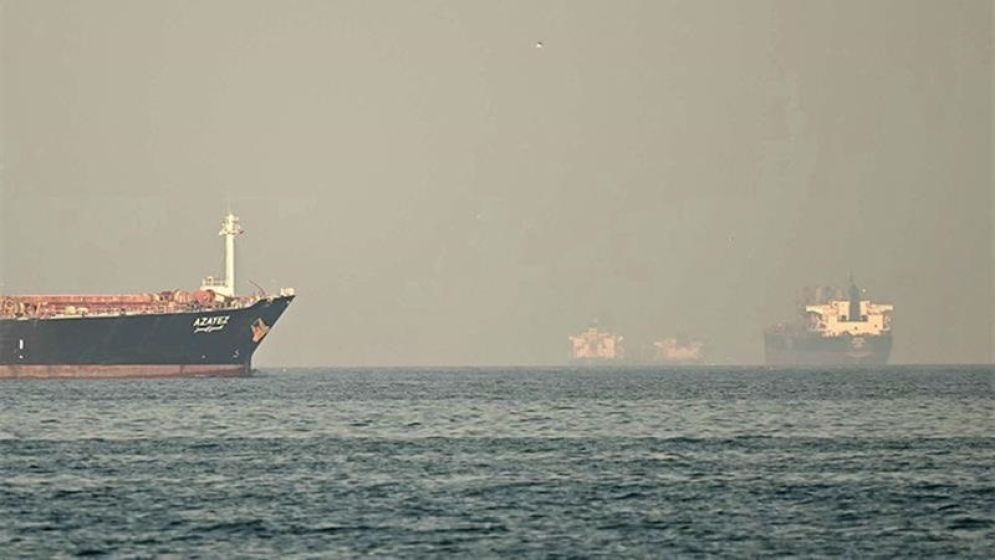
Trump Hits Iran’s Trade Partners with 25% Tariff Amid Deadly Crackdown
Following reports of 600 deaths in Iran protests, President Trump imposes a 25% tariff on countries trading with Tehran. Military action remains “on the table.”





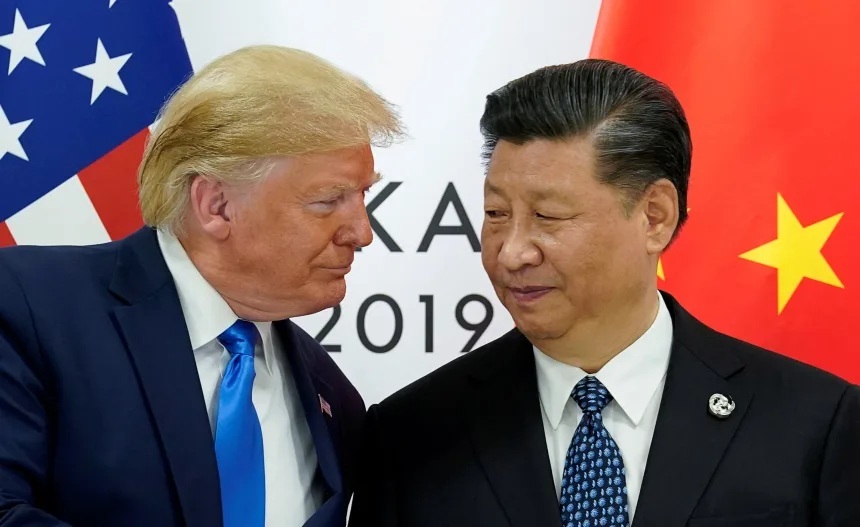
US President Donald Trump secured what he called a \”great success\” in his recent meeting with Chinese leader Xi Jinping, achieving a breakthrough that addresses critical US economic and defense concerns, but also underscored the challenges of dealing with a \”stronger China.\”
The outcome of the meeting confirms key economic movements sought by Washington:
Rare Earths: China will suspend controls on the export of rare earth minerals, vital for US manufacturing and military systems.
Soybeans: Beijing will resume substantial purchases of US soybeans, directly addressing a major political pain point for Trump in his Republican farm-state base.
Tariffs: The US will lower tariffs on Chinese imports, easing pressure on American consumers and businesses.
The meeting followed a week of political theatre during Trump\’s Asia trip, where leaders utilized flattery—South Korea offered a golden crown; Japan’s PM nominated him for a Nobel Peace Prize. Xi, however, offered only a guarded, strategically timed meeting at a South Korean air base, a move consistent with China\’s defiant stance throughout the trade war.
Keyu Jin notes that China’s tactic has been one of \”struggle, but don\’t break,\” utilizing economic weight as a massive market to push back against US demands. The previous rare earth restrictions were a direct, strategic hit against the US supply chain, giving Xi significant leverage at the negotiating table.
Trump’s team is now dealing with a more resilient Beijing than during his first term. China has spent the last four years actively reducing its dependence on the US, lowering its export reliance on the US market from nearly 20% to just 11%.
This newfound strength allowed Xi to engage in the summit on his own terms. Although the leaders reached a temporary deal—which businesses and markets will welcome—analysts like Kelly Ann Shaw believe the relationship will be focused on \”managing the breakup\” rather than achieving lasting improvements.
While Trump may claim a victory in securing the rare earth and soybean concessions, the summit ultimately reinforced that Beijing is unwilling to bend to Washington, signifying that the complex rivalry is likely to continue long after any inks dries on a formal trade agreement.
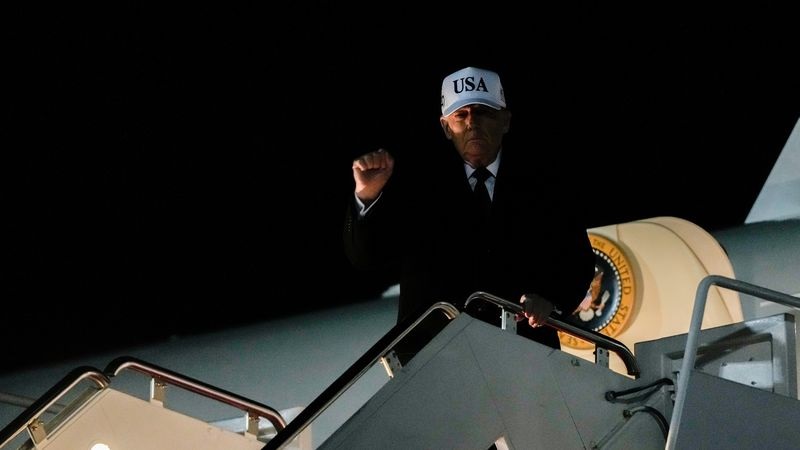
Following reports of 600 deaths in Iran protests, President Trump imposes a 25% tariff on countries trading with Tehran. Military action remains “on the table.”
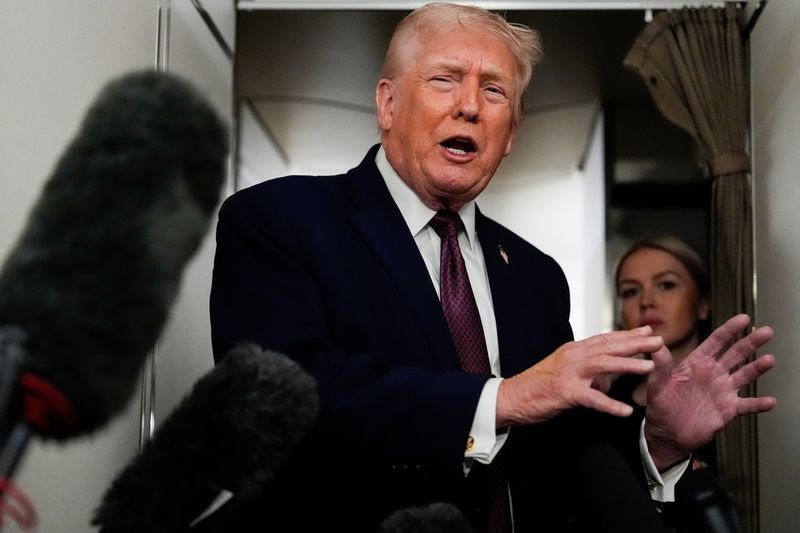
Inside Donald Trump’s “psychological” push for Greenland. From mocking dog sleds to asserting American dominance in the Arctic.
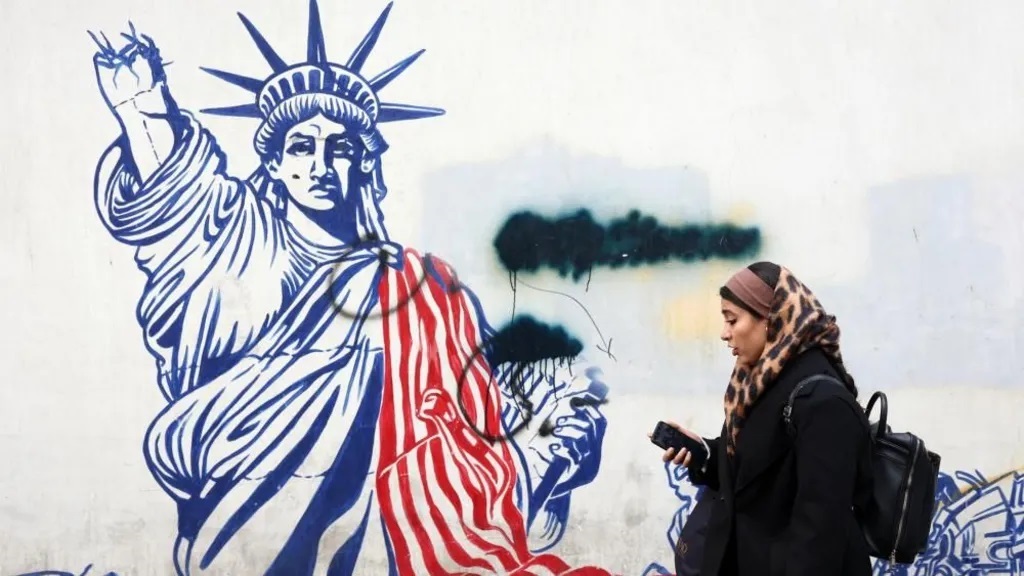
Inside the White House debate: Vice President JD Vance urges diplomacy while exiled leaders call for intervention. Trump weighs his next move in the Iran crisis.
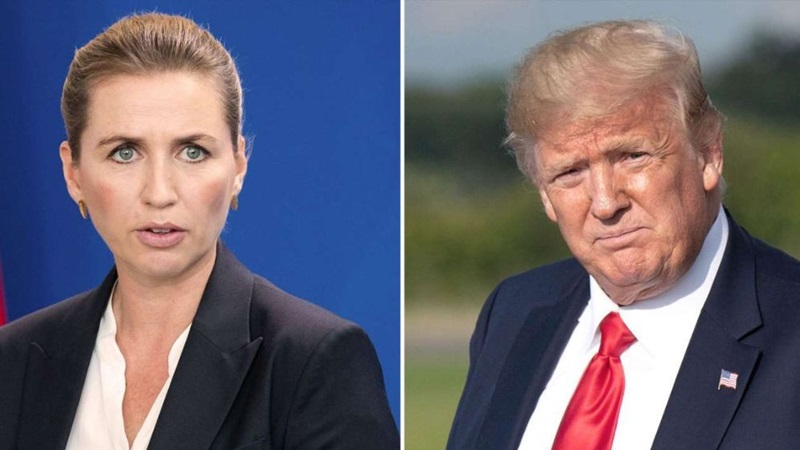
PM Mette Frederiksen warns of a decisive moment for Greenland as Germany, Sweden, and the UK back Denmark against US claims to the Arctic territory.

Clay County Sheriff Eddie Scott details the horrific moments of the Cedarbluff shooting. Suspect Daricka Moore faces capital murder charges for the death of 6 relatives.

Following a fatal attack in St. Croix, we look at the statistics of shark encounters in the Caribbean and how travelers can stay safe in the water.
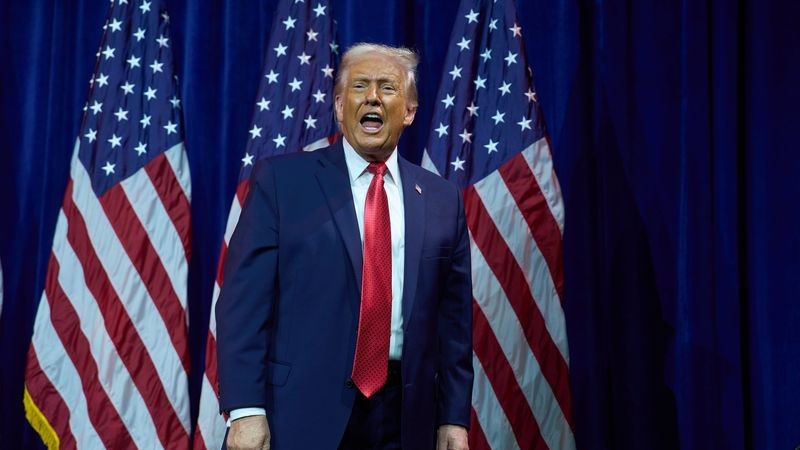
From Venezuela to Greenland: How the capture of Nicolás Maduro signals a more aggressive, expansionist US foreign policy under the Trump administration.
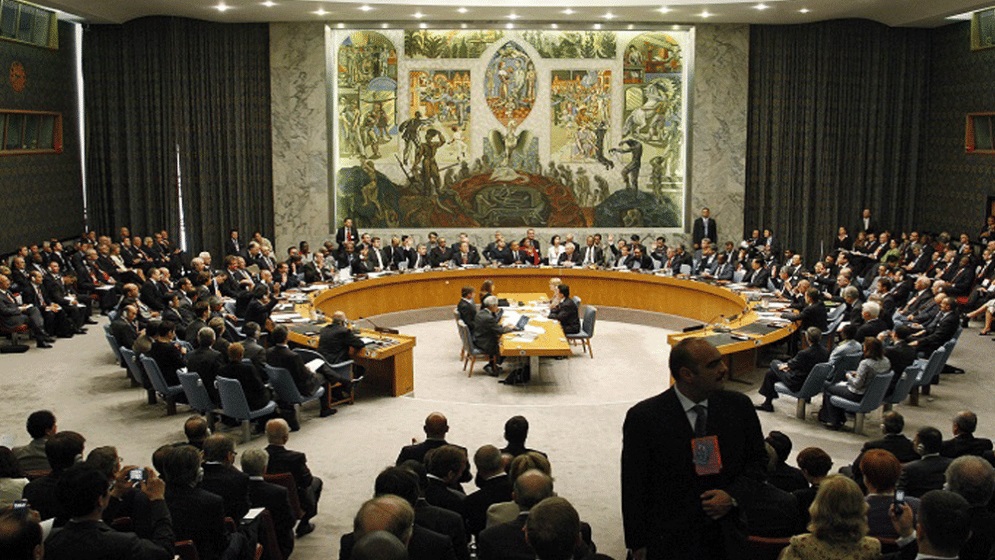
China’s strong rhetoric at the UN Security Council highlights a deepening rift over US interventionism in Latin America following the Maduro capture.