International Concern Grows as Iran Severs Global Communication
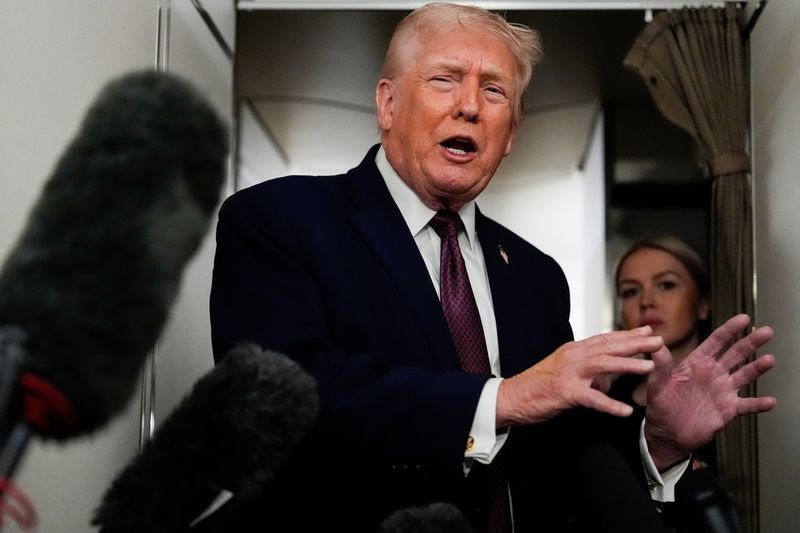
As Iran cuts off all international phone lines and internet, concerns grow over a “bloody crackdown.” US President Trump and global leaders respond to the crisis.





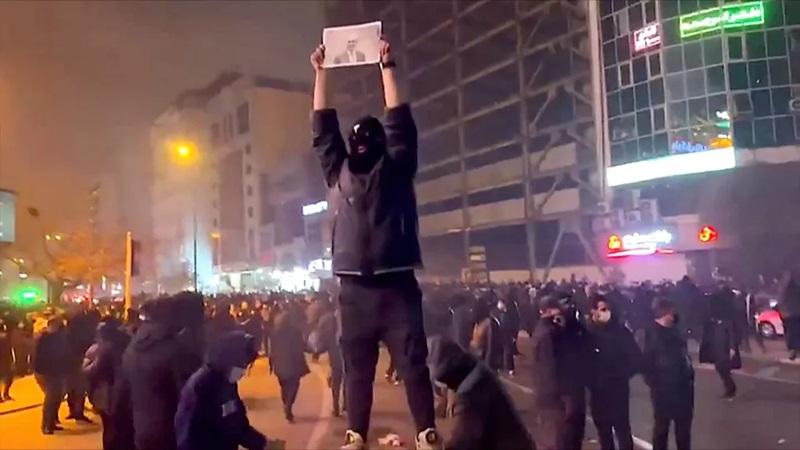
TEHRAN : To the outside world, Iran is currently a digital void, silenced by a government-mandated internet blackout. But inside, for people like “Omid,” the silence is broken only by the staccato of Kalashnikov fire.
“I saw it with my own eyes,” says Omid, a 40-year-old protester from southern Iran. “They fired directly into lines of protesters, and people fell where they stood. We are fighting a brutal regime with empty hands.”
For a young woman in Tehran, last Thursday was a moment of hope that quickly turned into a “day of judgement.” She describes a city transformed into a battlefield, where even the most remote neighborhoods were packed with citizens demanding change following calls from exiled leader Reza Pahlavi.
“On Friday, security forces only killed and killed and killed,” she told the BBC. “In war, both sides have weapons. Here, people only chant and get killed.” The morale in the capital has been shattered by the sheer volume of lethal force, with many now reduced to “alley chanting”—shouting slogans from the safety of their homes to avoid the snipers and motorcycle-bound Basij forces.

Images posted on Thursday from Khorramabad in western Iran showed a man holding Iran’s pre-revolutionary flag.
Nurses and medics, speaking on the condition of anonymity, describe a medical system under siege. Hospitals are reportedly overwhelmed, with a particular surge in protesters suffering from devastating head and eye injuries.
“The reality is hard for the outside world to imagine,” one medic in eastern Tehran said. They described a hospital morgue receiving 40 bodies in a single afternoon—a staggering figure that supports activist claims that the true death toll may be in the thousands, rather than the hundreds reported by international media.
Despite the “shock” expressed by UN Secretary-General António Guterres and the warnings from the UN Special Rapporteur, the Iranian leadership remains unmoved. Following a warning from Supreme Leader Ali Khamenei that the Republic “will not back down,” the intensity of the violence has only increased.
As the sun sets over Tehran, the chanting begins again—a low rumble from the rooftops and windows, a sign that while the streets are a “bloody battlefield,” the spirit of the protest has not yet been extinguished.
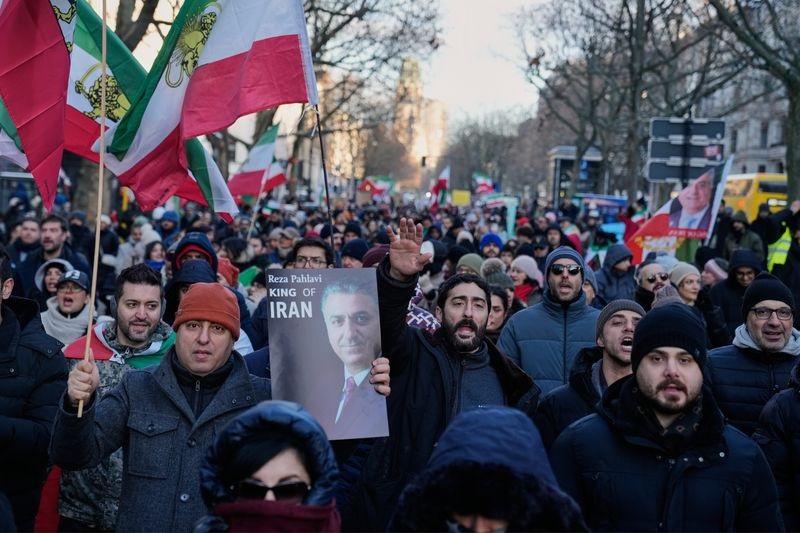
As Iran cuts off all international phone lines and internet, concerns grow over a “bloody crackdown.” US President Trump and global leaders respond to the crisis.
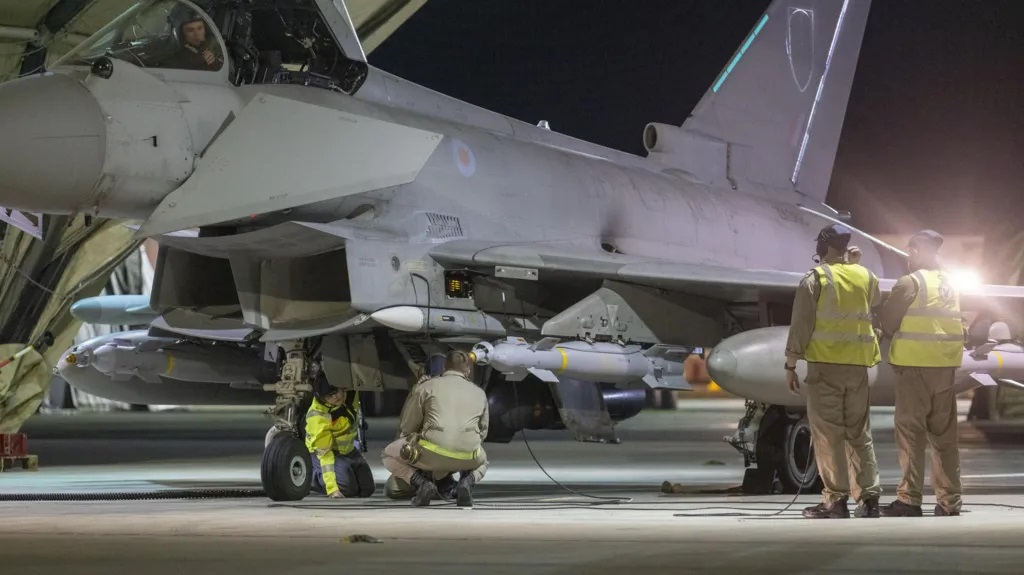
With Syria now a formal member of the Global Coalition under President Ahmed al-Sharaa, joint RAF-French strikes highlight a new level of security cooperation.
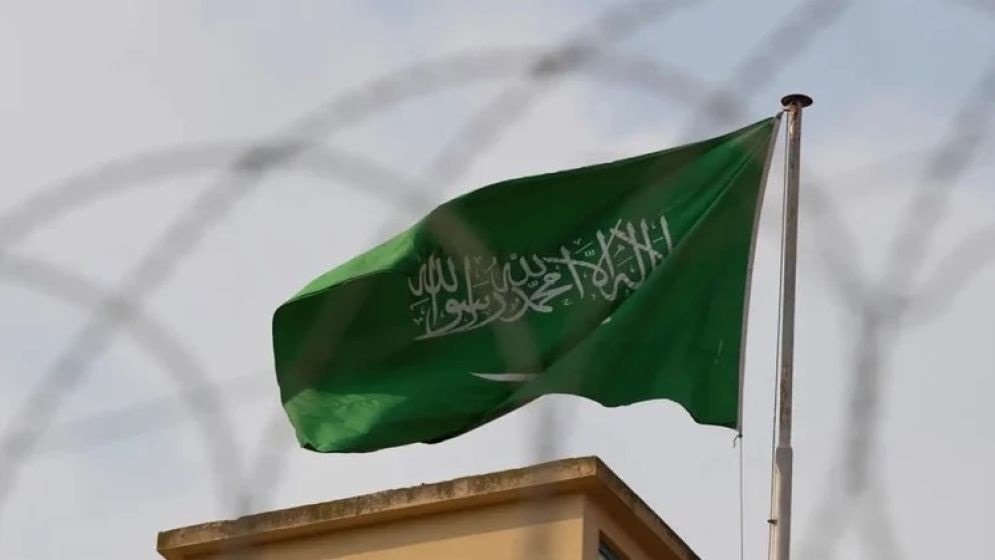
As Saudi Arabia prepares for the 2034 World Cup, a record 356 executions in 2025 highlights the clash between its modern image and its use of the death penalty.

Ailing Supreme Leader Ayatollah Khamenei faces a failing strategy as proxies weaken and Israel lobbies the US for military action against Tehran.
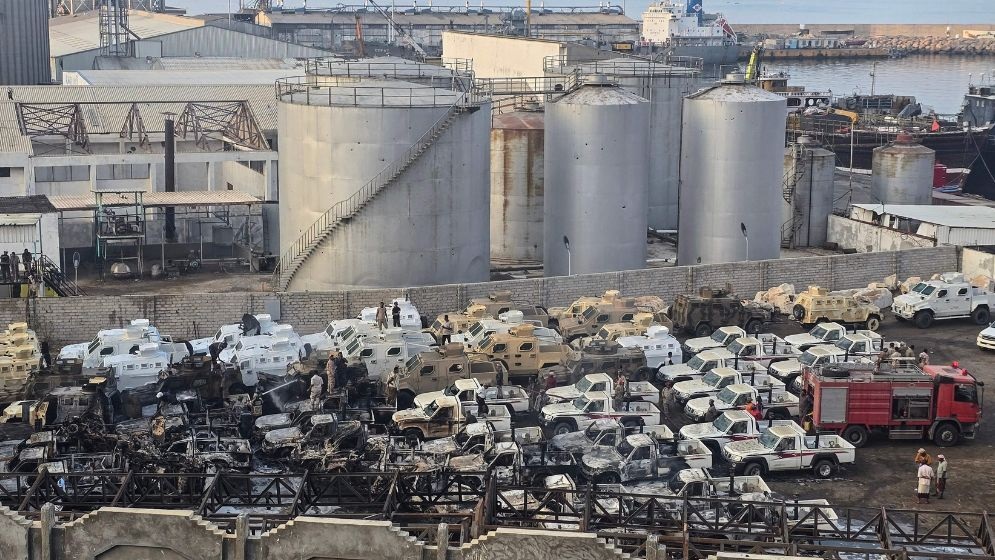
The STC rejects Saudi calls to withdraw from seized territories in Yemen as the UAE pulls its forces. Tensions peak after Saudi strikes on alleged weapons.
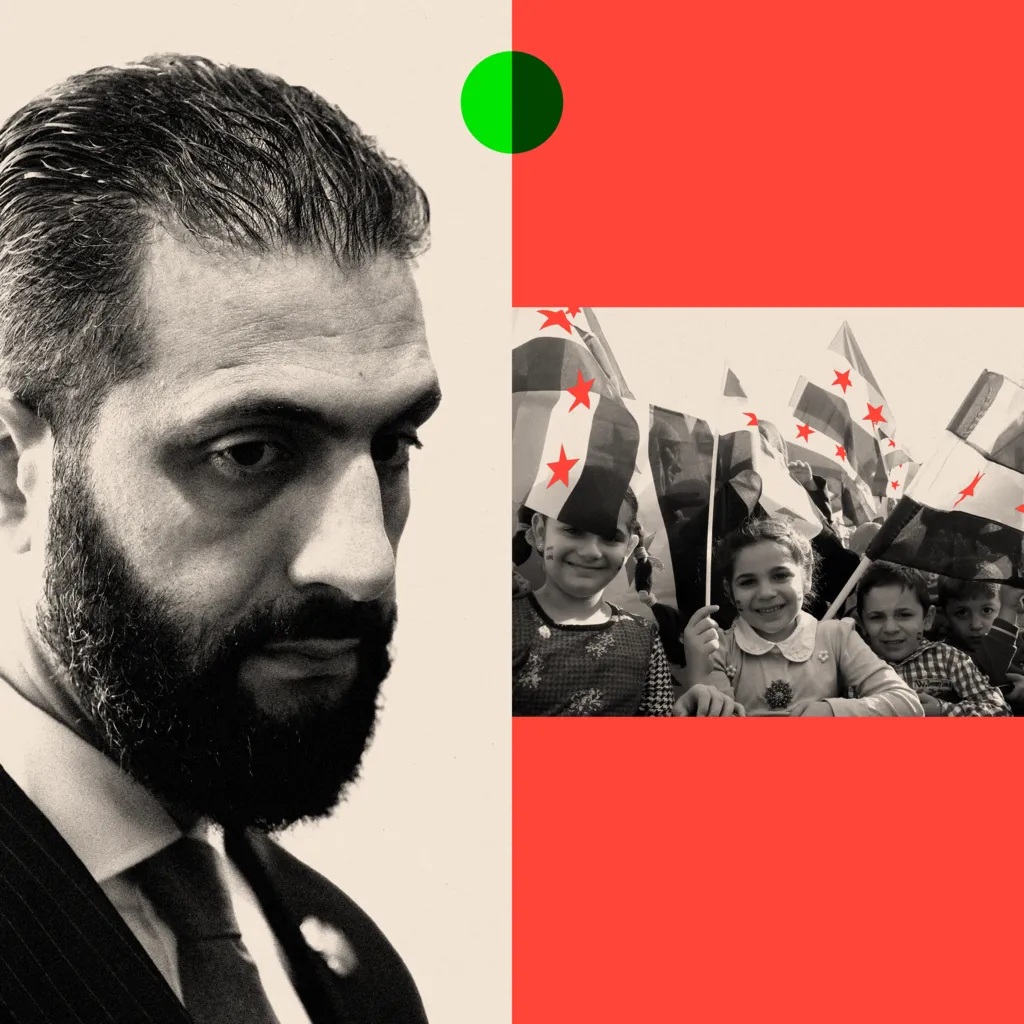
One year after the fall of Bashar al-Assad, Syria’s new leader Ahmed al-Sharaa (Abu Mohammed al-Jolani) seeks Western legitimacy despite his jihadist past, facing ideological and territorial challenges.
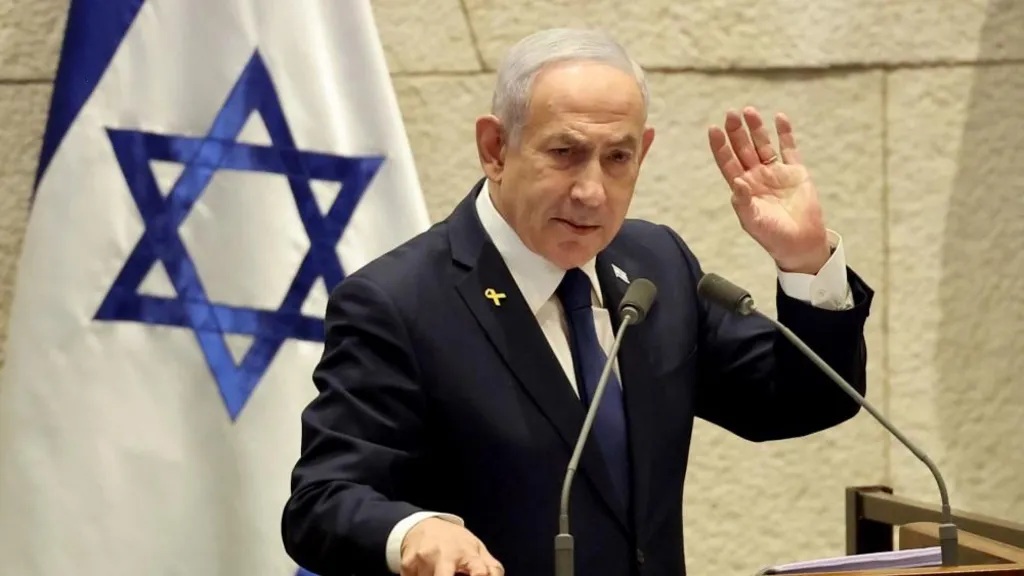
PM Netanyahu requested a pardon from President Herzog for his corruption trial (bribery, fraud) without admitting guilt. The “extraordinary request” tests Israel’s rule of law and sparks political division
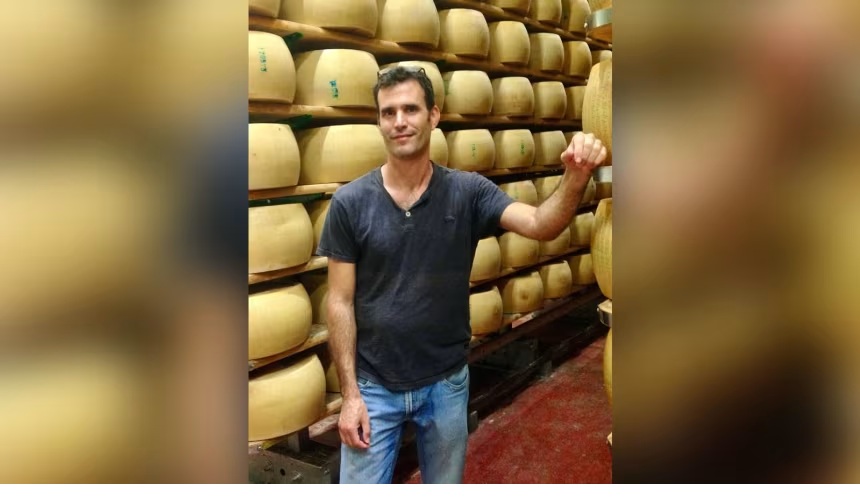
Israel identified the remains of Dror Or, 48, murdered at Kibbutz Be’eri on Oct 7. His remains were returned from Gaza, providing closure after his wife was also killed and his two children were taken hostage but later released