Why Trump is Obsessed with ‘Owning’ Greenland
Inside Donald Trump’s “psychological” push for Greenland. From mocking dog sleds to asserting American dominance in the Arctic.





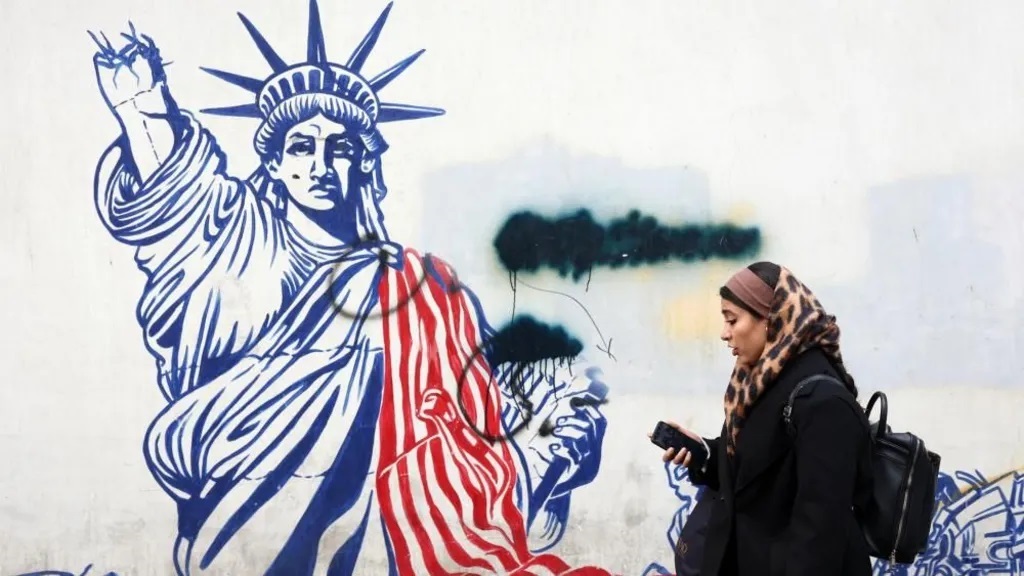
WASHINGTON, D.C. : “The world can keep waiting and guessing,” White House Press Secretary Karoline Leavitt told reporters on Monday. But inside the West Wing, the clock is ticking for President Donald Trump to fulfill his pledge to “rescue” Iranian protesters.
A significant internal debate is unfolding between the administration’s most senior aides. Sources indicate that Vice President JD Vance is leading a faction urging the President to pursue diplomacy first. “The smartest thing for them to have done is to actually have a real negotiation,” Vance recently told journalists, suggesting that the goal remains nuclear concessions and behavioral reform rather than outright regime change.
However, as gruesome accounts of the crackdown emerge despite the ongoing internet blackout in Iran, the pressure to act kineticly is mounting.
The White House claims that while the Iranian regime remains defiant in public, its private messages tell a different story. “What you’re hearing publicly… is quite different from the messages the administration is receiving privately,” Leavitt added. This suggests that elements of the clerical rule may be looking for an “off-ramp” to avoid U.S. intervention.
Adding to the pressure is Reza Pahlavi, the exiled son of Iran’s last monarch. Speaking to CBS News, Pahlavi urged the President to “intervene sooner” to minimize casualties. “The best way to ensure that there will be less people killed in Iran is to intervene sooner,” Pahlavi argued, presenting a vision of a post-clerical transition.
The core dilemma for the Trump administration remains the “end game.” Experts like Will Todman of CSIS point out that it is still unclear if Trump’s primary objective is regime change or simply forcing Iran back to the negotiating table.
As the President meets with his top advisers this Tuesday, he must decide if a limited strike will embolden the protesters or demoralize them by proving insufficient. For a President who prizes strength, the risk of appearing weak through prolonged diplomacy may ultimately be the deciding factor in whether the “locked and loaded” weapons are finally fired.
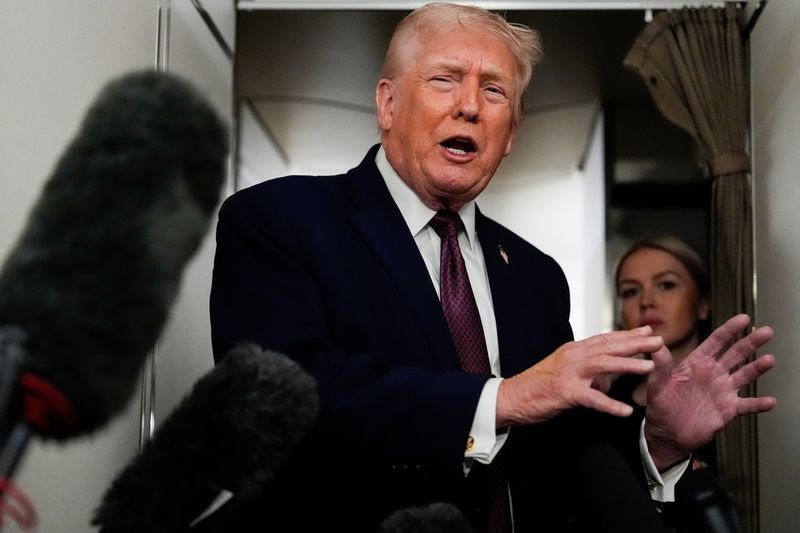
Inside Donald Trump’s “psychological” push for Greenland. From mocking dog sleds to asserting American dominance in the Arctic.
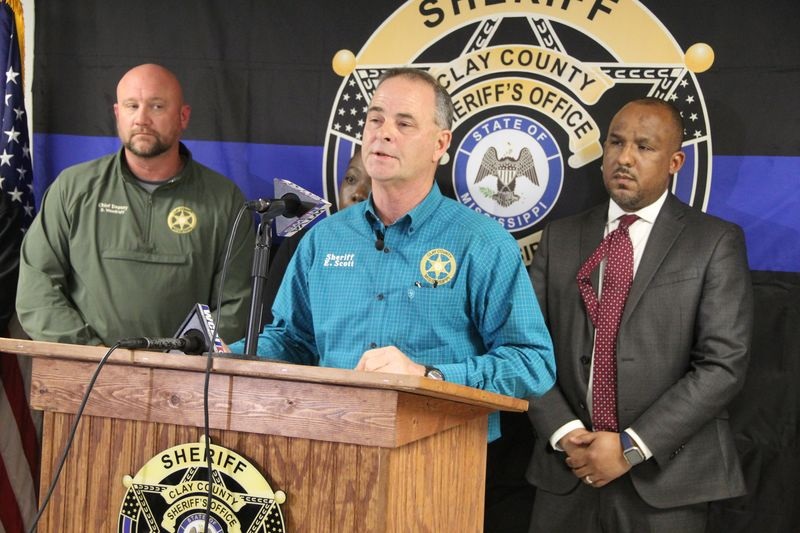
Clay County Sheriff Eddie Scott details the horrific moments of the Cedarbluff shooting. Suspect Daricka Moore faces capital murder charges for the death of 6 relatives.
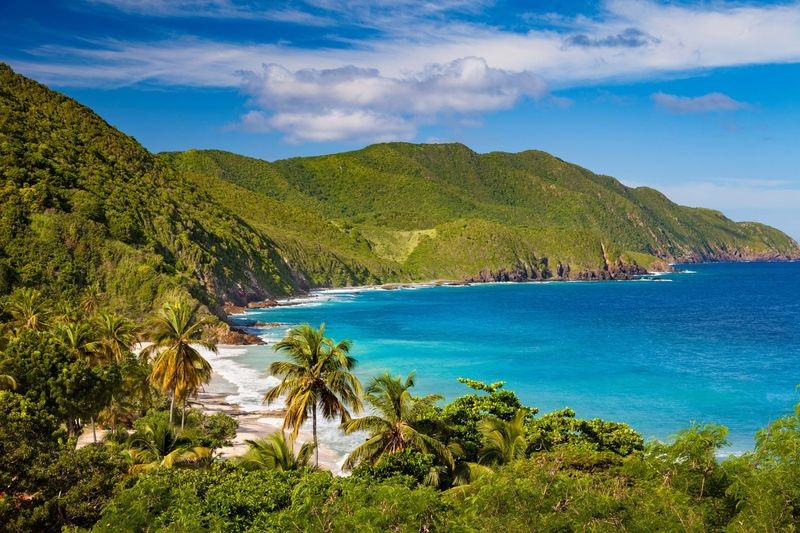
Following a fatal attack in St. Croix, we look at the statistics of shark encounters in the Caribbean and how travelers can stay safe in the water.
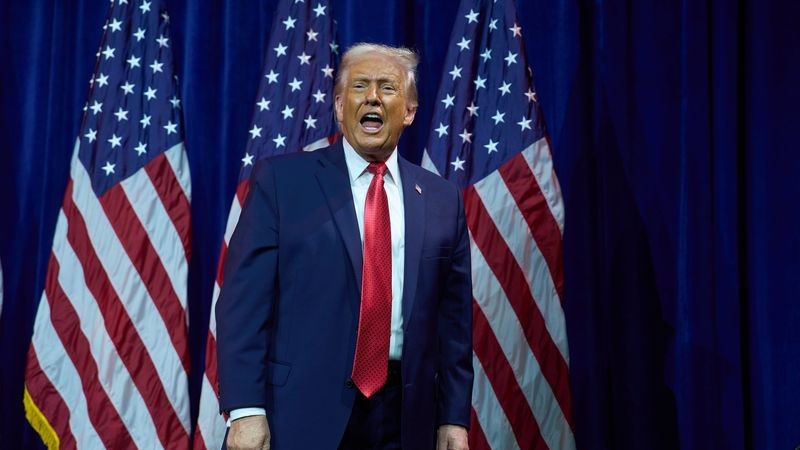
From Venezuela to Greenland: How the capture of Nicolás Maduro signals a more aggressive, expansionist US foreign policy under the Trump administration.
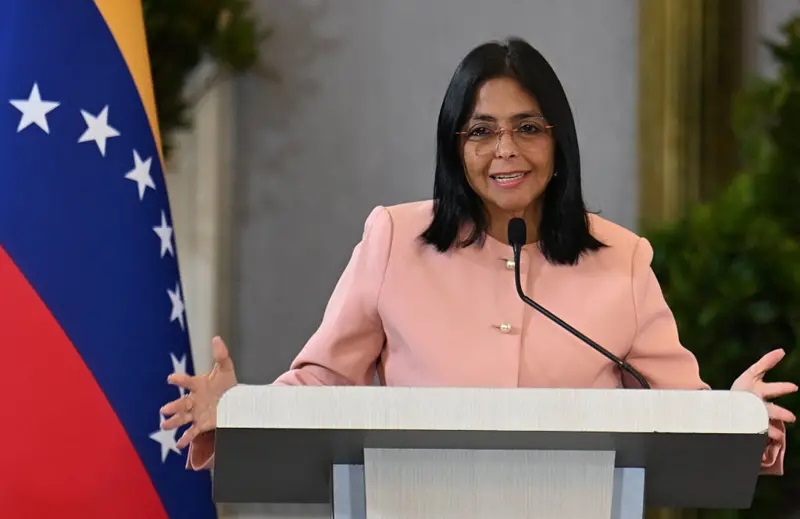
President Trump shakes up the Venezuelan opposition by dismissing Maria Corina Machado’s leadership. Discover the U.S. plan to spend billions on oil.
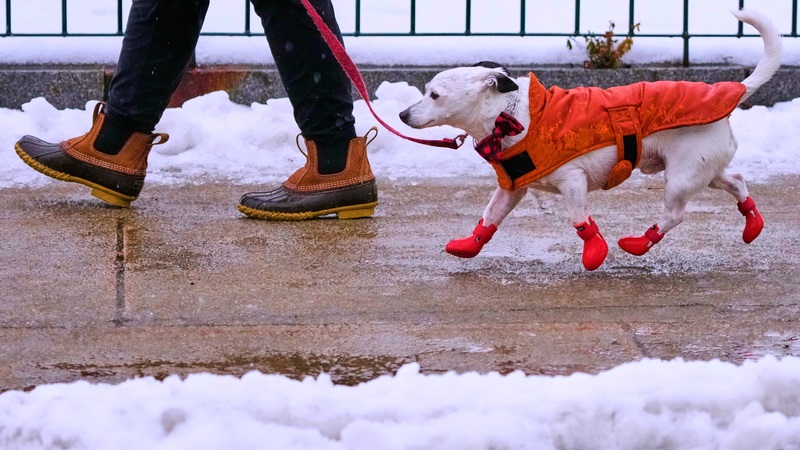
From an EF1 tornado in Illinois to 6-meter waves on Lake Superior, see the full impact of the massive winter storm system sweeping the United States.
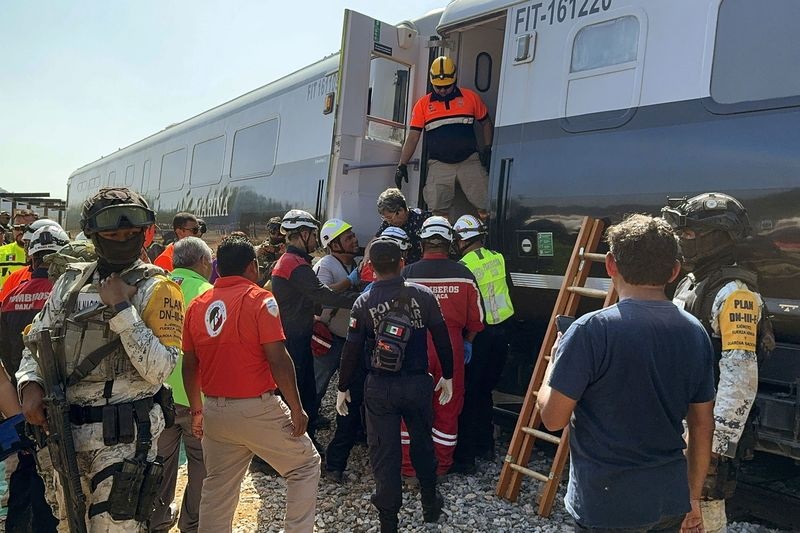
A tragic train derailment in Oaxaca, Mexico has left at least 13 dead and nearly 100 injured. The Navy-managed Interoceanic Train links the Pacific and Gulf coasts.
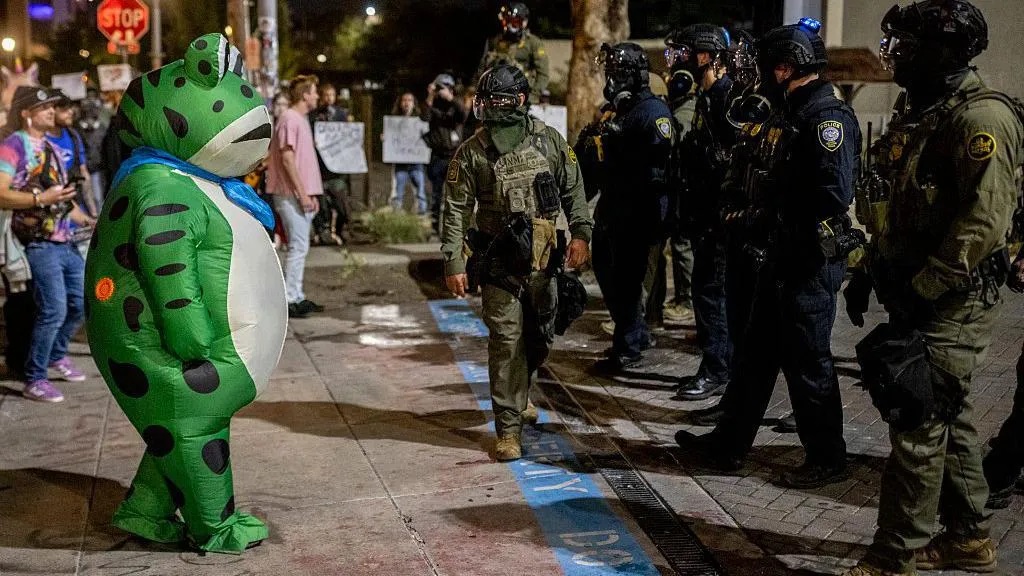
Protesters in Portland and beyond are using “tactical frivolity,” including inflatable frog costumes, to counter the Trump administration’s “war zone” rhetoric.