Why Trump is Obsessed with ‘Owning’ Greenland
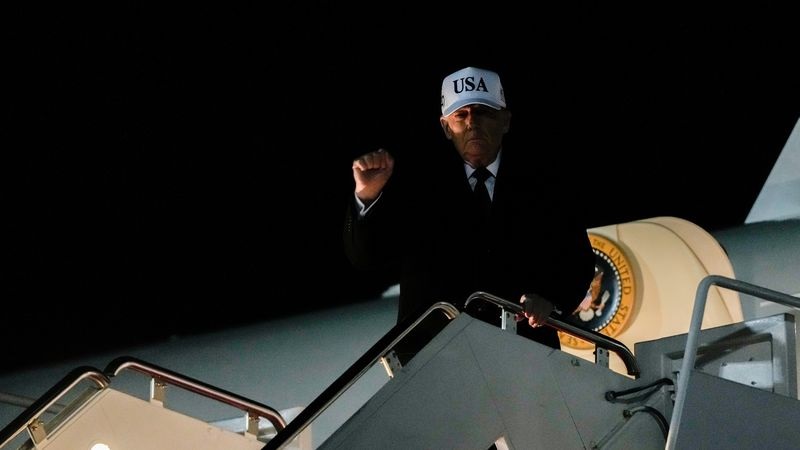
Inside Donald Trump’s “psychological” push for Greenland. From mocking dog sleds to asserting American dominance in the Arctic.






WASHINGTON, D.C. — A deepening boycott by Canadian tourists is costing the United States billions of dollars, according to new data that confirms a sustained and significant decline in cross-border travel.
Statistics Canada data for October shows the number of Canadian trips to the US is continuing to plummet:
The staggering figures mark the tenth consecutive month of decline since President Donald Trump took office earlier this year.
The financial fallout is substantial. The US Travel Association, representing the American travel industry, forecasts that overall international spending in the US will drop by $5.7 billion this year, attributing the decline primarily to the missing Canadian visitors.
Canadians traditionally account for roughly a quarter of all international visitors to the US, spending over $20 billion annually. The current diplomatic chill, largely fueled by President Trump\’s imposition of tariffs on Canadian goods and his provocative comments about making Canada the \”51st state,\” is cited as the main deterrent.
\”There are so many things that we just feel aghast about in terms of how [the administration] is acting internationally,\” said Kristy Gammon, a semi-retired family physician from Nova Scotia who has cancelled her regular US trips in protest. Her experience reflects a wider trend, especially among retirees known as \”snowbirds,\” who are selling Florida homes and staying north.
In response to the economic pain, some popular US tourist destinations are launching desperate campaigns. In Kalispell, Montana, near Glacier National Park, officials are offering a \”Canadian Welcome Pass\” with deals and discounts to entice travelers back, posting the message: \”We miss you.\”
Meanwhile, Canada’s own tourism sector is receiving an unexpected boost, hitting a record-breaking C$59 billion between May and August of 2025, largely due to citizens choosing to travel domestically.
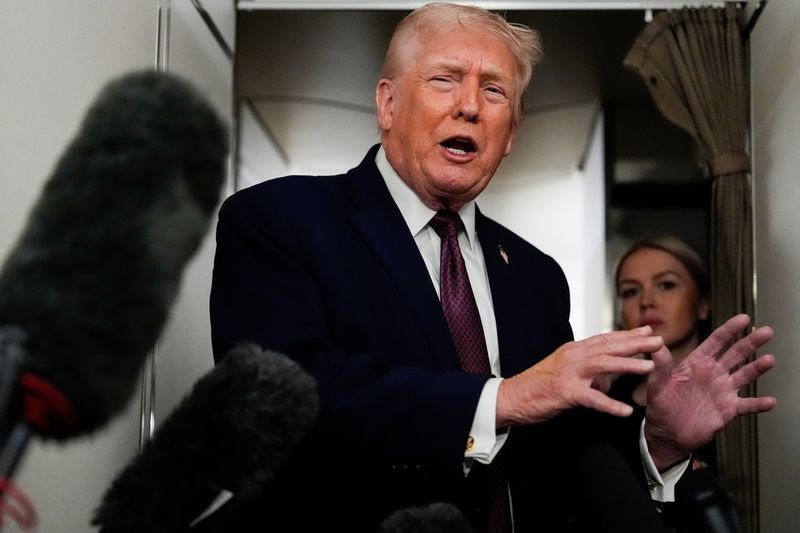
Inside Donald Trump’s “psychological” push for Greenland. From mocking dog sleds to asserting American dominance in the Arctic.
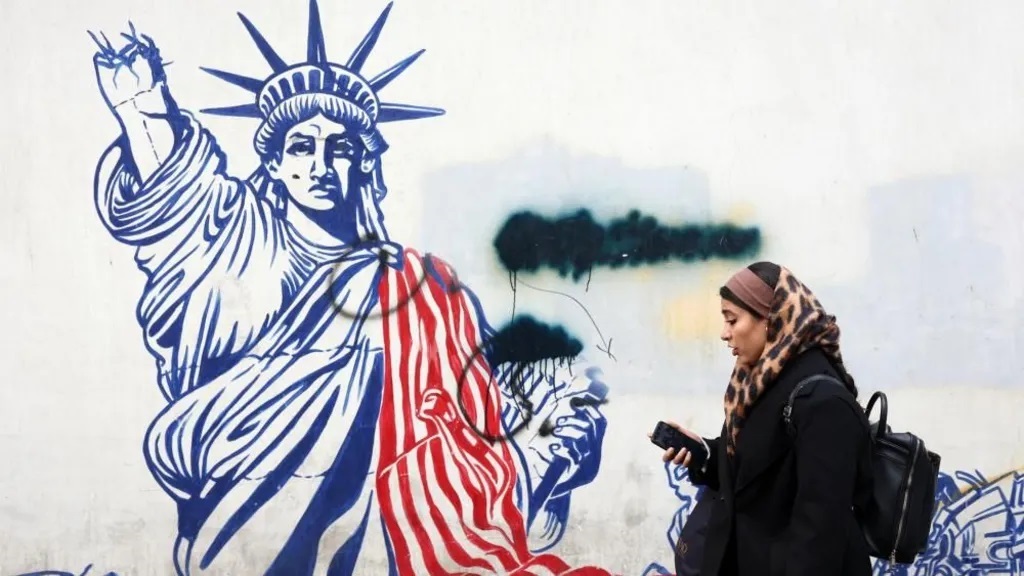
Inside the White House debate: Vice President JD Vance urges diplomacy while exiled leaders call for intervention. Trump weighs his next move in the Iran crisis.

Clay County Sheriff Eddie Scott details the horrific moments of the Cedarbluff shooting. Suspect Daricka Moore faces capital murder charges for the death of 6 relatives.
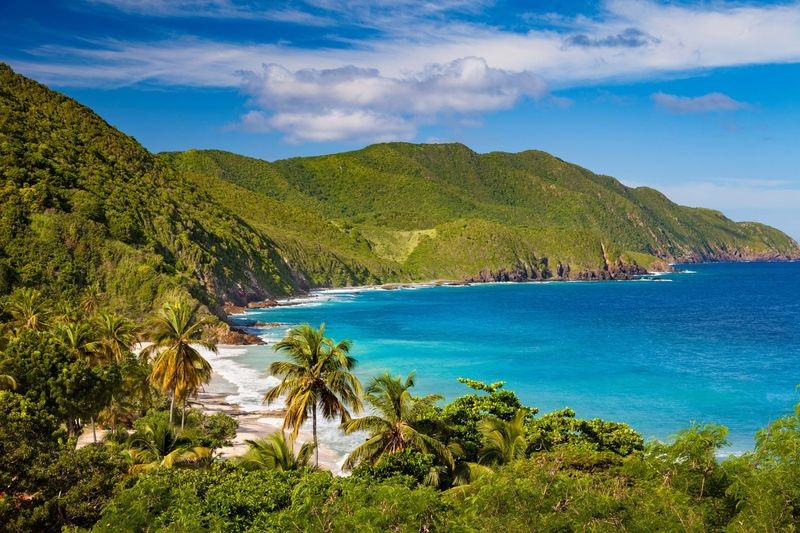
Following a fatal attack in St. Croix, we look at the statistics of shark encounters in the Caribbean and how travelers can stay safe in the water.
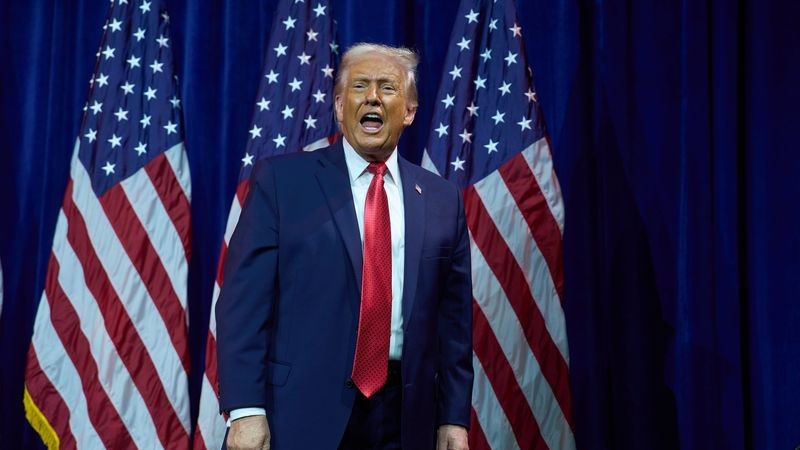
From Venezuela to Greenland: How the capture of Nicolás Maduro signals a more aggressive, expansionist US foreign policy under the Trump administration.
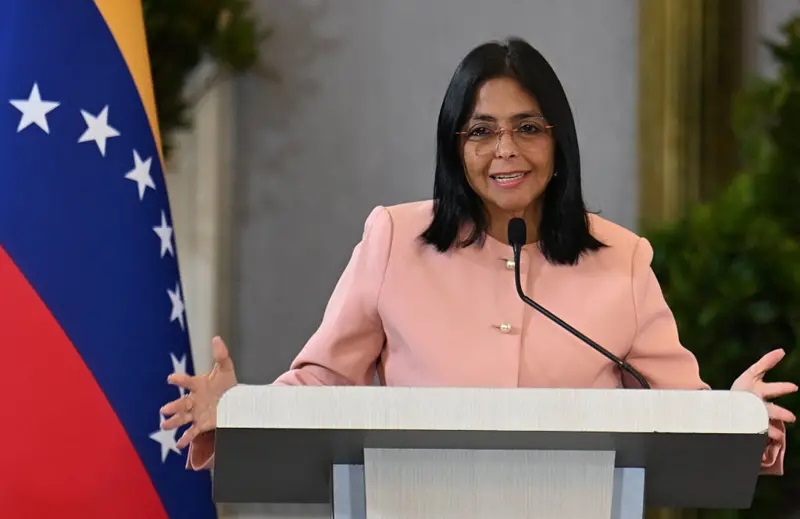
President Trump shakes up the Venezuelan opposition by dismissing Maria Corina Machado’s leadership. Discover the U.S. plan to spend billions on oil.

From an EF1 tornado in Illinois to 6-meter waves on Lake Superior, see the full impact of the massive winter storm system sweeping the United States.
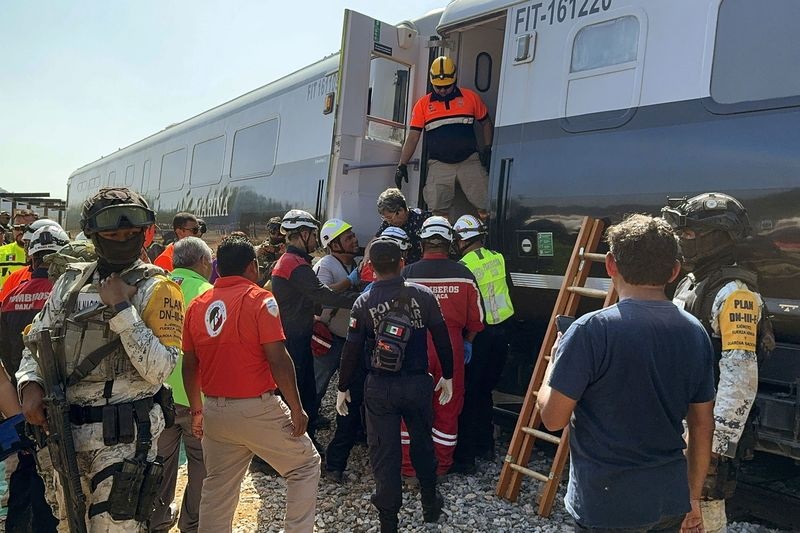
A tragic train derailment in Oaxaca, Mexico has left at least 13 dead and nearly 100 injured. The Navy-managed Interoceanic Train links the Pacific and Gulf coasts.