Why Trump is Obsessed with ‘Owning’ Greenland
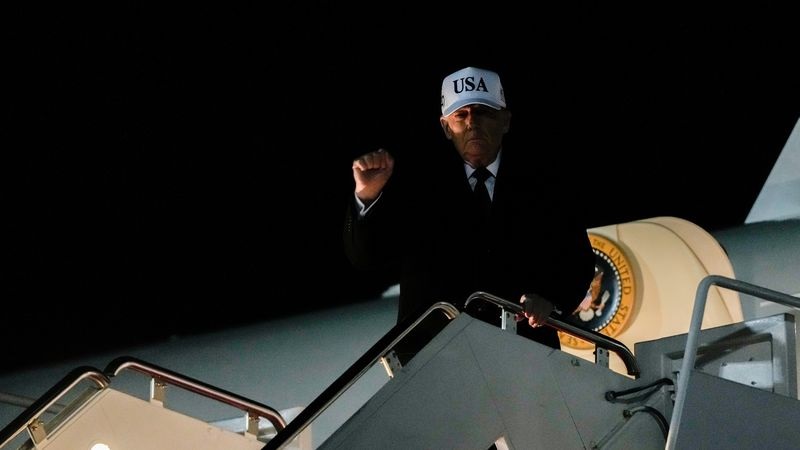
Inside Donald Trump’s “psychological” push for Greenland. From mocking dog sleds to asserting American dominance in the Arctic.





WASHINGTON D.C: Global aviation faced a technical and logistical challenge this weekend after a safety probe traced a recent flight incident to a severe software vulnerability: intense solar radiation capable of corrupting data critical to the A320’s nose angle and flight control systems.
The discovery prompted a mandatory recall by Airbus, affecting thousands of its best-selling single-aisle jets globally, including those flown by major low-cost carriers.
The emergency directive came on Friday, following an investigation into a JetBlue flight from Cancun to Newark on October 30. The aircraft experienced an unintended loss of altitude, injuring 10 passengers and forcing an emergency landing. Investigators determined that the flight control computer’s software was susceptible to interference from solar flares.
The required fix involves reverting the affected jets to a previous, stable software version in the flight control computer before the plane can fly again with passengers. While this process only takes two to three hours per jet, the sheer volume—approximately 6,000 planes—created a massive, immediate headache for the industry.
UK-based aviation consultant John Strickland noted, “Any operational challenges that come at short notice and affecting a large part of your operation is tough to deal with.”
The timing was particularly challenging in the United States, coinciding with the peak post-Thanksgiving holiday travel period.
JetBlue, the carrier involved in the original incident, bore the heaviest public impact, canceling approximately 70 flights scheduled for Sunday.
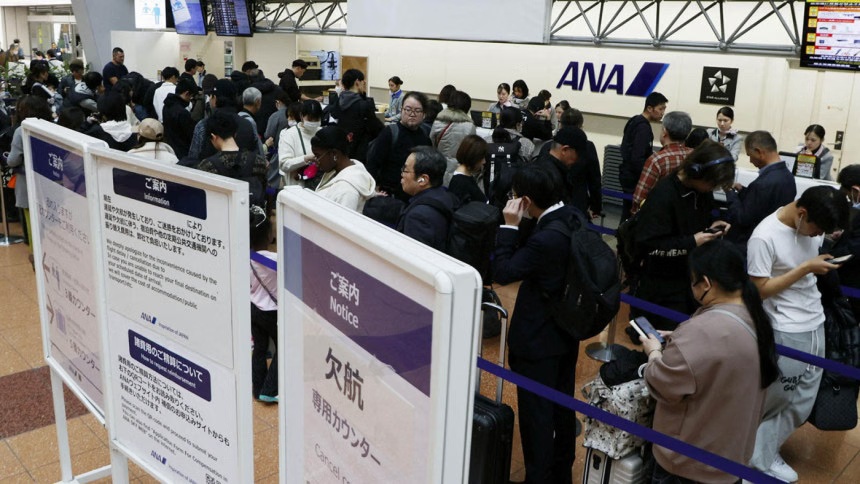
Japan’s ANA Holdings cancelled 95 flights on Saturday, affecting 13,500 travelers.
AirAsia aimed to complete fixes within 48 hours, while Indian carriers IndiGo and Air India were also expected to complete the process quickly.
Despite the disruption, airlines like American Airlines and United Airlines successfully implemented the fixes, helping to cap major delays. Airbus CEO Guillaume Faury posted an apology on LinkedIn, acknowledging the vast impact of the event.

Inside Donald Trump’s “psychological” push for Greenland. From mocking dog sleds to asserting American dominance in the Arctic.

Inside the White House debate: Vice President JD Vance urges diplomacy while exiled leaders call for intervention. Trump weighs his next move in the Iran crisis.
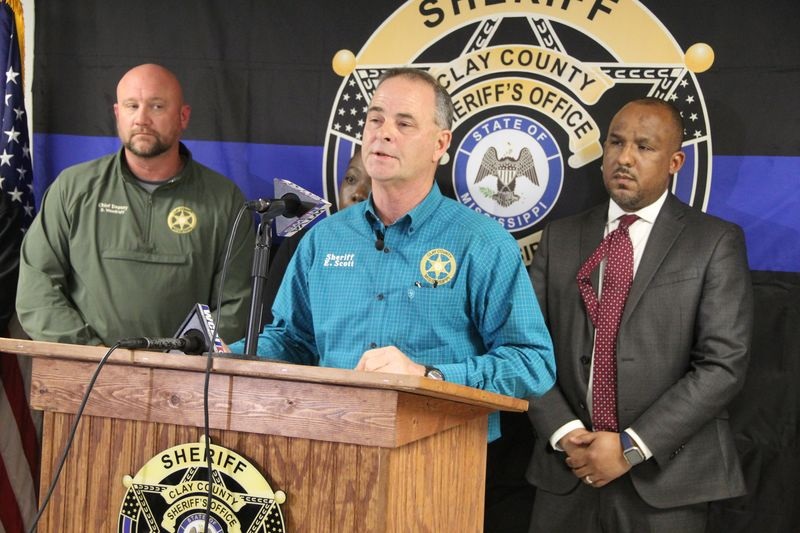
Clay County Sheriff Eddie Scott details the horrific moments of the Cedarbluff shooting. Suspect Daricka Moore faces capital murder charges for the death of 6 relatives.

Following a fatal attack in St. Croix, we look at the statistics of shark encounters in the Caribbean and how travelers can stay safe in the water.

From Venezuela to Greenland: How the capture of Nicolás Maduro signals a more aggressive, expansionist US foreign policy under the Trump administration.
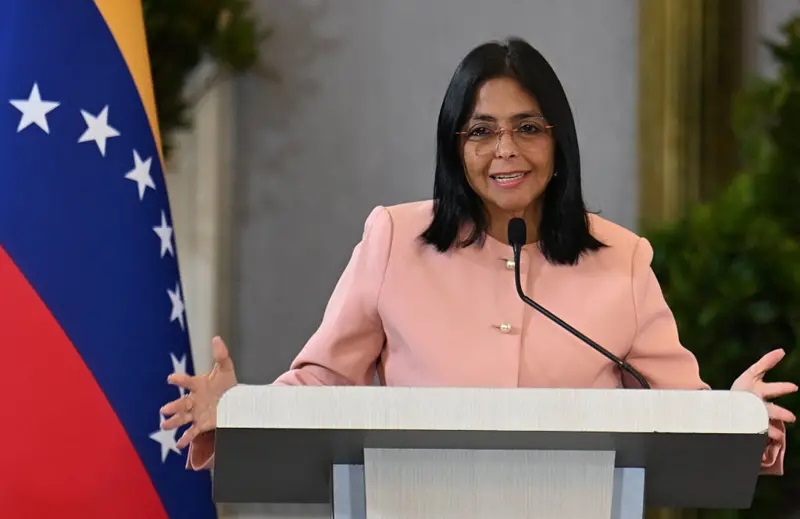
President Trump shakes up the Venezuelan opposition by dismissing Maria Corina Machado’s leadership. Discover the U.S. plan to spend billions on oil.

From an EF1 tornado in Illinois to 6-meter waves on Lake Superior, see the full impact of the massive winter storm system sweeping the United States.
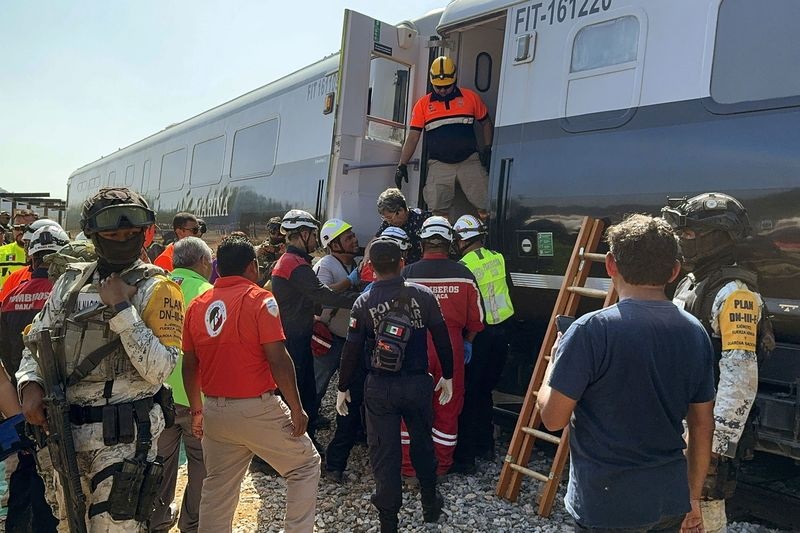
A tragic train derailment in Oaxaca, Mexico has left at least 13 dead and nearly 100 injured. The Navy-managed Interoceanic Train links the Pacific and Gulf coasts.