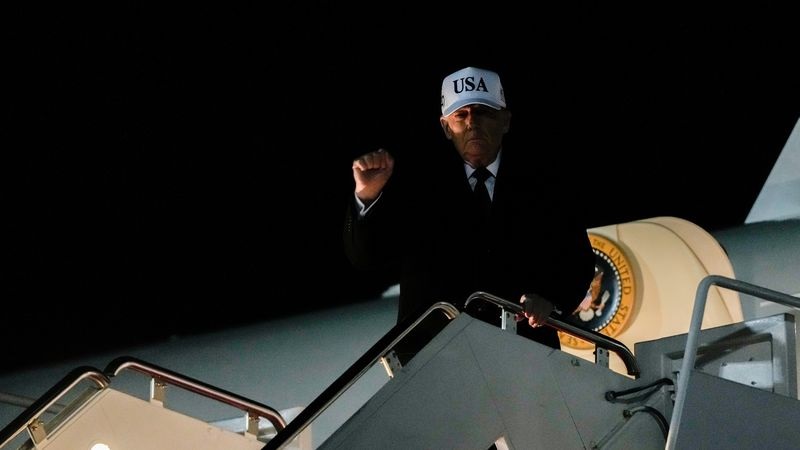
Why Trump is Obsessed with ‘Owning’ Greenland
Inside Donald Trump’s “psychological” push for Greenland. From mocking dog sleds to asserting American dominance in the Arctic.





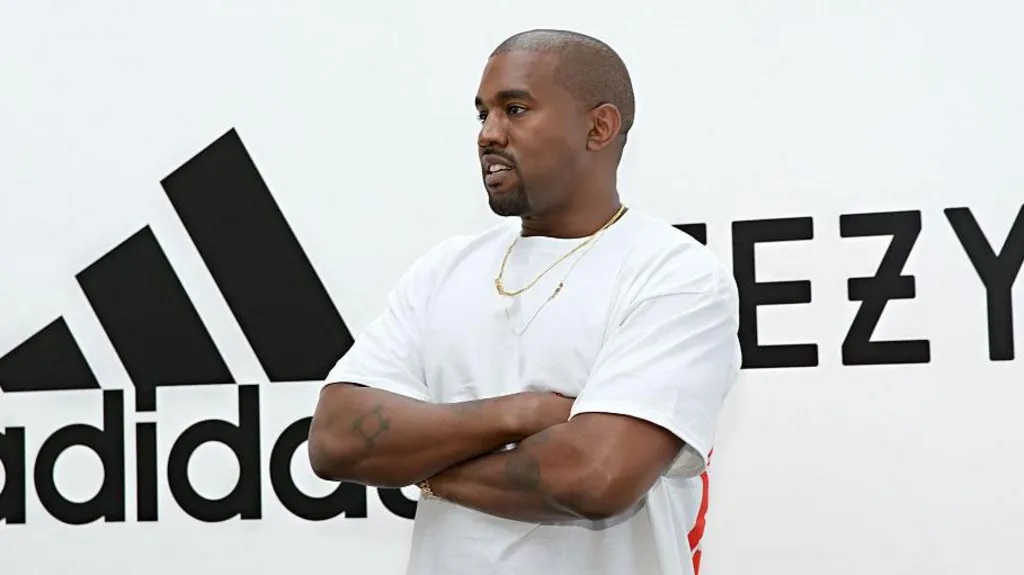
USA: The legal fallout from the dissolution of the Adidas-Kanye West (Ye) partnership has concluded in favour of the sportswear giant. A San Francisco appellate court rejected an attempt by shareholders to hold Adidas financially accountable, underscoring the legal principle that the dangers of celebrity brand associations are an “inherent risk.”
The ruling allows Adidas to avoid liability against investors who claimed they were misled by the company regarding Ye’s escalating volatile conduct, which peaked with a series of antisemitic comments that ultimately forced the partnership’s termination.
The once-unbreakable Yeezy collaboration was a cultural and commercial phenomenon, but the relationship came to a dramatic end in late 2022. Scrutiny mounted after Ye displayed a “White Lives Matter” T-shirt at a Paris fashion show. The final breaking point came shortly after, when the rapper posted anti-Semitic comments and conspiracy theories online.
This behaviour triggered an immediate and decisive corporate response. Adidas pulled all Yeezy products from sale and terminated the contract. This move was part of a broader corporate exodus; several other major partners, including Gap and JP Morgan, also swiftly severed their ties with the controversial entrepreneur.
The lawsuit, represented by HLSA-ILA Funds, alleged that court documents showed Adidas had “internally grappled” with Ye’s controversial behaviour for years, implying a failure to disclose a material risk.
However, by dismissing the appeal, the 9th US Circuit Court confirmed the initial ruling: the risk associated with the celebrity’s behaviour was deemed publicly known and acceptable by any “reasonable investor.” This ruling sets a precedent for how corporations manage and disclose the risks of attaching their brand value to high-profile cultural figures.
Despite the legal victory, the financial damage was steep. The cancellation of Yeezy, which generated close to €1.5 billion in sales annually, left Adidas with vast quantities of unsold stock. The brand has since begun liquidating the inventory, ensuring a portion of the proceeds goes toward philanthropic efforts to combat hate, attempting to recover value while demonstrating social responsibility.
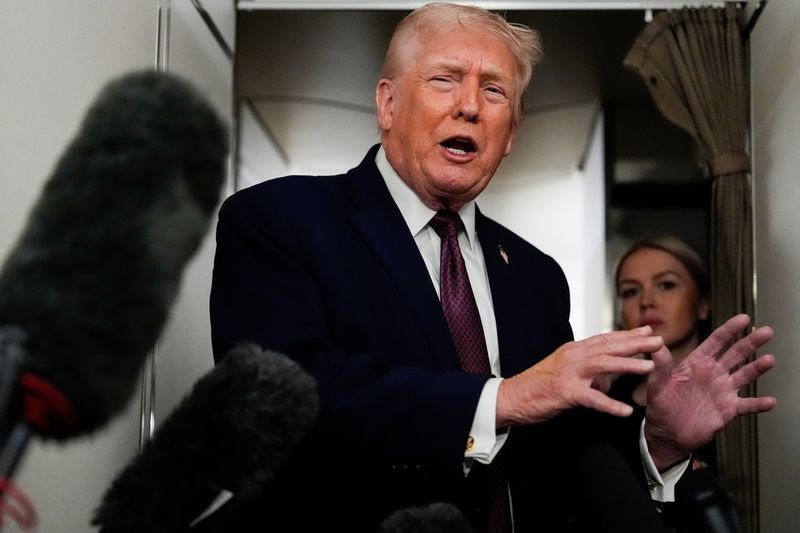
Inside Donald Trump’s “psychological” push for Greenland. From mocking dog sleds to asserting American dominance in the Arctic.
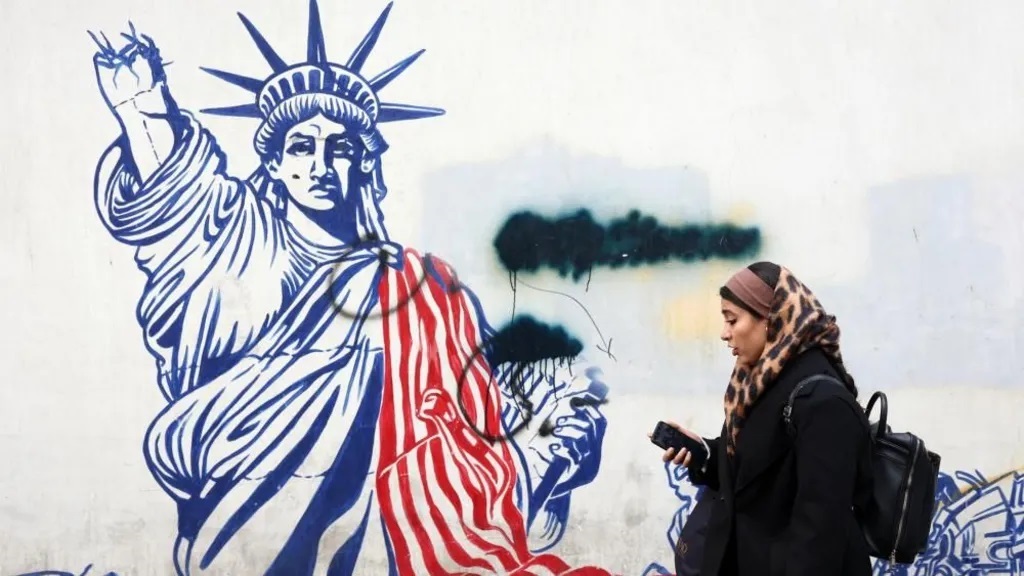
Inside the White House debate: Vice President JD Vance urges diplomacy while exiled leaders call for intervention. Trump weighs his next move in the Iran crisis.

Clay County Sheriff Eddie Scott details the horrific moments of the Cedarbluff shooting. Suspect Daricka Moore faces capital murder charges for the death of 6 relatives.

Following a fatal attack in St. Croix, we look at the statistics of shark encounters in the Caribbean and how travelers can stay safe in the water.
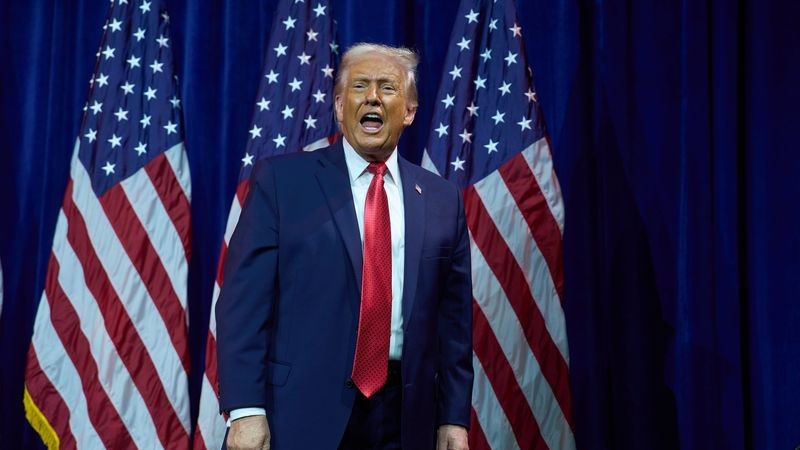
From Venezuela to Greenland: How the capture of Nicolás Maduro signals a more aggressive, expansionist US foreign policy under the Trump administration.

President Trump shakes up the Venezuelan opposition by dismissing Maria Corina Machado’s leadership. Discover the U.S. plan to spend billions on oil.

From an EF1 tornado in Illinois to 6-meter waves on Lake Superior, see the full impact of the massive winter storm system sweeping the United States.

A tragic train derailment in Oaxaca, Mexico has left at least 13 dead and nearly 100 injured. The Navy-managed Interoceanic Train links the Pacific and Gulf coasts.