The Human Faces Behind the Iranian Uprising
Eyewitnesses describe the horror on the streets of Tehran and Shiraz. From “one-sided wars” to empty-handed defiance, read the stories from inside Iran.





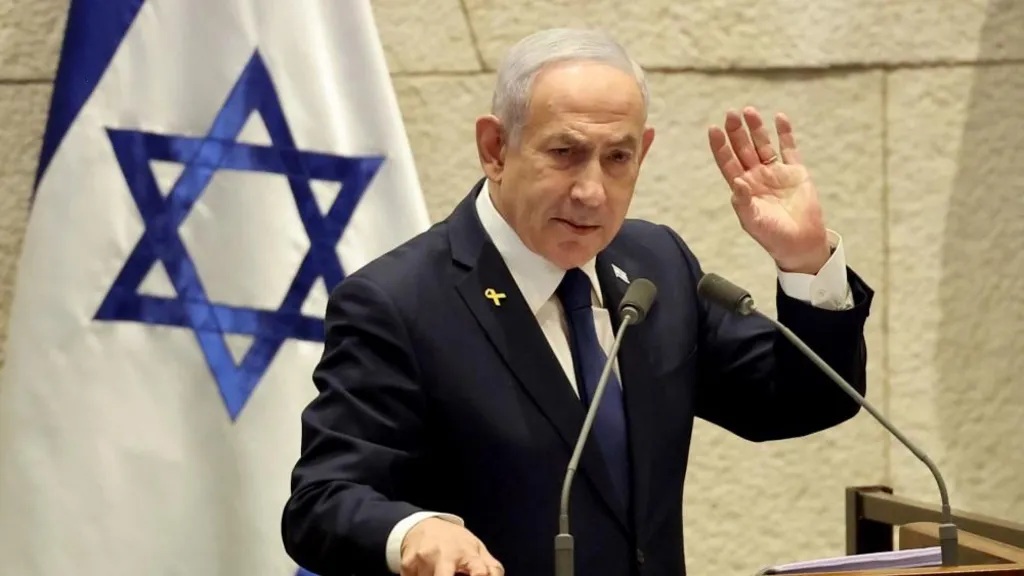
JERUSALEM: Israeli Prime Minister Benjamin Netanyahu has formally sought a presidential pardon to end his long-running corruption trial, framing the move not as an admission of guilt, but as a necessary step to heal a deeply polarized nation.
Netanyahu, who has pleaded not guilty to all charges, has consistently branded the trial as a “witch hunt” orchestrated by political opponents. In a defiant video message on Sunday, he claimed the cases against him were collapsing, but that the legal proceedings were causing irreparable internal damage.
“I am certain, as are many others in the nation, that an immediate end to the trial would greatly help lower the flames and promote broad reconciliation—something our country desperately needs,” the prime minister stated.
A central element of Netanyahu’s appeal is the practical strain the trial puts on his capacity to govern, particularly amid heightened security threats and the most recent Gaza war.
He described the requirement to testify before court three times a week as “an impossible demand” that prevents him from fully concentrating on national issues. He insisted that a pardon would help Israel “fend off threats and seize opportunities” by fostering “national unity.”
President Isaac Herzog confirmed receipt of the submission, noting the “extraordinary” nature of the request. Herzog’s decision will follow consultations with justice officials, as the request carries significant legal and political weight, especially since Netanyahu has not been convicted and maintains his innocence.
The Prime Minister’s request has the full backing of his right-wing Likud party and his supporters, who view the pardon as a necessary political intervention. However, the move is fiercely opposed by the opposition, who argue that a pardon without an admission of guilt would fatally undermine the principle that no citizen, not even a prime minister, is above the law.
Netanyahu’s legal battles began in 2020, making him the first serving prime minister in Israeli history to stand trial on charges including receiving gifts (Case 1), offering regulatory favors for positive media coverage (Case 2), and promoting decisions for a telecommunications mogul in exchange for positive news website coverage (Case 3).
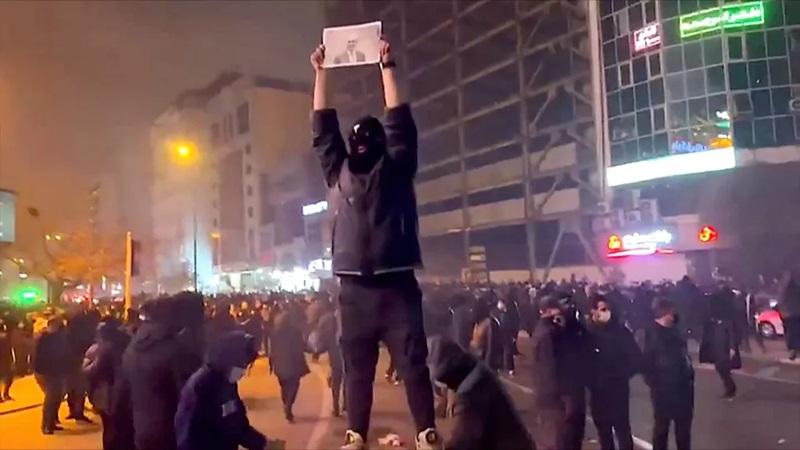
Eyewitnesses describe the horror on the streets of Tehran and Shiraz. From “one-sided wars” to empty-handed defiance, read the stories from inside Iran.
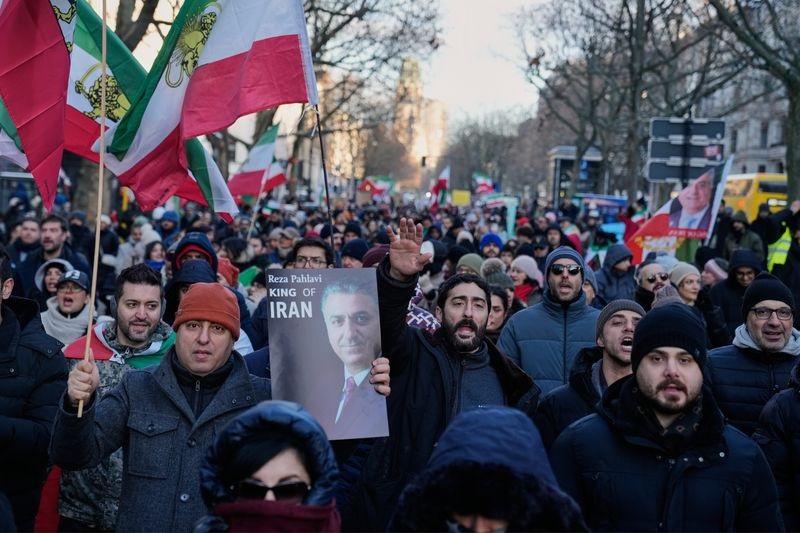
As Iran cuts off all international phone lines and internet, concerns grow over a “bloody crackdown.” US President Trump and global leaders respond to the crisis.
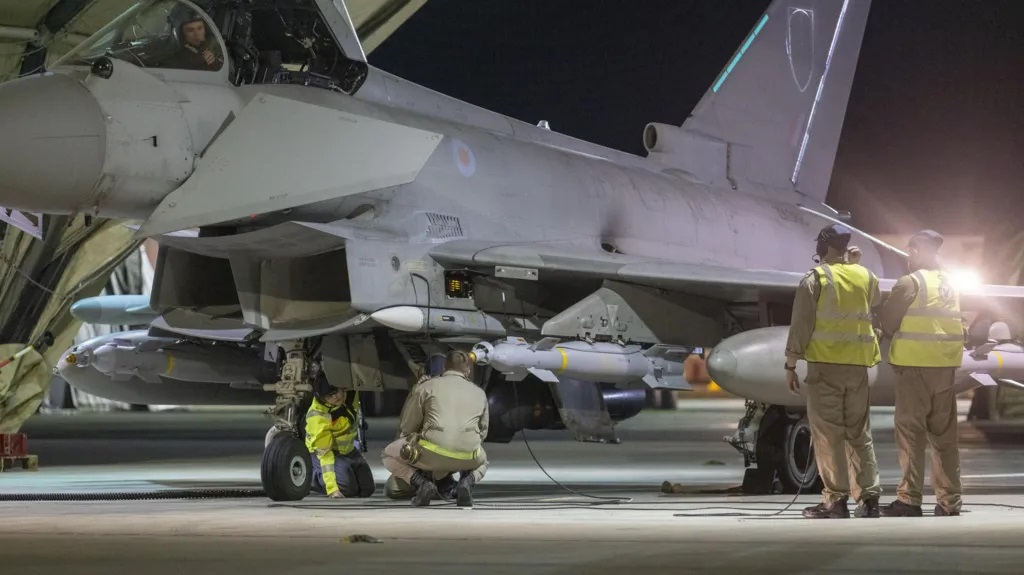
With Syria now a formal member of the Global Coalition under President Ahmed al-Sharaa, joint RAF-French strikes highlight a new level of security cooperation.
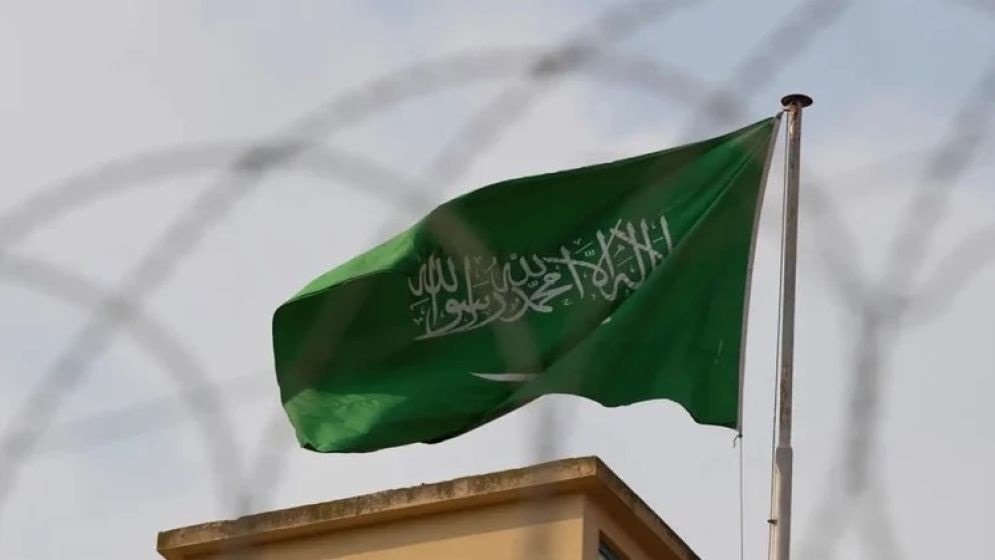
As Saudi Arabia prepares for the 2034 World Cup, a record 356 executions in 2025 highlights the clash between its modern image and its use of the death penalty.

Ailing Supreme Leader Ayatollah Khamenei faces a failing strategy as proxies weaken and Israel lobbies the US for military action against Tehran.
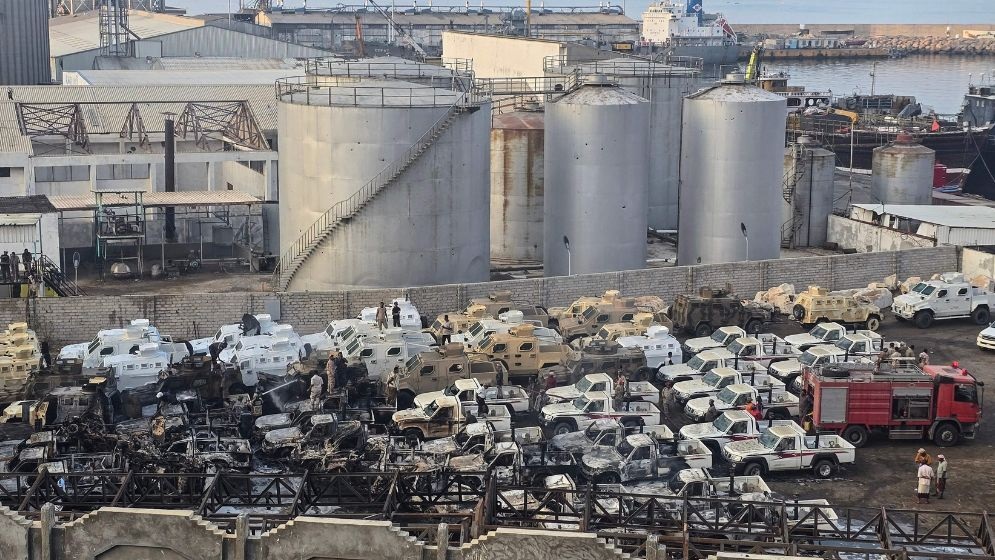
The STC rejects Saudi calls to withdraw from seized territories in Yemen as the UAE pulls its forces. Tensions peak after Saudi strikes on alleged weapons.
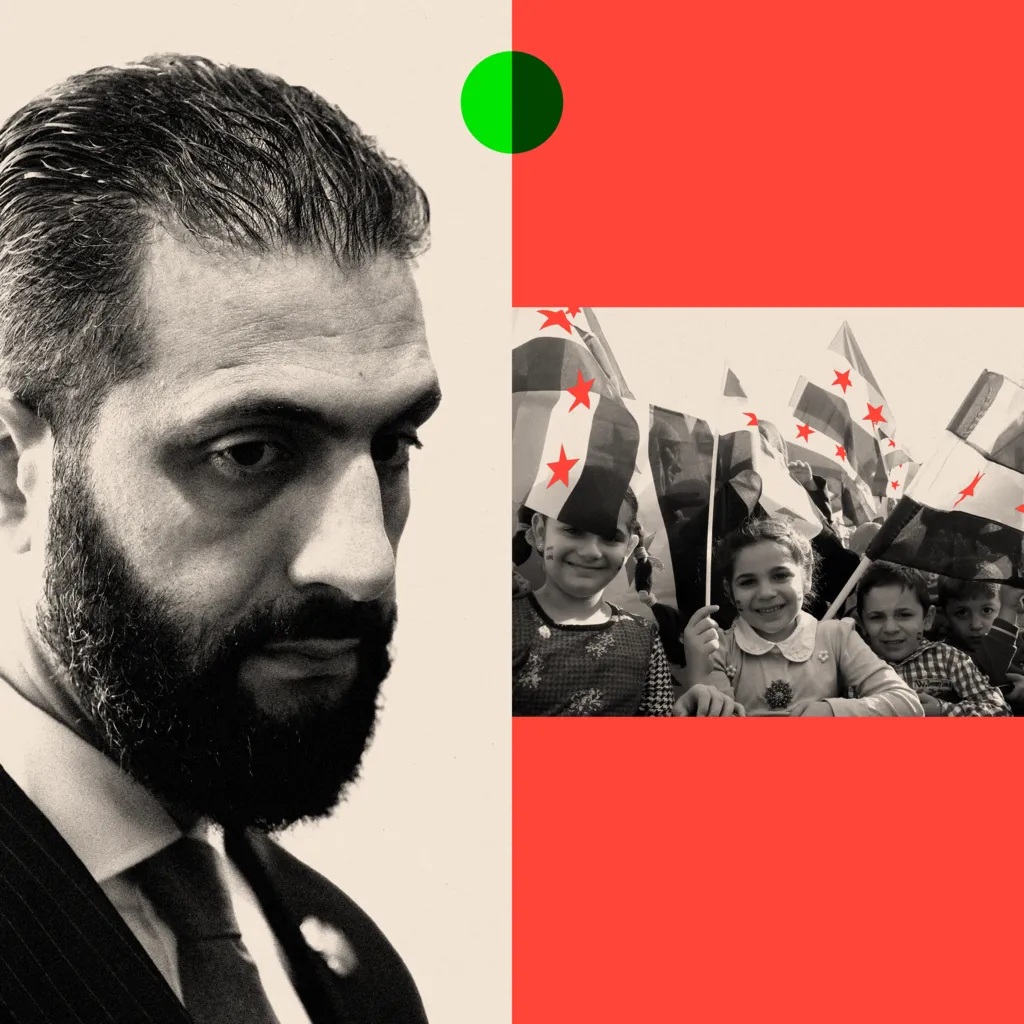
One year after the fall of Bashar al-Assad, Syria’s new leader Ahmed al-Sharaa (Abu Mohammed al-Jolani) seeks Western legitimacy despite his jihadist past, facing ideological and territorial challenges.
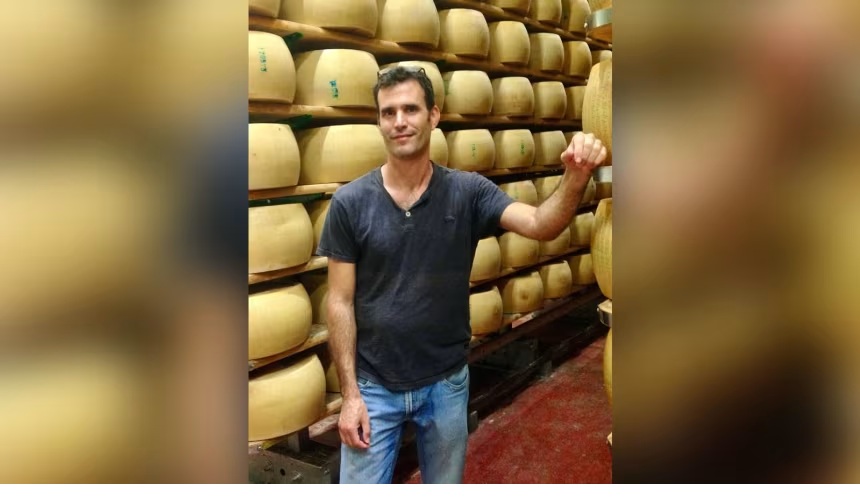
Israel identified the remains of Dror Or, 48, murdered at Kibbutz Be’eri on Oct 7. His remains were returned from Gaza, providing closure after his wife was also killed and his two children were taken hostage but later released