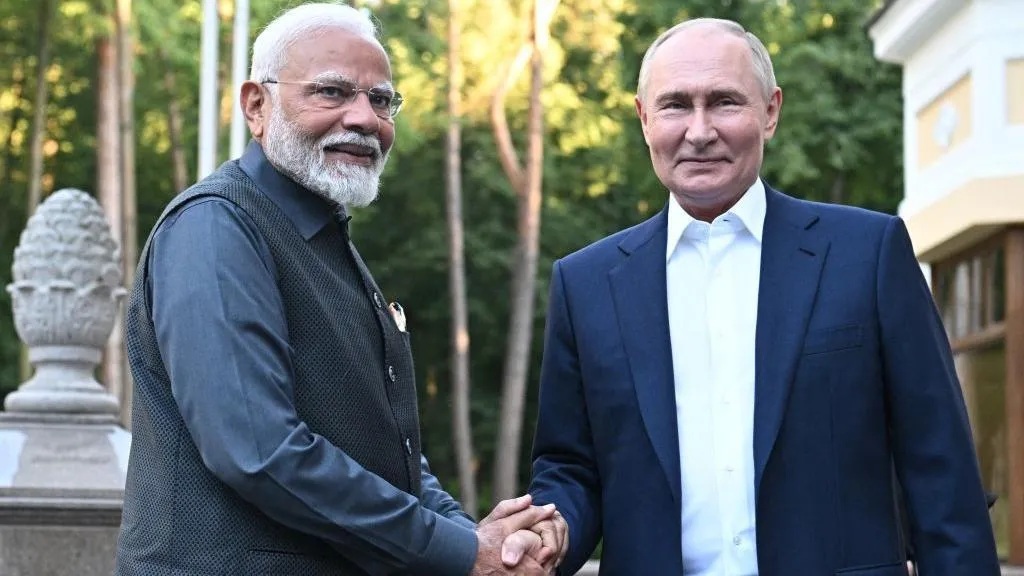
DELHI: Prime Minister Narendra Modi faces a pivotal moment in India’s foreign policy as he hosts Russian President Vladimir Putin. The visit is a crucial test of India’s “strategic autonomy”—the policy of maintaining strong ties with Moscow, inherited from the Soviet era, while simultaneously developing strategic relationships with Western powers.
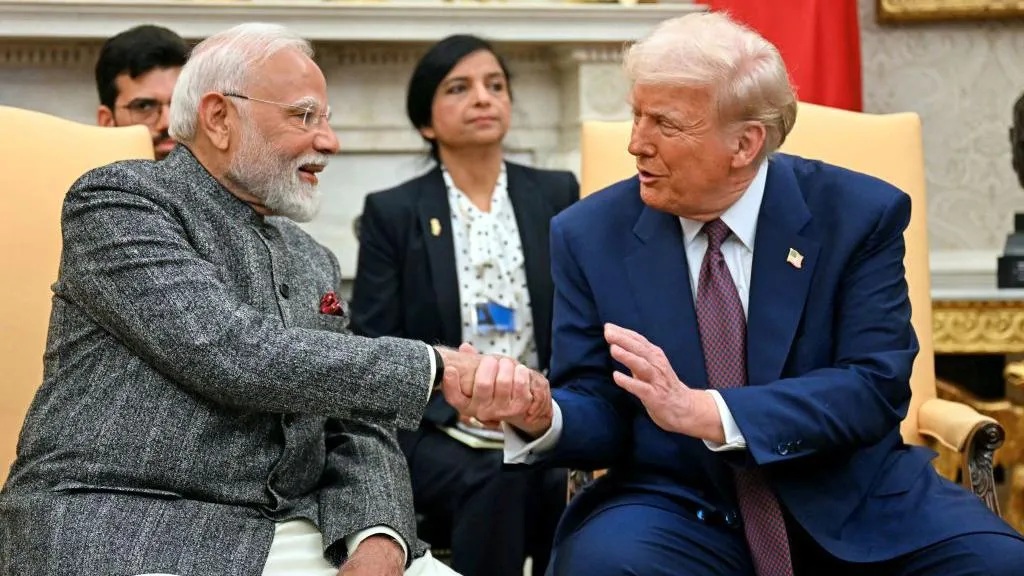
This balance has become precarious since President Donald Trump returned to the White House, with India-US ties hitting an “all-time low” due to an unresolved tariff dispute stemming from India’s purchase of discounted Russian oil.
Modi would ideally like to project strength by showing the world he still counts Putin as an ally, resisting pressure from Washington. Yet, he must also manage frustration from European allies; just this week, top European ambassadors published a rare joint article criticizing Russia’s stance on Ukraine.
The Global Trade Research Initiative (GTRI), a Delhi-based think-tank, summarized Modi’s challenge: “For India, the challenge is strategic balance – protecting autonomy while navigating pressure from Washington and dependence on Moscow.”
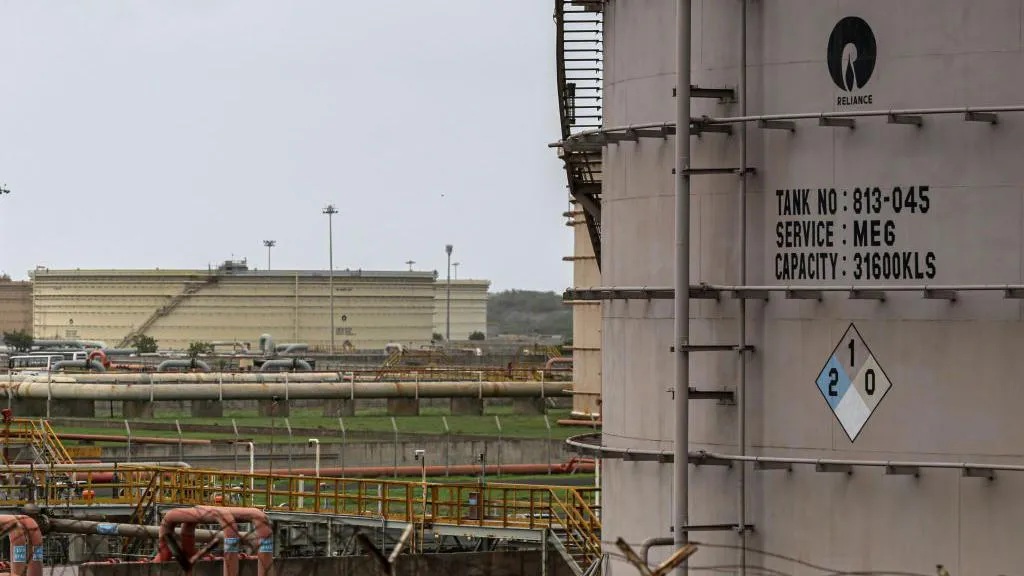
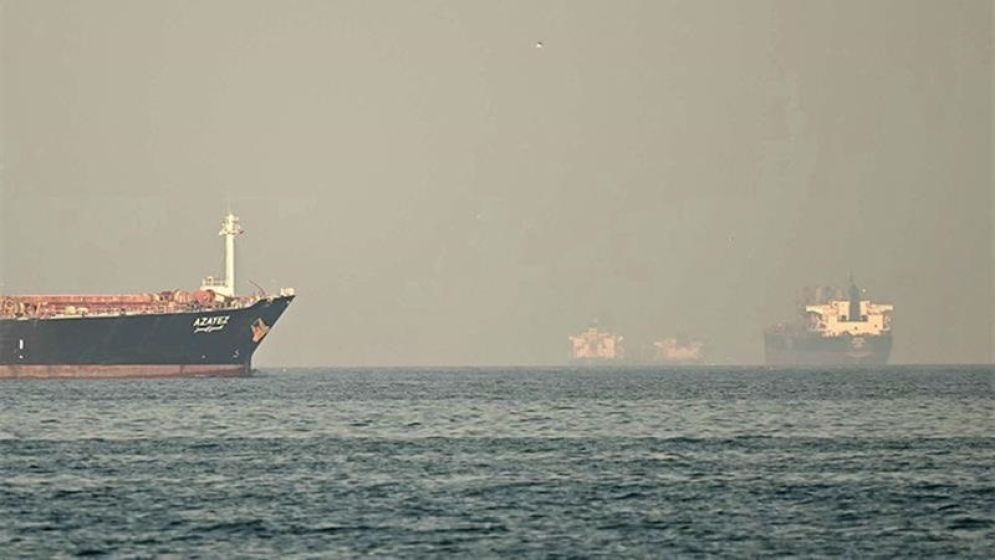
Modi’s other key priority is correcting the heavily skewed bilateral trade relationship. While India-Russia trade soared to $68.72 billion by March 2025 (up from $8.1 billion in 2020), this growth is almost entirely due to India’s massive increase in Russian oil imports, creating a severe imbalance favoring Moscow.
With Indian firms already reducing oil purchases to avoid US sanctions, Modi is keen to boost exports in other sectors to Russia. Currently, Indian goods like smartphones, shrimp, and garments have severely limited penetration into the Russian retail market.
Defence remains the most immediate priority. While India has successfully diversified its arms portfolio, Russian platforms like the Sukhoi-30 jets and the S-400 air defence systems remain indispensable, as demonstrated during recent tensions with Pakistan.
India reportedly seeks to purchase the upgraded S-500 systems and the Su-57 fifth-generation fighter jet to counter regional rivals. However, Russian capacity is strained by the Ukraine war and Western sanctions, leading to reported delays in delivering S-400 units until 2026. Modi will be seeking concrete guarantees from Putin on these delivery timelines.
Ultimately, the goal for Modi is to secure a deal that guarantees critical supplies and strengthens ties with Russia without jeopardizing the long-term goal of deepening relations with the West. GTRI notes, “A modest outcome will secure oil and defence; an ambitious one will reshape regional economics.”