The Human Faces Behind the Iranian Uprising
Eyewitnesses describe the horror on the streets of Tehran and Shiraz. From “one-sided wars” to empty-handed defiance, read the stories from inside Iran.





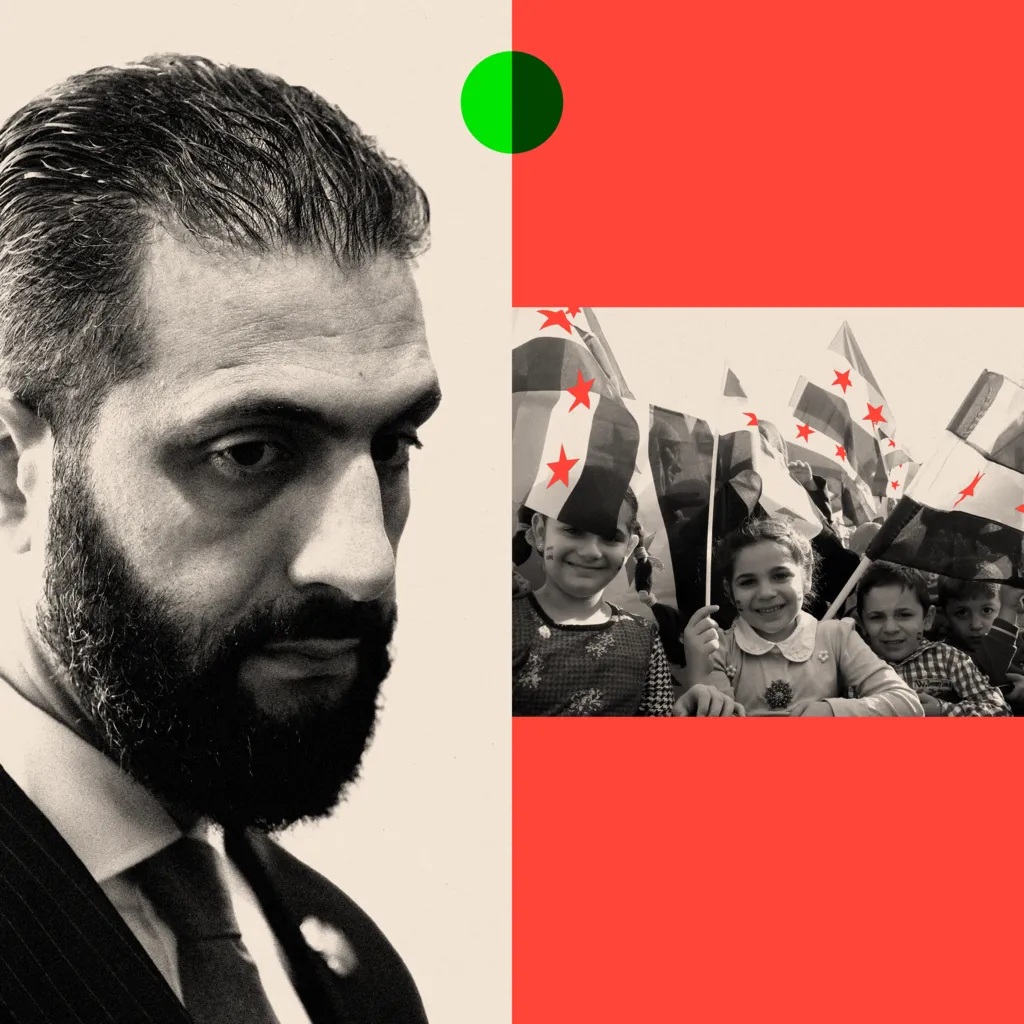
Syria : The end of the 53-year rule of the Assad family came not through years of slow attrition, but in a sudden, three-day offensive that shocked international observers and highlighted the moral decay of the Syrian regime’s military.
Exactly one year ago, forces led by Hayat Tahrir al-Sham (HTS) and its leader Ahmed al-Sharaa (then known as Jolani) broke out of the Idlib province and rapidly stormed towards the capital.
The speed of the HTS takeover was unprecedented. It took the HTS forces just three days to capture Aleppo, Syria’s northern powerhouse. This stands in stark contrast to the period between 2012 and 2016, when the regime’s army, heavily backed by Russian air force and artillery, fought for years to retake control of the city, resulting in large areas being devastated by bombing.
The sudden capitulation stemmed from internal exhaustion and corruption. By late 2024, government troops, composed of both conscripts and loyalists, were “no longer prepared to fight and die for a corrupt and cruel regime that repaid them with poverty and oppression,” the article reports.
The former president, Bashar al-Assad, fled with his family to Russia, marking the end of a long and brutal civil war.
The victorious forces entering Damascus, like many armed groups throughout the conflict, were predominantly Sunni Islamists. Sharaa, their leader, spent years cultivating an image of a statesman who had “outgrown his jihadist roots,” necessitated by Syria’s diverse religious landscape.
Sharaa’s history is complex: a long-time fighter for al-Qaeda in Iraq, a former commander in the group that became Islamic State, he later broke with and fought both groups to consolidate power in Idlib.
Upon taking the presidential palace, Sharaa sought to immediately project an image of stability and normalcy, telling interviewers that his government would rule for all Syrians. Despite his assurances, the transition remains dangerous, with jihadist hardliners branding him a traitor for aligning with Western objectives, and security services remaining vigilant against attacks from the remnants of a weakened Islamic State.
The rapid, unexpected collapse serves as a powerful historical marker of how deeply disillusioned the regime’s loyalists had become, leading to a swift end to one of the 21st century’s most protracted conflicts.
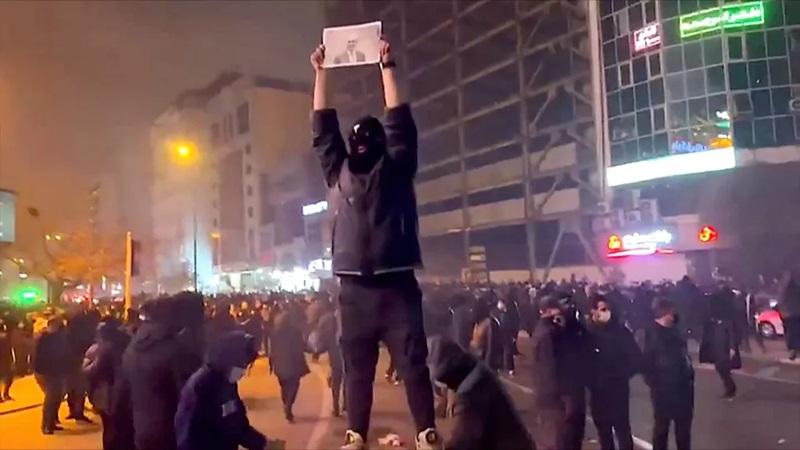
Eyewitnesses describe the horror on the streets of Tehran and Shiraz. From “one-sided wars” to empty-handed defiance, read the stories from inside Iran.
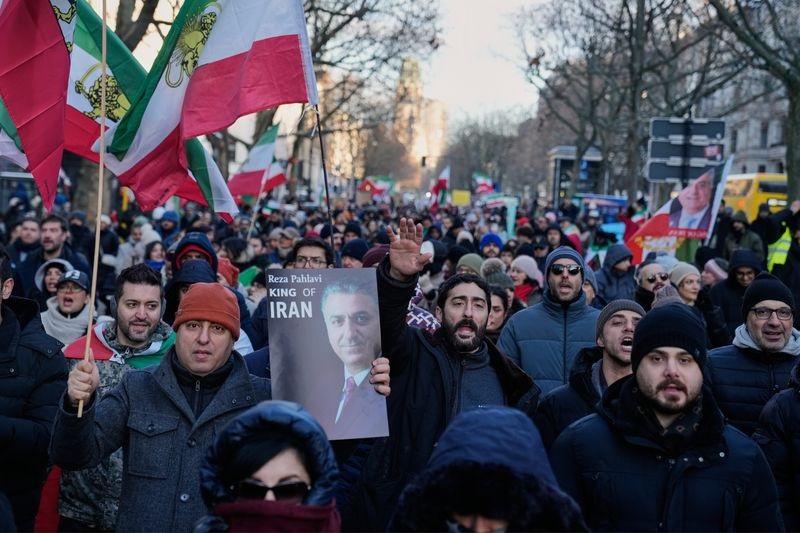
As Iran cuts off all international phone lines and internet, concerns grow over a “bloody crackdown.” US President Trump and global leaders respond to the crisis.
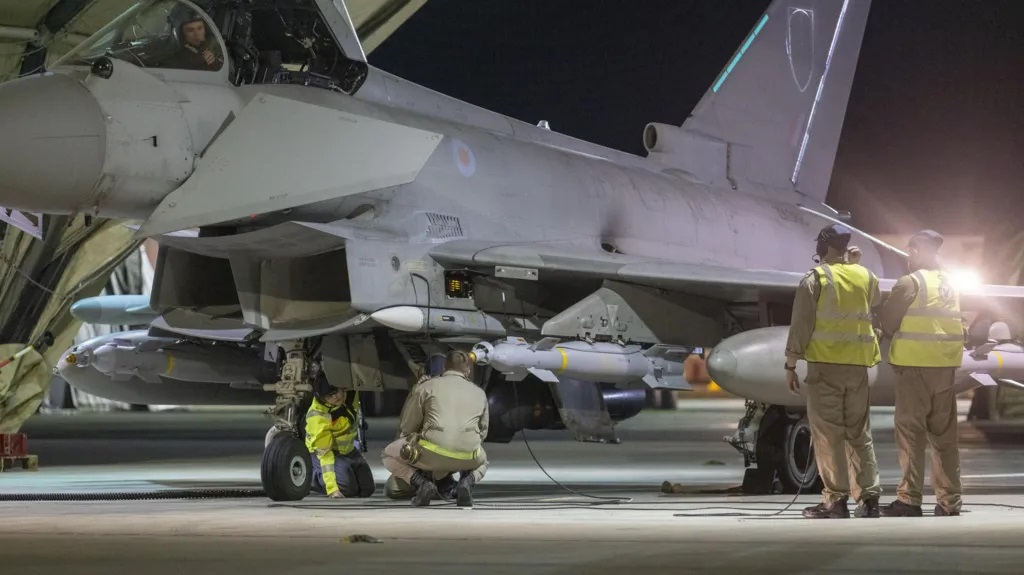
With Syria now a formal member of the Global Coalition under President Ahmed al-Sharaa, joint RAF-French strikes highlight a new level of security cooperation.
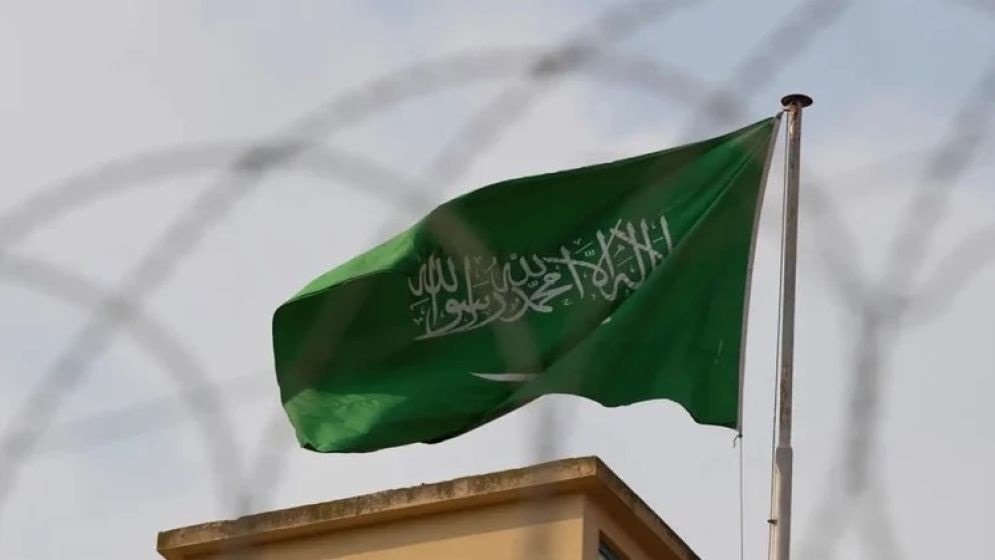
As Saudi Arabia prepares for the 2034 World Cup, a record 356 executions in 2025 highlights the clash between its modern image and its use of the death penalty.

Ailing Supreme Leader Ayatollah Khamenei faces a failing strategy as proxies weaken and Israel lobbies the US for military action against Tehran.
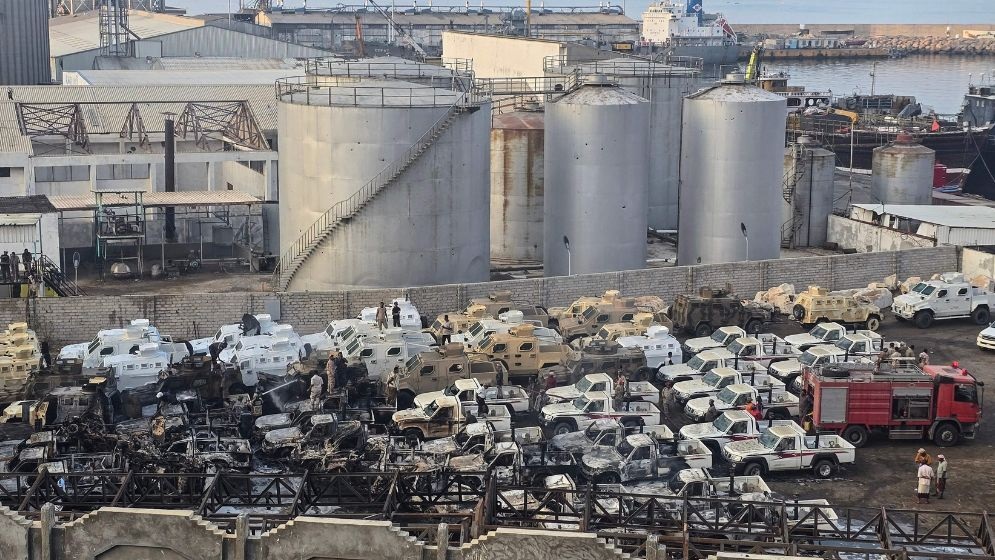
The STC rejects Saudi calls to withdraw from seized territories in Yemen as the UAE pulls its forces. Tensions peak after Saudi strikes on alleged weapons.
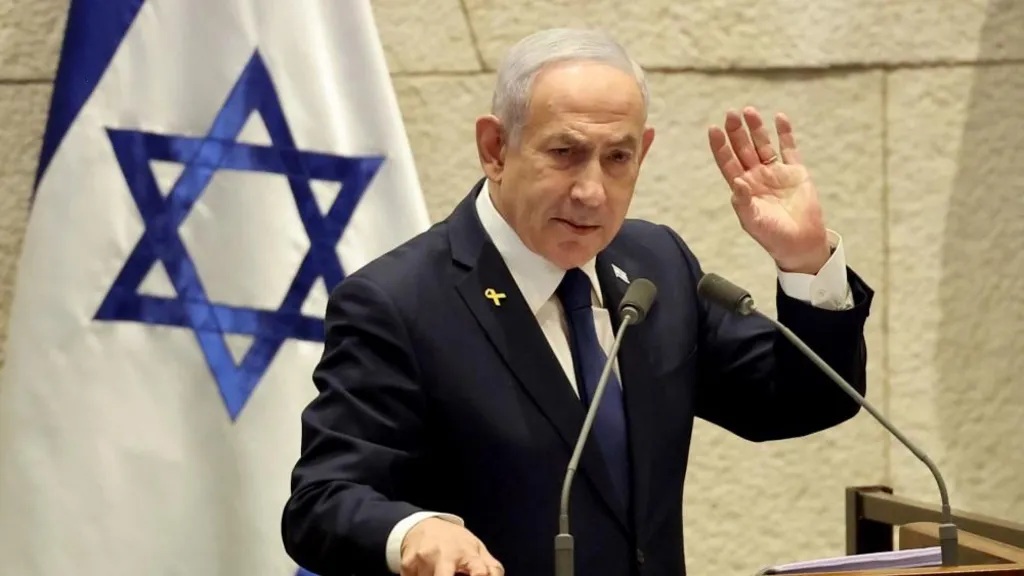
PM Netanyahu requested a pardon from President Herzog for his corruption trial (bribery, fraud) without admitting guilt. The “extraordinary request” tests Israel’s rule of law and sparks political division
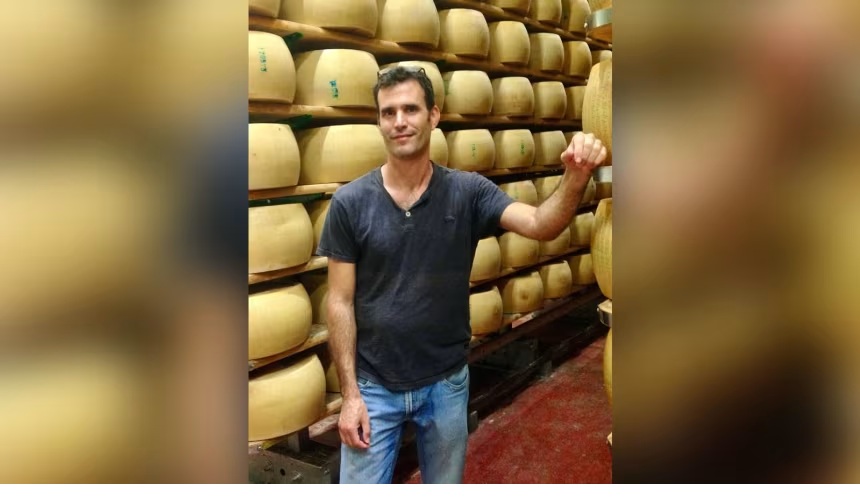
Israel identified the remains of Dror Or, 48, murdered at Kibbutz Be’eri on Oct 7. His remains were returned from Gaza, providing closure after his wife was also killed and his two children were taken hostage but later released