The Human Faces Behind the Iranian Uprising
Eyewitnesses describe the horror on the streets of Tehran and Shiraz. From “one-sided wars” to empty-handed defiance, read the stories from inside Iran.





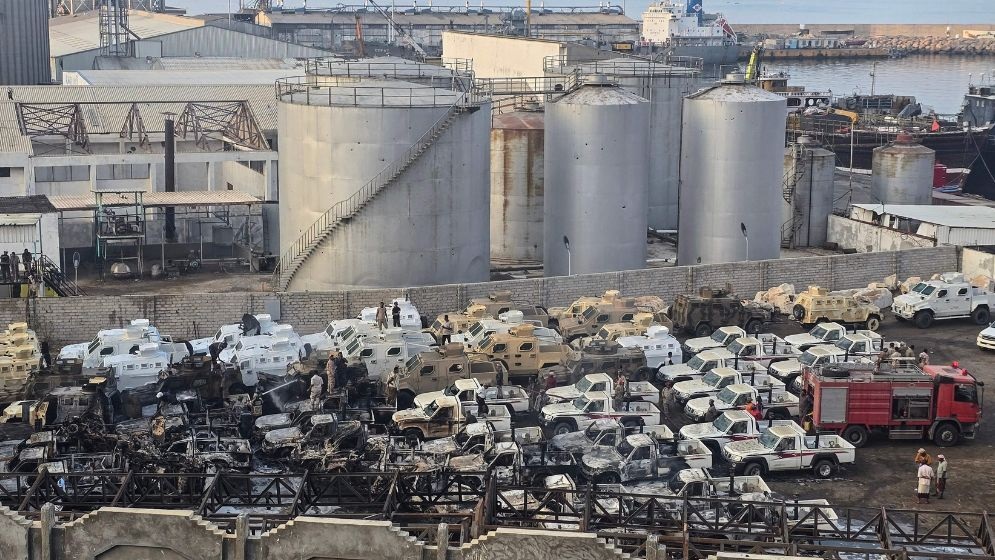
ADEN : The announcement that the United Arab Emirates (UAE) will withdraw its remaining forces from Yemen marks a seismic shift in the regional landscape. What began as a unified “Arab Coalition” to restore the internationally recognized government is now a fractured alliance characterized by conflicting interests and “ultimatums.”
The UAE’s decision to pull its counter-terrorism units followed a reported 24-hour ultimatum from Riyadh. Saudi Arabia has grown increasingly frustrated with the territorial gains made by the Southern Transitional Council (STC)—a separatist group historically backed by Abu Dhabi.
Riyadh now views the STC’s “lightning offensive” as a direct threat to its national security and regional stability. By seizing the PetroMasila oilfields and the city of Seiyun, the separatists have dealt a “hammer-blow” to the Saudi-backed central government.
Experts suggest the rift exposes two fundamentally different visions for Yemen:
Prioritizes a unified Yemen that can act as a buffer against Iran-backed Houthi rebels.
Focuses on counter-terrorism and the potential restoration of South Yemen (a separate state from 1967 to 1990) to secure maritime routes.
The escalating tension between the two heavyweights has stalled peace negotiations with Houthi rebels. With the STC vowing to “stay and reinforce” their land, the spectre of a “war within a war” looms.
While the UAE has reaffirmed its commitment to Saudi sovereignty, its “voluntary” withdrawal—coupled with the STC’s refusal to back down—suggests that Abu Dhabi’s influence in the south will persist through local proxies, even as its formal military presence ends. The coming days will determine if the 20,000 Saudi troops stationed at the border will engage, or if a diplomatic solution can prevent a total collapse of the coalition’s objectives.
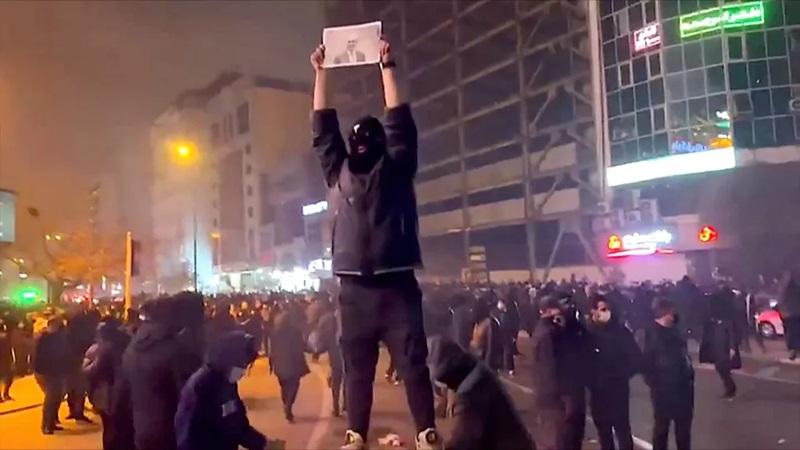
Eyewitnesses describe the horror on the streets of Tehran and Shiraz. From “one-sided wars” to empty-handed defiance, read the stories from inside Iran.
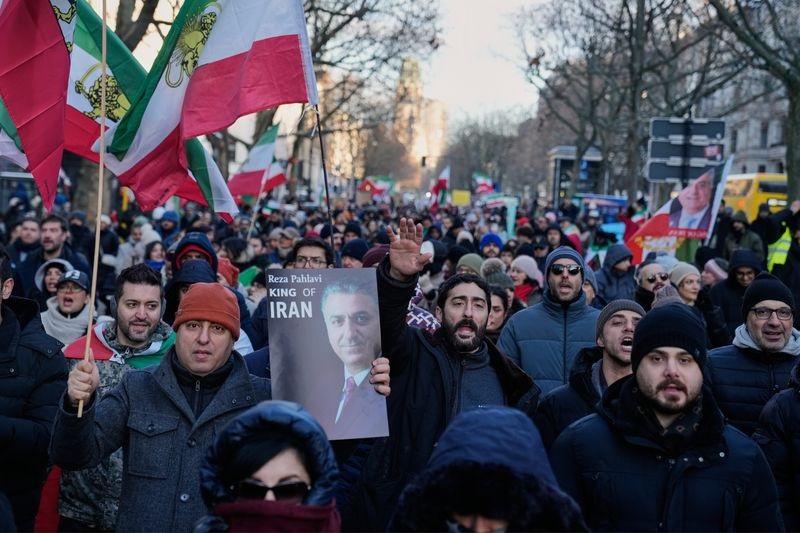
As Iran cuts off all international phone lines and internet, concerns grow over a “bloody crackdown.” US President Trump and global leaders respond to the crisis.
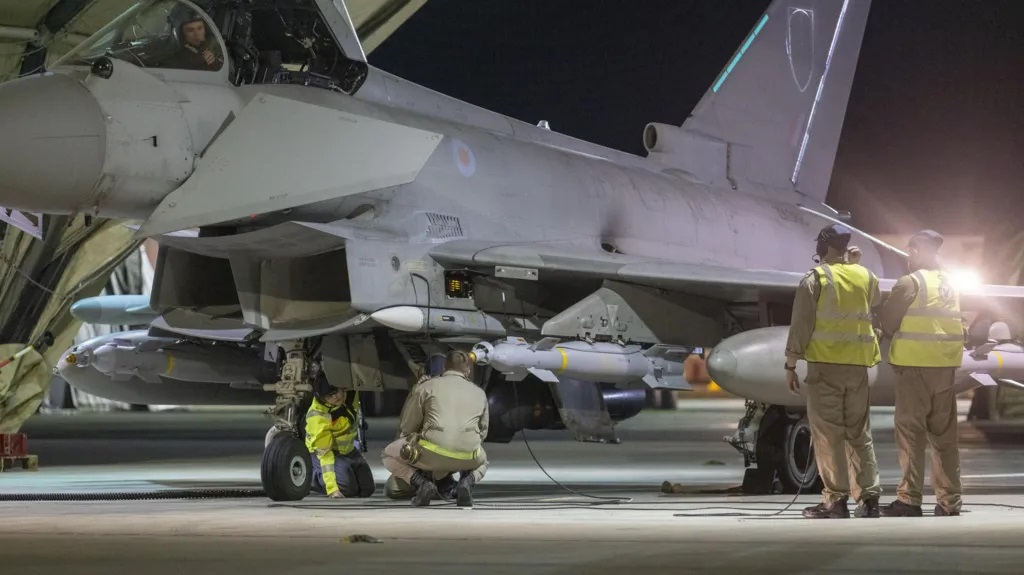
With Syria now a formal member of the Global Coalition under President Ahmed al-Sharaa, joint RAF-French strikes highlight a new level of security cooperation.
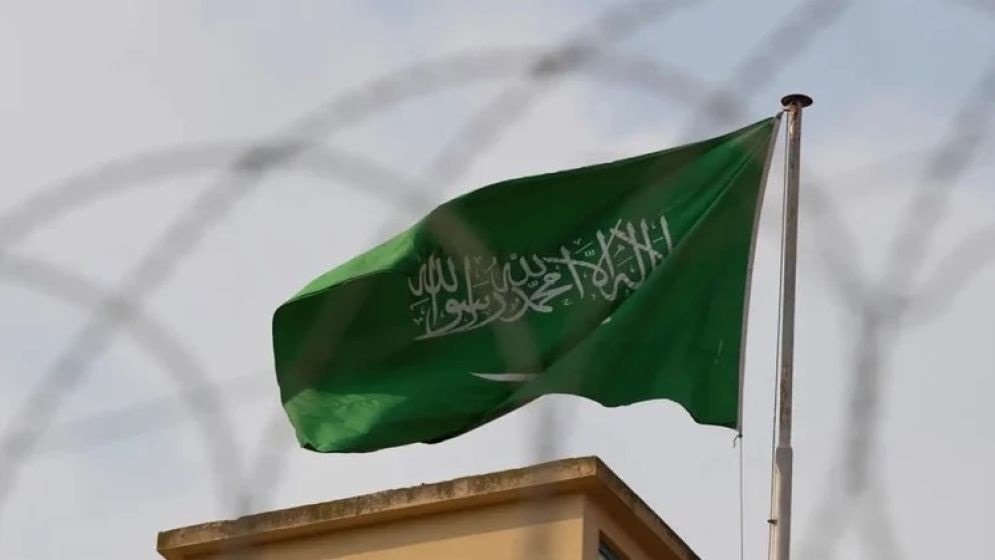
As Saudi Arabia prepares for the 2034 World Cup, a record 356 executions in 2025 highlights the clash between its modern image and its use of the death penalty.

Ailing Supreme Leader Ayatollah Khamenei faces a failing strategy as proxies weaken and Israel lobbies the US for military action against Tehran.
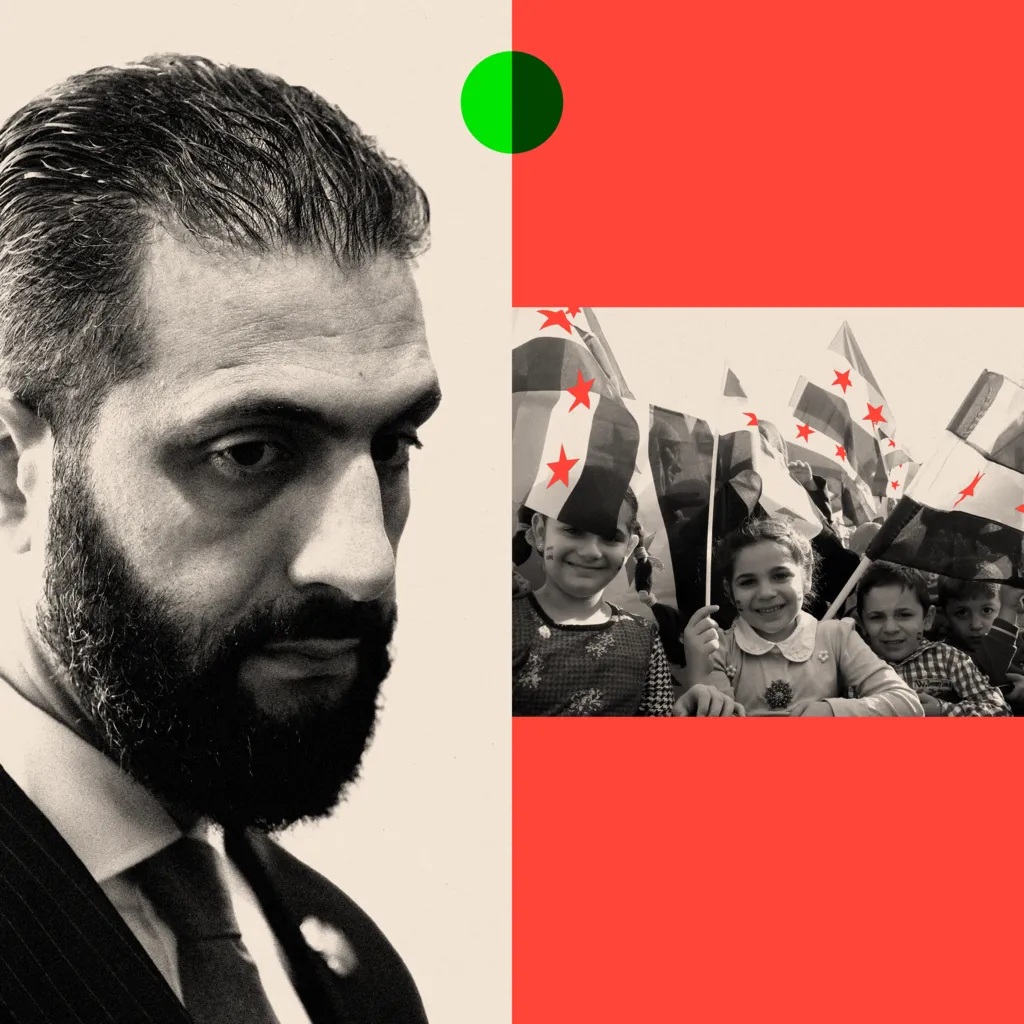
One year after the fall of Bashar al-Assad, Syria’s new leader Ahmed al-Sharaa (Abu Mohammed al-Jolani) seeks Western legitimacy despite his jihadist past, facing ideological and territorial challenges.
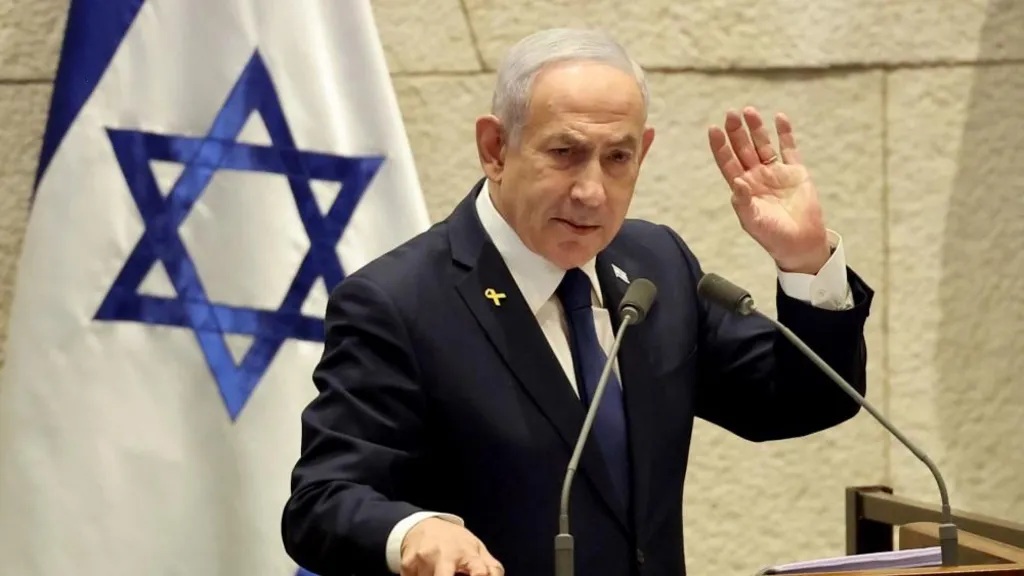
PM Netanyahu requested a pardon from President Herzog for his corruption trial (bribery, fraud) without admitting guilt. The “extraordinary request” tests Israel’s rule of law and sparks political division
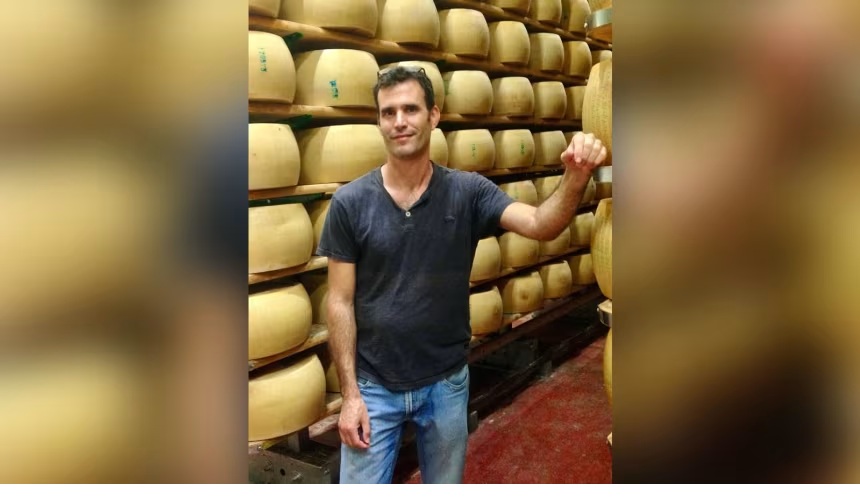
Israel identified the remains of Dror Or, 48, murdered at Kibbutz Be’eri on Oct 7. His remains were returned from Gaza, providing closure after his wife was also killed and his two children were taken hostage but later released