The Human Faces Behind the Iranian Uprising
Eyewitnesses describe the horror on the streets of Tehran and Shiraz. From “one-sided wars” to empty-handed defiance, read the stories from inside Iran.






TEHRAN : At 86 years old, Supreme Leader Ayatollah Ali Khamenei finds himself at the most precarious moment of his 36-year reign. Following a devastating 12-day conflict with Israel in June that saw him reportedly confined to a secure underground bunker, the “Vali-ye Faqih” now presides over a nation whose regional and domestic strategies are rapidly unraveling.

A woman smiles under a colourful tree in the northern city of Rasht, Iran. Many young people are flouting the republic’s strict laws on dress and behaviour.
Observers describe a sense of tactical paralysis in Tehran. With the national currency in freefall and domestic dissent at an all-time high, Khamenei appears to be “sitting out” major decisions. “Right now, whatever decision Khamenei may make will likely feature a significant downside,” Mohammad Ali Shabani, editor of Amwaj.media, told CNN. This cautious waiting game suggests a leadership more concerned with immediate survival than strategic breakthroughs.

People shop in the old main bazaar of the northern city of Rasht, Iran. Many staples are becoming forbiddingly expensive.
For decades, Iran’s regional influence relied on a network of militant proxies. Today, that cornerstone is crumbling:
The overthrow of the Iran-aligned Assad dynasty by Syrian rebels last year stripped Tehran of a critical territorial advantage.
Near-daily Israeli strikes have severely degraded the Revolutionary Guard’s network in Lebanon and beyond.
The June conflict left Iran’s military weakened and its nuclear program heavily damaged, removing much of its leverage in negotiations.

Supporters of the National Council of Resistance of Iran rally outside the White House for regime change on New Year’s Eve in the US.
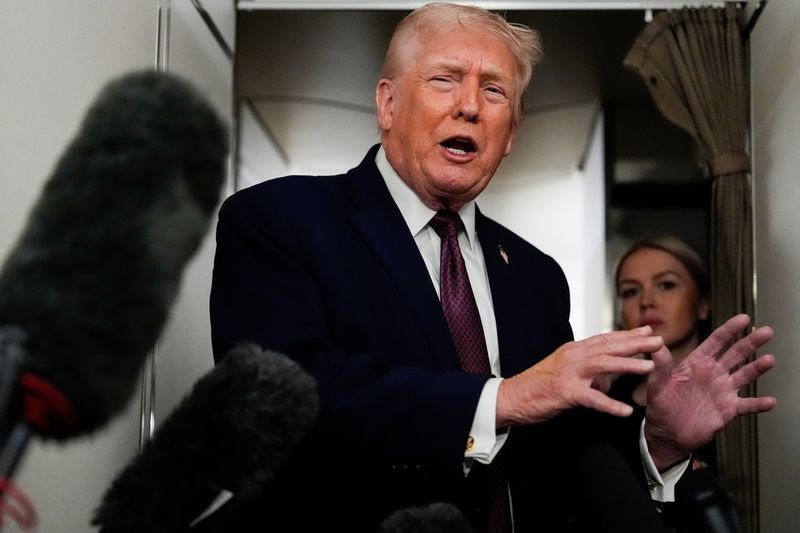
While Iran’s nuclear file was largely sidelined by the Trump administration, Israeli Prime Minister Benjamin Netanyahu is pivoting to a new justification for military action: Iran’s ballistic missile program. During a recent trip to the US, Netanyahu sounded the alarm to President Donald Trump, seeking a more aggressive posture.
Trump’s response has been characteristically blunt: “I hear that Iran is trying to build up again, and if they are, we’re going to have to knock them down.”

Some observers say the rule of Iranian Supreme Leader Ayatollah Ali Khamenei is faltering.
As Khamenei sticks rigidly to an aging playbook—focusing on missile production and refusing Western negotiations—the question of “what comes next” looms large. Potential successors include his son, Mojtaba Khamenei, or Hassan Khomeini, grandson of the 1979 Revolution’s founder. However, with the establishment divided and the population disillusioned, any transition of power will mark the most pivotal and potentially volatile moment in the history of the Islamic Republic.
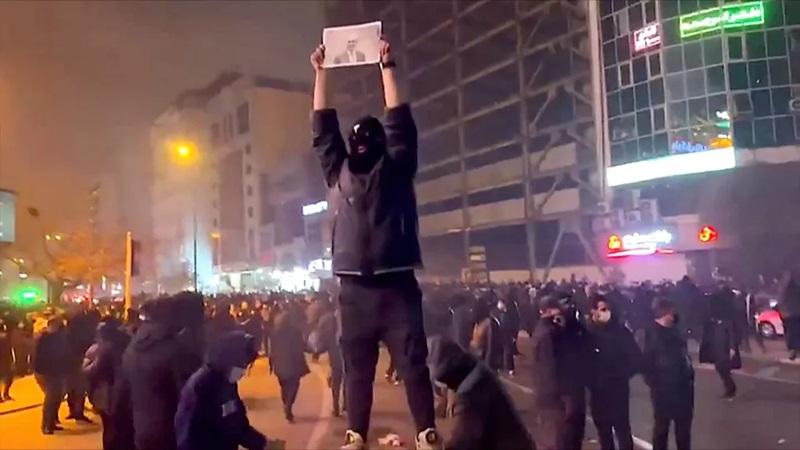
Eyewitnesses describe the horror on the streets of Tehran and Shiraz. From “one-sided wars” to empty-handed defiance, read the stories from inside Iran.
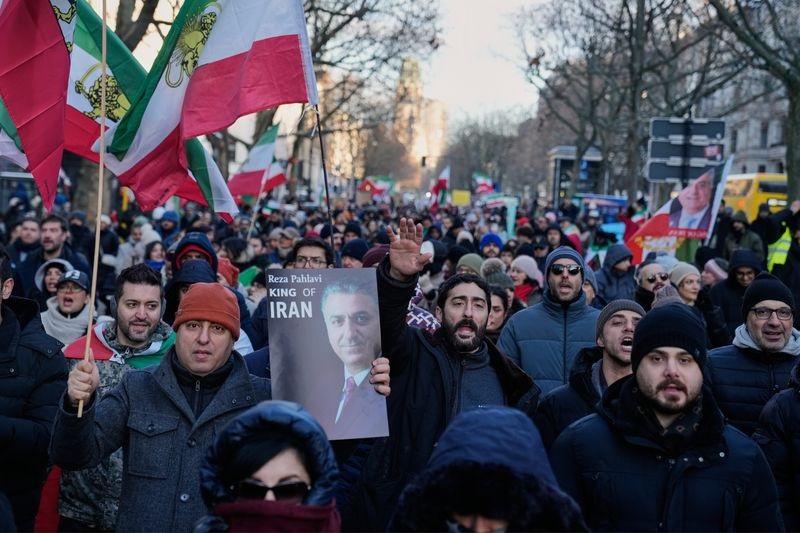
As Iran cuts off all international phone lines and internet, concerns grow over a “bloody crackdown.” US President Trump and global leaders respond to the crisis.
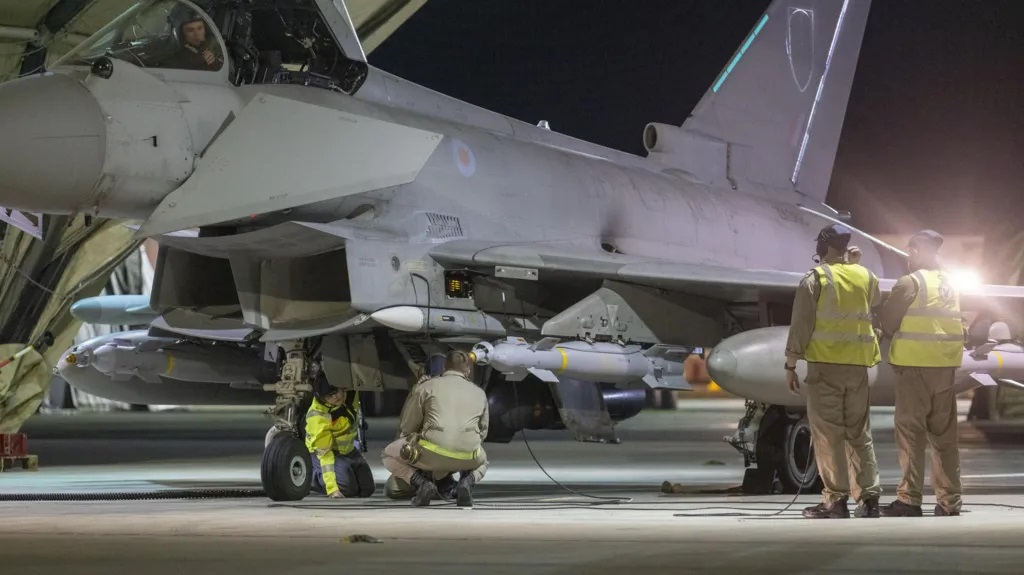
With Syria now a formal member of the Global Coalition under President Ahmed al-Sharaa, joint RAF-French strikes highlight a new level of security cooperation.
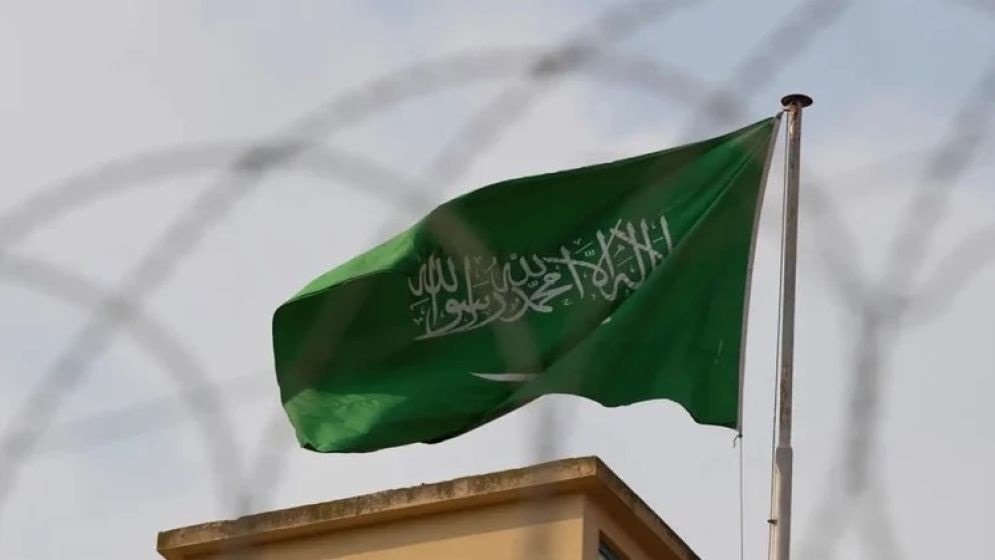
As Saudi Arabia prepares for the 2034 World Cup, a record 356 executions in 2025 highlights the clash between its modern image and its use of the death penalty.
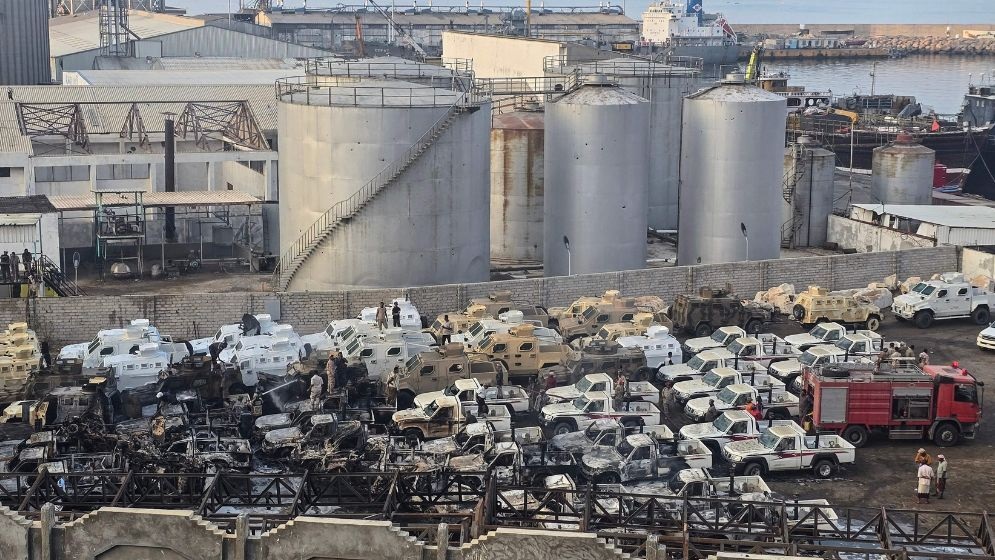
The STC rejects Saudi calls to withdraw from seized territories in Yemen as the UAE pulls its forces. Tensions peak after Saudi strikes on alleged weapons.
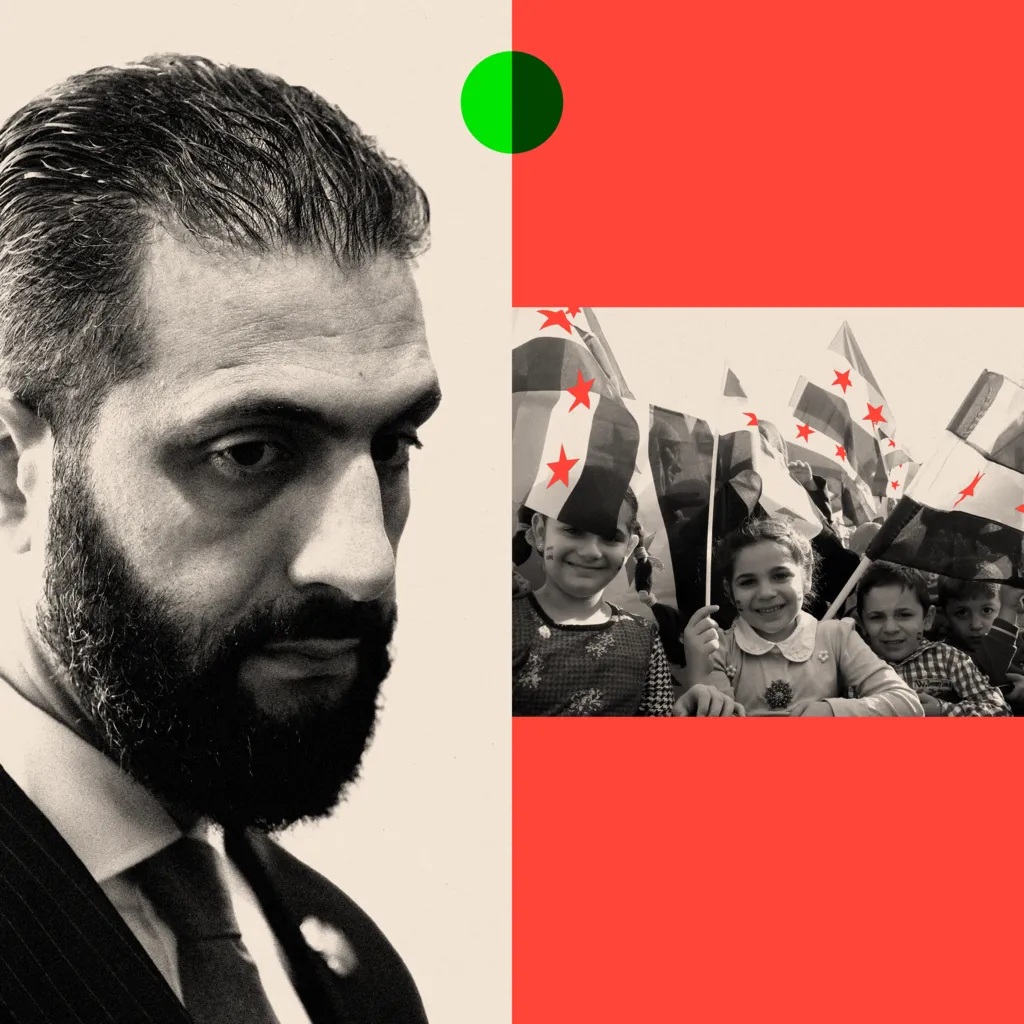
One year after the fall of Bashar al-Assad, Syria’s new leader Ahmed al-Sharaa (Abu Mohammed al-Jolani) seeks Western legitimacy despite his jihadist past, facing ideological and territorial challenges.
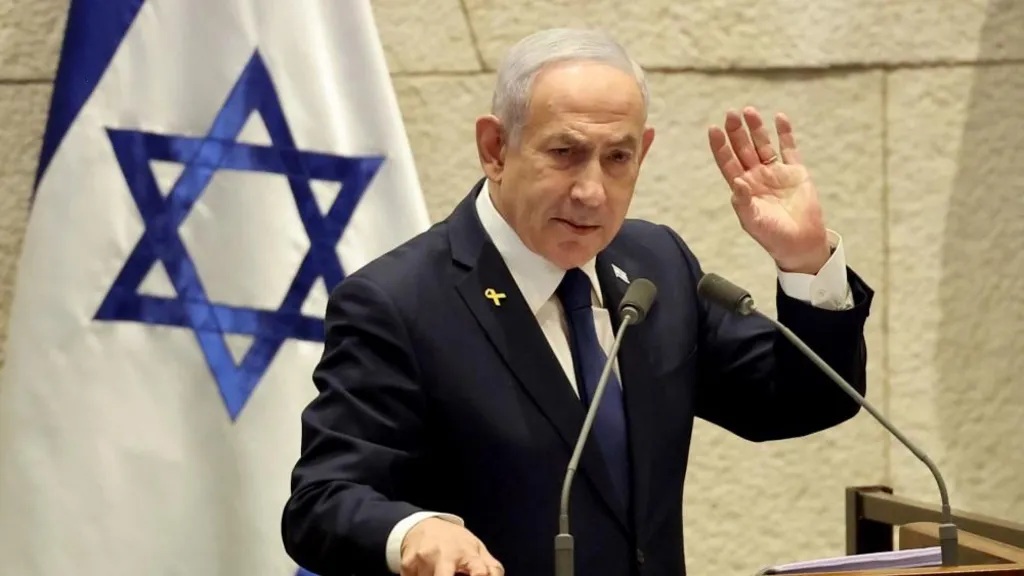
PM Netanyahu requested a pardon from President Herzog for his corruption trial (bribery, fraud) without admitting guilt. The “extraordinary request” tests Israel’s rule of law and sparks political division
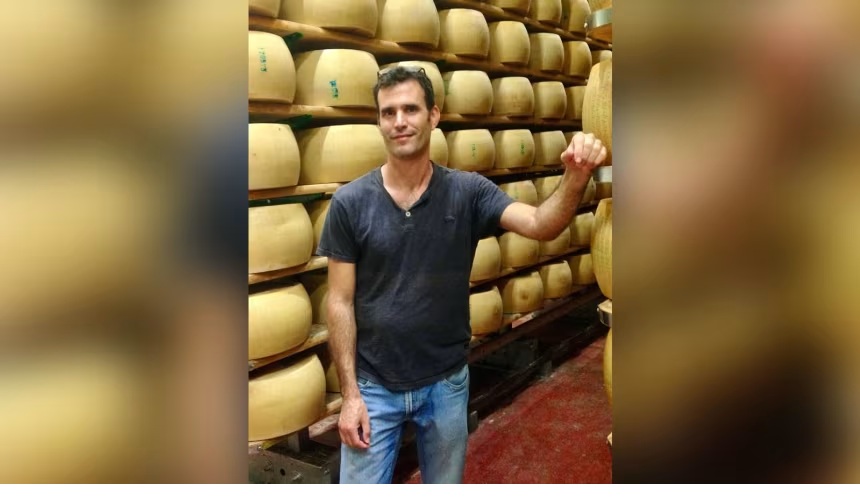
Israel identified the remains of Dror Or, 48, murdered at Kibbutz Be’eri on Oct 7. His remains were returned from Gaza, providing closure after his wife was also killed and his two children were taken hostage but later released