The Human Faces Behind the Iranian Uprising
Eyewitnesses describe the horror on the streets of Tehran and Shiraz. From “one-sided wars” to empty-handed defiance, read the stories from inside Iran.





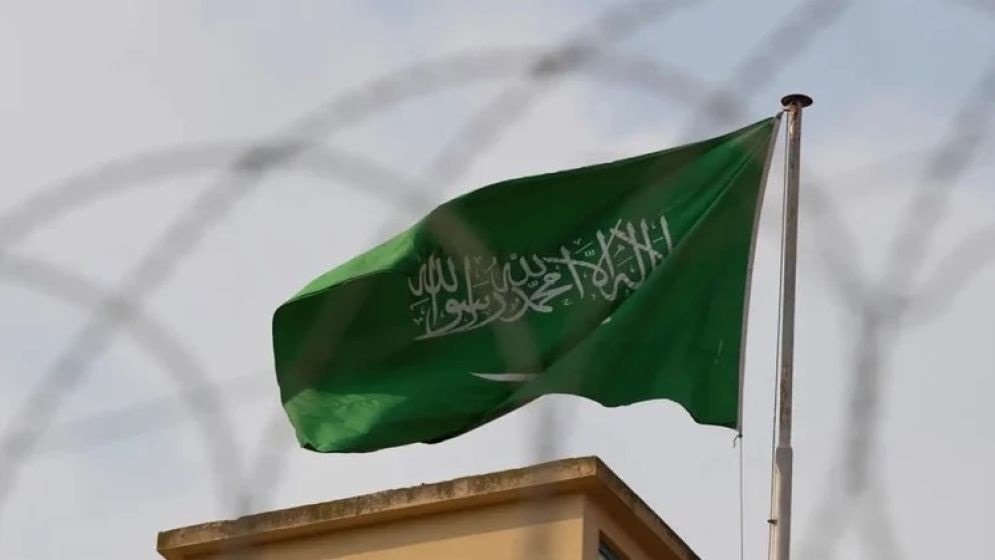
RIYADH: As Saudi Arabia pours billions into luxury tourism, elite sports, and infrastructure for the 2034 FIFA World Cup, a shadow looms over its “Vision 2030” reform agenda. The execution of 356 people in 2025—a historical high—has reignited global debate over the kingdom’s human rights trajectory.
Under the leadership of Crown Prince Mohammed bin Salman, Saudi Arabia has sought to project the image of a modern, open, and tolerant society. From allowing women to drive to hosting global music festivals, the cultural landscape has shifted rapidly. Yet, rights groups like Amnesty International argue that the record-breaking use of capital punishment creates a “stark contrast” to this carefully curated global brand.
The 2025 record is largely fueled by a relentless campaign against narcotics. With the kingdom serving as a lucrative market for illicit stimulants like captagon, authorities have chosen a “zero tolerance” path.
However, activists suggest the executions serve a dual purpose. “The numbers are a message of intimidation and fear for everyone,” says researcher Duaa Dhainy, noting that the victims of capital punishment often include migrant workers and political opponents alongside drug traffickers.
Perhaps the most concerning trend for international diplomats is the demographic shift in these executions. In 2025, for the first time, foreign nationals made up the majority of those put to death. This has caused friction with international labor organizations and foreign governments whose citizens are caught in the Saudi judicial web.
With major international events on the horizon, the pressure on Riyadh is mounting. Critics argue that the kingdom cannot “spend its way” out of human rights scrutiny. As the Arab world’s largest economy continues to diversify away from oil, the question remains: Can a nation truly be “modern” while maintaining one of the highest execution rates in the world?
For now, the kingdom remains resolute, insisting that its laws protect its citizens from the devastating effects of the drug trade—even if the cost is a record number of lives.
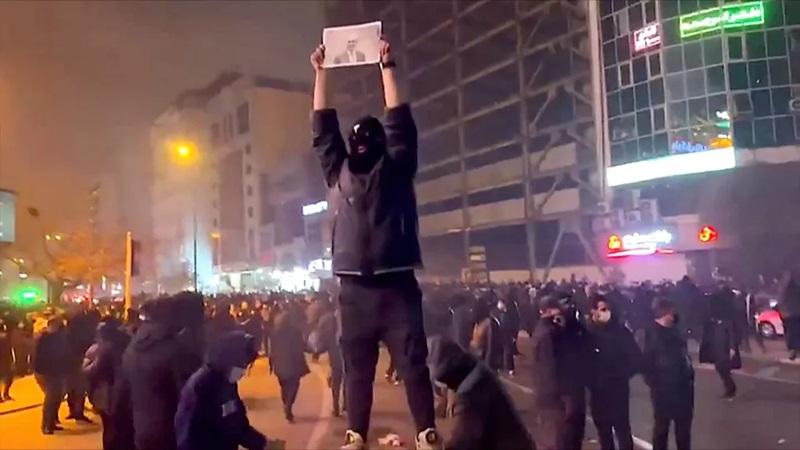
Eyewitnesses describe the horror on the streets of Tehran and Shiraz. From “one-sided wars” to empty-handed defiance, read the stories from inside Iran.
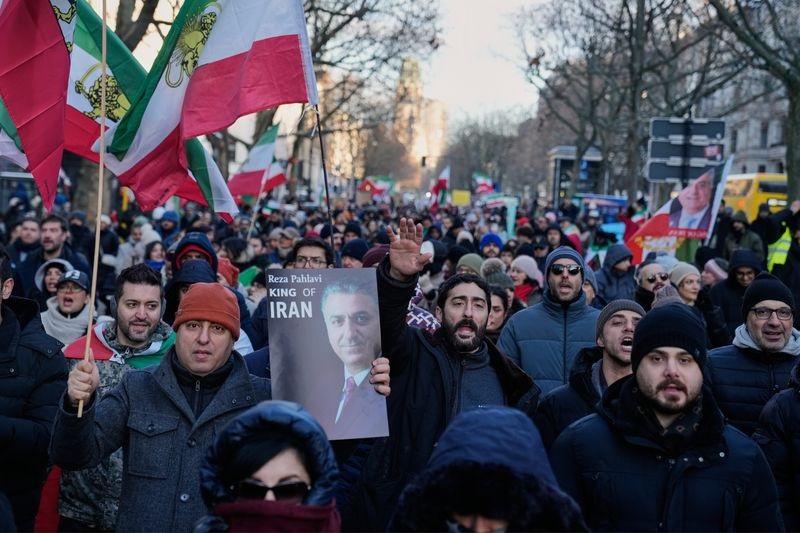
As Iran cuts off all international phone lines and internet, concerns grow over a “bloody crackdown.” US President Trump and global leaders respond to the crisis.
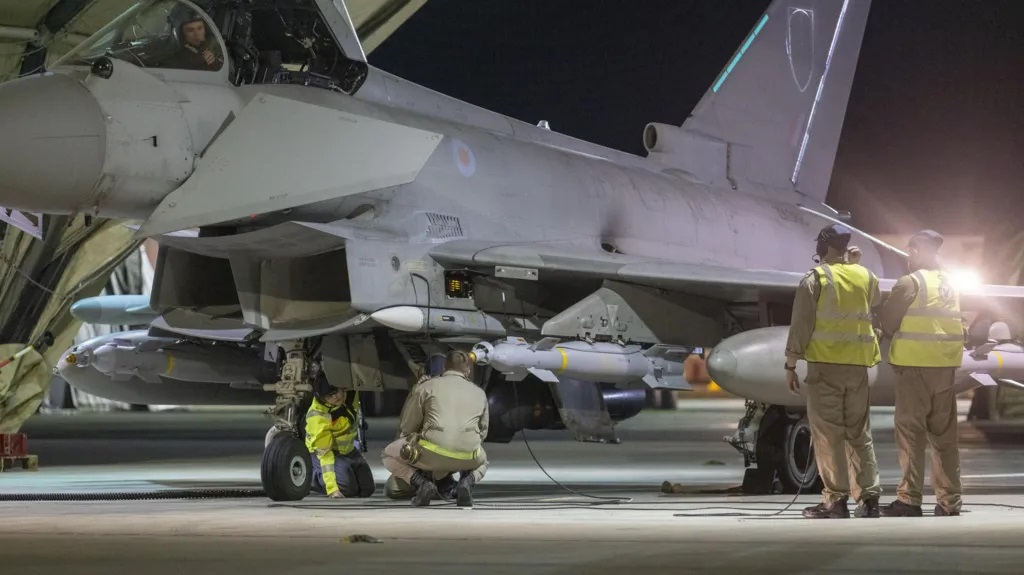
With Syria now a formal member of the Global Coalition under President Ahmed al-Sharaa, joint RAF-French strikes highlight a new level of security cooperation.

Ailing Supreme Leader Ayatollah Khamenei faces a failing strategy as proxies weaken and Israel lobbies the US for military action against Tehran.
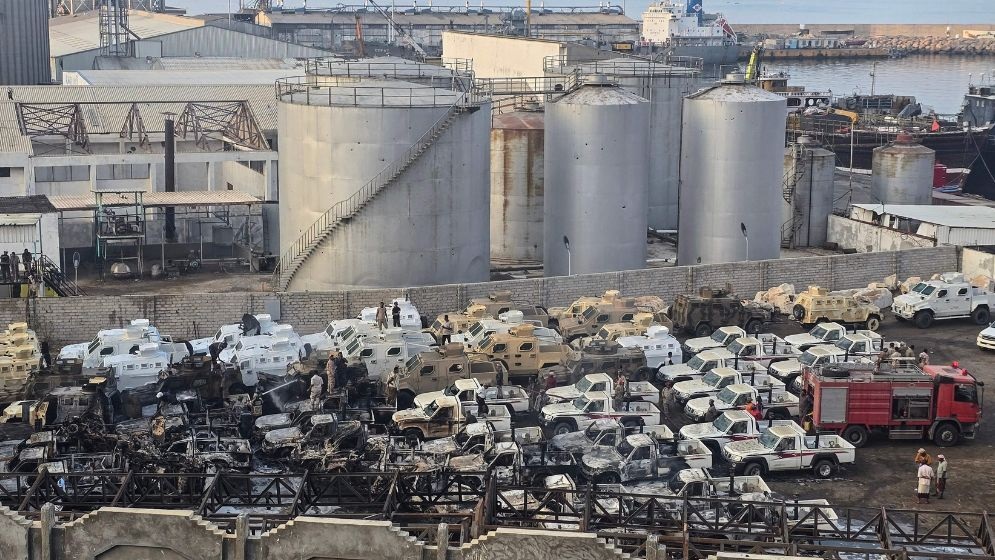
The STC rejects Saudi calls to withdraw from seized territories in Yemen as the UAE pulls its forces. Tensions peak after Saudi strikes on alleged weapons.
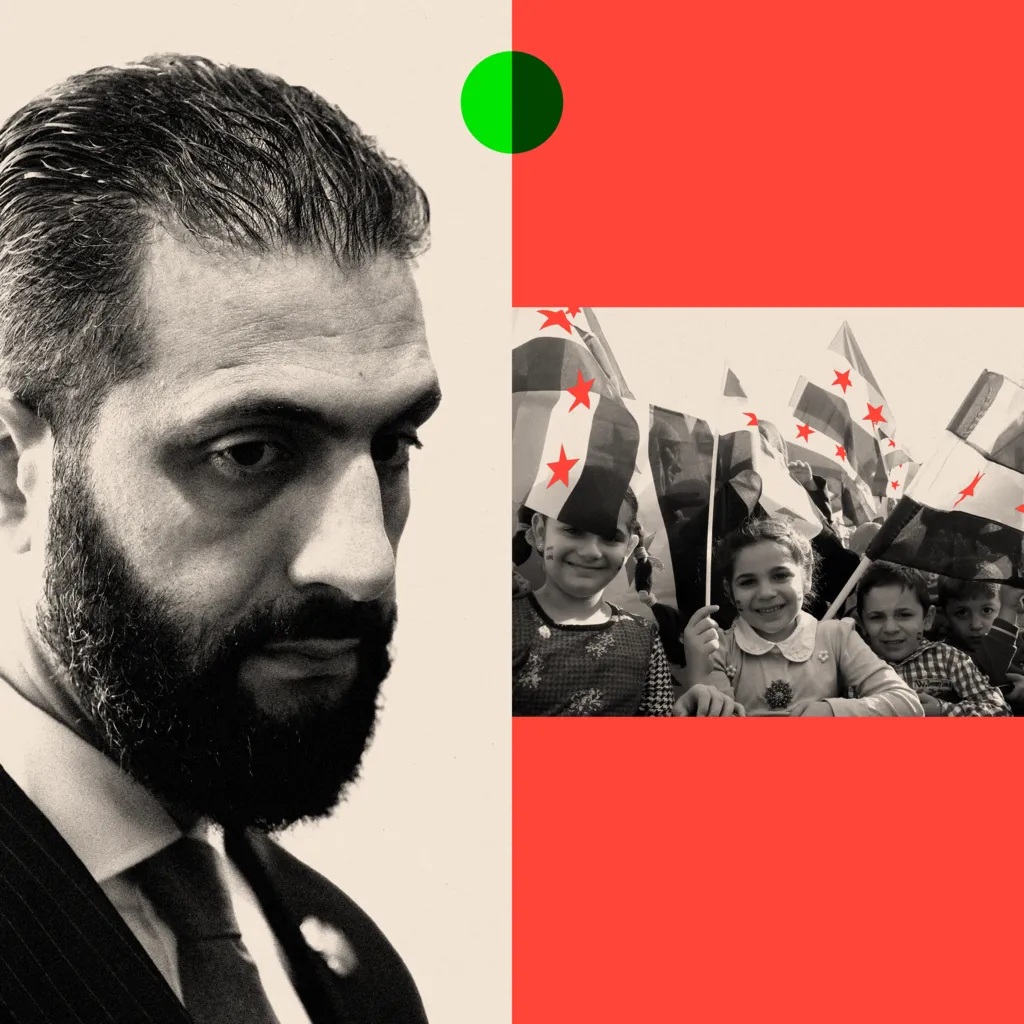
One year after the fall of Bashar al-Assad, Syria’s new leader Ahmed al-Sharaa (Abu Mohammed al-Jolani) seeks Western legitimacy despite his jihadist past, facing ideological and territorial challenges.
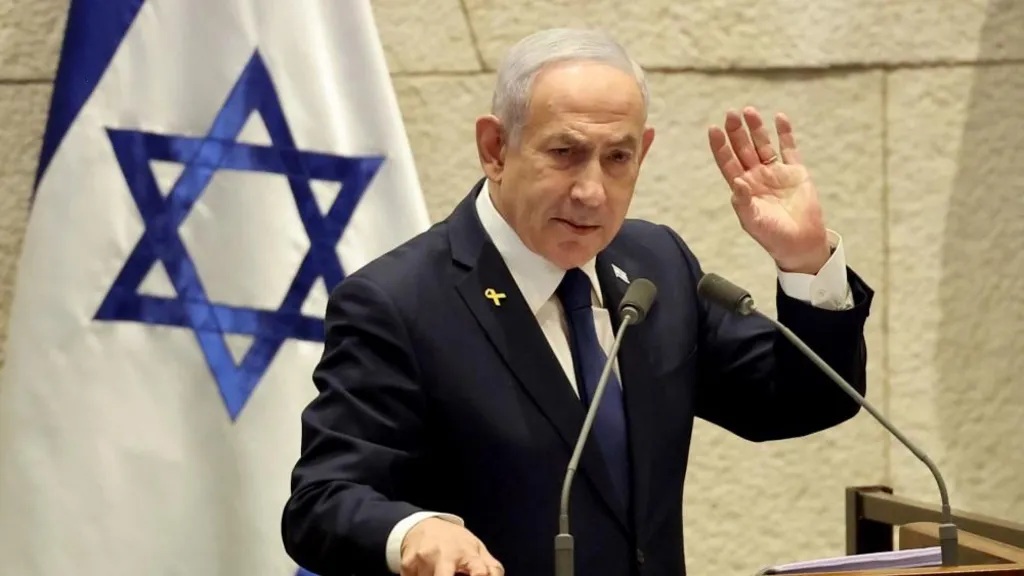
PM Netanyahu requested a pardon from President Herzog for his corruption trial (bribery, fraud) without admitting guilt. The “extraordinary request” tests Israel’s rule of law and sparks political division
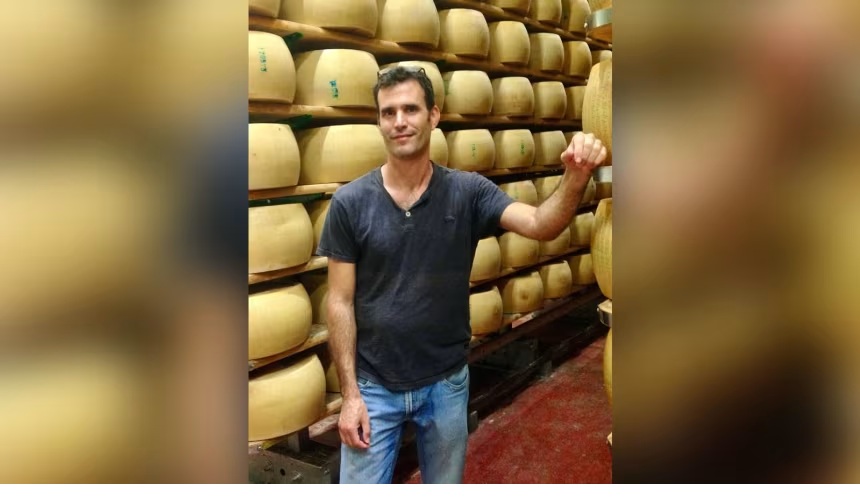
Israel identified the remains of Dror Or, 48, murdered at Kibbutz Be’eri on Oct 7. His remains were returned from Gaza, providing closure after his wife was also killed and his two children were taken hostage but later released