The Human Faces Behind the Iranian Uprising
Eyewitnesses describe the horror on the streets of Tehran and Shiraz. From “one-sided wars” to empty-handed defiance, read the stories from inside Iran.





TEHRAN: For the past 48 hours, Iran has effectively vanished from the global digital map. The government’s decision to cut off the internet and international telephone lines on Thursday has left the world struggling to gauge the true scale of the violence currently sweeping the nation.
Rights advocates, including Ali Rahmani—son of imprisoned Nobel Peace Prize laureate Narges Mohammadi—fear the communications silence is a precursor to a massacre. History provides a grim precedent: during the 2019 protests, a similar internet shutdown preceded the killing of hundreds of protesters by security forces.

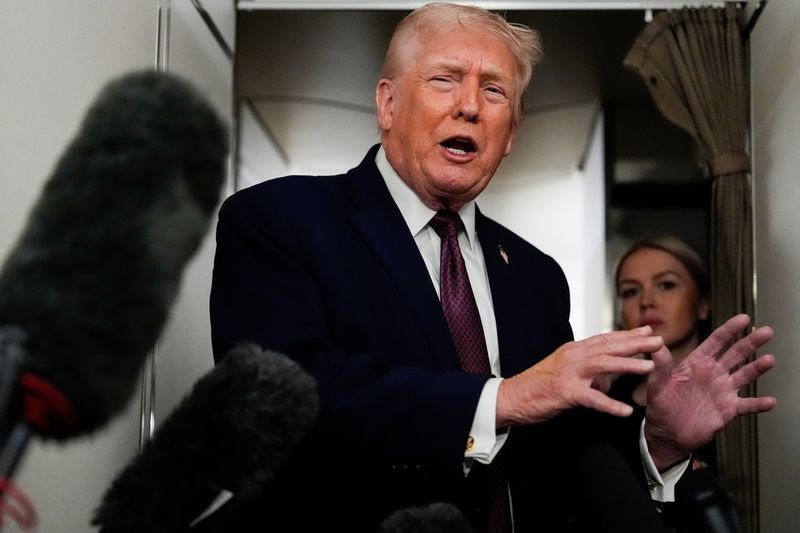
Donald Trump has seemingly offered his country’s assistance.
“They are fighting and losing their lives against a dictatorial regime,” Rahmani stated from exile. “We can only fear the worst.”
U.S. President Donald Trump has utilized social media to offer vocal support for the uprising, stating that “The USA stands ready to help” as Iran looks at “FREEDOM perhaps like never before.”
The State Department reinforced this stance with a sharp warning to Tehran: “Do not play games with President Trump. When he says he’ll do something, he means it.” This rhetoric signals a potential shift toward even harsher sanctions or direct intervention if the crackdown turns into a mass-casualty event.
In a move described by analysts as psychological warfare, state television has been broadcasting pro-government rallies set to the martial orchestral arrangement of the Epic of Khorramshahr. The song is a powerful symbol in Iran, traditionally honoring the 1982 liberation of Khorramshahr during the Iran-Iraq war.

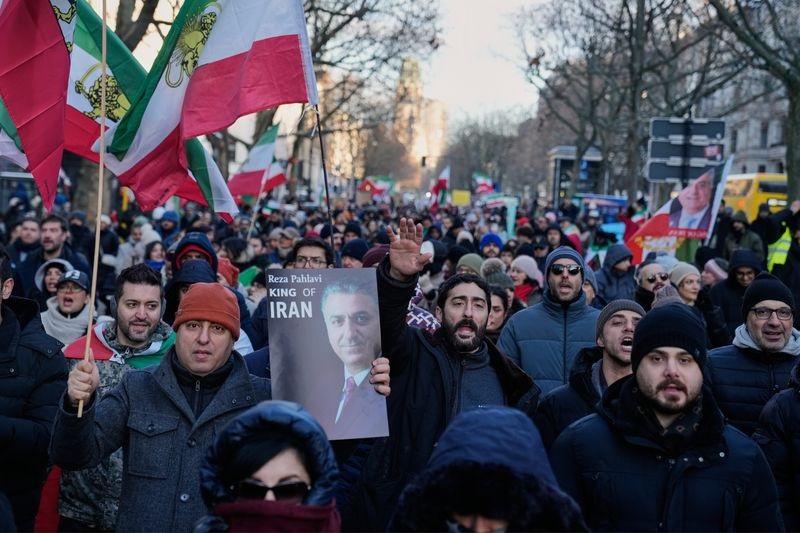
Protesters showing pictures of Reza Pahlavi at a demonstration in Berlin, Germany, in support of the nationwide mass protests in Iran.
Ironically, the same music has been used in viral videos by protesting women cutting their hair—a symbol of resistance that began with the 2022 death of Mahsa Amini.
From abroad, exiled Crown Prince Reza Pahlavi has urged demonstrators to “claim public spaces as your own,” calling for a massive turnout through the weekend. He has encouraged the use of Iran’s old lion-and-sun flag, a symbol of the pre-1979 revolution era.
As the work week begins under a cloud of uncertainty, the world watches the functioning government websites—the only windows left into a nation currently fighting for its soul in total darkness.
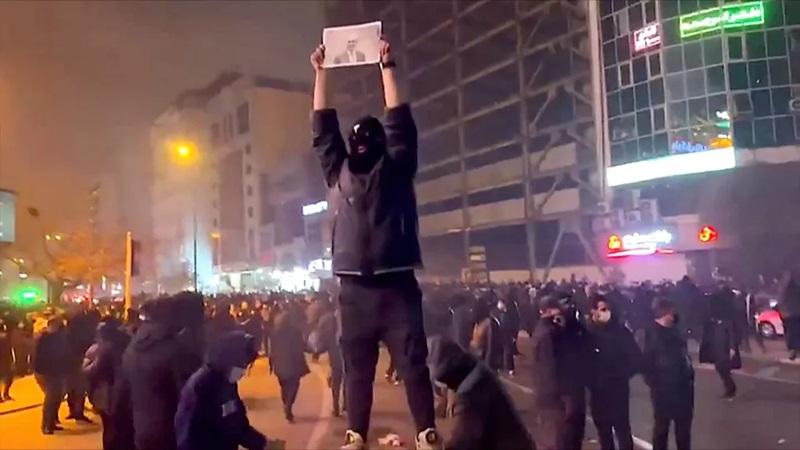
Eyewitnesses describe the horror on the streets of Tehran and Shiraz. From “one-sided wars” to empty-handed defiance, read the stories from inside Iran.
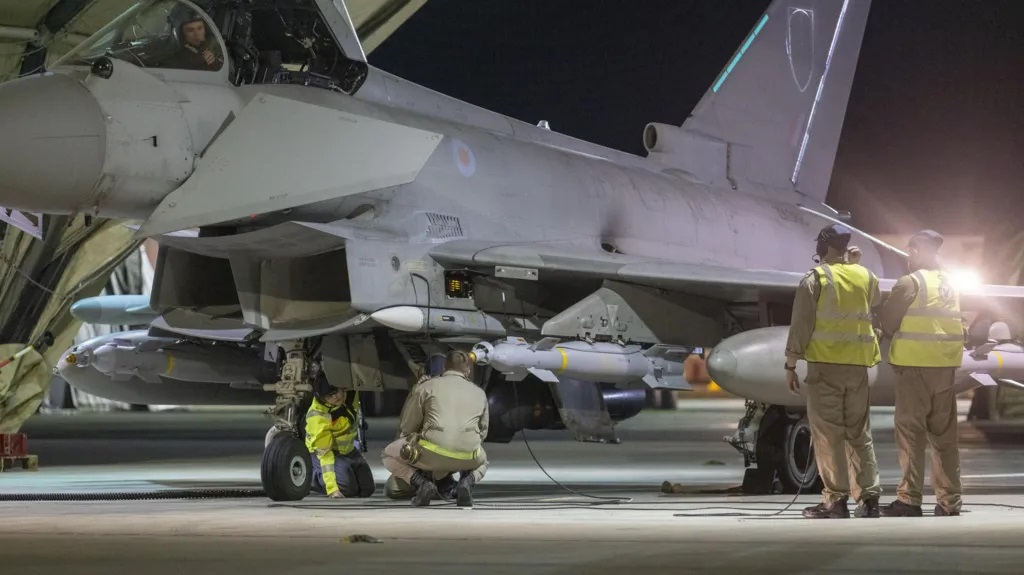
With Syria now a formal member of the Global Coalition under President Ahmed al-Sharaa, joint RAF-French strikes highlight a new level of security cooperation.
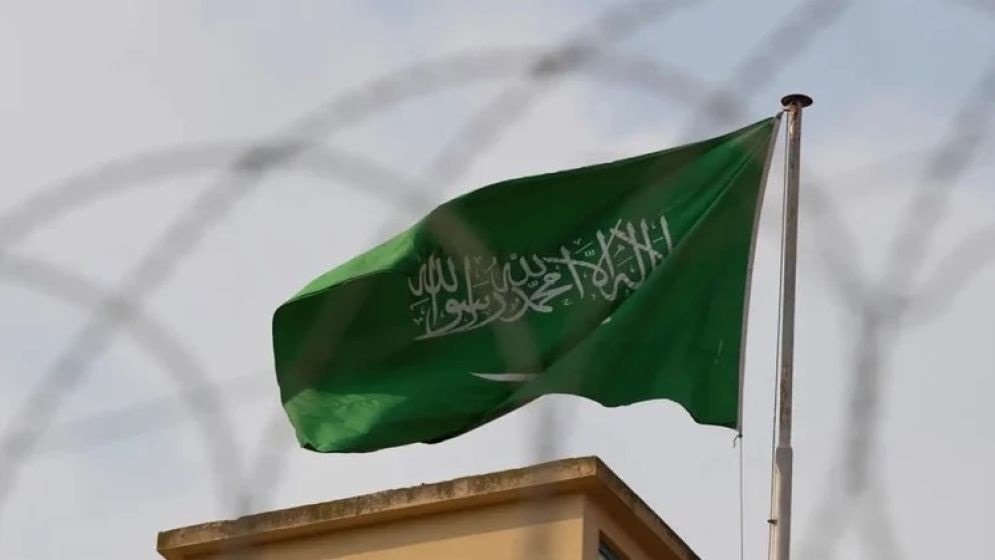
As Saudi Arabia prepares for the 2034 World Cup, a record 356 executions in 2025 highlights the clash between its modern image and its use of the death penalty.

Ailing Supreme Leader Ayatollah Khamenei faces a failing strategy as proxies weaken and Israel lobbies the US for military action against Tehran.
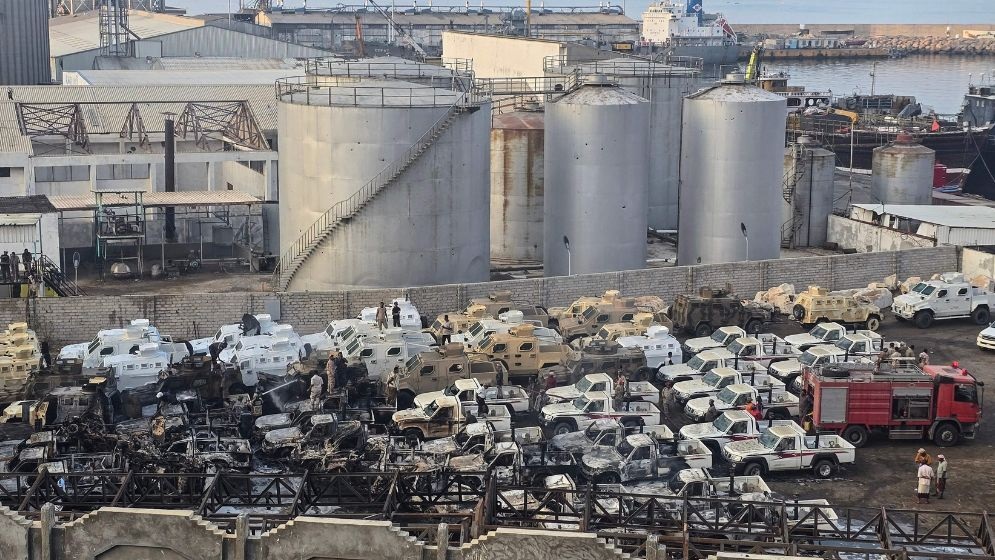
The STC rejects Saudi calls to withdraw from seized territories in Yemen as the UAE pulls its forces. Tensions peak after Saudi strikes on alleged weapons.
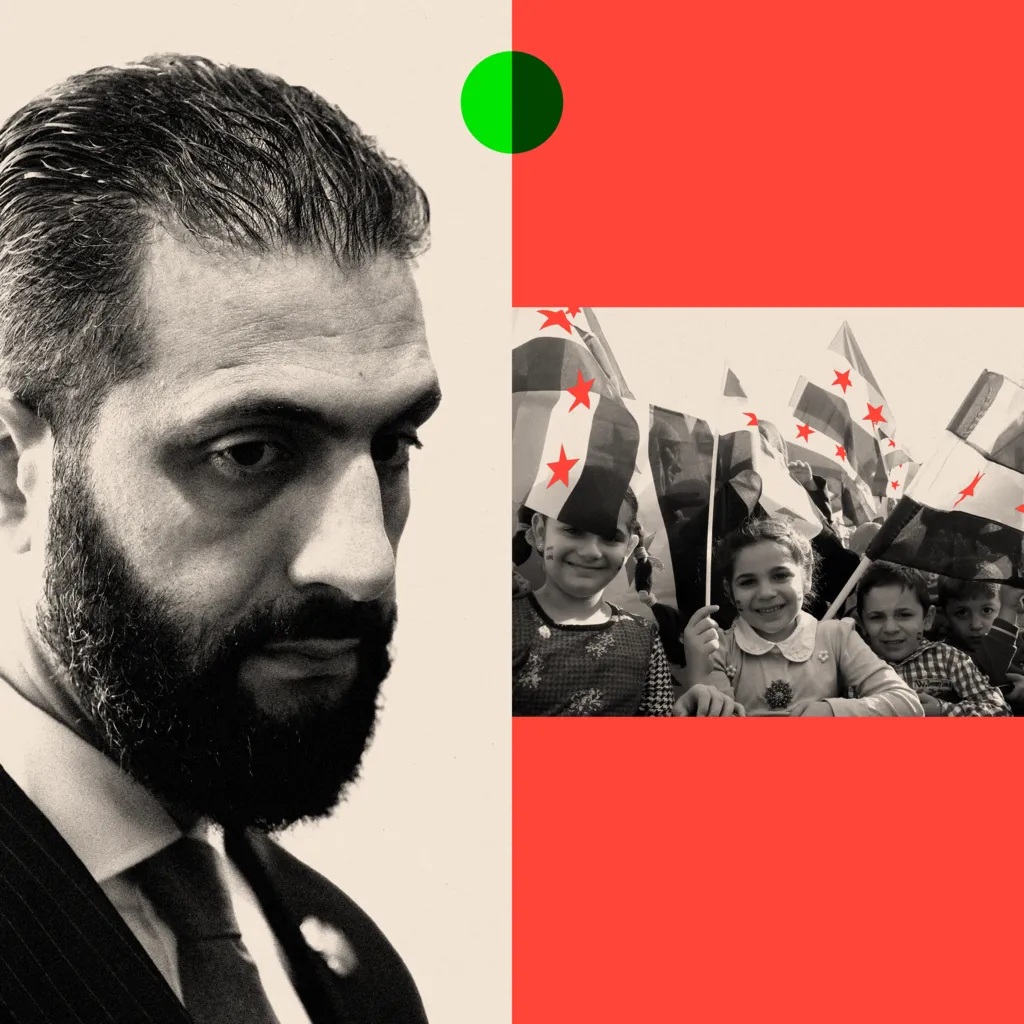
One year after the fall of Bashar al-Assad, Syria’s new leader Ahmed al-Sharaa (Abu Mohammed al-Jolani) seeks Western legitimacy despite his jihadist past, facing ideological and territorial challenges.
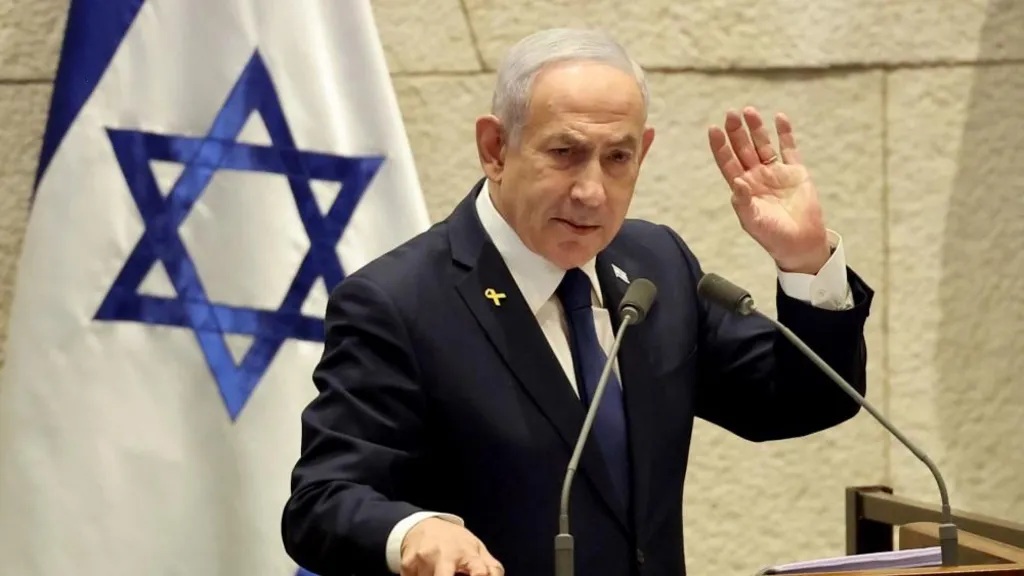
PM Netanyahu requested a pardon from President Herzog for his corruption trial (bribery, fraud) without admitting guilt. The “extraordinary request” tests Israel’s rule of law and sparks political division
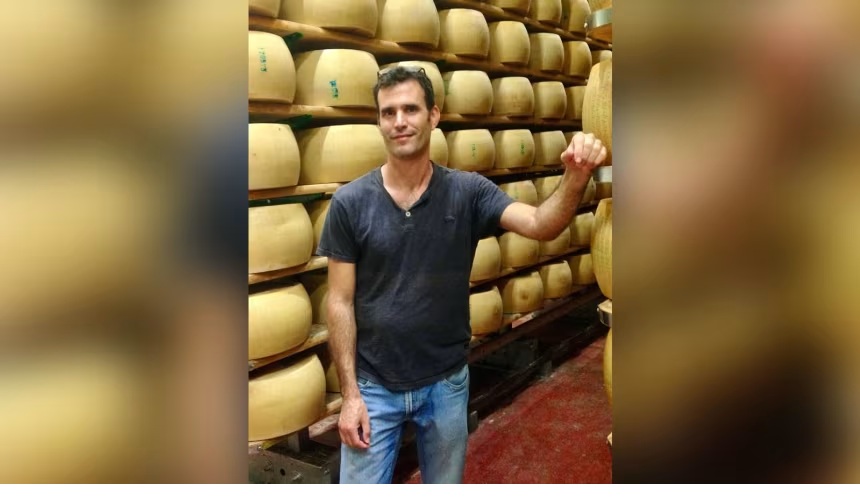
Israel identified the remains of Dror Or, 48, murdered at Kibbutz Be’eri on Oct 7. His remains were returned from Gaza, providing closure after his wife was also killed and his two children were taken hostage but later released