Australia Day 2026 Weather: State-by-State Forecast Guide
Australia Day weather 2026, Sydney weather Australia Day, Melbourne heatwave, Perth sun, Australia Day beach guide, national forecast Jan 26.





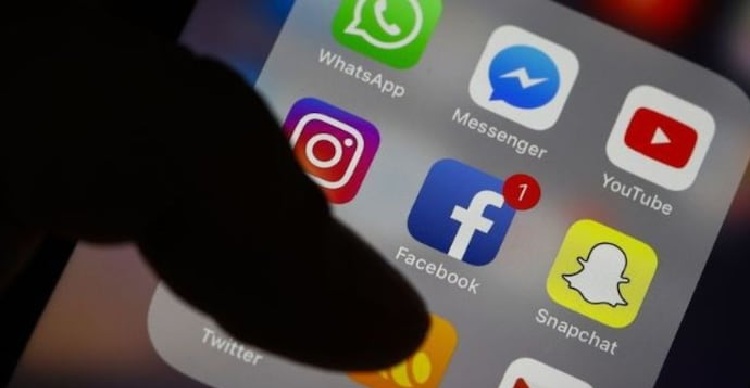
CANBERRA: Australia’s historic social media ban for children under 16, set to take effect on 10 December, has sparked an intense national debate, pitting the government’s promise of protection against deep concerns over youth isolation and online safety loopholes.
Communications Minister Anika Wells has positioned the law as a necessary defense for “Generation Alpha”—those under 15 years old—whom she says are connected to a “dopamine drip” from the moment they get a smartphone.
“With one law, we can protect Generation Alpha from being sucked into purgatory by the predatory algorithms described by the man who created the feature as behavioural cocaine,” Wells asserted this week. The ban follows a study that found 96% of Australian children aged 10-15 used social media, with seven out of ten exposed to harmful content and over half reporting cyberbullying.
Despite the government’s strong stance, critics warn that the ban may unintentionally isolate certain groups who rely on platforms for connection and community, particularly those in remote areas or those seeking support networks. More immediately, there is concern the ban will simply push children to smaller, lesser-known, and less-regulated corners of the internet.
Minister Wells confirmed she is “closely watching” newer, lesser-known video and photo-sharing apps like Lemon8 and Yope for signs of a user migration.
The eSafety Commissioner, Julie Inman Grant, has already written to both Lemon8 (created by the makers of TikTok) and Yope, asking them to self-assess if they fall under the scope of the ban. Lemon8 has reportedly agreed to exclude under-16s, despite not being explicitly named in the legislation.
Yope’s chief executive, Bahram Ismailau, told the BBC that their self-assessment concluded they are not a social media platform, as the app “functions as a fully private messenger with no public content at all,” similar to WhatsApp.
With “teething problems” expected in the first few weeks, the success of the world-first law will depend heavily on its enforcement mechanisms and the ability of regulators to adapt to the constant evolution of the digital landscape.
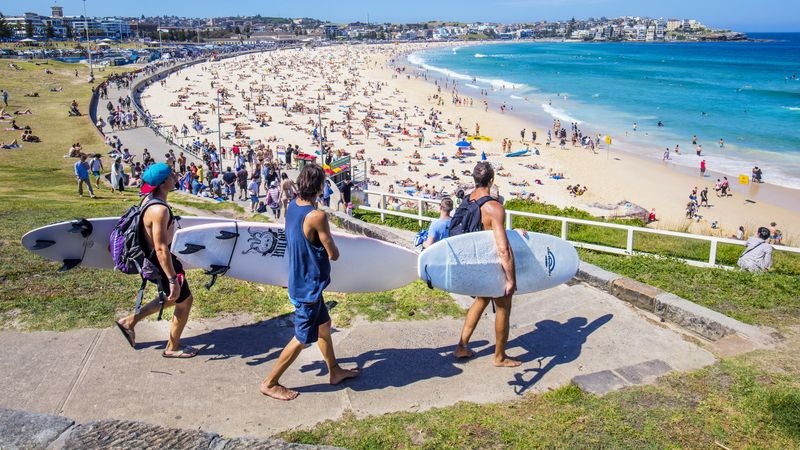
Australia Day weather 2026, Sydney weather Australia Day, Melbourne heatwave, Perth sun, Australia Day beach guide, national forecast Jan 26.

Residents in Pinjarra can return to normal activities after WA Police located the man at the center of today’s armed search. Read the full timeline here.
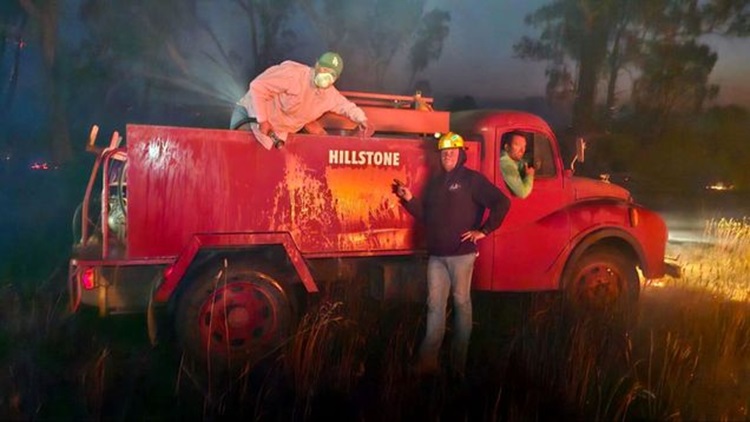
While the Longwood bushfire destroyed 30 homes and community landmarks in Ruffy, a group of residents stayed behind to save eight properties using vintage equipment.
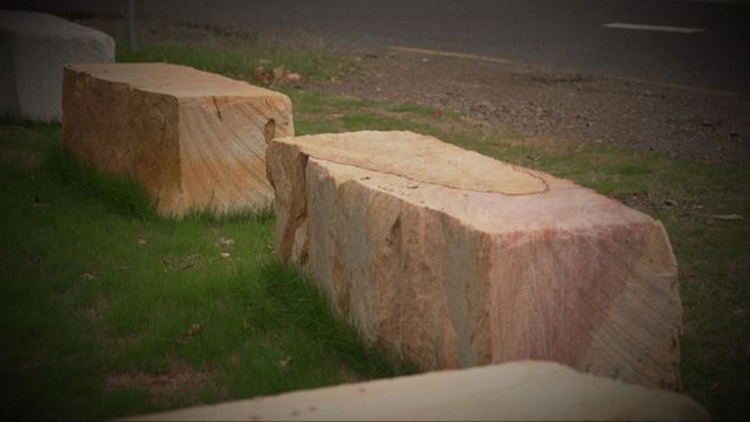
The internet is buzzing with theories after 25 tonnes of sandstone vanished in Speers Point. From “backyard Great Walls” to aliens, see the wildest theories.

PM Albanese and Premier Allan announce a $19.5 million relief package as Victoria’s bushfires destroy 350+ structures. Learn how to apply for help.
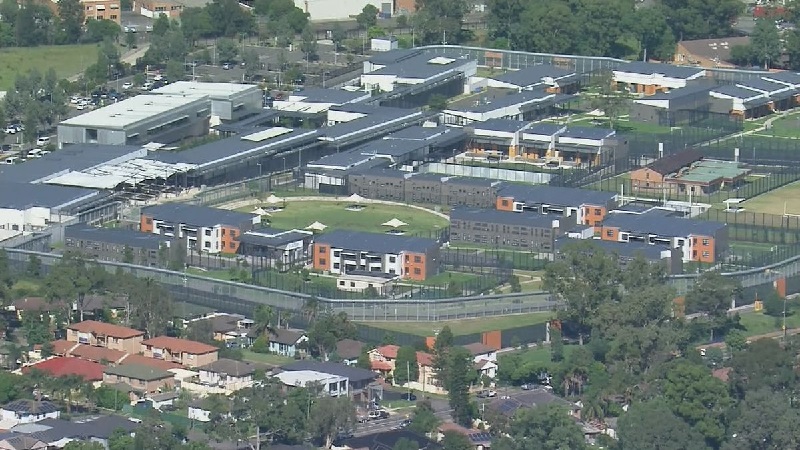
Police are investigating the suspicious death of a 51-year-old man at Sydney’s Villawood Detention Centre. Read the latest on the investigation.

As Fun2Learn Rosehill is shut down, we examine what the NSW government’s new ‘zero tolerance’ policy means for parents and childcare providers.
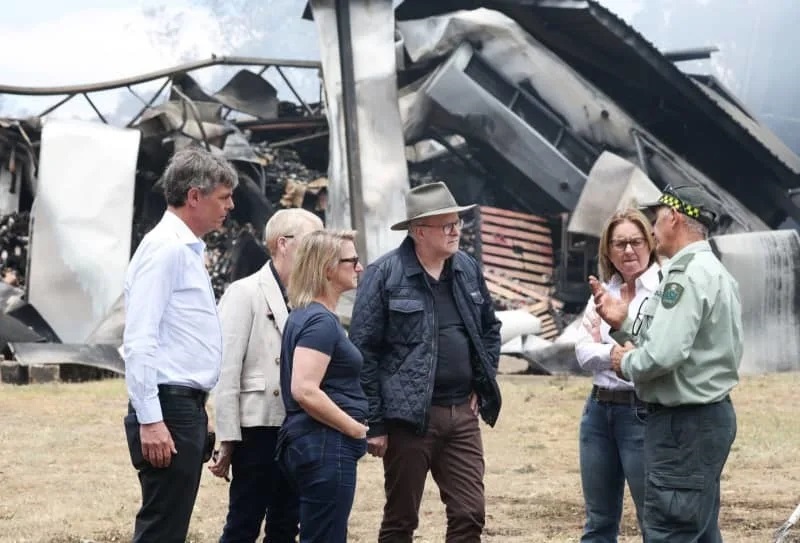
Prime Minister Anthony Albanese and Premier Jacinta Allan have visited Victorian bushfire zones as police confirm a fatality in Longwood.