Australia Day 2026 Weather: State-by-State Forecast Guide
Australia Day weather 2026, Sydney weather Australia Day, Melbourne heatwave, Perth sun, Australia Day beach guide, national forecast Jan 26.





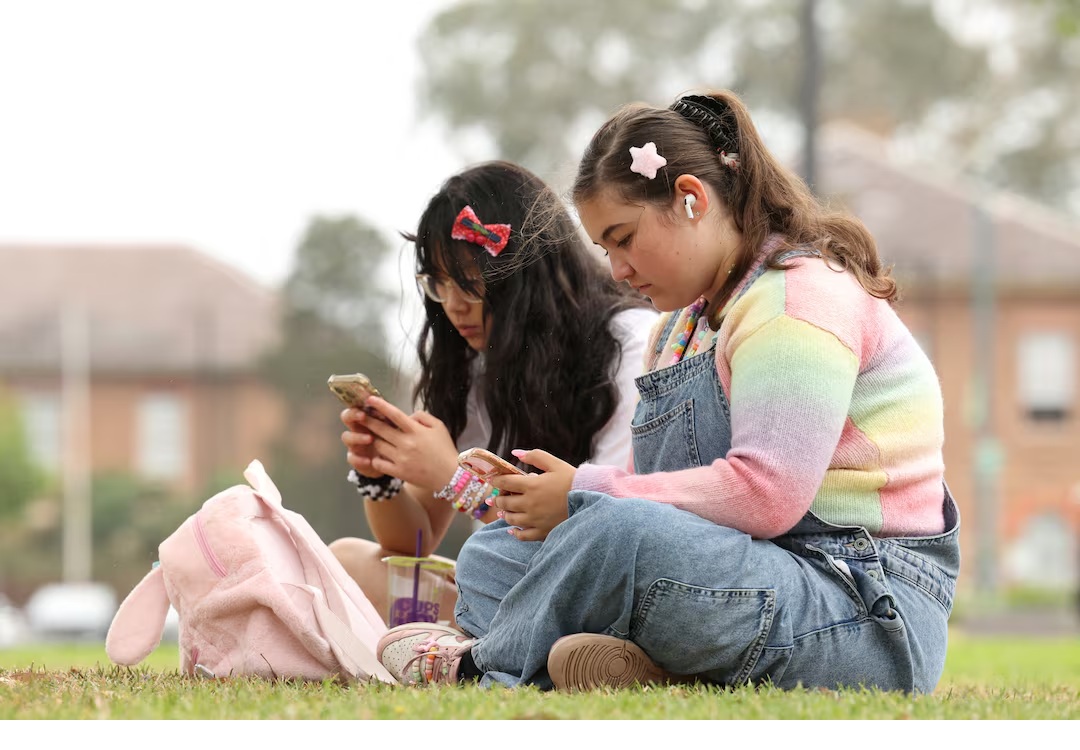
SYDNEY: In a pioneering move to protect youth mental health, Australia is set to become the first nation to enforce a blanket social media ban on under-16s, compelling tech giants including Alphabet (YouTube) and Meta (Instagram) to restrict access for an estimated one million teenagers. The law takes effect on December 10, placing immediate pressure on tech companies to ensure compliance.
The legislation—which carries a significant penalty of up to A$49.5 million ($33 million) for platforms that fail to comply—is pitched by the Australian government as a necessary measure to shield young people from harmful content, online bullying, and the addictive nature of algorithms.
The law forces under-16s off major platforms just nine days before the long December-to-January school holidays, raising concerns about alternative methods of communication.
For many teens, social media is a primary tool for connection and even for accessing mental health support. A 2024 survey by youth service ReachOut.com found that 72% of 16-25 year olds use social media to seek mental health advice, with nearly half using it to find professional help.
Teenagers are now scrambling to find alternatives. 14-year-old Annie Wang noted that she relies on the exempt messaging platform Discord for communication. However, she worries that peers without an alternative platform will be “basically just shut off from everyone” and “inside all of the school holidays, which is not good.”

The implementation’s timing has inadvertently created a logistical nightmare for youth support organizations. Tony FitzGerald of Kids Helpline is concerned that being “disconnected from being able to communicate” may trigger a surge in anxiety cases, leading the service to boost its counselling staff by 10%.
The government has committed to studying the outcomes of the world-first ban. eSafety Commissioner Julie Inman Grant confirmed that the government will collect two years of data to analyze both the protective benefits of the law and any “unintended consequences” that may arise from disconnecting such a large segment of the youth population from their established digital networks. The law will force youth organizations that rely on social media to adapt their outreach strategies to offline or exempted digital spaces.
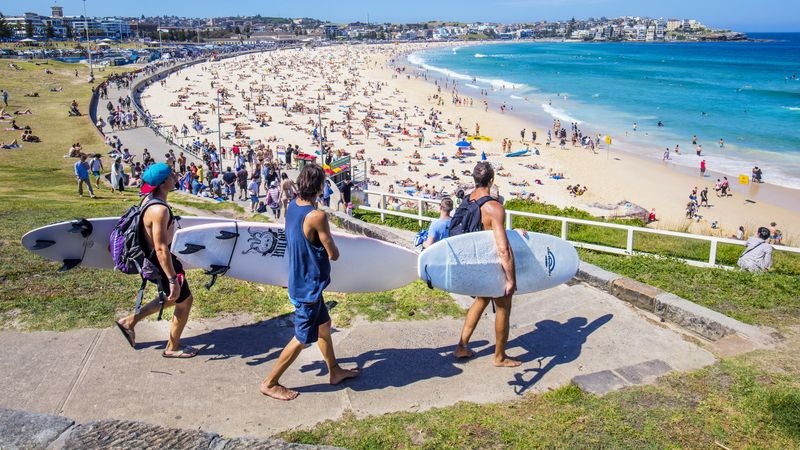
Australia Day weather 2026, Sydney weather Australia Day, Melbourne heatwave, Perth sun, Australia Day beach guide, national forecast Jan 26.

Residents in Pinjarra can return to normal activities after WA Police located the man at the center of today’s armed search. Read the full timeline here.
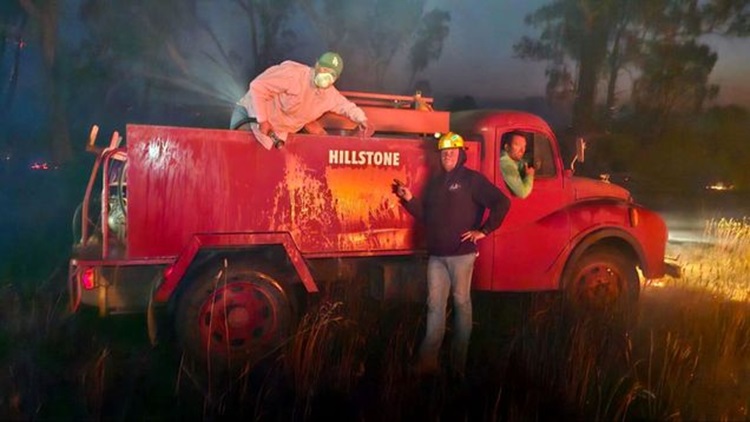
While the Longwood bushfire destroyed 30 homes and community landmarks in Ruffy, a group of residents stayed behind to save eight properties using vintage equipment.
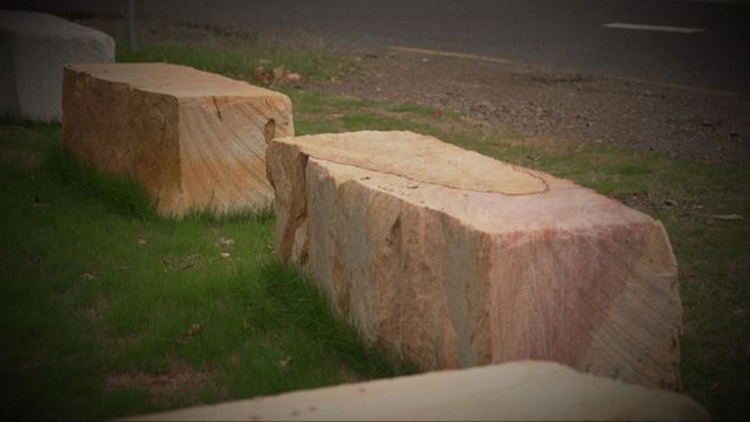
The internet is buzzing with theories after 25 tonnes of sandstone vanished in Speers Point. From “backyard Great Walls” to aliens, see the wildest theories.

PM Albanese and Premier Allan announce a $19.5 million relief package as Victoria’s bushfires destroy 350+ structures. Learn how to apply for help.
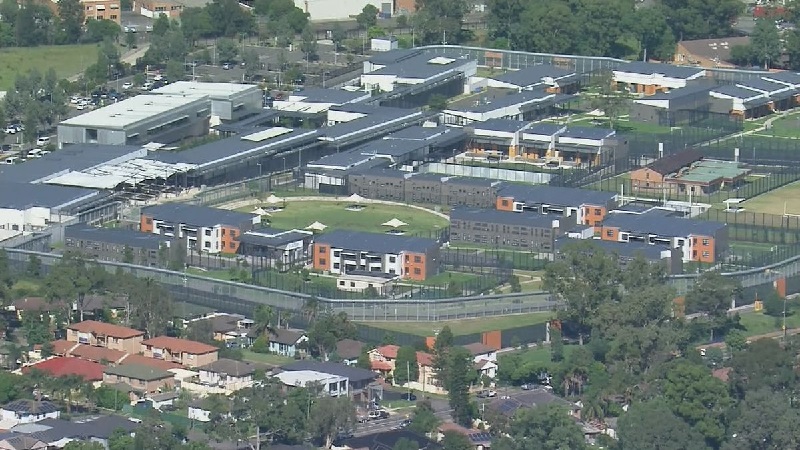
Police are investigating the suspicious death of a 51-year-old man at Sydney’s Villawood Detention Centre. Read the latest on the investigation.

As Fun2Learn Rosehill is shut down, we examine what the NSW government’s new ‘zero tolerance’ policy means for parents and childcare providers.

Prime Minister Anthony Albanese and Premier Jacinta Allan have visited Victorian bushfire zones as police confirm a fatality in Longwood.