IRGC Signals Permanent Shift in Strait of Hormuz Operations
Iran’s Revolutionary Guards announce new operating conditions for the Strait of Hormuz, effectively ending previous maritime status for US and Israeli vessels.





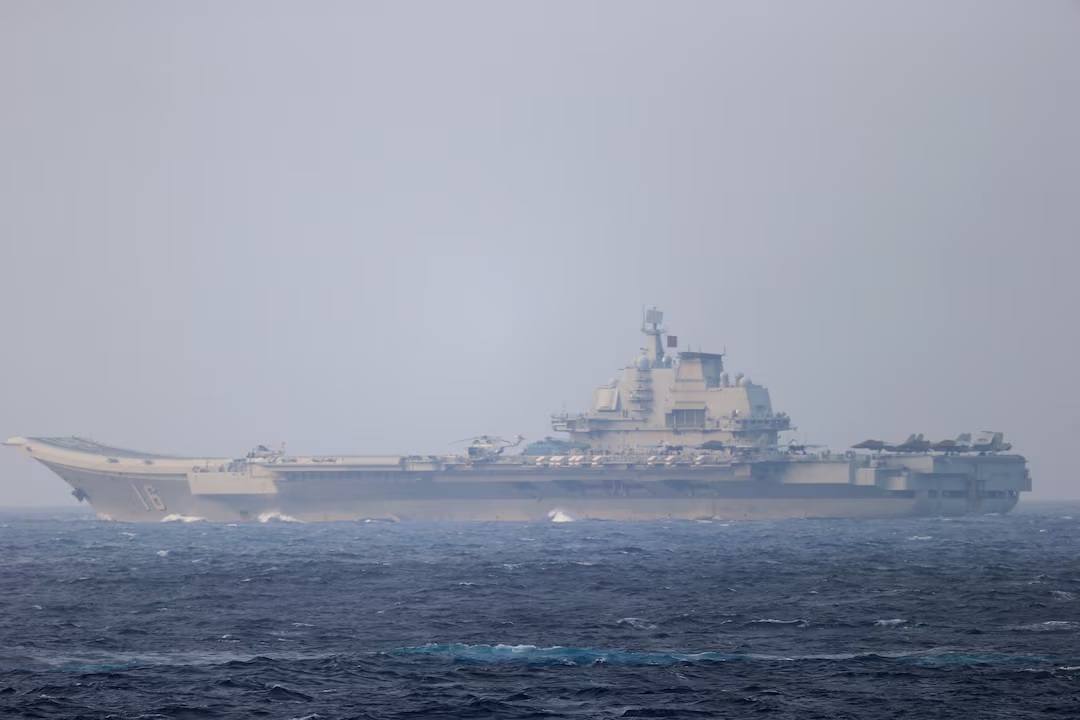
TOKYO: A major diplomatic row between China and Japan has deepened following dangerous military encounters near the Okinawa Islands, placing severe pressure on regional stability that is inextricably linked to the escalating situation around Taiwan.
The weekend saw China’s aircraft carrier, the Liaoning, launch a flurry of air operations near Japan’s southwest island chain, prompting Prime Minister Sanae Takaichi’s administration to issue a formal protest against the aggressive use of targeting radar by Chinese fighter jets against Japanese shadowing aircraft.
The encounters are a direct manifestation of the underlying geopolitical conflict over Taiwan. China claims the democratically governed island, which sits only 70 miles (110 km) from Japan’s westernmost island. Takaichi’s recent warning that Tokyo would respond to any Chinese military action against Taiwan that threatens Japanese security has clearly raised the stakes for Beijing.
Japan’s commitment to regional defense is bolstered by its role as host to the largest overseas concentration of U.S. military power, with thousands of U.S. Marines stationed primarily in Okinawa. While the U.S. ambassador to Japan, George Glass, has voiced general support for Tokyo in the dispute, the U.S. State Department and U.S. embassy have remained silent on the specifics of Japan’s claims regarding China’s use of radar.
The military confrontations are taking place amid a wider freeze in bilateral relations. Beijing recently advised its citizens against traveling to Japan and paused a critical restart of seafood imports, which were suspended following Japan’s release of treated water from the Fukushima nuclear plant.
Despite the heightened military tension, Chief Cabinet Secretary Minoru Kihara stressed that Tokyo would “respond calmly but firmly” while continuing to monitor Chinese movements. Meanwhile, the U.S. administration, specifically President Donald Trump—who is planning to travel to Beijing next year for trade talks—has maintained silence on the sensitive military dispute. This reserved stance highlights the difficult balancing act the U.S. must maintain between supporting its allies and managing its relationship with China.
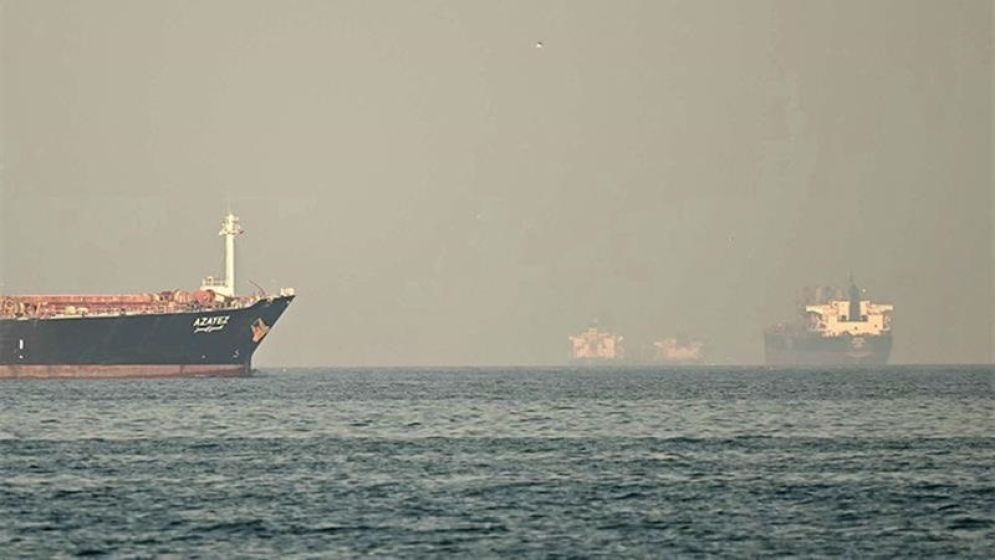
Iran’s Revolutionary Guards announce new operating conditions for the Strait of Hormuz, effectively ending previous maritime status for US and Israeli vessels.
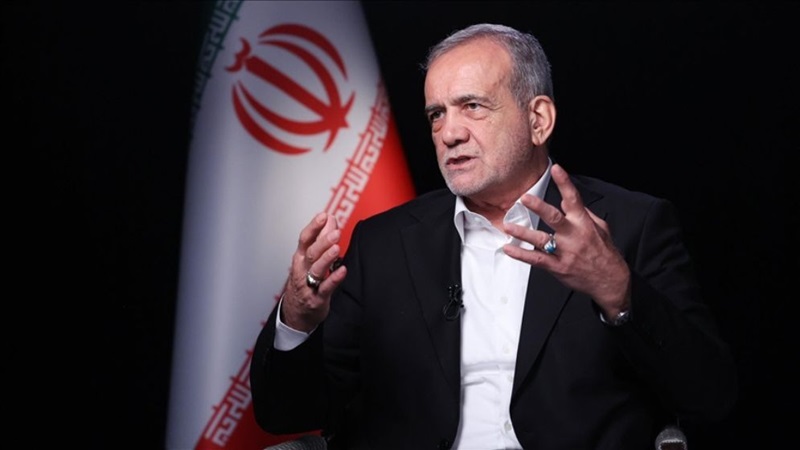
Iran President Pezeshkian addresses the nation as economic protests turn deadly. A “significant” death toll is reported following the rial’s collapse.
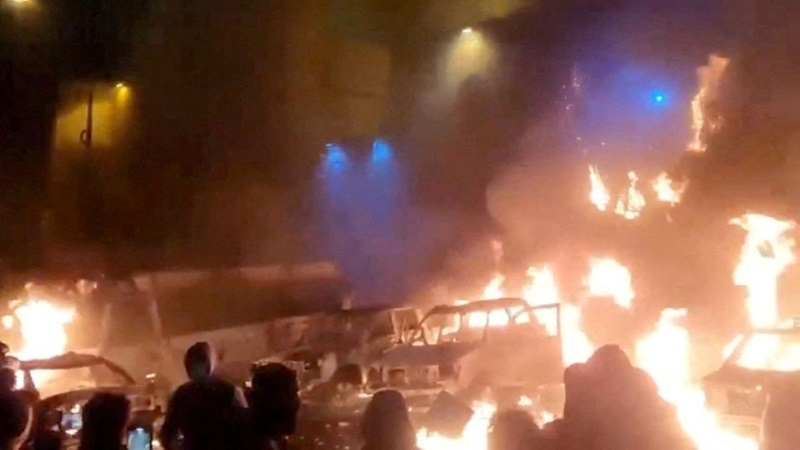
Rights groups report at least 540 deaths in Iran’s violent suppression of nationwide protests. Trump eyes Starlink as Tehran keeps internet offline.
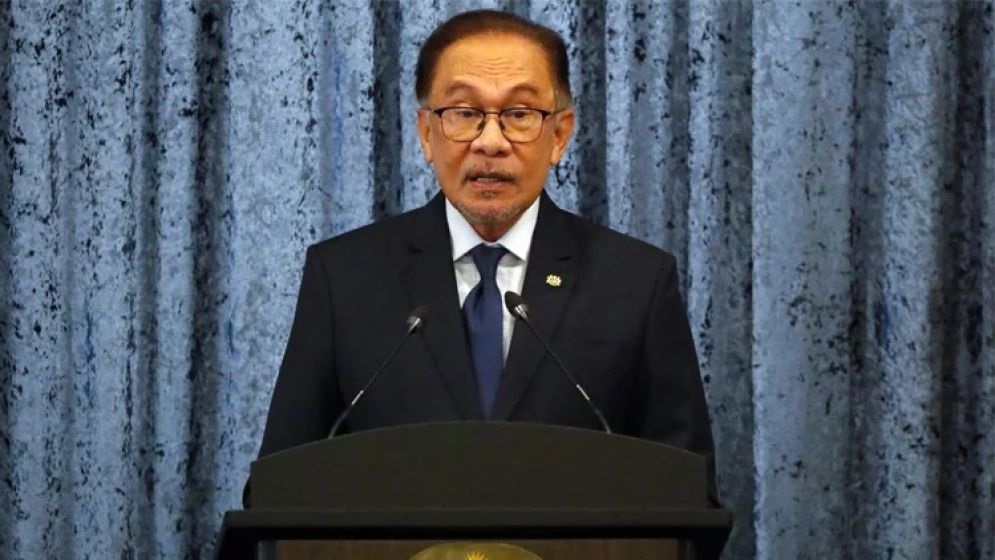
By limiting PM terms to 10 years, Anwar Ibrahim is attempting to dismantle the legacy of long-term rule and prevent a repeat of the 1MDB scandal.
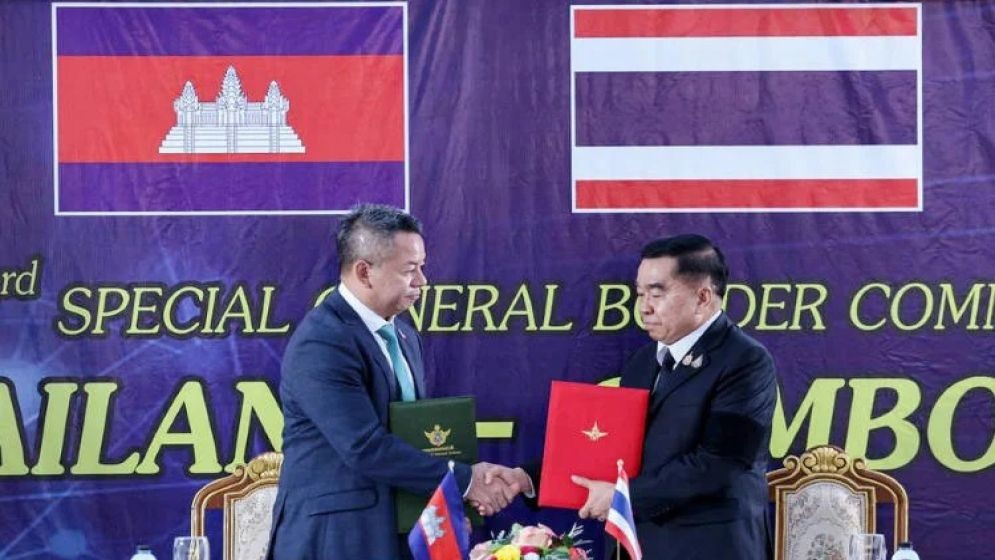
Tensions flare as Thailand accuses Cambodia of violating a 10-day-old truce. A Thai soldier was wounded by mortar fire in the disputed Emerald Triangle regio
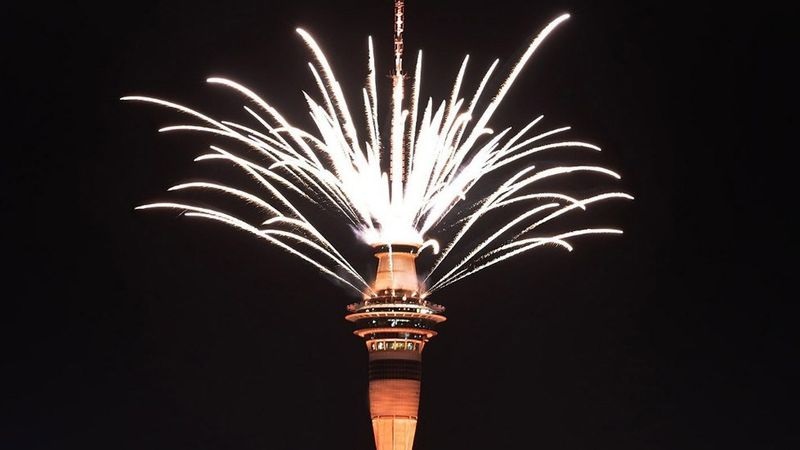
Tragedies in Sumatra and Hong Kong lead to cancelled fireworks for New Year 2026. Jakarta and HK opt for prayers and music over pyrotechnics.
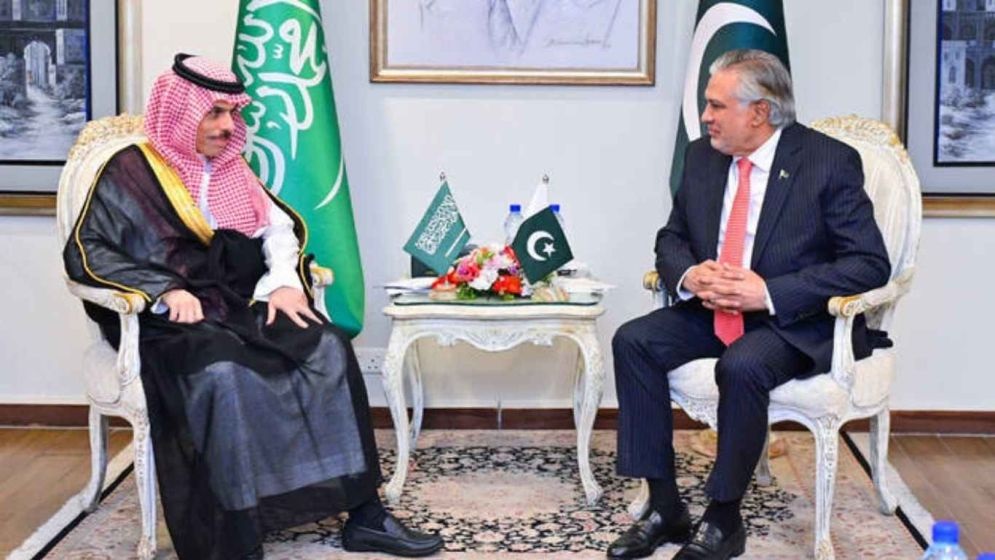
Amid escalating Saudi-UAE tensions in Yemen, Pakistan’s leadership engages in high-level diplomacy to maintain strategic ties with both Gulf partners.
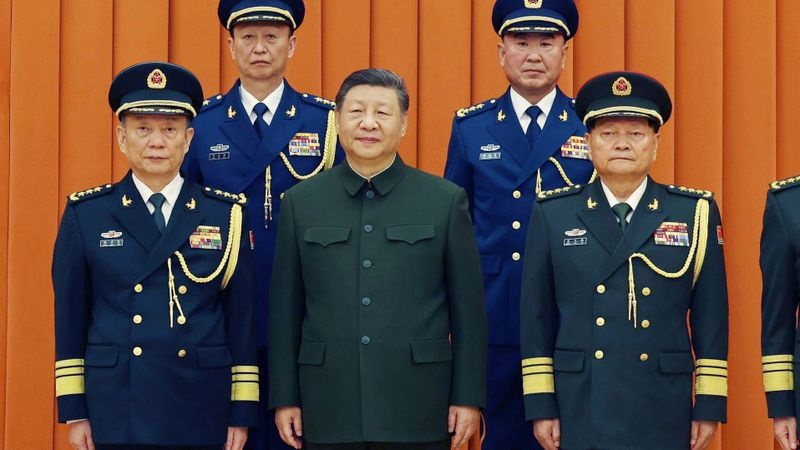
As China tests its blockade capabilities, Taiwan accelerates the ‘T-Dome’ air defense system. Inside the record $10 billion US weapons package.