Australia Day 2026 Weather: State-by-State Forecast Guide
Australia Day weather 2026, Sydney weather Australia Day, Melbourne heatwave, Perth sun, Australia Day beach guide, national forecast Jan 26.






Australia : Australia has taken a bold and historic step in the realm of digital regulation, implementing a mandatory, nationwide ban on social media access for children under the age of 16. This landmark policy, which came into effect at midnight, elevates the nation to the forefront of global efforts to enhance online child safety and platform accountability.
The core motivation behind the legislation, as stated by the eSafety Commission, is clear: “protecting young people, not punishing or isolating them.” This commitment is reflected in the law’s structure, which places zero legal liability on children or their families for accessing restricted content.
To fall under the new restriction, a platform must meet four specific conditions: its purpose must be sole or significant online social interaction; it must allow users to link/interact; it must allow users to post material; and that material must be accessible in Australia.
This definition immediately restricts access to the most dominant platforms, including TikTok, Instagram, Facebook, X, YouTube, Reddit, Snapchat, Threads, Kick, and Twitch.
The eSafety Commission is now empowered to monitor and enforce penalties, prioritizing platform accountability. The law specifies that platforms must take “reasonable steps” to block and remove under-16 users. Failure to comply can result in the eSafety Commission pursuing court action, which could lead to massive civil penalties—most notably fines of up to $49.5 million.
eSafety Commissioner Julie Inman Grant confirmed her powers have now “kicked in,” and the process of information gathering and issuing compliance notices will begin immediately.
For all Australians, the new law introduces a significant change to account creation. While existing users over 16 remain unaffected, new users may be prompted to verify their age through facial verification technology or a government-issued ID. Crucially, the law mandates that platforms must also provide alternative verification options, ensuring users are not compelled to share sensitive personal identification documents.
The government anticipates that children will inevitably seek new digital spaces. The new law has currently exempted several platforms that either serve an educational purpose or are primarily geared toward communication or gaming, such as Discord, Roblox, WhatsApp, and Pinterest.
However, Communications Minister Anika Wells has issued a warning shot, stating that platforms like Yope, Lemon8, and even professional networking site LinkedIn are now under the eSafety Commission’s watchful eye. The Commission will assess where children migrate and reserves the right to expand the scope of the ban to any platform that meets the criteria, further cementing Australia’s commitment to adapting its laws to the ever-evolving digital landscape.
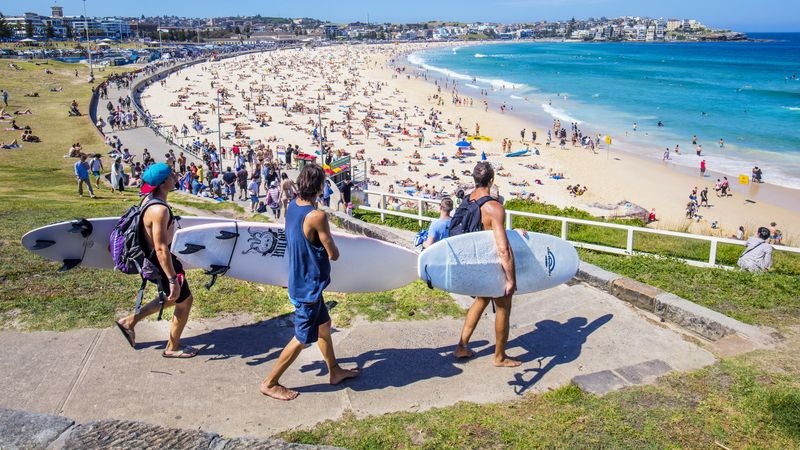
Australia Day weather 2026, Sydney weather Australia Day, Melbourne heatwave, Perth sun, Australia Day beach guide, national forecast Jan 26.

Residents in Pinjarra can return to normal activities after WA Police located the man at the center of today’s armed search. Read the full timeline here.
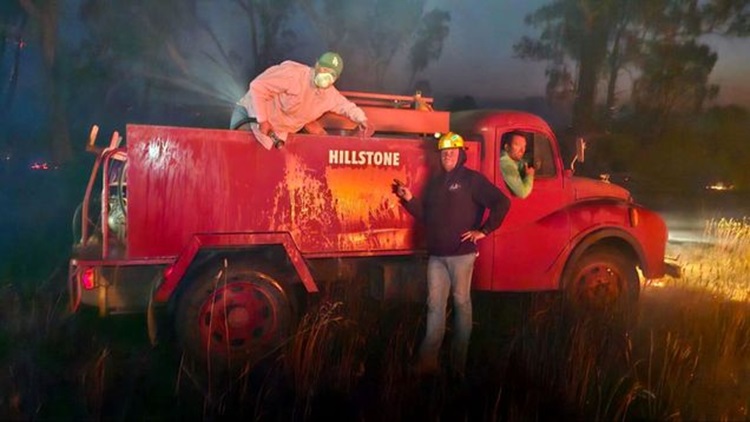
While the Longwood bushfire destroyed 30 homes and community landmarks in Ruffy, a group of residents stayed behind to save eight properties using vintage equipment.
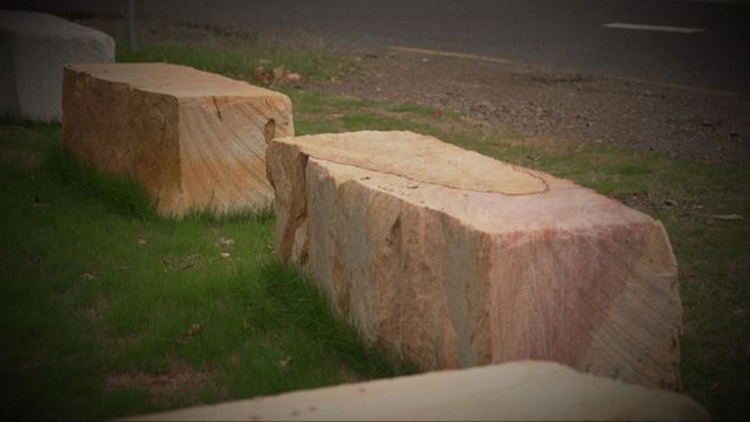
The internet is buzzing with theories after 25 tonnes of sandstone vanished in Speers Point. From “backyard Great Walls” to aliens, see the wildest theories.

PM Albanese and Premier Allan announce a $19.5 million relief package as Victoria’s bushfires destroy 350+ structures. Learn how to apply for help.
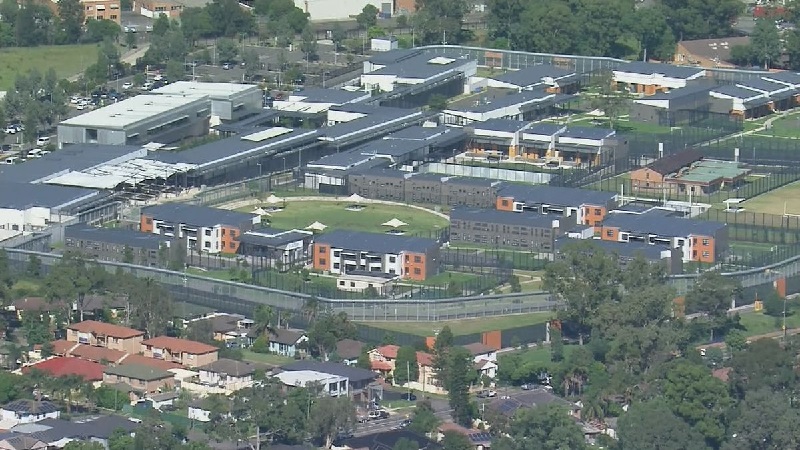
Police are investigating the suspicious death of a 51-year-old man at Sydney’s Villawood Detention Centre. Read the latest on the investigation.

As Fun2Learn Rosehill is shut down, we examine what the NSW government’s new ‘zero tolerance’ policy means for parents and childcare providers.
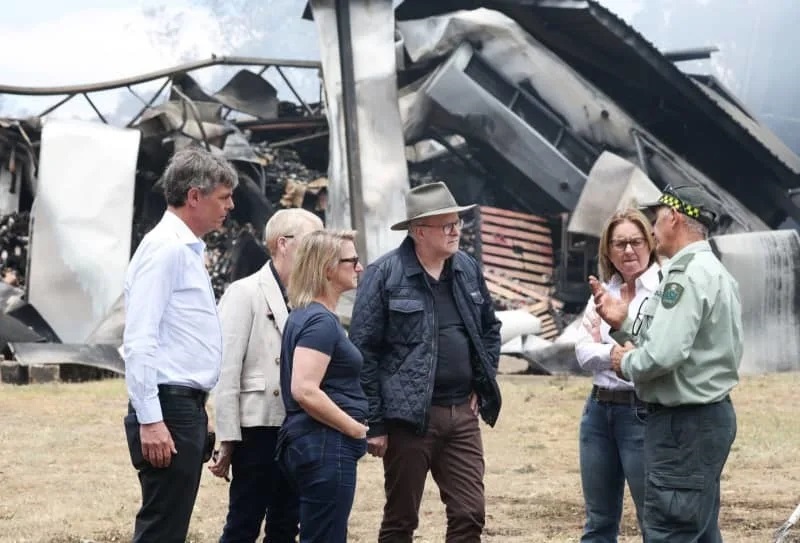
Prime Minister Anthony Albanese and Premier Jacinta Allan have visited Victorian bushfire zones as police confirm a fatality in Longwood.