Australia Day 2026 Weather: State-by-State Forecast Guide
Australia Day weather 2026, Sydney weather Australia Day, Melbourne heatwave, Perth sun, Australia Day beach guide, national forecast Jan 26.





CANBERRA: While Australia’s federal ban on social media for children under 16 is intended as a protective measure, the sweeping restriction has triggered alarm among advocates for LGBTQ+ and autistic youth, who argue the law dismantles essential online support structures and communities.
Surveys conducted by Minus18, a group supporting under-18 LGBTQ+ communities, revealed that the loss of access could be devastating. Of nearly 1,000 young respondents, 96% said social media was important for accessing friends and support, and 82% believed a ban would leave them disconnected.
For many teenagers who are geographically or socially isolated, the anonymity of the internet provides a crucial safe space.

Jacinta Hickey, 14, says she is old enough to know right from wrong
Brisbane schoolgirl Sadie Angus, 13, who is now being kicked off her Instagram account, said she often prefers the anonymity of the online world. “I can admit more things on there than I can in real life,” she explained. “I use it as a safe space to share what I’ve had to go through and since nobody knows who I am, they can’t come to me in real life and talk about it and that feels kind of comforting.”
Her mother, Kath Angus, was frustrated by the ban, noting that Sadie was “being exposed to some really amazing role models through social media, particularly in the queer community which I think is really healthy for young adolescents.”
The ban also raises particular concerns for the neurodiverse community. Sharon Fraser, CEO of Reframing Autism, noted that autistic young people “communicate and socialise differently.”
“Online can be a very beneficial place for autistic people and there are ways to connect online that are just not accessible to them in real life,” Fraser said, suggesting the blanket restriction overlooks the nuanced ways in which these individuals form crucial social bonds.

Lola, 12, is in favour of the ban
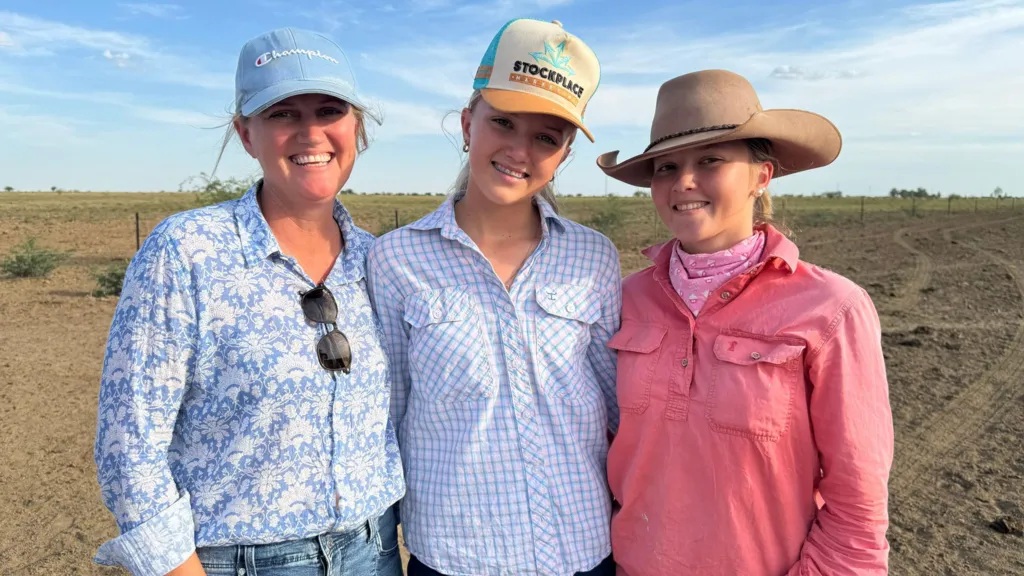
Proponents of the ban, including Sydney principal Iris Nastasi, focus on the need to “preserve the innocence” of childhood. Conversely, critics like mother Megan Easton, who educates her children on a remote cattle station, argue that delaying access to 16 prevents parents from teaching their children digital literacy before they enter a legally unsupervised adult digital world.
The debate underscores the conflict between a government seeking to mitigate easily quantifiable harms like bullying and the less visible, yet vital, social benefits that vulnerable youth derive from digital communities.
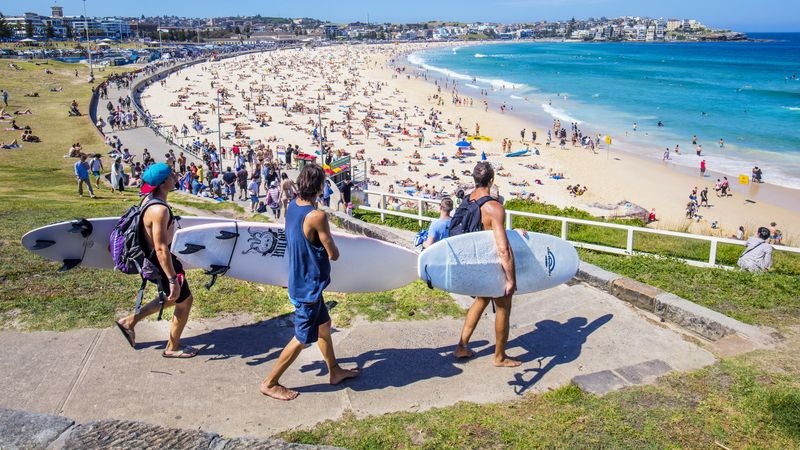
Australia Day weather 2026, Sydney weather Australia Day, Melbourne heatwave, Perth sun, Australia Day beach guide, national forecast Jan 26.

Residents in Pinjarra can return to normal activities after WA Police located the man at the center of today’s armed search. Read the full timeline here.
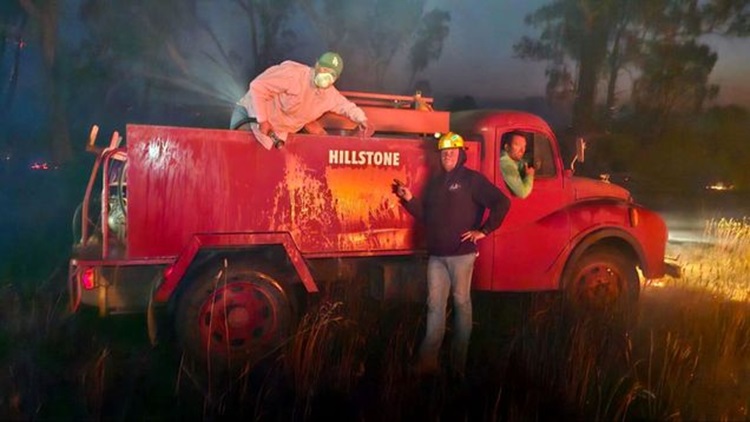
While the Longwood bushfire destroyed 30 homes and community landmarks in Ruffy, a group of residents stayed behind to save eight properties using vintage equipment.
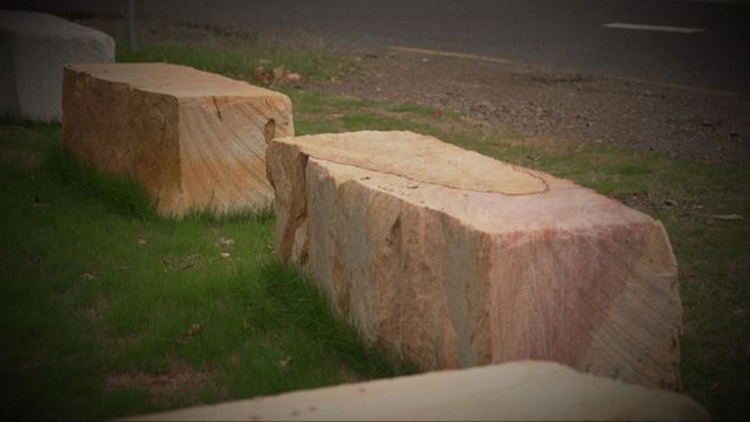
The internet is buzzing with theories after 25 tonnes of sandstone vanished in Speers Point. From “backyard Great Walls” to aliens, see the wildest theories.

PM Albanese and Premier Allan announce a $19.5 million relief package as Victoria’s bushfires destroy 350+ structures. Learn how to apply for help.
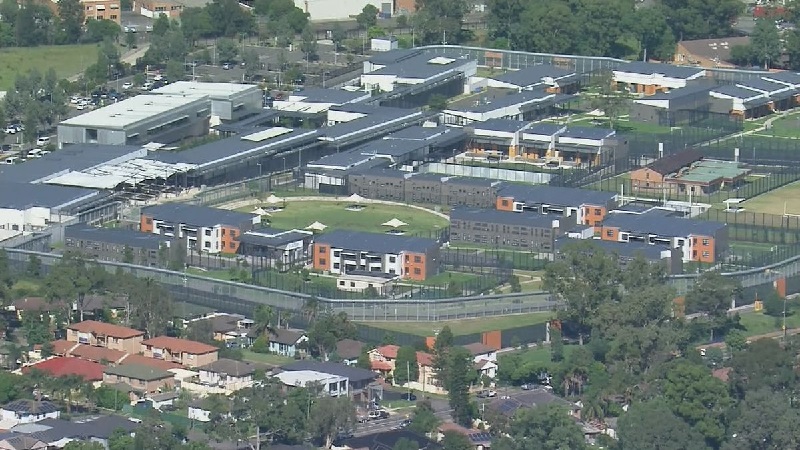
Police are investigating the suspicious death of a 51-year-old man at Sydney’s Villawood Detention Centre. Read the latest on the investigation.

As Fun2Learn Rosehill is shut down, we examine what the NSW government’s new ‘zero tolerance’ policy means for parents and childcare providers.
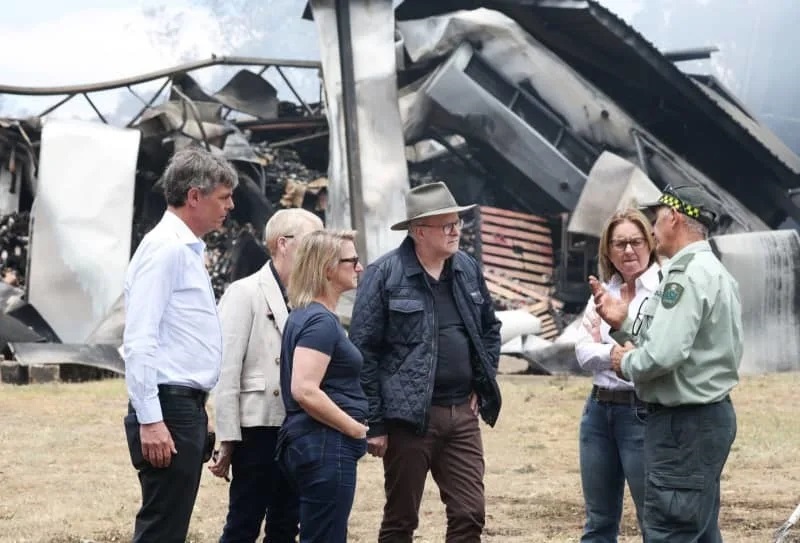
Prime Minister Anthony Albanese and Premier Jacinta Allan have visited Victorian bushfire zones as police confirm a fatality in Longwood.