IRGC Signals Permanent Shift in Strait of Hormuz Operations
Iran’s Revolutionary Guards announce new operating conditions for the Strait of Hormuz, effectively ending previous maritime status for US and Israeli vessels.





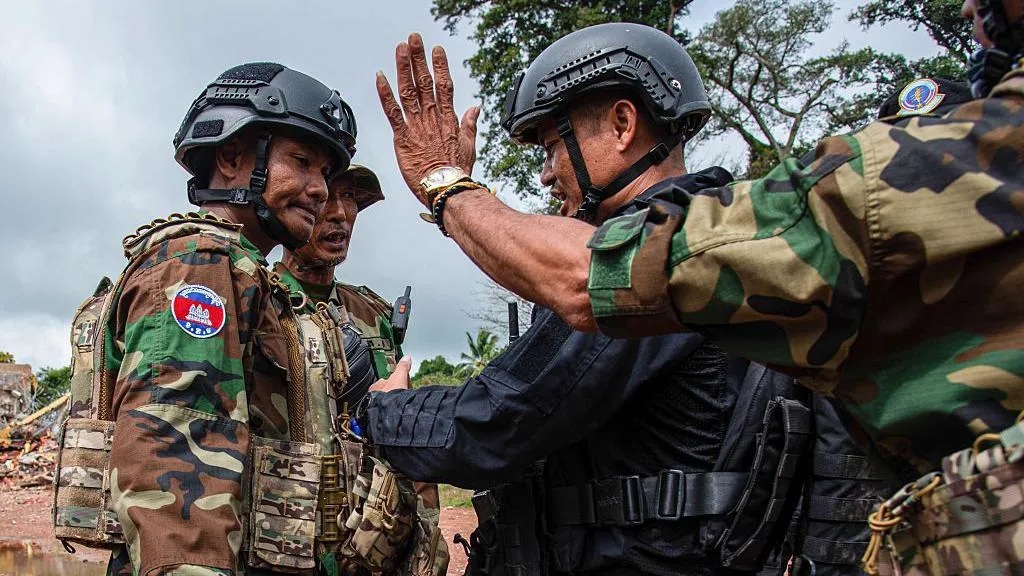
CAMBODIAN BORDER: Just five months after a US-brokered ceasefire was implemented, the Thai-Cambodian border is once again engulfed in conflict, forcing residents in a corridor stretching for hundreds of kilometers to flee for the second time this year. Families and their pets now sit in temporary shelters, fearing a cycle of perpetual displacement caused by an escalating “gulf of mistrust” between the two nations.
The new hostilities were ignited by a seemingly minor incident on Sunday: Cambodian troops reportedly fired on a Thai engineering team working on an access road in the disputed area, injuring two Thai soldiers. In previous years, such an incident might have been resolved by swift diplomacy, but the total absence of trust has instead fueled an intense return to artillery and air strikes.
The breakdown of relations is attributed to actions on both sides following the initial July ceasefire. Thailand, uneasy with the US internationalizing the conflict, and Cambodia, happy to welcome outside intervention as the smaller party, both entered the accord reluctantly.
Since then, the evidence of bad faith has mounted:
Landmines: Cambodia is accused of laying new landmines, a highly provocative action that has already resulted in seven Thai soldiers losing limbs.
Prisoners: Thailand has refused to release the 18 Cambodian soldiers captured during the July fighting, accused of operating in bad faith.
Compounding the crisis is a decisive shift in the Thai government’s approach. Beset by domestic challenges, Prime Minister Anutin Charvirakul has given the Thai armed forces complete authority (“carte blanche”) to manage the conflict as they see fit.
The military’s new mandate is clear: abandon restraint and achieve strategic objectives, primarily by securing “hill-top positions” that will grant a greater tactical advantage over Cambodian forces. The ultimate goal is to inflict sufficient damage to eliminate future threats to border communities.
The conflict, while centered on “tiny slivers of mostly unpopulated land,” is now threatening the stability of the entire border region, with residents facing the agonizing question of when they can safely return home—and when they will be forced to run again.
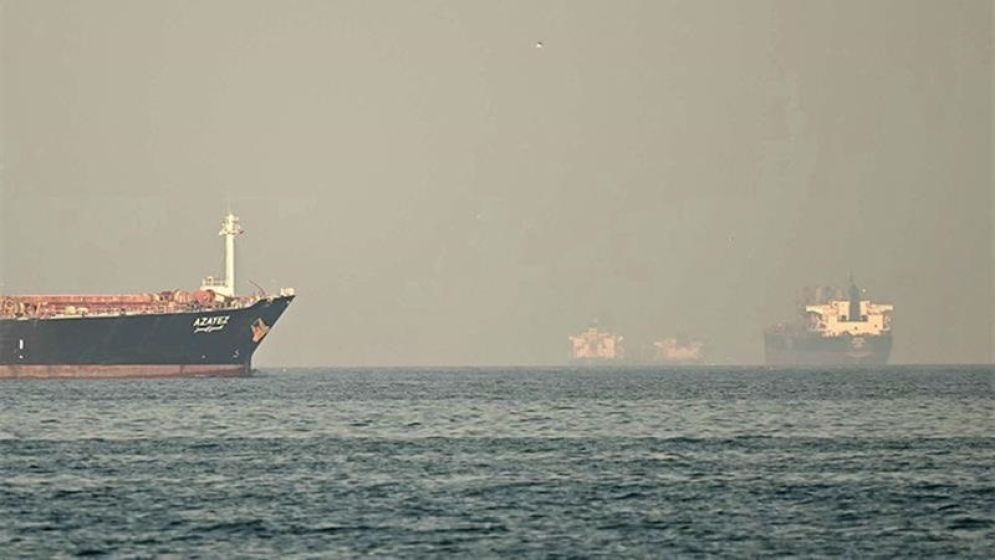
Iran’s Revolutionary Guards announce new operating conditions for the Strait of Hormuz, effectively ending previous maritime status for US and Israeli vessels.
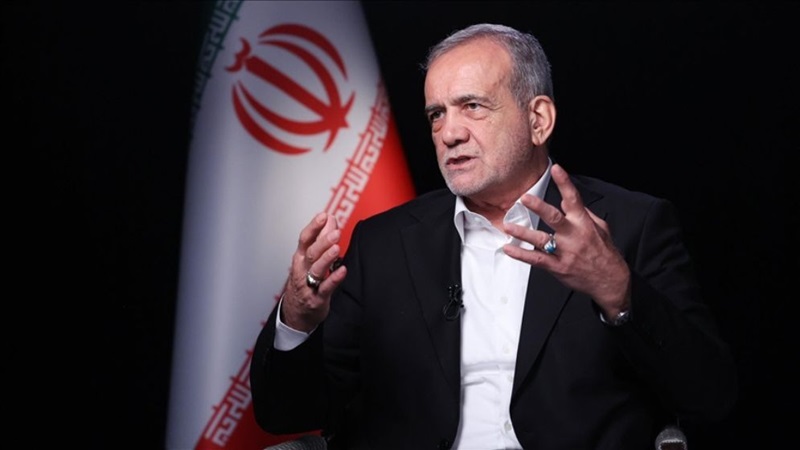
Iran President Pezeshkian addresses the nation as economic protests turn deadly. A “significant” death toll is reported following the rial’s collapse.
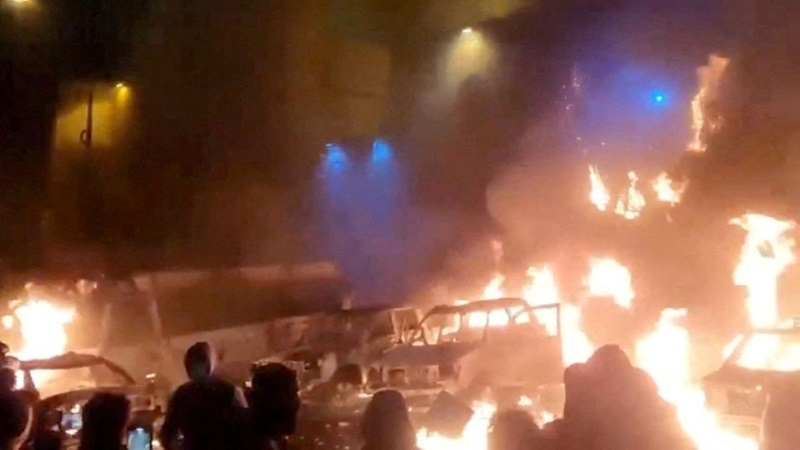
Rights groups report at least 540 deaths in Iran’s violent suppression of nationwide protests. Trump eyes Starlink as Tehran keeps internet offline.
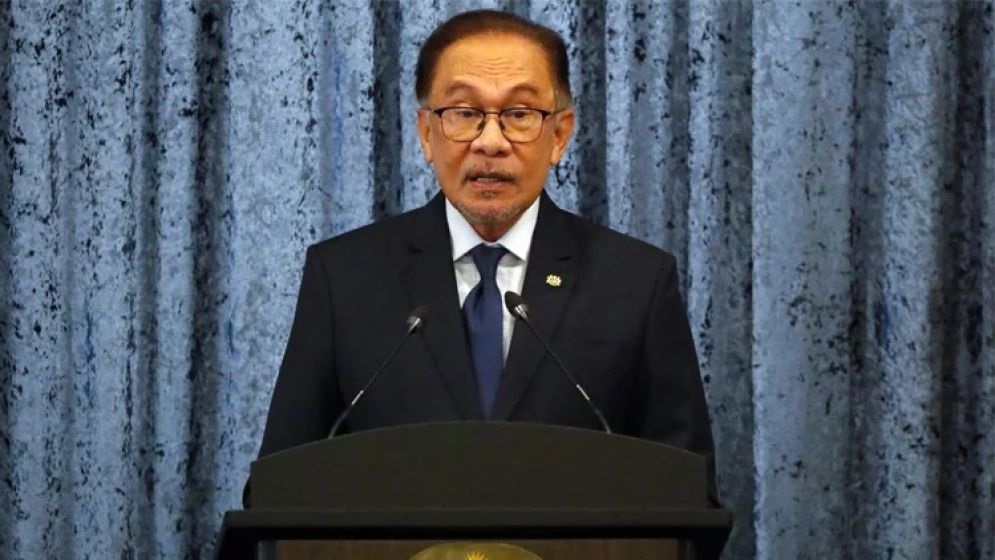
By limiting PM terms to 10 years, Anwar Ibrahim is attempting to dismantle the legacy of long-term rule and prevent a repeat of the 1MDB scandal.
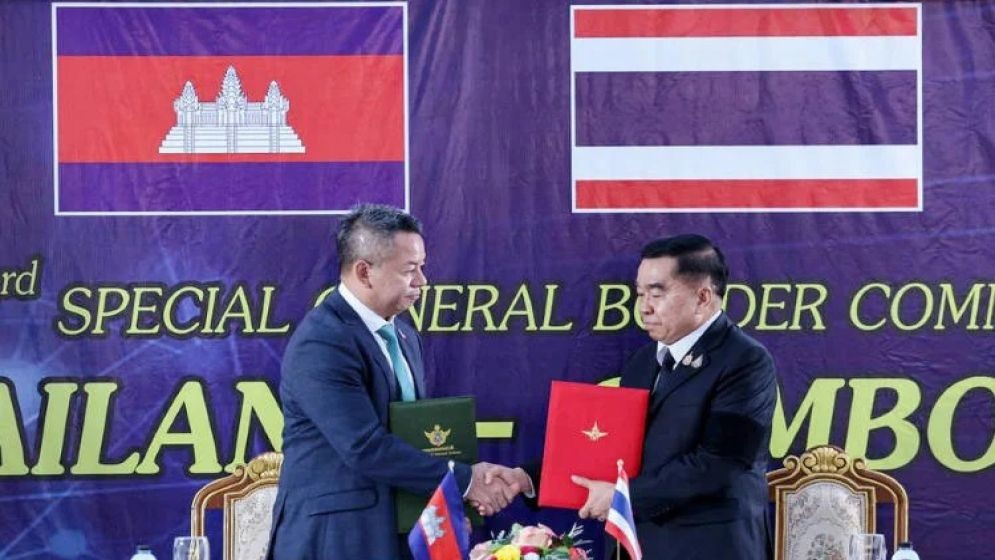
Tensions flare as Thailand accuses Cambodia of violating a 10-day-old truce. A Thai soldier was wounded by mortar fire in the disputed Emerald Triangle regio
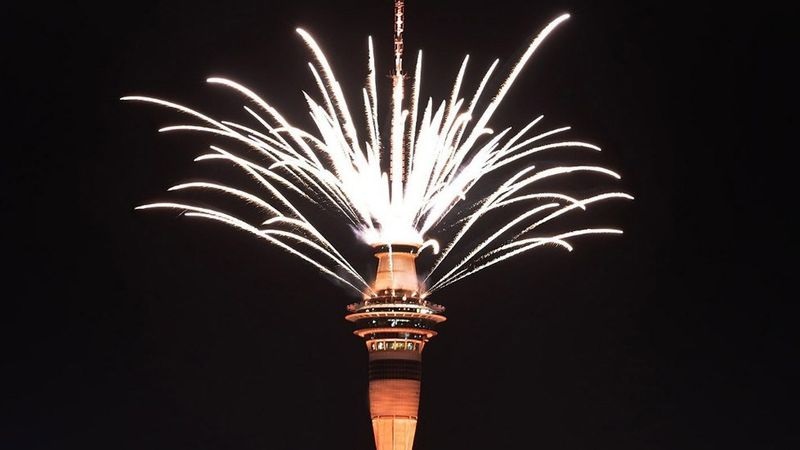
Tragedies in Sumatra and Hong Kong lead to cancelled fireworks for New Year 2026. Jakarta and HK opt for prayers and music over pyrotechnics.
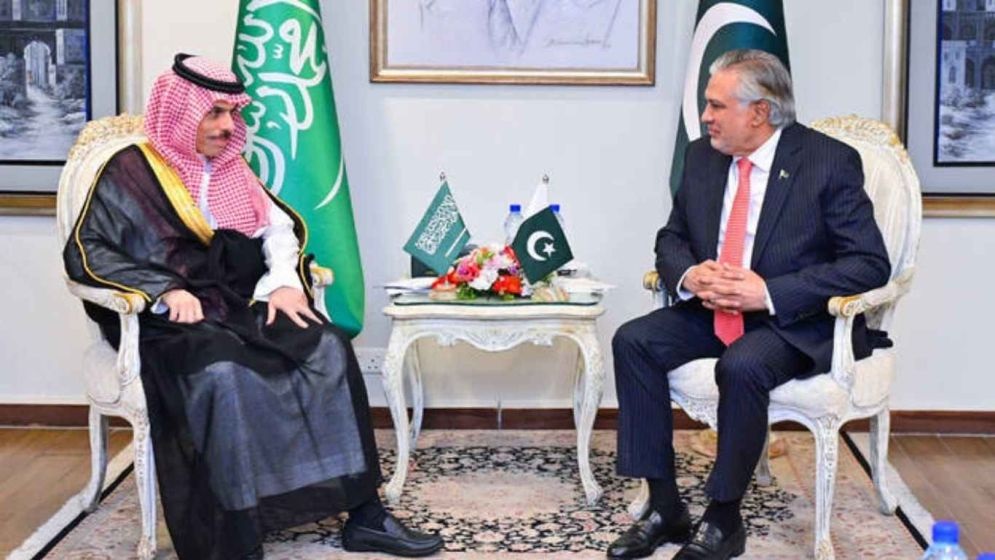
Amid escalating Saudi-UAE tensions in Yemen, Pakistan’s leadership engages in high-level diplomacy to maintain strategic ties with both Gulf partners.
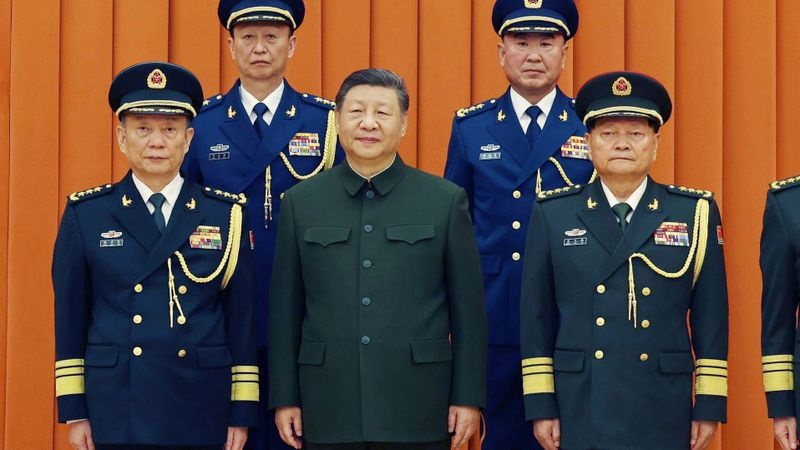
As China tests its blockade capabilities, Taiwan accelerates the ‘T-Dome’ air defense system. Inside the record $10 billion US weapons package.