IRGC Signals Permanent Shift in Strait of Hormuz Operations
Iran’s Revolutionary Guards announce new operating conditions for the Strait of Hormuz, effectively ending previous maritime status for US and Israeli vessels.





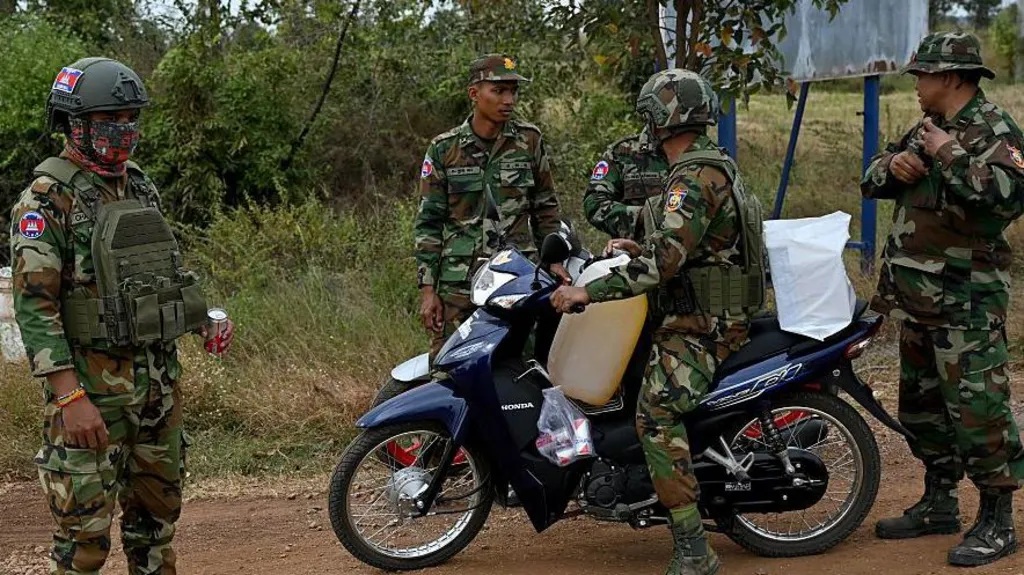
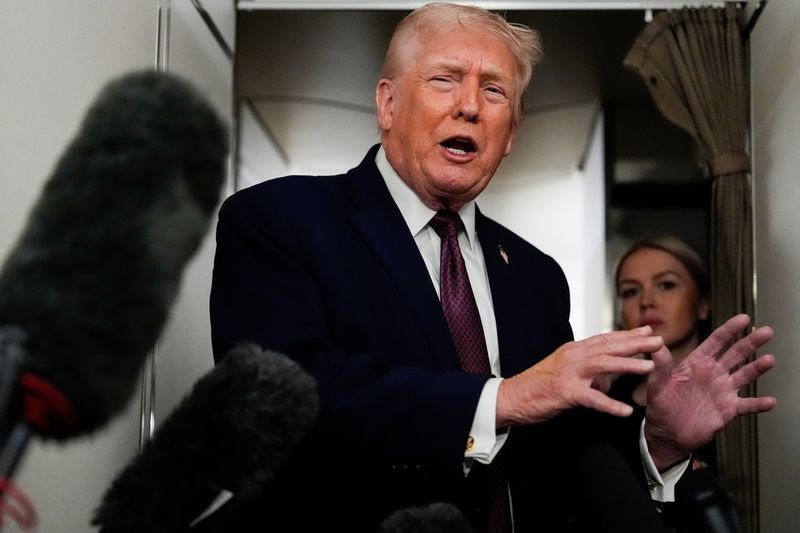
BANGKOK — Fighting between Thai and Cambodian forces continued early Saturday, directly contradicting a public claim by US President Donald Trump that he had successfully brokered a ceasefire between the two Southeast Asian nations.
Hours after Trump announced on social media that the two countries had agreed to “cease shooting effective this evening,” both sides reported continued heavy bombing and artillery exchanges across the disputed 800km border. Cambodia’s defence ministry claimed Thai F-16 fighter jets dropped seven bombs on civilian infrastructure, while Thailand reported several civilians were injured by Cambodian rocket fire.
(H2) Thai PM: “Our Actions Already Spoke”
Thai Prime Minister Anutin Charnvirakul firmly refuted the notion of an immediate truce, stating publicly that he informed President Trump that a ceasefire was contingent on specific actions from Phnom Penh.
“Thailand will continue to perform military actions until we feel no more harm and threats to our land and people,” Anutin wrote on social media, adding a pointed message: “I want to make it clear. Our actions this morning already spoke.”
Thailand’s non-negotiable conditions for a truce are the withdrawal of all Cambodian forces from contested areas and the removal of landmines, which Bangkok accuses Cambodia of newly laying since a previous truce.
Cambodia, meanwhile, maintained that it must fight on to protect its sovereignty and is urging the US not to link the conflict to trade, a tactic Trump successfully used to enforce a previous ceasefire in July.
(H3) Failed Mediation and Humanitarian Crisis
The renewed fighting, which escalated this week after a skirmish injured two Thai soldiers, has resulted in at least 21 deaths and the evacuation of 700,000 people on both sides of the border.
The current hostilities threaten to unravel the “immediate and unconditional ceasefire” formalised at a ceremony in Malaysia in October, which was presided over by President Trump and brokered with Malaysian Prime Minister Anwar Ibrahim. Since that deal, both nations have traded accusations of ceasefire violations, highlighting the deep-seated nature of the territorial dispute, which dates back to borders drawn by French cartographers in 1907.
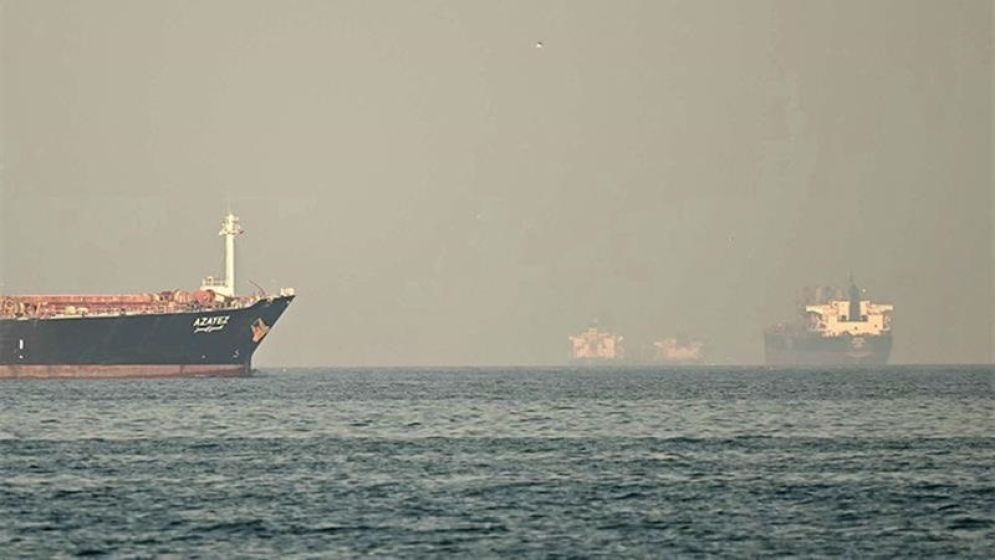
Iran’s Revolutionary Guards announce new operating conditions for the Strait of Hormuz, effectively ending previous maritime status for US and Israeli vessels.
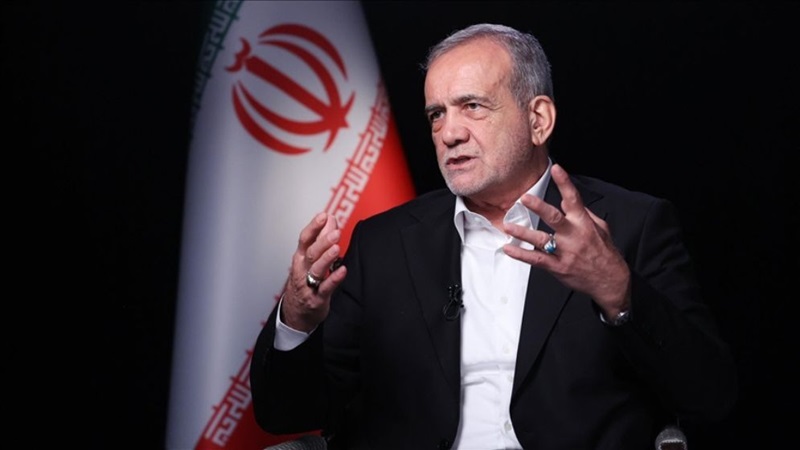
Iran President Pezeshkian addresses the nation as economic protests turn deadly. A “significant” death toll is reported following the rial’s collapse.
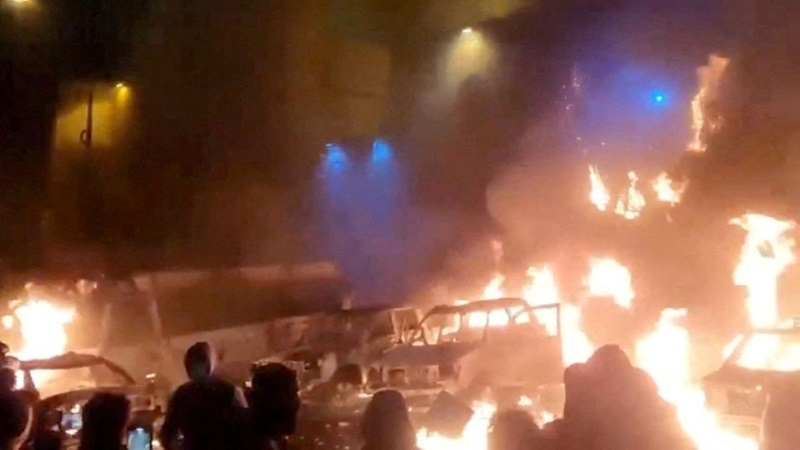
Rights groups report at least 540 deaths in Iran’s violent suppression of nationwide protests. Trump eyes Starlink as Tehran keeps internet offline.
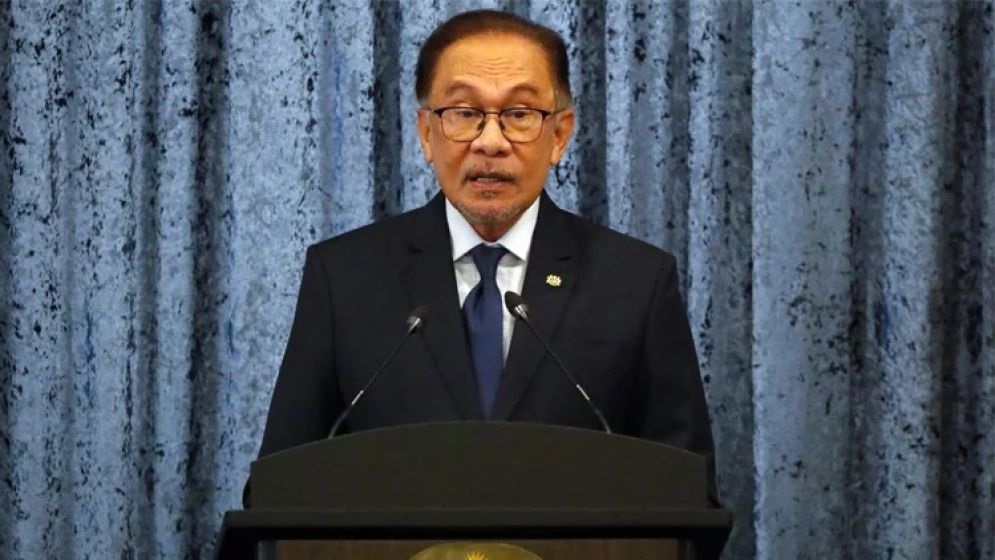
By limiting PM terms to 10 years, Anwar Ibrahim is attempting to dismantle the legacy of long-term rule and prevent a repeat of the 1MDB scandal.
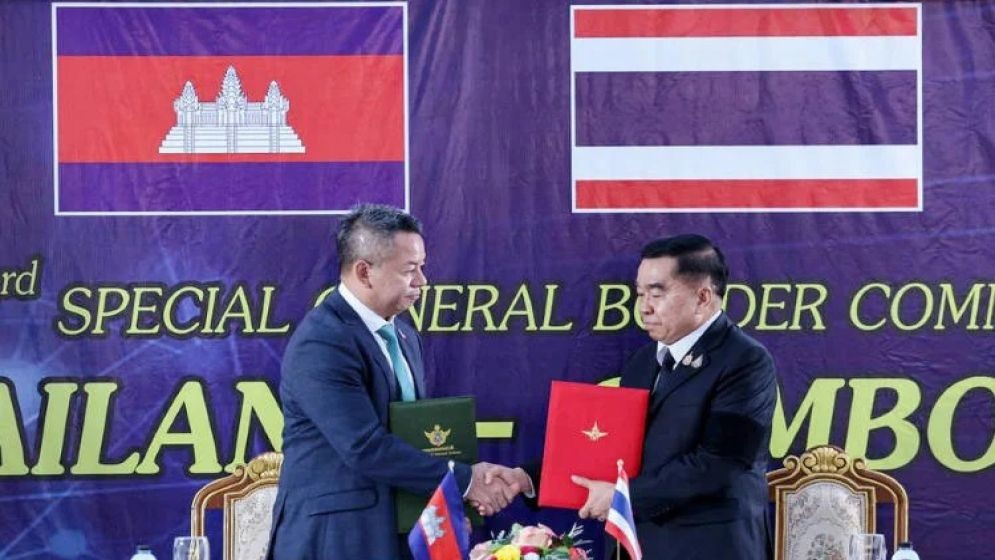
Tensions flare as Thailand accuses Cambodia of violating a 10-day-old truce. A Thai soldier was wounded by mortar fire in the disputed Emerald Triangle regio
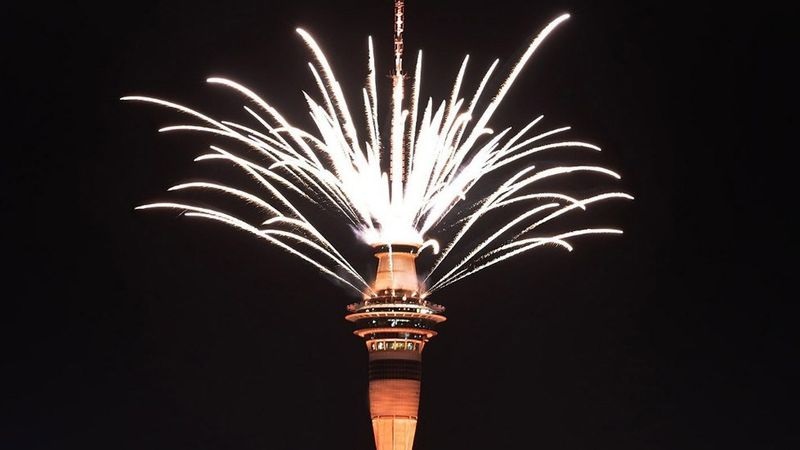
Tragedies in Sumatra and Hong Kong lead to cancelled fireworks for New Year 2026. Jakarta and HK opt for prayers and music over pyrotechnics.
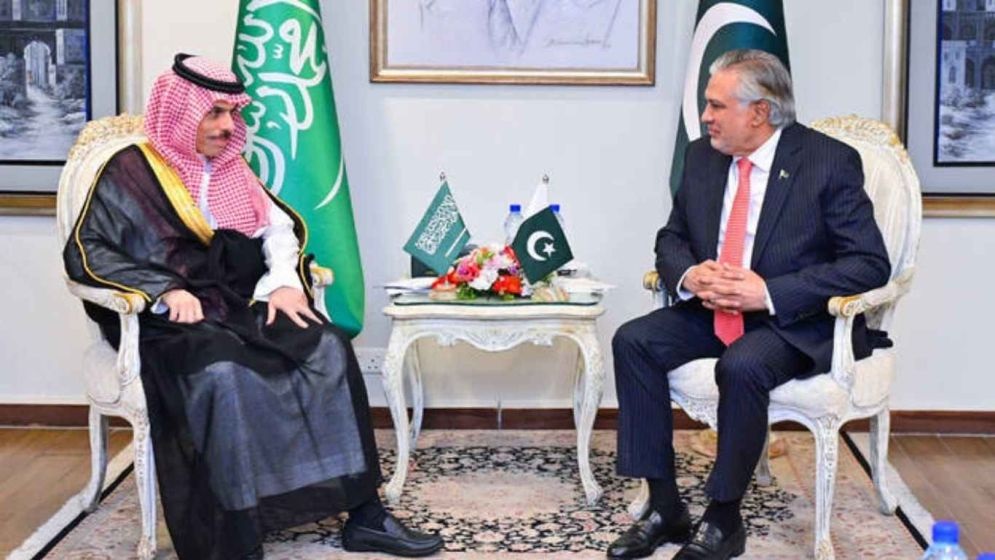
Amid escalating Saudi-UAE tensions in Yemen, Pakistan’s leadership engages in high-level diplomacy to maintain strategic ties with both Gulf partners.
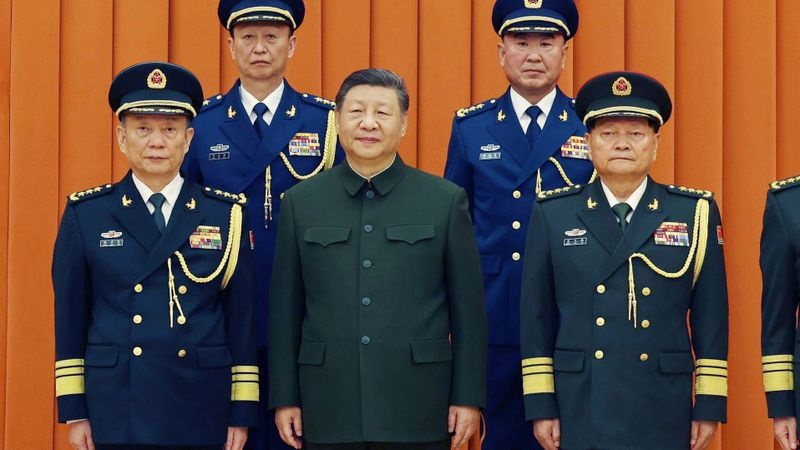
As China tests its blockade capabilities, Taiwan accelerates the ‘T-Dome’ air defense system. Inside the record $10 billion US weapons package.