IRGC Signals Permanent Shift in Strait of Hormuz Operations
Iran’s Revolutionary Guards announce new operating conditions for the Strait of Hormuz, effectively ending previous maritime status for US and Israeli vessels.





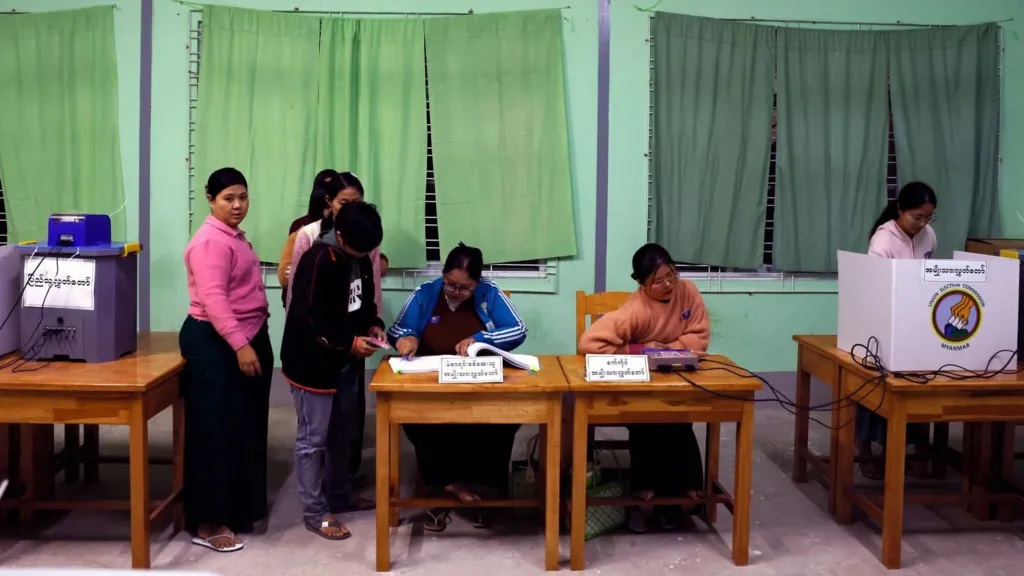
Dhaka: Myanmar commenced the first phase of its widely criticized general election on Sunday, marking the first time the country has gone to the polls since the 2021 military coup.
The voting is being conducted in a staggered, three-phase format, with the initial round covering 102 of the country’s 330 townships. Security was heavily tightened across major urban centers like Yangon and Naypyidaw, where armed guards were stationed at polling sites and military vehicles patrolled the streets. Despite the junta’s efforts to present an image of “democratic normality,” the day was marred by violence.
Reports surfaced of a rocket attack in the Mandalay region that injured three people, while explosions in Myawaddy near the Thai border reportedly resulted in the death of a child.

Voters queue to cast their ballots in Yangon, Myanmar
The military government, led by Senior General Min Aung Hlaing, has defended the polls as a necessary step to return the country to a multi-party system. However, the international community and domestic opposition groups have largely dismissed the exercise as a sham.
Over 40 political parties, including the hugely popular National League for Democracy (NLD) led by the imprisoned Aung San Suu Kyi, have been dissolved and were barred from participating. While 57 parties are competing in the election, only six, including the military-backed Union Solidarity and Development Party (USDP), have the resources to field candidates nationwide.

Junta chief Min Aung Hlaing cast his ballot in the capital Nay Pyi Taw
The logistical challenges of the election are immense, as the military has lost control over significant portions of the country to ethnic armies and resistance groups. Consequently, as much as half the nation’s population is not expected to participate in the vote.
UN Special Rapporteur Tom Andrews has urged the global community to reject the results, describing the process as “theatre of the absurd performed at gunpoint.” With the second and third phases scheduled for January 11 and January 25, the final results are not expected until late January 2026.
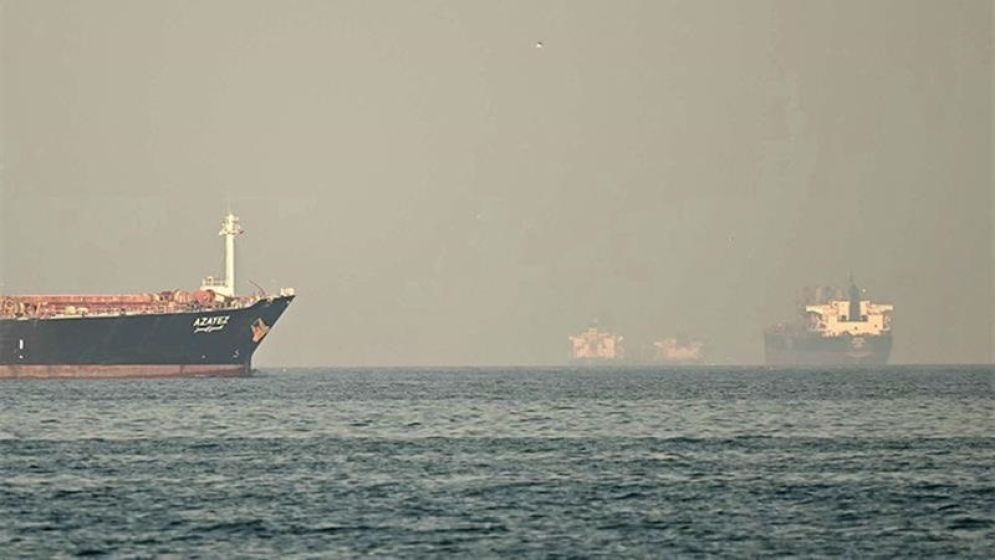
Iran’s Revolutionary Guards announce new operating conditions for the Strait of Hormuz, effectively ending previous maritime status for US and Israeli vessels.
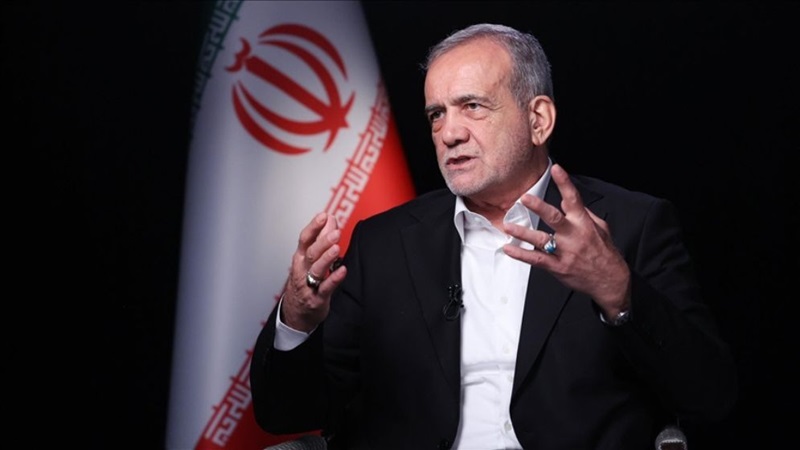
Iran President Pezeshkian addresses the nation as economic protests turn deadly. A “significant” death toll is reported following the rial’s collapse.
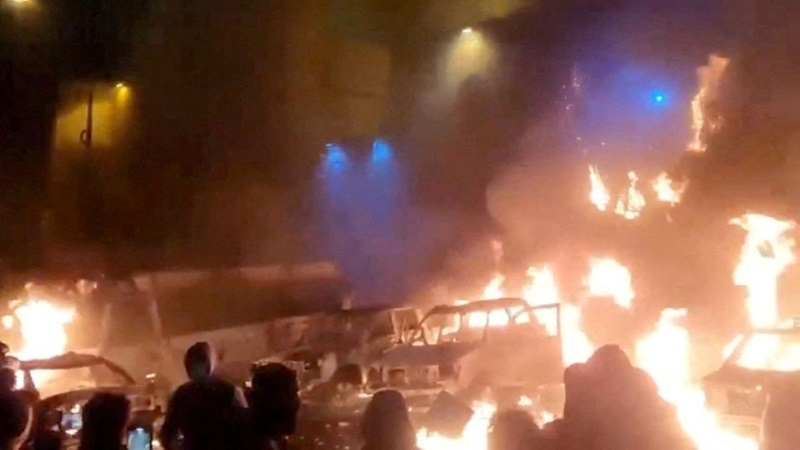
Rights groups report at least 540 deaths in Iran’s violent suppression of nationwide protests. Trump eyes Starlink as Tehran keeps internet offline.
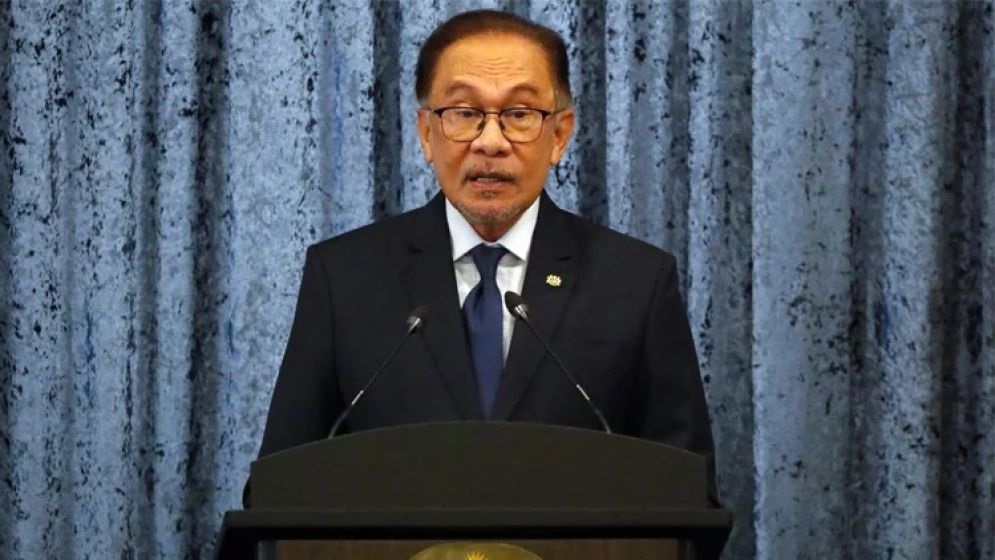
By limiting PM terms to 10 years, Anwar Ibrahim is attempting to dismantle the legacy of long-term rule and prevent a repeat of the 1MDB scandal.
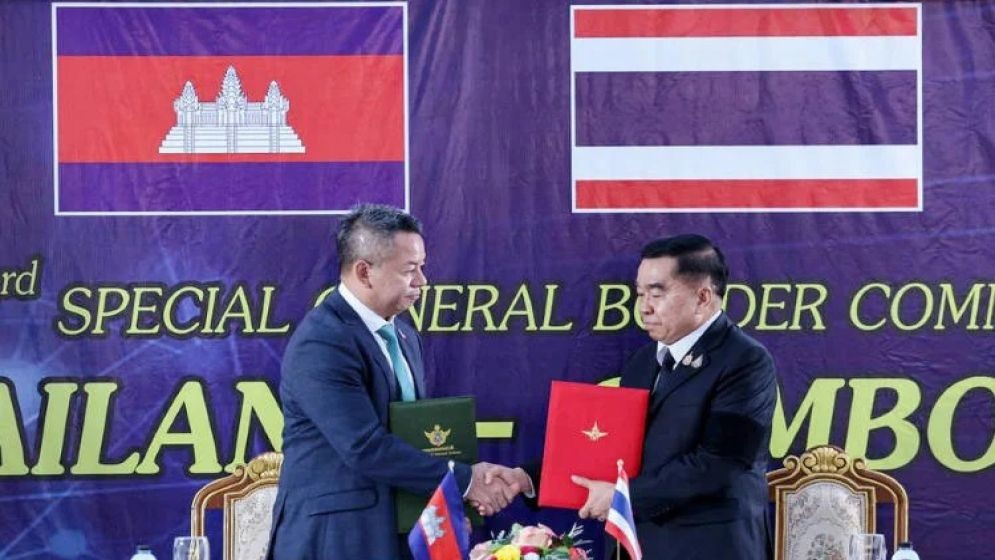
Tensions flare as Thailand accuses Cambodia of violating a 10-day-old truce. A Thai soldier was wounded by mortar fire in the disputed Emerald Triangle regio
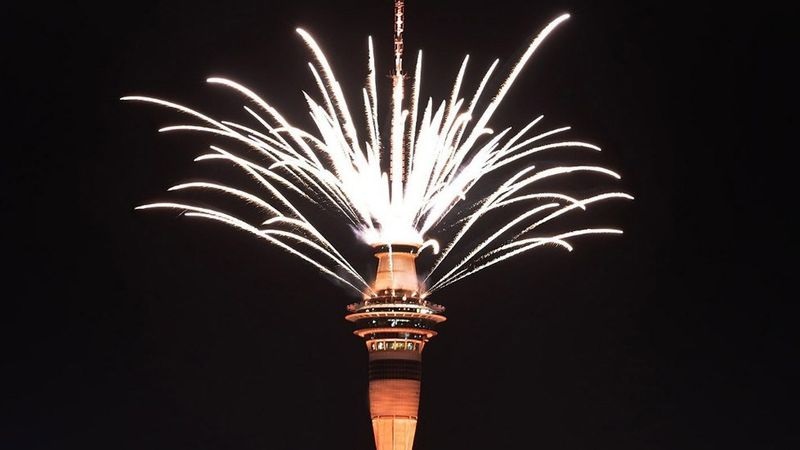
Tragedies in Sumatra and Hong Kong lead to cancelled fireworks for New Year 2026. Jakarta and HK opt for prayers and music over pyrotechnics.
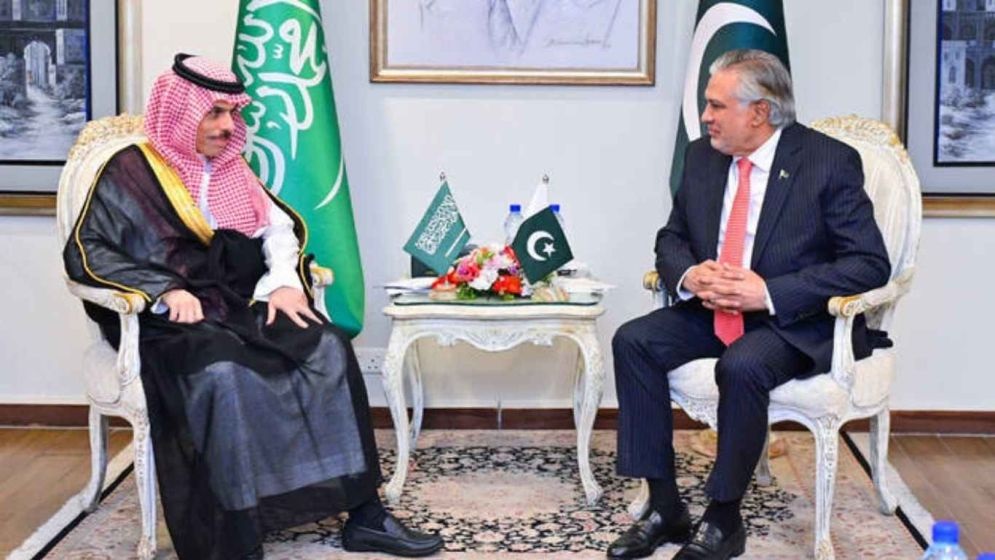
Amid escalating Saudi-UAE tensions in Yemen, Pakistan’s leadership engages in high-level diplomacy to maintain strategic ties with both Gulf partners.
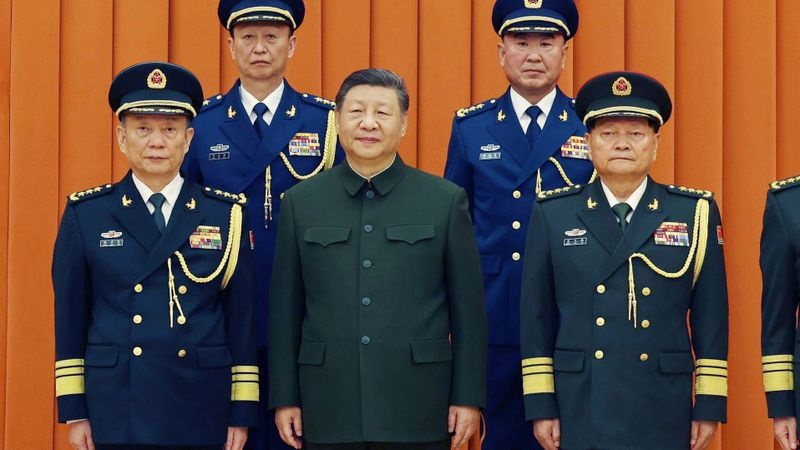
As China tests its blockade capabilities, Taiwan accelerates the ‘T-Dome’ air defense system. Inside the record $10 billion US weapons package.