IRGC Signals Permanent Shift in Strait of Hormuz Operations
Iran’s Revolutionary Guards announce new operating conditions for the Strait of Hormuz, effectively ending previous maritime status for US and Israeli vessels.





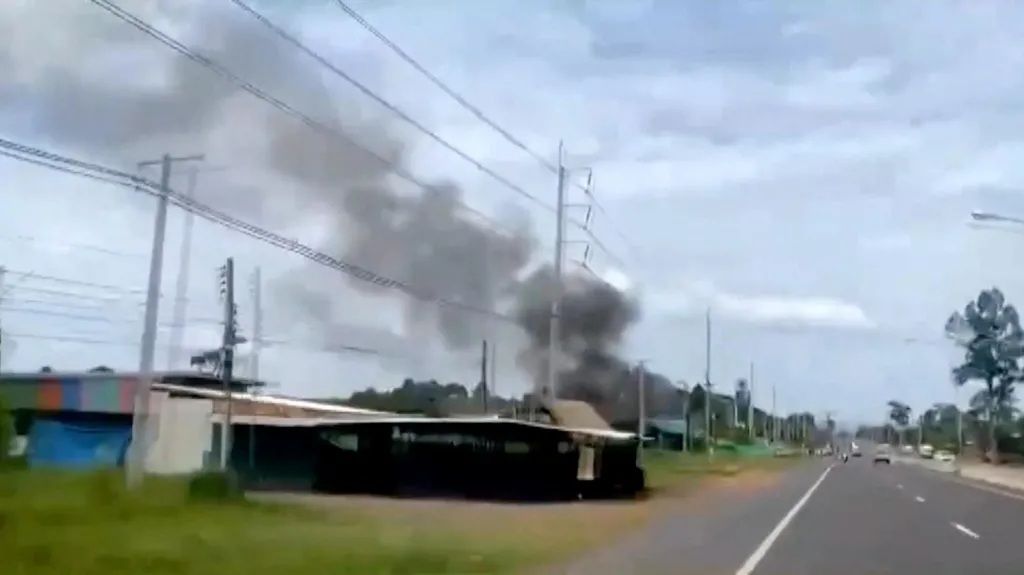
BANGKOK: The renewed, deadly conflict along the Thailand-Cambodia border is the latest eruption of a territorial dispute stretching back more than a century, deeply rooted in the post-colonial demarcation drawn after the French occupation of Cambodia.
The recent outbreak, which saw Thailand utilize airstrikes and both sides report civilian and military casualties, underscores the diplomatic fragility of the region and the failure of international mediation to resolve the core issue: sovereignty over undemarcated land.
While the dispute is old, the tensions formally escalated in 2008 when Cambodia attempted to register the 11th Century Preah Vihear temple—located in the disputed area—as a UNESCO World Heritage Site, a move fiercely contested by Thailand.
Since then, the relationship has seen sporadic but deadly clashes. The latest ramp-up began in May after a Cambodian soldier was killed, pushing bilateral ties to a decade-low. This pre-conflict phase saw both nations impose economic border restrictions, including Cambodia banning imports of Thai fruits and vegetables.

The five-day fighting that erupted in July set the stage for the current crisis, resulting in 48 deaths and the displacement of thousands. The accounts from both sides highlight the depth of mutual mistrust.
Thailand (NSC) Cambodian military deployed surveillance drones and personnel carrying rocket-propelled grenades at 07:30 GMT. Cambodian soldiers opened fire at 08:20, forcing Thai retaliation.
Cambodia (Maly Socheata) Thai soldiers violated an agreement by advancing on the temple and placing barbed wire at 06:30. Thai soldiers fired “pre-emptively” on Cambodian troops at 08:46, leaving no choice but self-defence.
Despite the intense diplomatic effort led by the U.S. and Malaysia in October, the peace agreement was short-lived. Thailand’s reluctance to even formally recognize the accord as the “Kuala Lumpar peace accord,” instead calling it a “Joint Declaration,” signaled the lack of political buy-in necessary for a lasting peace.
The security concerns remain high. The British Foreign Office currently advises against all but essential travel to border areas within 50km of the entire frontier for both countries, underscoring the risk of serious exchanges of fire that could escalate further due to a dangerous “lack of leadership with the strength and confidence to pull back from this confrontation in both countries at the moment,” according to regional analysts.
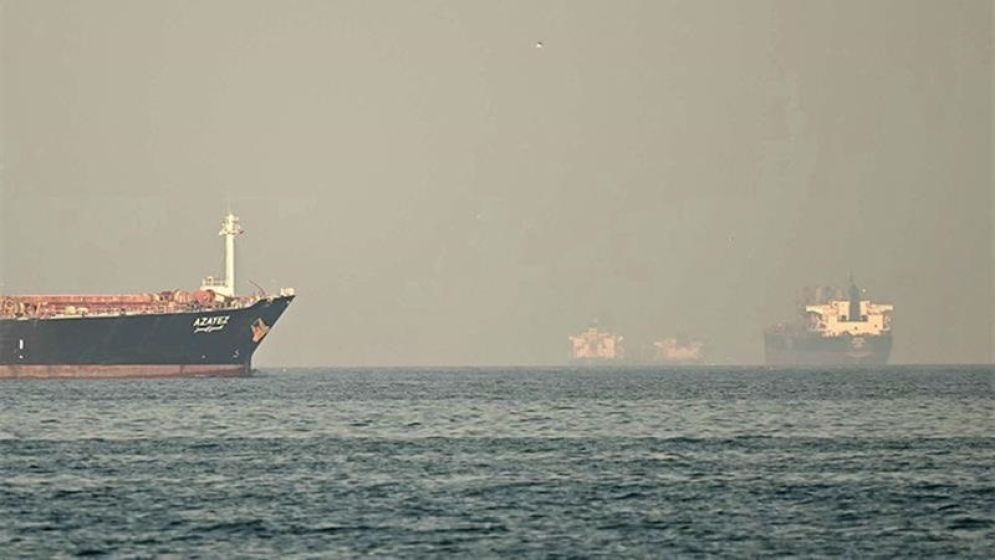
Iran’s Revolutionary Guards announce new operating conditions for the Strait of Hormuz, effectively ending previous maritime status for US and Israeli vessels.
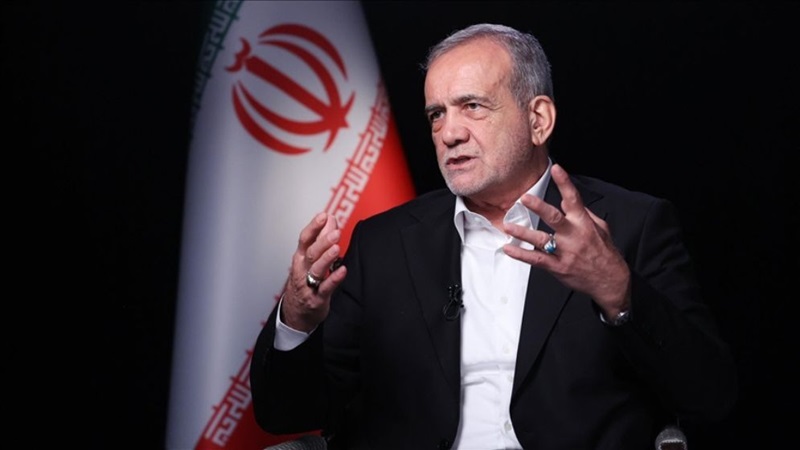
Iran President Pezeshkian addresses the nation as economic protests turn deadly. A “significant” death toll is reported following the rial’s collapse.
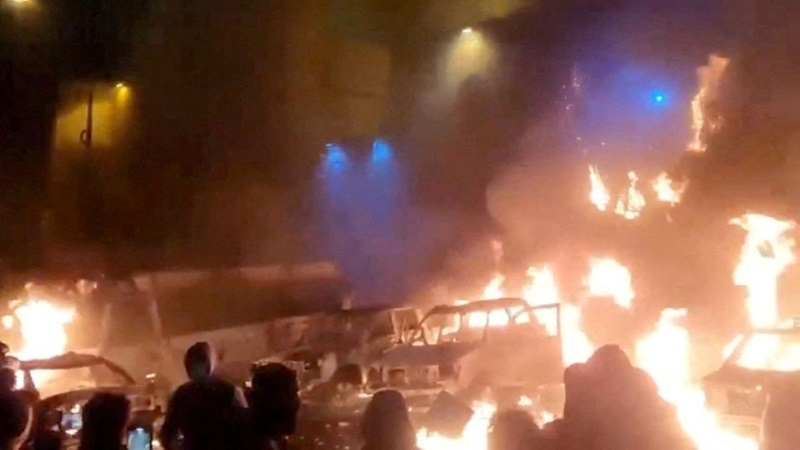
Rights groups report at least 540 deaths in Iran’s violent suppression of nationwide protests. Trump eyes Starlink as Tehran keeps internet offline.
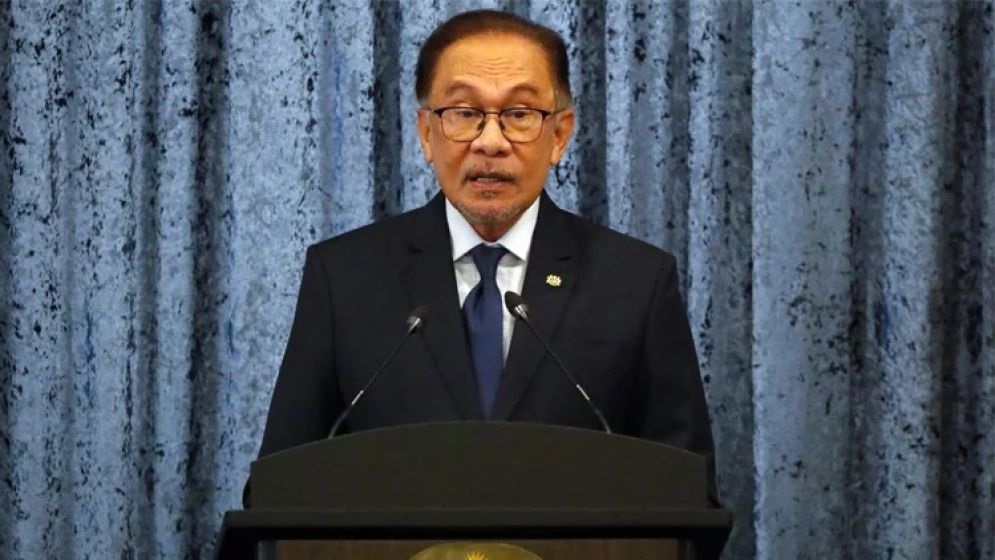
By limiting PM terms to 10 years, Anwar Ibrahim is attempting to dismantle the legacy of long-term rule and prevent a repeat of the 1MDB scandal.
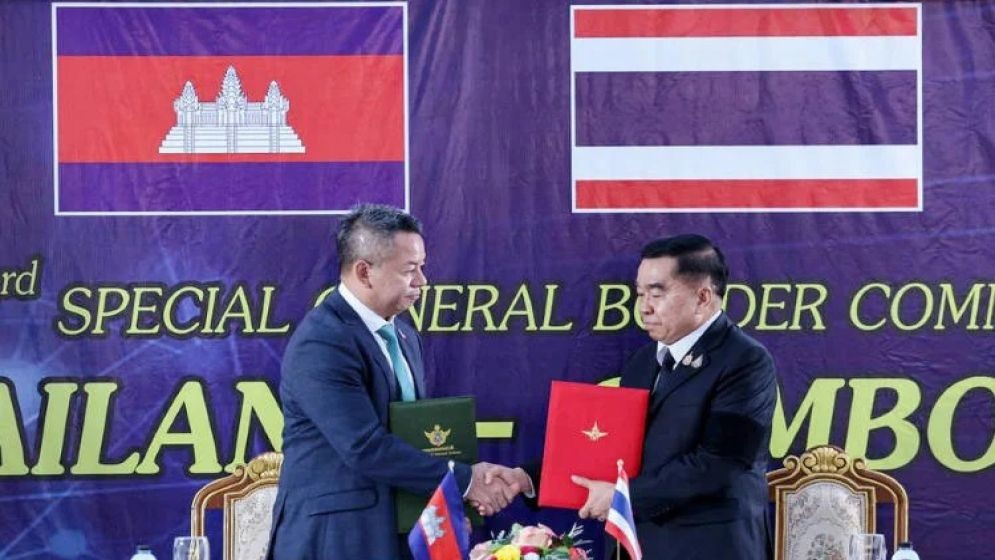
Tensions flare as Thailand accuses Cambodia of violating a 10-day-old truce. A Thai soldier was wounded by mortar fire in the disputed Emerald Triangle regio
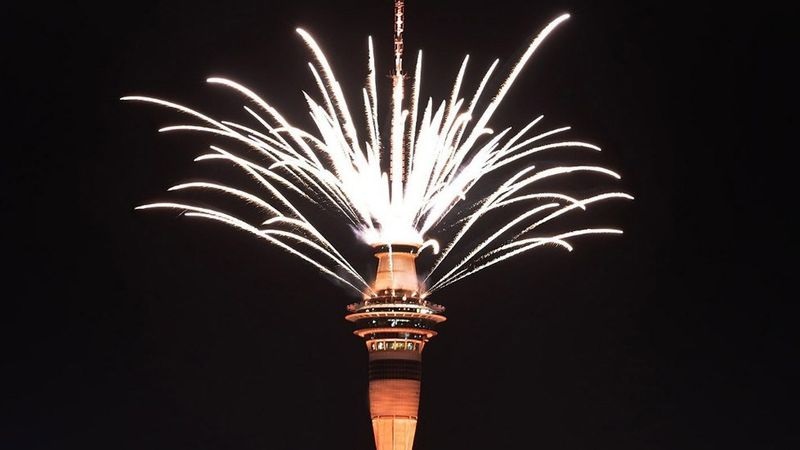
Tragedies in Sumatra and Hong Kong lead to cancelled fireworks for New Year 2026. Jakarta and HK opt for prayers and music over pyrotechnics.
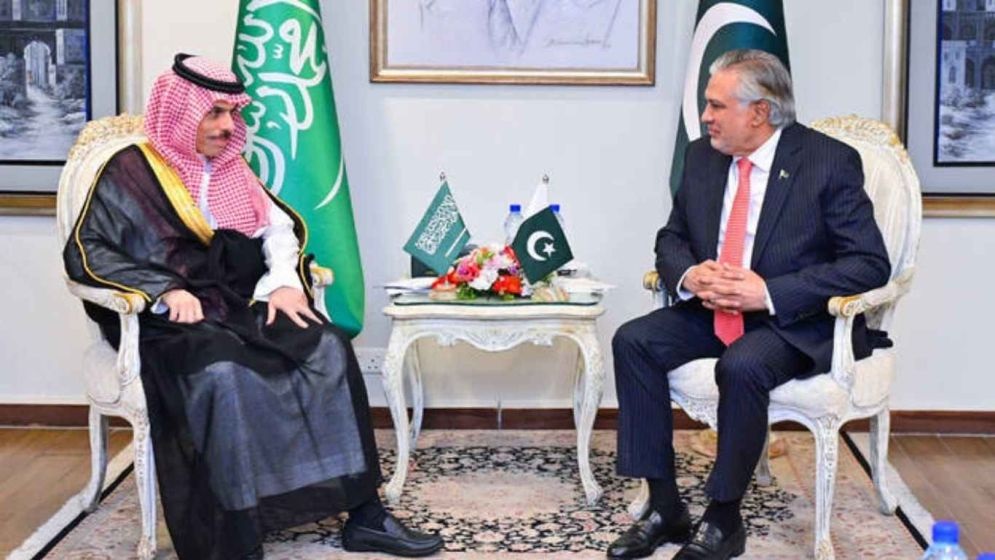
Amid escalating Saudi-UAE tensions in Yemen, Pakistan’s leadership engages in high-level diplomacy to maintain strategic ties with both Gulf partners.
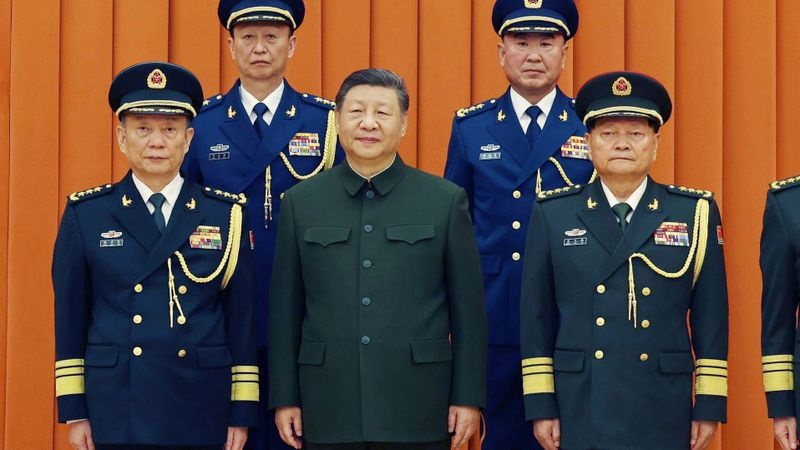
As China tests its blockade capabilities, Taiwan accelerates the ‘T-Dome’ air defense system. Inside the record $10 billion US weapons package.