IRGC Signals Permanent Shift in Strait of Hormuz Operations
Iran’s Revolutionary Guards announce new operating conditions for the Strait of Hormuz, effectively ending previous maritime status for US and Israeli vessels.





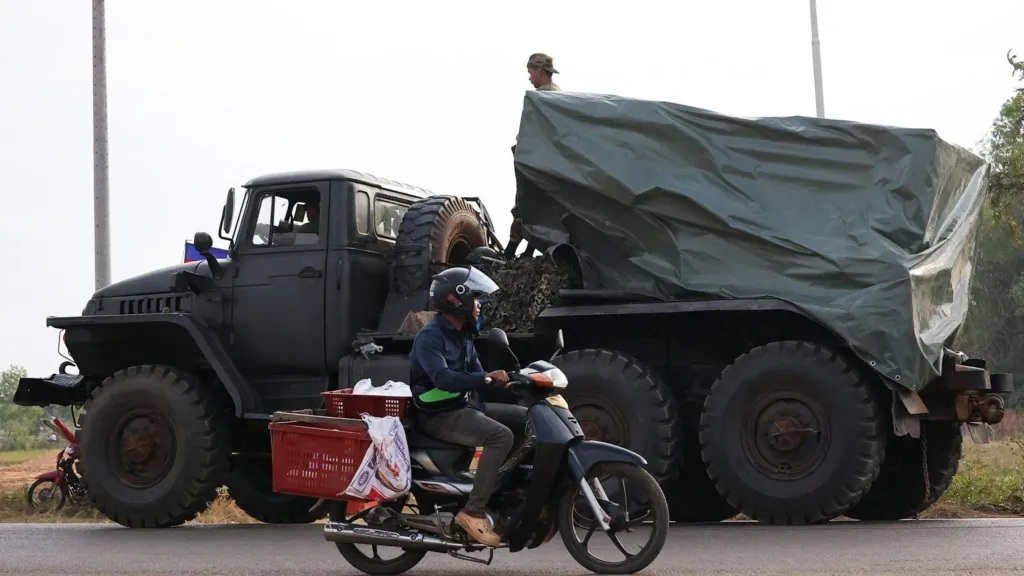
BANGKOK: A humanitarian catastrophe is unfolding on the border between Thailand and Cambodia as three days of renewed, intense fighting have killed at least 10 people and forced over half a million civilians to flee their homes. The outbreak of violence has completely shattered the US-brokered peace deal and is escalating into a regional stability crisis.
In Thailand, officials confirmed the evacuation of more than 400,000 people from six north-eastern provinces affected by the hostilities. On the Cambodian side, authorities have moved 100,000 residents from five provinces in the north and north-west to temporary shelters.
The United Nations Secretary-General António Guterres issued a plea for both sides to “exercise restraint,” noting the “significant civilian casualties, damage to civilian infrastructure, and displacement on both sides.”
The escalation involves air strikes and sustained artillery exchanges. Thailand’s defense ministry claimed its actions were “limited in scope,” while Cambodia has launched serious accusations, alleging that Thai attacks targeted civilian areas and “sacred cultural sites,” including historic temples along the disputed frontier.
The renewed conflict, rooted in a century-old territorial dispute, is the most serious fighting since a deadly five-day clash in July.
The political fallout was swift. Cambodia’s National Olympic Committee announced it was immediately pulling out of the South East Asian Games being hosted in Thailand, citing “serious concerns and requests” from the families of its athletes, a decision that highlights the severity of the security situation.
The diplomatic pressure is mounting, with the US, UK, and Japan all issuing travel warnings against the border regions. Secretary of State Marco Rubio publicly demanded that Thailand and Cambodia “cease hostilities immediately,” calling on them to honor the de-escalatory measures agreed upon in the ceasefire brokered by US President Donald Trump and Malaysian Prime Minister Anwar Ibrahim in October.
The failure of that accord has left hundreds of thousands of civilians caught in a dangerous zone of contestation, with the fighting spreading across a significant portion of the 800km border. The immediate priority for the international community is establishing a new, durable ceasefire to allow aid and stability to return to the rapidly expanding displacement zones.
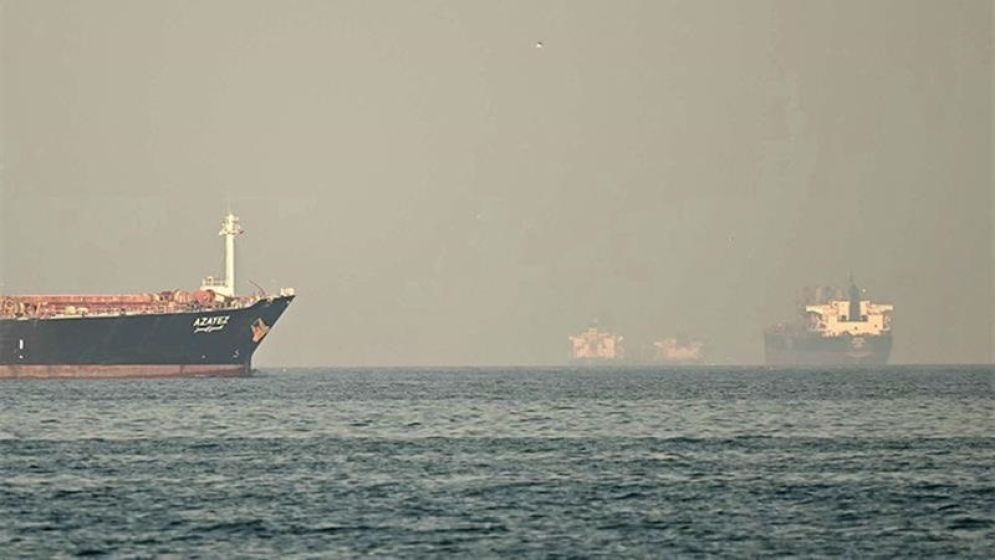
Iran’s Revolutionary Guards announce new operating conditions for the Strait of Hormuz, effectively ending previous maritime status for US and Israeli vessels.
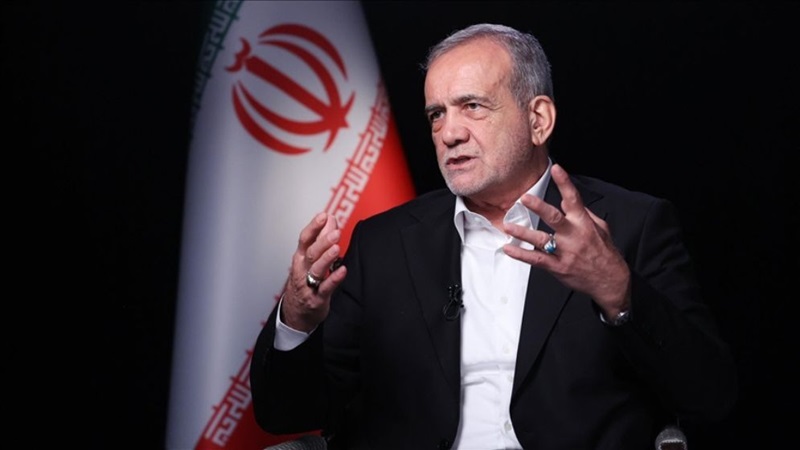
Iran President Pezeshkian addresses the nation as economic protests turn deadly. A “significant” death toll is reported following the rial’s collapse.
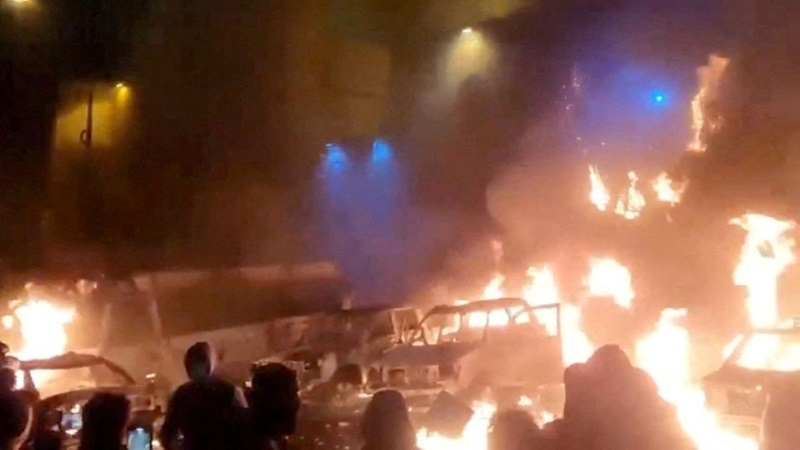
Rights groups report at least 540 deaths in Iran’s violent suppression of nationwide protests. Trump eyes Starlink as Tehran keeps internet offline.
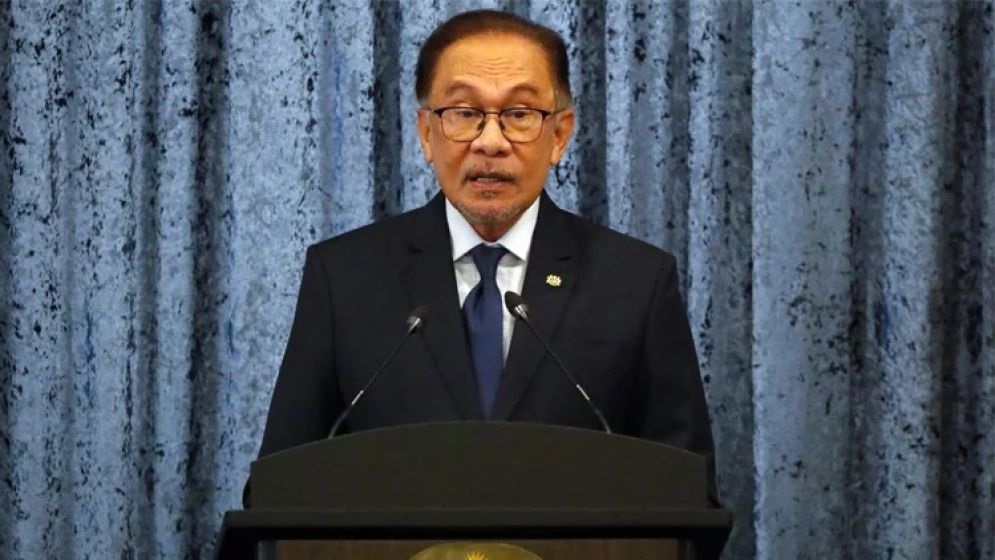
By limiting PM terms to 10 years, Anwar Ibrahim is attempting to dismantle the legacy of long-term rule and prevent a repeat of the 1MDB scandal.
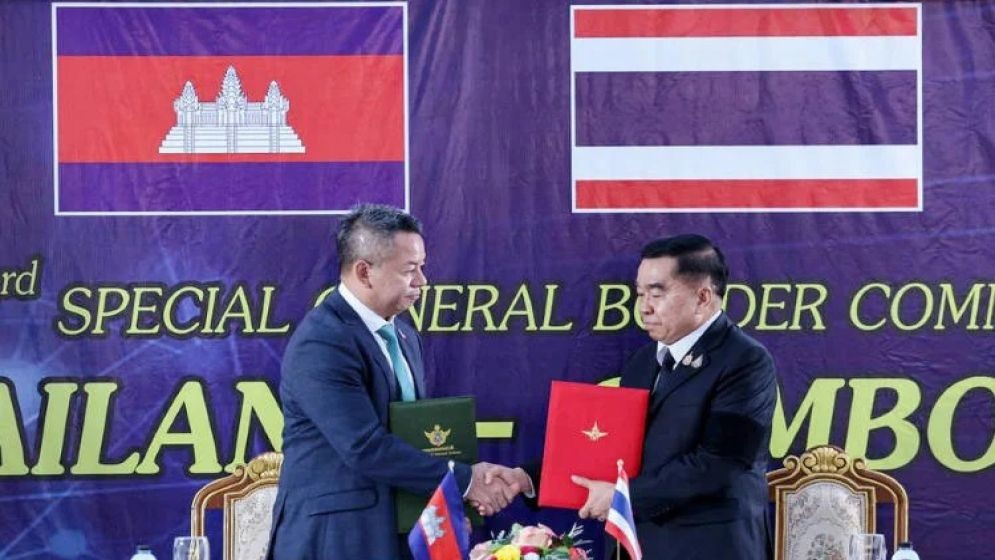
Tensions flare as Thailand accuses Cambodia of violating a 10-day-old truce. A Thai soldier was wounded by mortar fire in the disputed Emerald Triangle regio
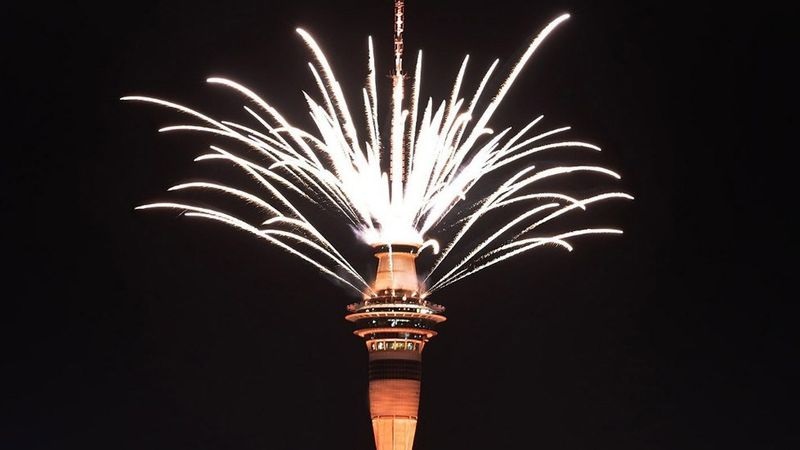
Tragedies in Sumatra and Hong Kong lead to cancelled fireworks for New Year 2026. Jakarta and HK opt for prayers and music over pyrotechnics.
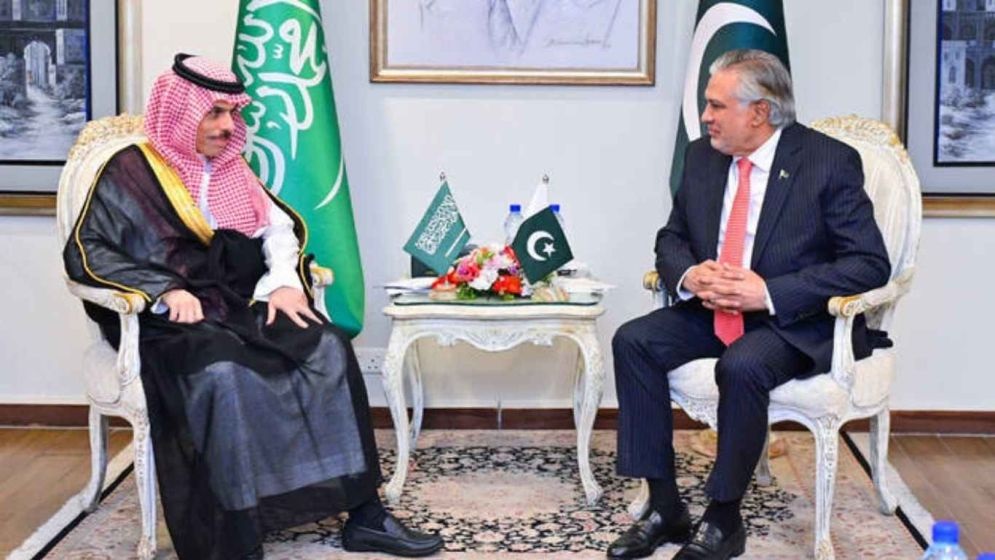
Amid escalating Saudi-UAE tensions in Yemen, Pakistan’s leadership engages in high-level diplomacy to maintain strategic ties with both Gulf partners.
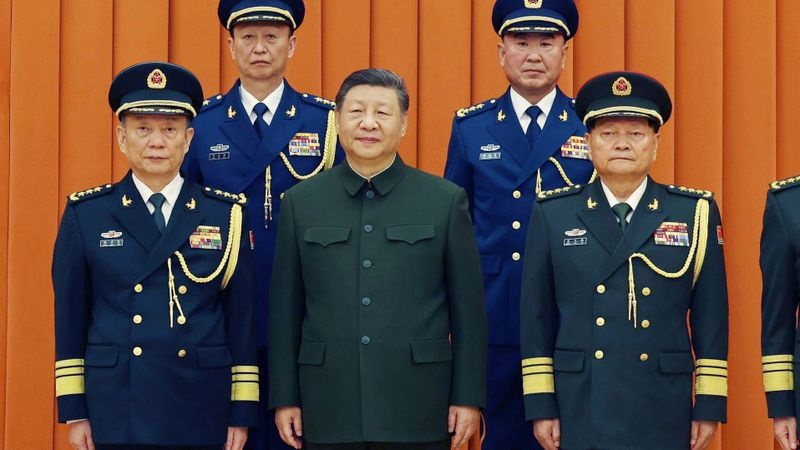
As China tests its blockade capabilities, Taiwan accelerates the ‘T-Dome’ air defense system. Inside the record $10 billion US weapons package.