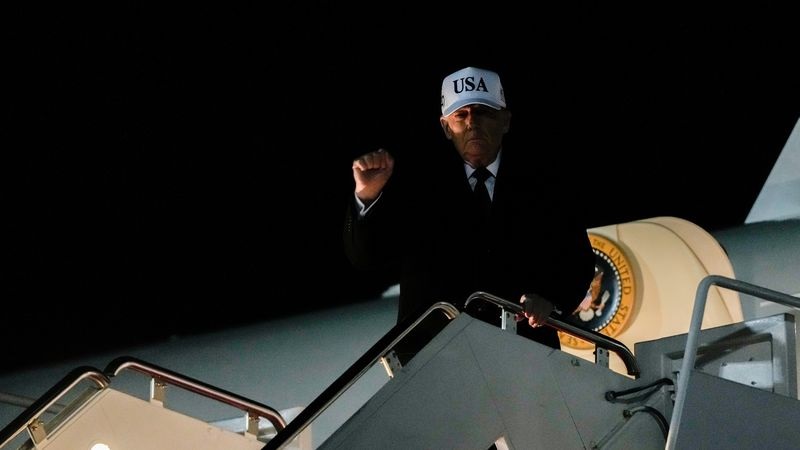
Why Trump is Obsessed with ‘Owning’ Greenland
Inside Donald Trump’s “psychological” push for Greenland. From mocking dog sleds to asserting American dominance in the Arctic.






WASHINGTON D.C. — The US Department of Homeland Security (DHS) has unveiled a controversial proposal that would require millions of tourists from visa-waiver countries, including the UK, France, and Australia, to provide five years of mandatory social media history as a condition of entry.
The change targets travelers using the Electronic System for Travel Authorization (ESTA) form, which currently allows citizens of over 40 countries to visit the US for up to 90 days without a traditional visa. The proposal, filed in the Federal Register by Customs and Border Protection (CBP), makes social media disclosure a mandatory data element, a major shift from the limited information previously required.
The expansion, driven by President Donald Trump’s push to “toughen US borders” for national security, dramatically increases the personal data sought. In addition to five years of social media history, the proposal includes collecting: Telephone numbers used over the last five years and Email addresses used over the last ten years.
More information about family members, including names, dates, and places of birth.
Digital rights organizations were quick to condemn the plan. Sophia Cope of the Electronic Frontier Foundation (EFF) criticized the move, telling the New York Times that the proposal could “exacerbate civil liberties harms.”
The timing of the proposal is sensitive, coming as the US prepares to host major international events, including the 2026 Men’s Football World Cup and the 2028 Olympics in Los Angeles, which are expected to draw a major influx of foreign visitors.
When asked whether the new requirements could lead to a decline in tourism, President Trump expressed no concern, emphasizing: “We want safety. We want security.”
However, experts like immigration law practice Fragomen suggest the changes could lead to longer waits for ESTA approvals, creating practical hurdles for travelers. Furthermore, earlier this year, the World Travel & Tourism Council projected the US would be the only one of 184 economies analyzed to see a decline in international visitor spending in 2025, a trend already fueled by policies like the Canadian boycott against US travel.
The public has a 60-day window to submit views on the CBP’s proposal before it can be finalized.

Inside Donald Trump’s “psychological” push for Greenland. From mocking dog sleds to asserting American dominance in the Arctic.
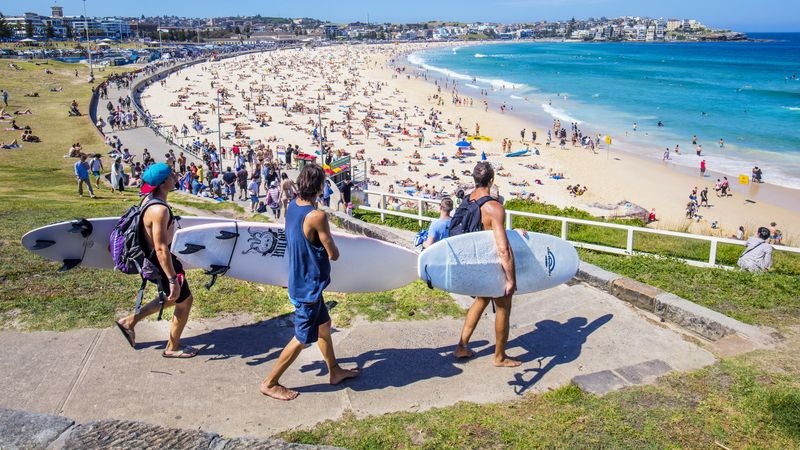
Australia Day weather 2026, Sydney weather Australia Day, Melbourne heatwave, Perth sun, Australia Day beach guide, national forecast Jan 26.

Residents in Pinjarra can return to normal activities after WA Police located the man at the center of today’s armed search. Read the full timeline here.
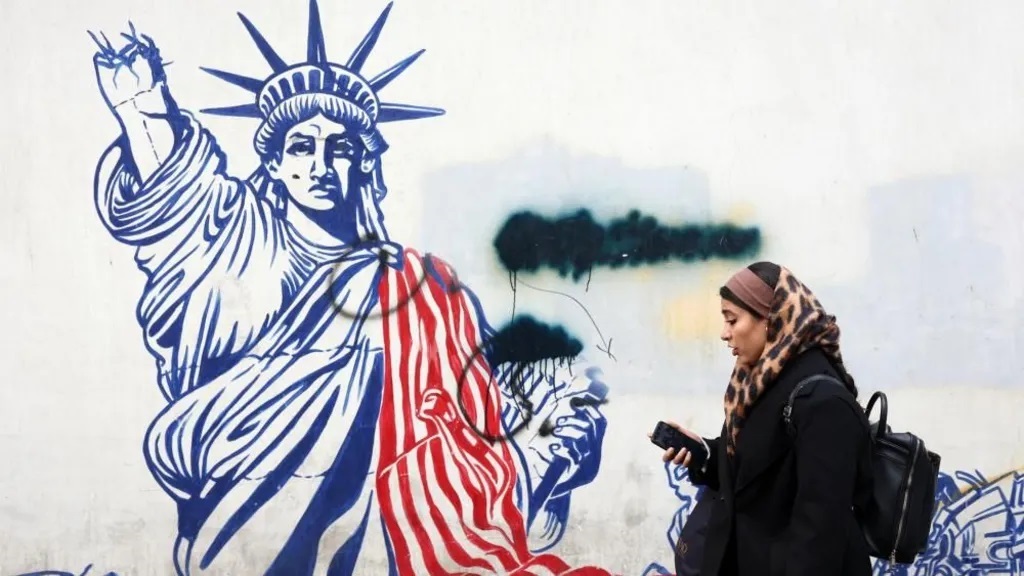
Inside the White House debate: Vice President JD Vance urges diplomacy while exiled leaders call for intervention. Trump weighs his next move in the Iran crisis.

While the Longwood bushfire destroyed 30 homes and community landmarks in Ruffy, a group of residents stayed behind to save eight properties using vintage equipment.

The internet is buzzing with theories after 25 tonnes of sandstone vanished in Speers Point. From “backyard Great Walls” to aliens, see the wildest theories.

PM Albanese and Premier Allan announce a $19.5 million relief package as Victoria’s bushfires destroy 350+ structures. Learn how to apply for help.

Clay County Sheriff Eddie Scott details the horrific moments of the Cedarbluff shooting. Suspect Daricka Moore faces capital murder charges for the death of 6 relatives.