Australia Day 2026 Weather: State-by-State Forecast Guide
Australia Day weather 2026, Sydney weather Australia Day, Melbourne heatwave, Perth sun, Australia Day beach guide, national forecast Jan 26.





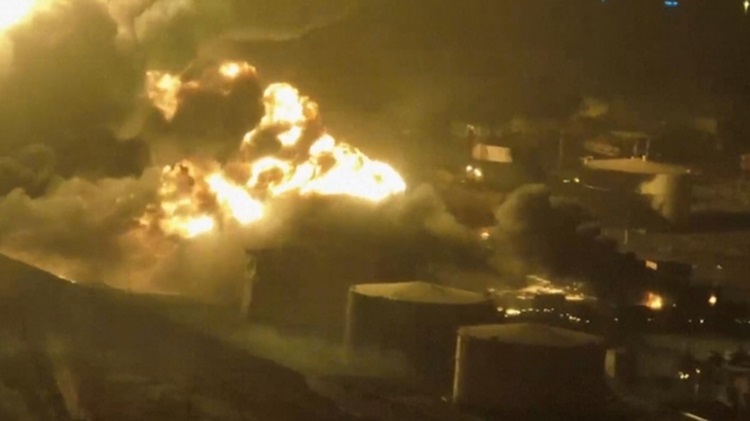
CANBERRA : The stranding of 400 international tourists on Socotra Island is a stark reminder that even the most “untouched” paradises are not immune to the complexities of modern warfare. As the Australian government scrambles to assist its citizens, the crisis highlights a growing trend: the dangerous allure of adventure tourism in active conflict zones.
For years, Socotra’s 380-kilometer distance from the Yemeni mainland acted as a natural shield against the country’s decade-long civil war. While the Iran-aligned Houthis controlled Sanaa and a Saudi-led coalition backed the south, Socotra remained a quiet, UAE-influenced enclave.
That peace evaporated last week. The Saudi strikes on UAE-linked assets signaled a fracturing of the “loose coalition” of regional powers, turning the island into a tactical pawn. The state of emergency isn’t just a local decree; it is a symptom of a broader power struggle for control of the Indian Ocean’s strategic shipping lanes.
Socotra’s rise as a social media magnet—famous for its alien-looking Dragon Blood trees—created a false sense of security. Despite DFAT and other Western agencies maintaining “Do Not Travel” warnings, the influx of travelers grew.
However, travelers in these zones often overlook three critical factors:
Consular Limits: Without an embassy, DFAT’s “assistance” is largely limited to phone calls and coordination with third parties.
Insurance Voids: Most standard travel insurance policies are void in “Do Not Travel” zones, leaving tourists responsible for the massive costs of private evacuation.
Escalation Speed: In the Red Sea and Gulf of Aden, military operations against Houthi targets can trigger port closures in minutes, as seen in this current lockdown.
If flights do not resume by the weekend, the international community may be forced to negotiate a “humanitarian corridor” with Yemeni authorities. For the stranded Australians, the lesson is clear: in a conflict zone, the distance between a “pristine beach” and a “war zone” is only as wide as the latest military directive.
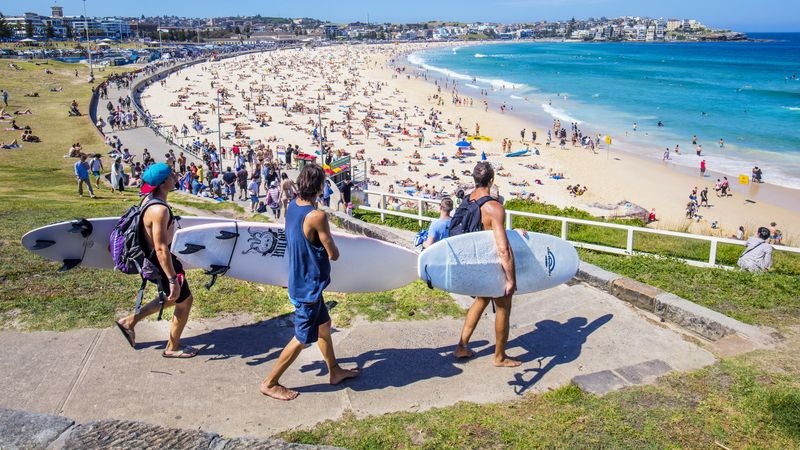
Australia Day weather 2026, Sydney weather Australia Day, Melbourne heatwave, Perth sun, Australia Day beach guide, national forecast Jan 26.

Residents in Pinjarra can return to normal activities after WA Police located the man at the center of today’s armed search. Read the full timeline here.
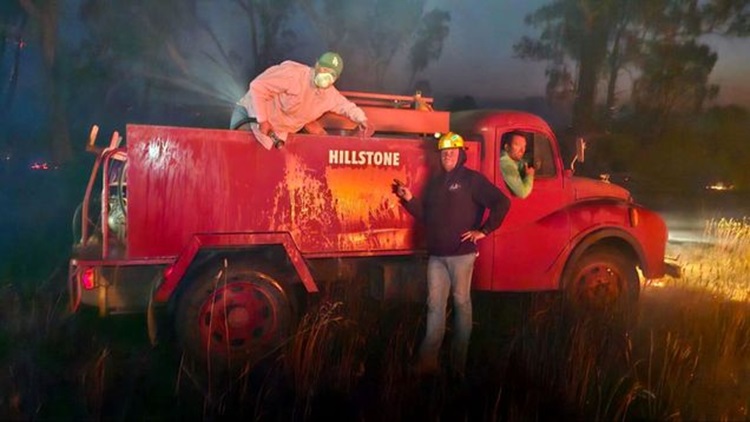
While the Longwood bushfire destroyed 30 homes and community landmarks in Ruffy, a group of residents stayed behind to save eight properties using vintage equipment.
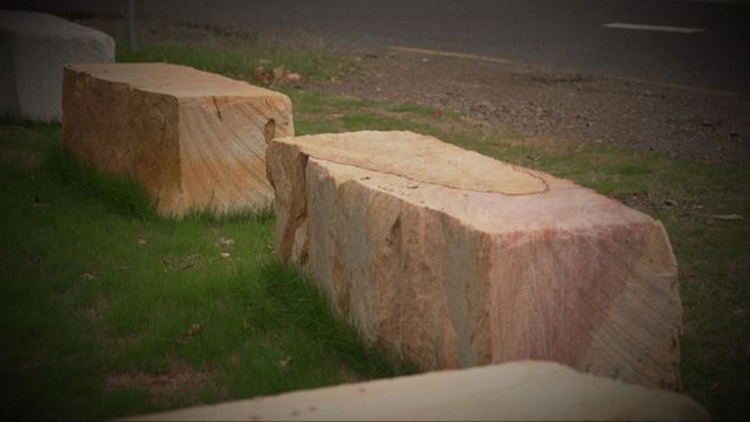
The internet is buzzing with theories after 25 tonnes of sandstone vanished in Speers Point. From “backyard Great Walls” to aliens, see the wildest theories.

PM Albanese and Premier Allan announce a $19.5 million relief package as Victoria’s bushfires destroy 350+ structures. Learn how to apply for help.
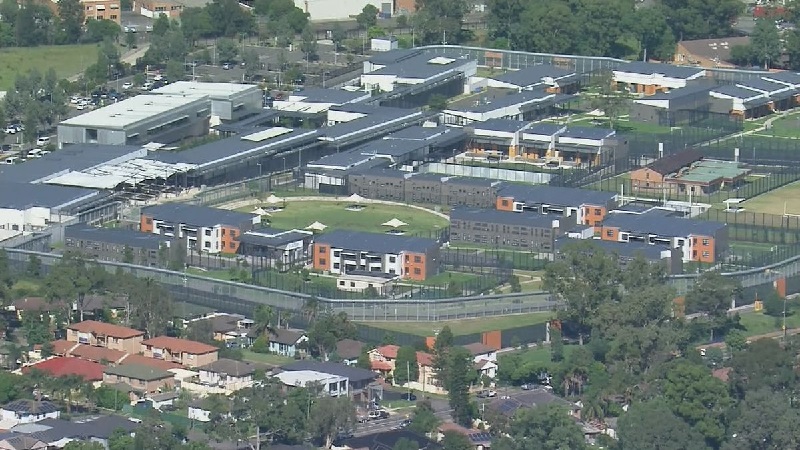
Police are investigating the suspicious death of a 51-year-old man at Sydney’s Villawood Detention Centre. Read the latest on the investigation.

As Fun2Learn Rosehill is shut down, we examine what the NSW government’s new ‘zero tolerance’ policy means for parents and childcare providers.
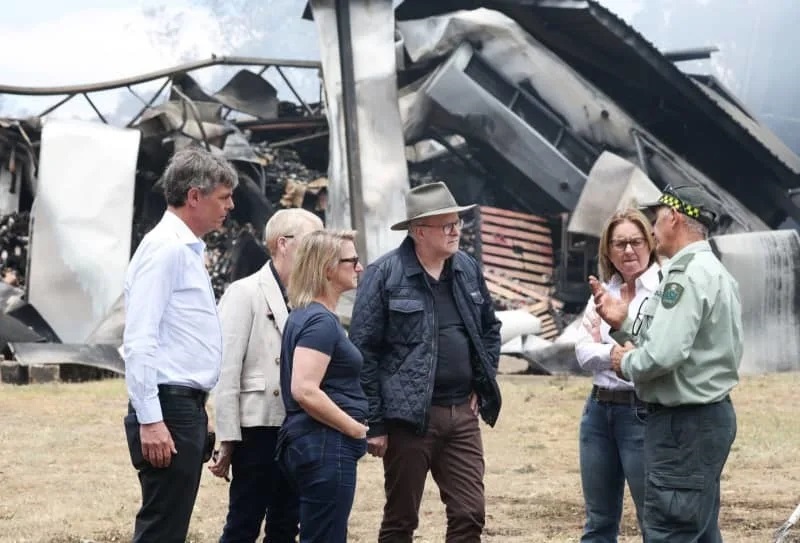
Prime Minister Anthony Albanese and Premier Jacinta Allan have visited Victorian bushfire zones as police confirm a fatality in Longwood.