Swindon Town Defends Captain Ollie Clarke Against FA Ruling
Swindon Town condemns the FA’s decision to ban captain Ollie Clarke, questioning the “balance of probabilities” used in the sexual misconduct ruling.





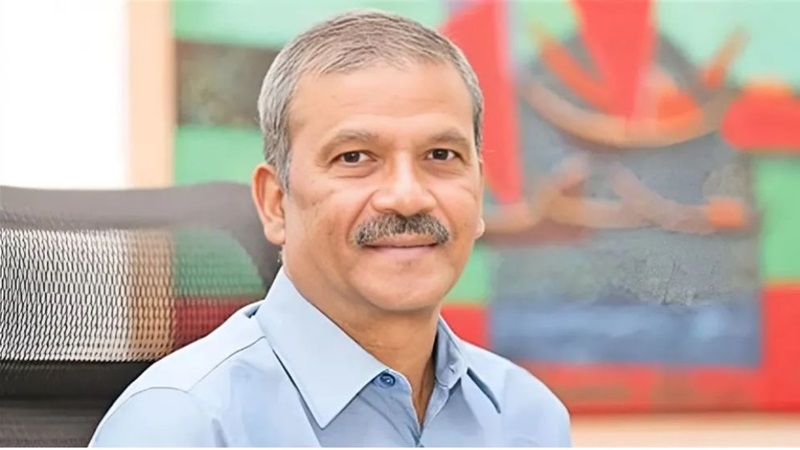
DHAKA: The “gentleman’s game” has hit a diplomatic wall. The latest statements from Bangladesh’s Youth and Sports Adviser, Prof Asif Nazrul, suggest that the era of cricket diplomacy between Dhaka and New Delhi is currently on life support.
The most explosive revelation from Nazrul’s press conference was the claim that the ICC’s own security team flagged the presence of Mustafizur Rahman as a security risk. It is a staggering admission: a world-class athlete being deemed a liability not because of his conduct, but because of the “communal environment” in the host nation.
Asif Nazrul posed a poignant question: “Where India’s national cricket board bows to extremist communal forces and says that player should not be allowed to play—what greater proof does the ICC need?”
Nazrul’s critique of the ICC’s “market management” strikes at the heart of modern cricket. The implication is clear—the financial power of the BCCI (Board of Control for Cricket in India) should not dictate the safety protocols or participation rights of other sovereign nations.
By demanding a shift to Sri Lanka or the UAE, Bangladesh is testing the ICC’s autonomy. If the ICC refuses to move the tournament despite its own security team’s warnings about “national jerseys” and “bowler selection,” it risks being seen as an extension of Indian domestic policy rather than an international regulator.
The mention of the national election in the security letter adds another layer of complexity. The ICC is essentially suggesting that the internal political stability of Bangladesh is a risk factor for a tournament held in India. Nazrul’s dismissal of this—calling it “unreasonable”—highlights the growing rift in how the two neighbors perceive each other’s domestic climates.
As the government prepares to release the ICC’s letter to the public, the ball is now firmly in the ICC’s court. Will they prioritize a “global” environment, or will they insist that “India remains India,” regardless of the security cost?

Swindon Town condemns the FA’s decision to ban captain Ollie Clarke, questioning the “balance of probabilities” used in the sexual misconduct ruling.
Following the APL’s takeover of the Mariners, coach Warren Moon faces a stable future while transfer plans for Ben Folami are scrapped.
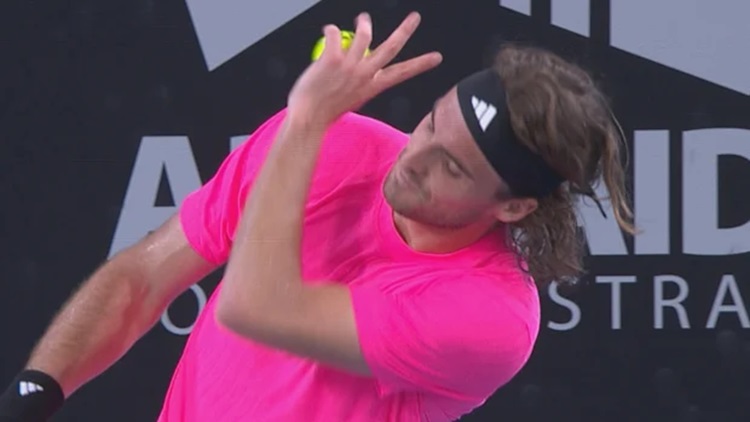
From battling Aussie flies to roaring with the crowd, Aleksander Vukic’s win over Stefanos Tsitsipas was the highlight of the Adelaide International night session.

With Tyson Stengle and Bobby Hill both taking personal leave, the AFL’s focus on player welfare is under the spotlight. Learn more about the Geelong star’s journey.
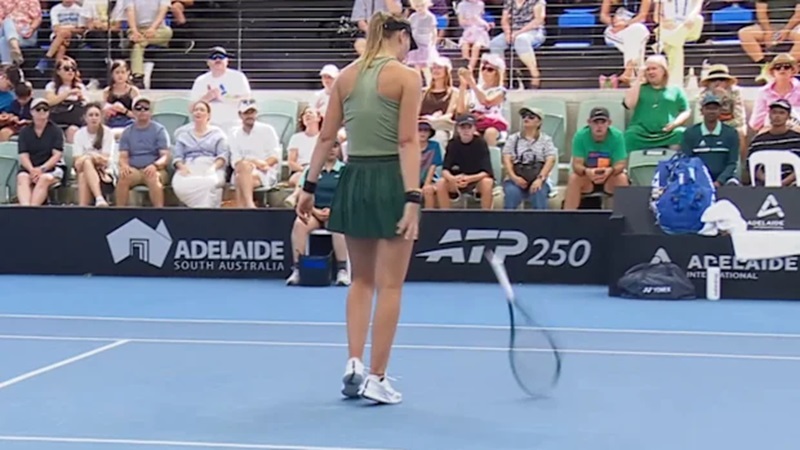
Paula Badosa’s Australian Open prep takes a hit as she crashes out of Adelaide. See the moment of frustration that summed up her first-round loss.
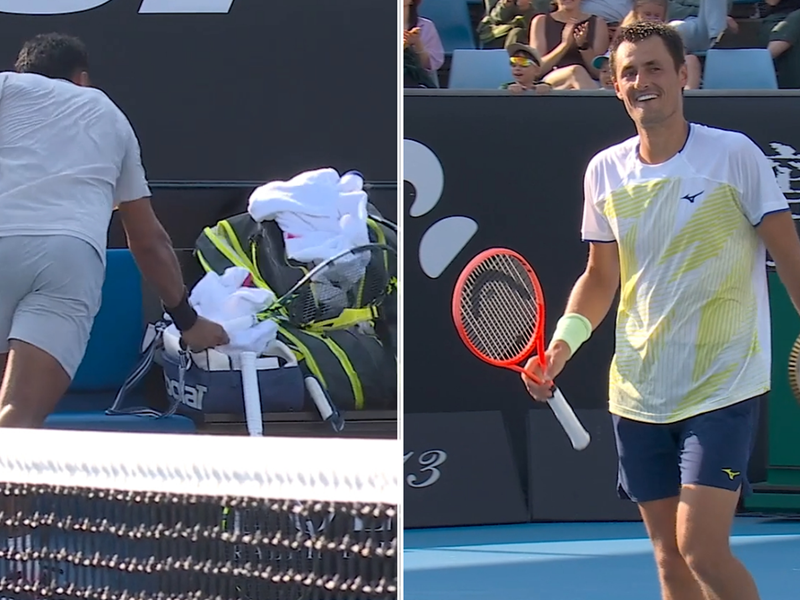
Bernard Tomic entertained the Melbourne crowd with a classic performance on and off the court during his AO qualifying win. From banana requests to shirt swaps.

Aryna Sabalenka claims her 22nd career title with a straight-sets win over Marta Kostyuk in Brisbane. Full match analysis and post-match highlights.

Born in São Tomé and Príncipe, Nuno Espirito Santo discusses his heritage and why he believes a surge of Black managers in the Premier League is “inevitable.”