What Actually Happens to Your Brain After a Massive Festive Meal
Ever wondered why you feel sleepy after a big meal? Scientists explain the “satiety cascade,” the insulin response, and whether one-off overeating is actually harmful.





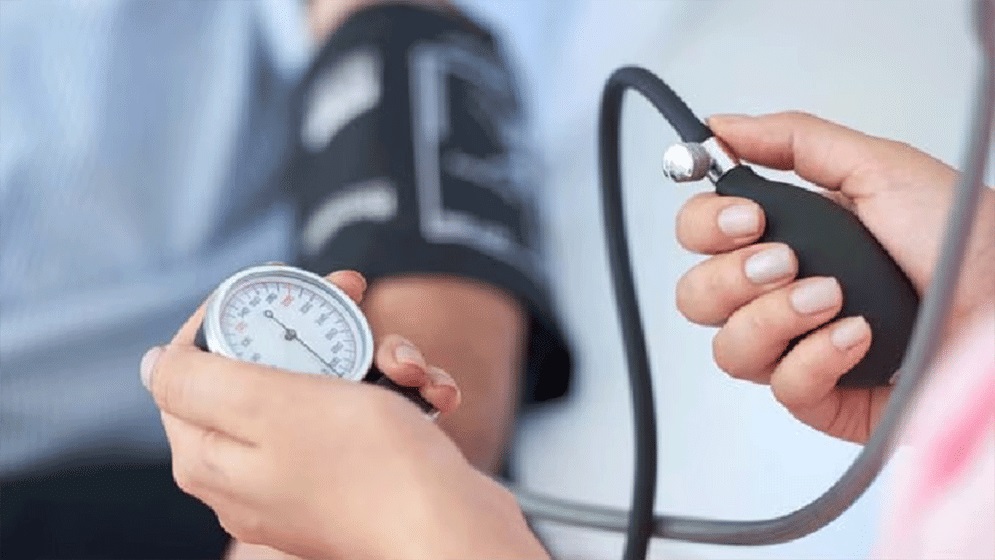
DHAKA : On the eve of World Health Day 2026, health experts and policymakers gathered at a webinar titled “Sustainable Financing for Hypertension Control: Bangladesh Perspective” to issue an urgent call for fiscal reform.
Under the 2026 theme, “Science in Healthcare, Protecting All Lives,” the discussion highlighted a dangerous disparity between the national disease burden and the current health budget.
According to the BBS Health and Morbidity Status Survey-2025, hypertension has officially moved to the No. 1 rank among the top ten diseases in Bangladesh.
Non-communicable diseases (NCDs) are now responsible for 71% of all deaths in the country.
Despite these figures, NCD allocation accounts for a mere 4.2% of the total health budget.
While the government has committed to supplying hypertension medication through the nationwide network of Community Clinics, experts noted that “uninterrupted availability” remains a challenge. The marginalized and rural populations are currently bearing the brunt of inconsistent supply chains caused by insufficient funding.
A significant hike in the NCD budget for the upcoming fiscal year to ensure universal access to basic hypertension drugs.
Dr. Md Enamul Haque (Health Economics Unit) emphasized that efficient management of funds is as critical as the amount allocated.
Prof. Dr. Sohel Reza Choudhury warned that failing to fund hypertension control today leads to premature deaths and higher emergency care costs tomorrow.
PROGGA (Knowledge for Progress) in association with Global Health Advocacy Incubator (GHAI).

Ever wondered why you feel sleepy after a big meal? Scientists explain the “satiety cascade,” the insulin response, and whether one-off overeating is actually harmful.
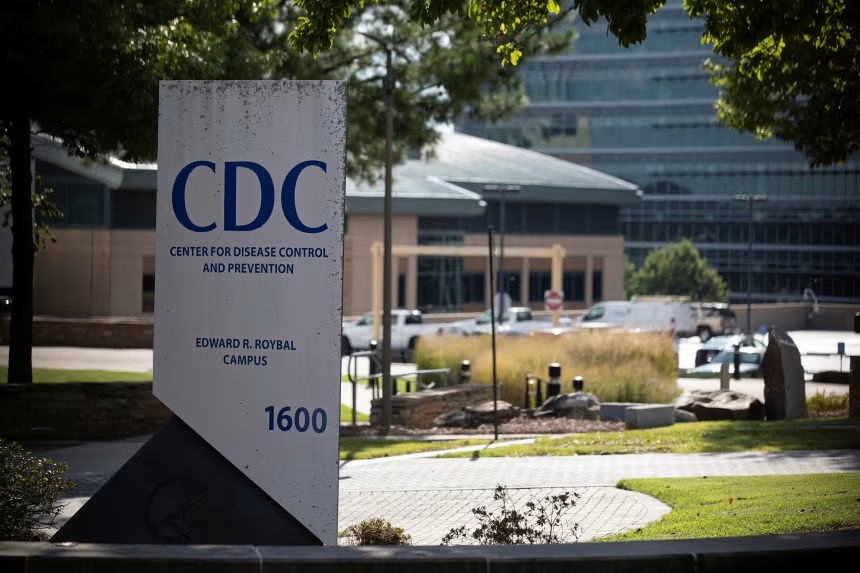
The CDC has officially abandoned its 1991 recommendation for universal Hepatitis B vaccination at birth. Under new guidelines influenced by RFK Jr., parents of infants born to HBsAg-negative mothers will now use shared decision-making to delay or skip the birth dose, a move experts fear will increase chronic liver disease and childhood infections.
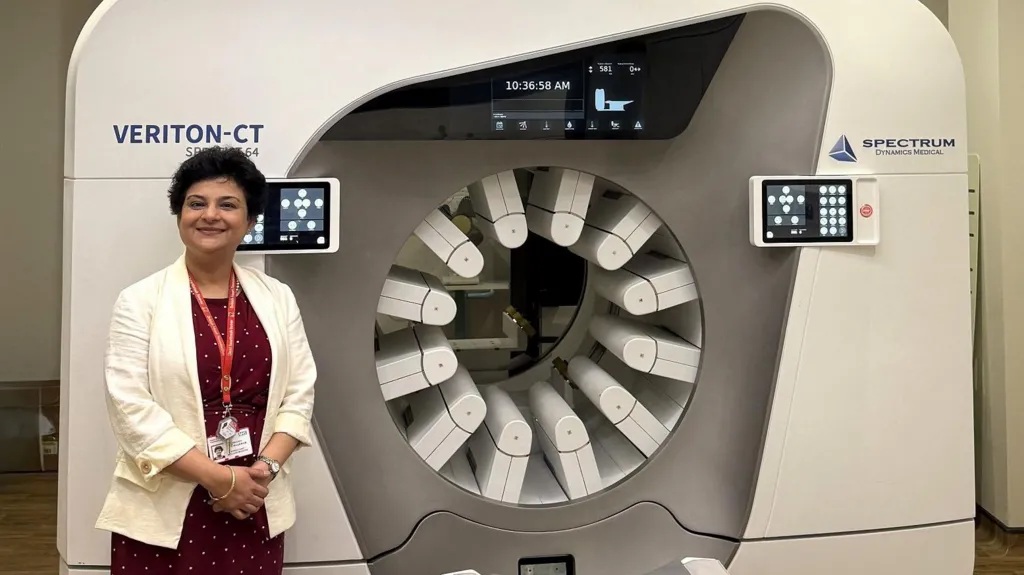
CZT, a notoriously difficult-to-manufacture semiconductor, is enabling major advances in medical imaging, airport security, and X-ray telescopes. Due to its precise, single-step detection of X-rays and gamma rays, the material is in high global demand, complicating projects from a £500m UK synchrotron upgrade to US space missions threatened by supply shortages and the US government shutdown.
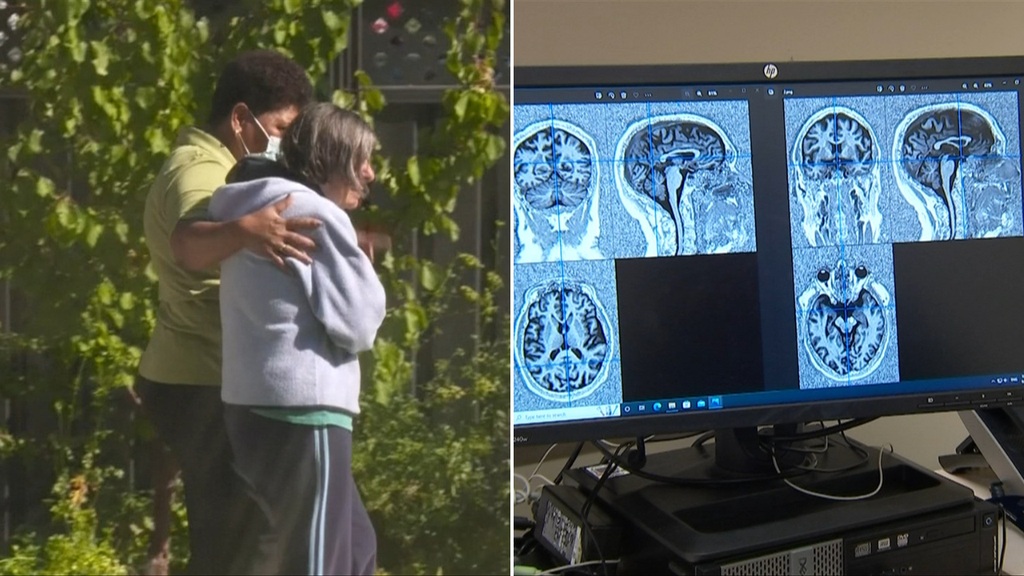
Dementia is confirmed as Australia\’s leading cause of death for 2024, with 62.4% of victims being female. The shift highlights the disproportionate impact on women due to longer life expectancies, creating immense pressure on the healthcare system and demanding urgent national focus on preventative brain health.

Walking up to 7,500 steps daily may delay cognitive decline by 7 years for those with early Alzheimer\’s signs. Experts urge walking be part of a personalized health plan.

Autistic researcher and CDC consultant argues the 1-in-31 diagnosis rate is an opportunity. Calls for policy changes in education, employment, and cities to support autistic adults

The incredible story of how one doctor questioned his own advice, leading to a trial proving early peanut introduction prevents allergies and a 33% drop in US cases