Rare Earths and Radar The Strategy Behind the US Push for Greenland
A deep dive into why the US is targeting Greenland, from untapped rare earth minerals to the Lansing Declaration and the future of the NATO alliance.






BRUSSELS — With Ukraine facing a critical €135.7 billion budget hole over the next two years, the European Union is in a desperate race against time to approve a €90 billion funding package at next Thursday’s summit, a plan increasingly reliant on tapping Russia’s frozen assets.
The urgency has intensified following a sharp drop-off in international military aid in 2025, largely due to the US decision to all but stop funding Ukraine under President Donald Trump.
The EU’s executive is pushing for a “reparations loan” backed by Russia’s €210 billion in immobilised Central Bank assets—a move Kyiv’s Volodymyr Zelensky calls “only fair.” German Chancellor Friedrich Merz echoed the sentiment, stating the assets will “enable Ukraine to protect itself effectively against future Russian attacks.”
However, securing the funds is complicated by two key obstacles:
Political Veto: Belgium’s preferred alternative—raising the money on capital markets backed by the EU budget—requires a unanimous vote, which is unlikely as Hungary and Slovakia object to funding Ukraine’s military.

Belgian Prime Minister Bart de Wever discussed Europe’s frozen assets plan with UK Prime Minister Sir Keir Starmer on Friday
The preferred option of loaning cash backed by the assets is strongly opposed by Belgium, which fears massive legal and financial liability from Russia.
Adding to the tension is the threat that the EU could lose control of the assets entirely. An early draft of a separate US peace plan proposed using $100 billion of Russia’s frozen assets for reconstruction, with the US taking 50% of the profits and the remaining assets potentially being used in a US-Russia joint investment project.
In a move designed to secure the assets from any external influence, EU ambassadors are expected to vote today to immobilize Russia’s Central Bank assets indefinitely using an emergency clause under Article 122 of the EU Treaties. An EU source indicated this makes it significantly harder for the US to divert the money without winning over a majority of member states.
The high stakes were summed up by leading German conservative MP Norbert Röttgen: “It’s a matter of destiny for us… If we fail, I don’t know what we’ll do afterwards.”
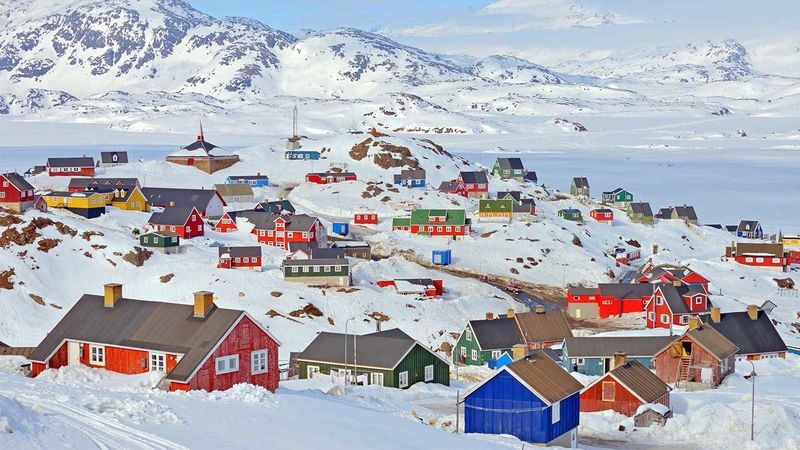
A deep dive into why the US is targeting Greenland, from untapped rare earth minerals to the Lansing Declaration and the future of the NATO alliance.
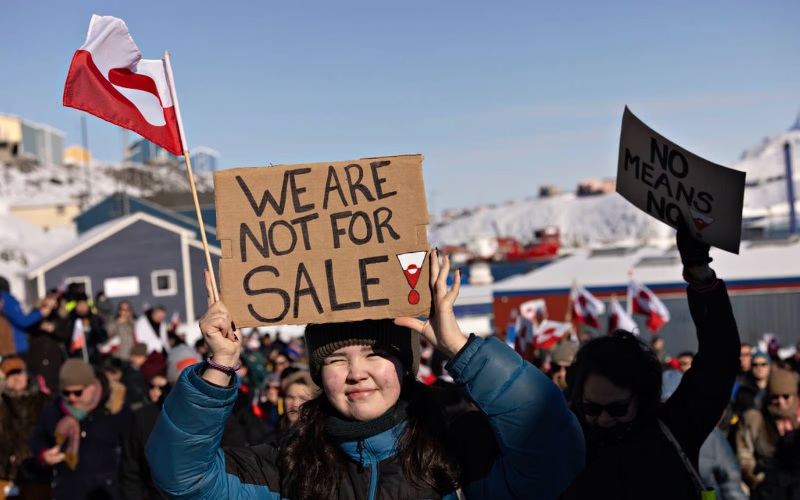
Six European powers join Denmark in a historic statement rejecting US claims to Greenland. PM Mette Frederiksen warns of NATO collapse if force is used.
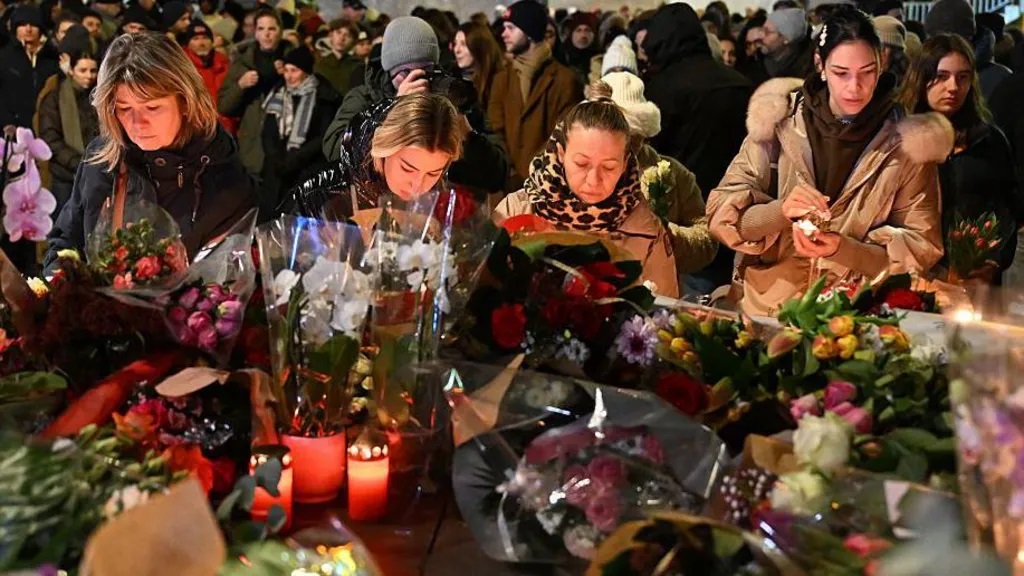
Prosecutors investigate Jacques and Jessica Moretti for manslaughter after sparklers ignited a deadly blaze in Crans-Montana. Was Le Constellation a ‘death trap’?
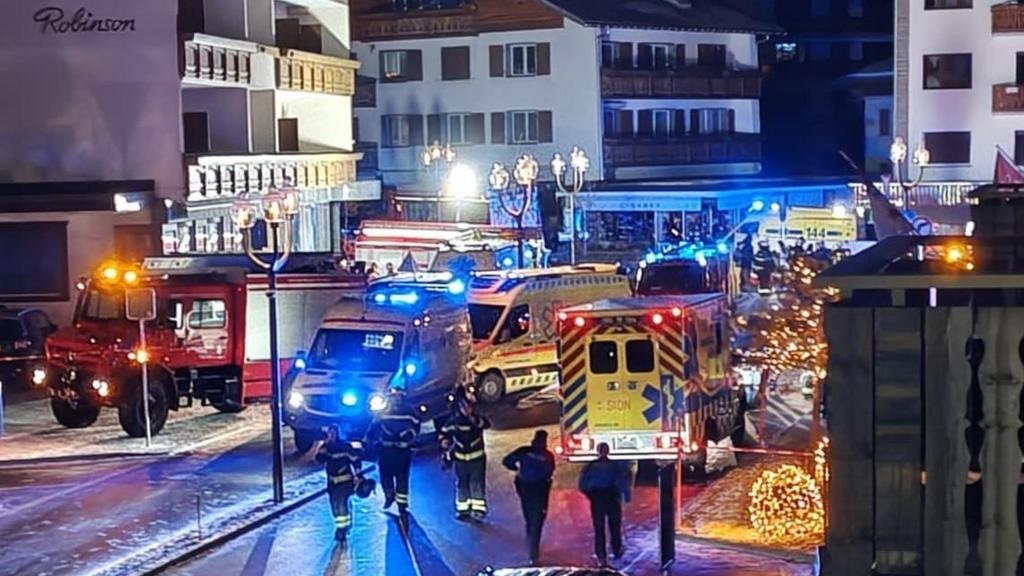
A devastating fire at Le Constellation bar in the Swiss Alpine resort of Crans-Montana has left multiple dead and injured during New Year’s celebrations.

Exploring the complex life of Brigitte Bardot. From cinema stardom to five convictions for inciting racial hatred, the French icon remained polarizing until her death.

Zagreb’s Christmas market, known as Zagreb Advent, is driving a winter tourism boom in Croatia. Discover how the capital is competing with giants like Cologne and Vienna.
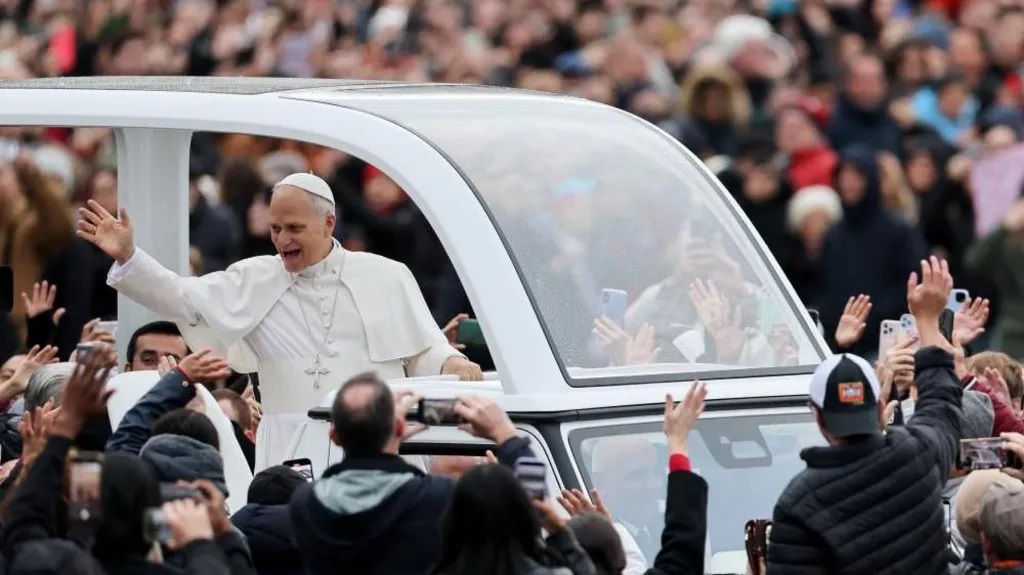
Pope Leo XIV delivered his first Christmas Urbi et Orbi address, calling for direct talks between Ukraine and Russia and lamenting the humanitarian crisis in Gaza.
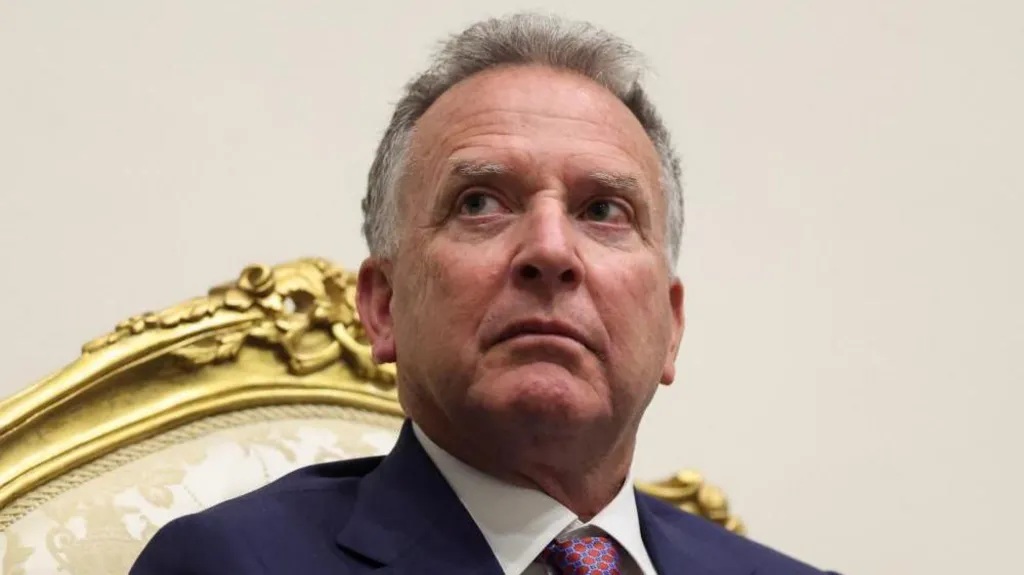
US envoy Steve Witkoff meets President Zelensky and European leaders in Berlin to finalize a peace plan by Christmas. The key sticking point is the Donbas region, where the US proposed a controversial “special economic zone” and Ukrainian withdrawal, a plan Zelensky skeptically questioned for failing to restrain Russia’s advance.