IRGC Signals Permanent Shift in Strait of Hormuz Operations
Iran’s Revolutionary Guards announce new operating conditions for the Strait of Hormuz, effectively ending previous maritime status for US and Israeli vessels.





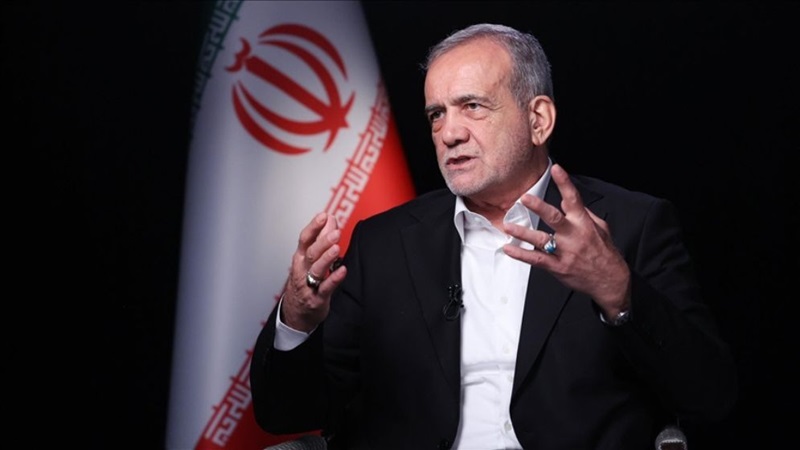
TEHRAN : In a televised appeal for stability, Iranian President Masoud Pezeshkian told the nation on Sunday that his government is “determined” to fix the country’s spiraling economic woes. The address via state-run IRIB comes as several Iranian cities are gripped by violent clashes between security forces and protesters—a movement sparked by the dramatic collapse of the national currency, the rial.
While the government has labeled the demonstrators as “rioters” allegedly acting on orders from the U.S. and Israel, the human cost is mounting. The semi-official Tasnim news agency reported that the death toll from recent clashes is “significant,” though authorities have yet to release official numbers.
The unrest, which began in late December, is fueled by long-standing economic hardship exacerbated by the aftermath of the June 2025 war with Israel.
During the interview, Pezeshkian outlined a “major subsidy system reform plan” intended to:
Stabilize the market through price controls.
Boost domestic production to counter the effects of isolation.
Increase purchasing power for the average Iranian citizen.
“The government is ready to listen to its people,” Pezeshkian claimed, while simultaneously urging Iranians to avoid “destructive actions” that could further destabilize the state.
Maintaining the state narrative, the President accused “foreign enemies”—specifically the United States and Israel—of fomenting the current instability to capitalize on the grievances of the populace following last year’s military strikes.
With the rial hitting record lows and basic goods becoming increasingly unaffordable, the Pezeshkian administration faces its greatest test of legitimacy. The success or failure of the proposed subsidy reforms may well determine if the clerical establishment can survive its most serious domestic challenge in decades.
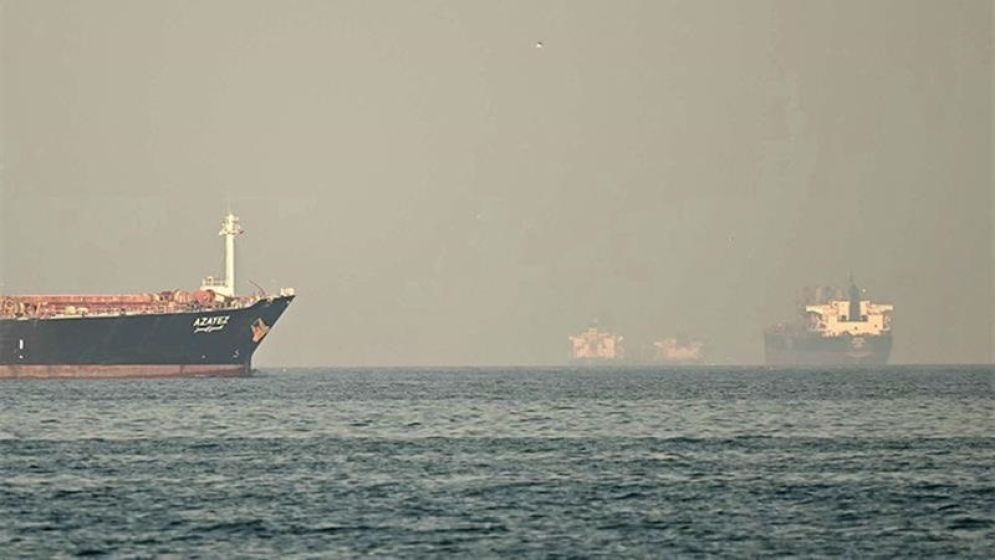
Iran’s Revolutionary Guards announce new operating conditions for the Strait of Hormuz, effectively ending previous maritime status for US and Israeli vessels.
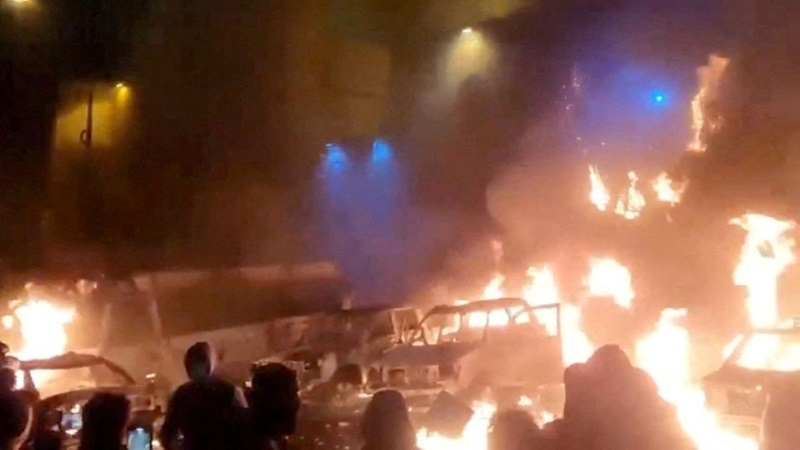
Rights groups report at least 540 deaths in Iran’s violent suppression of nationwide protests. Trump eyes Starlink as Tehran keeps internet offline.
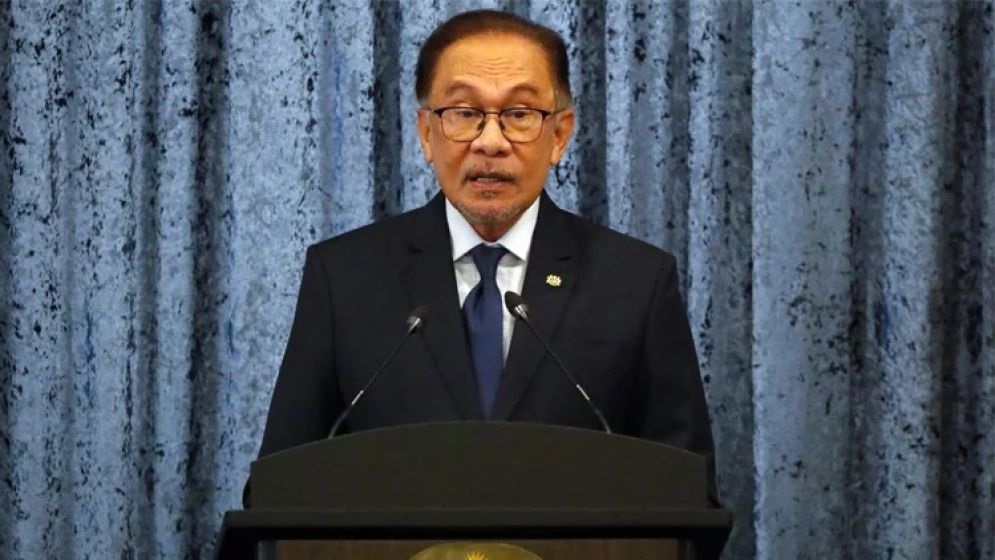
By limiting PM terms to 10 years, Anwar Ibrahim is attempting to dismantle the legacy of long-term rule and prevent a repeat of the 1MDB scandal.
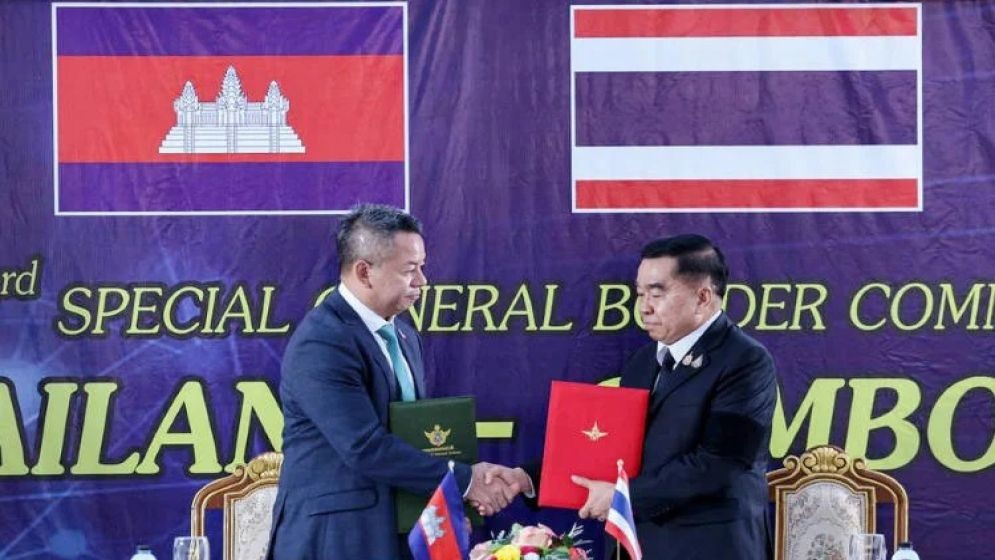
Tensions flare as Thailand accuses Cambodia of violating a 10-day-old truce. A Thai soldier was wounded by mortar fire in the disputed Emerald Triangle regio
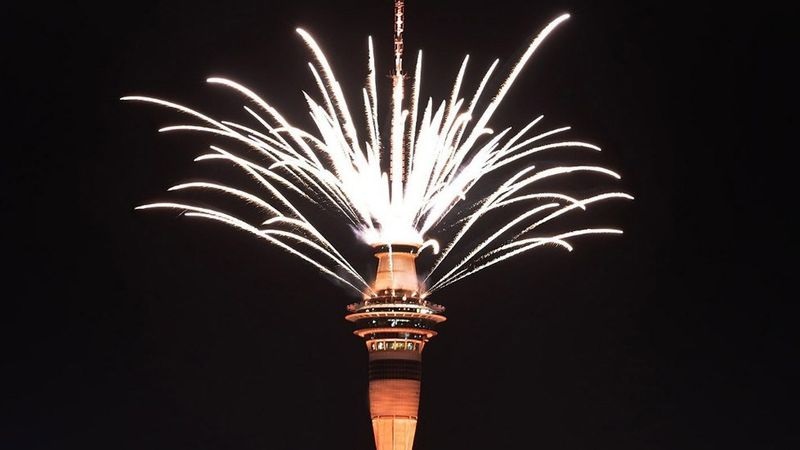
Tragedies in Sumatra and Hong Kong lead to cancelled fireworks for New Year 2026. Jakarta and HK opt for prayers and music over pyrotechnics.
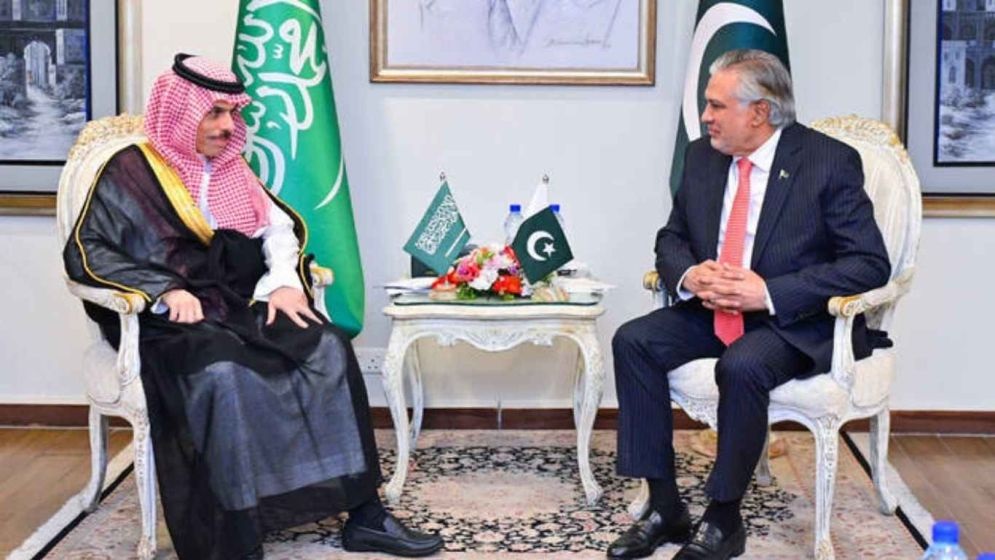
Amid escalating Saudi-UAE tensions in Yemen, Pakistan’s leadership engages in high-level diplomacy to maintain strategic ties with both Gulf partners.
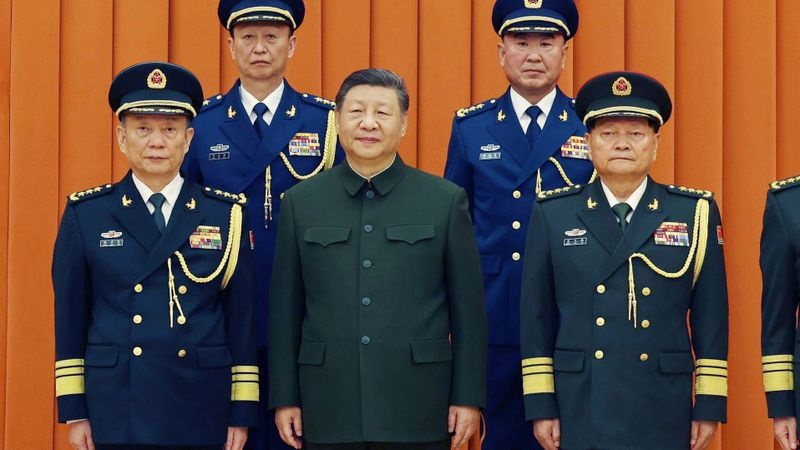
As China tests its blockade capabilities, Taiwan accelerates the ‘T-Dome’ air defense system. Inside the record $10 billion US weapons package.
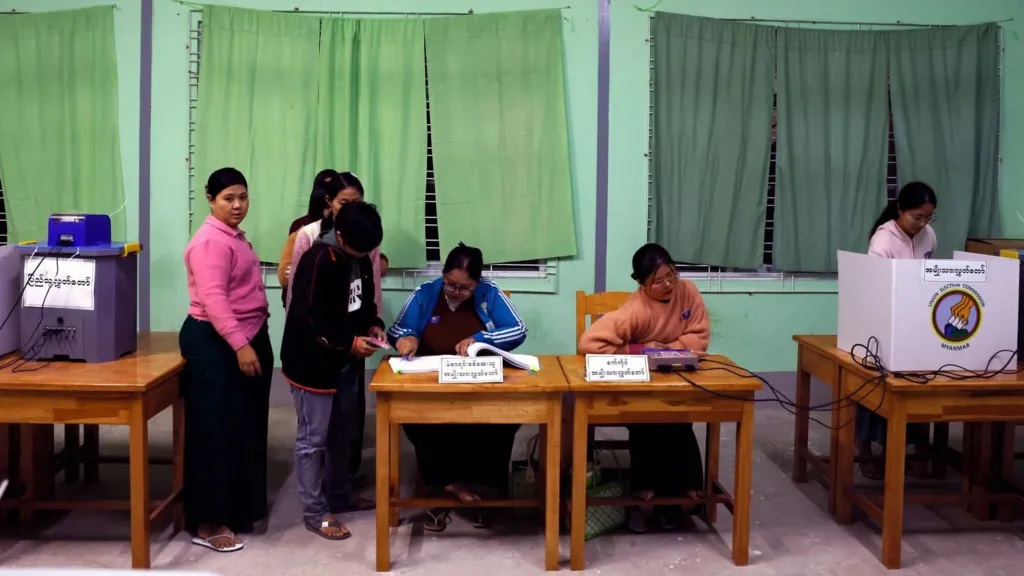
Myanmar kicked off the first phase of its controversial general election on Sunday. Voting took place in 102 townships amid reports of explosions and airstrikes.