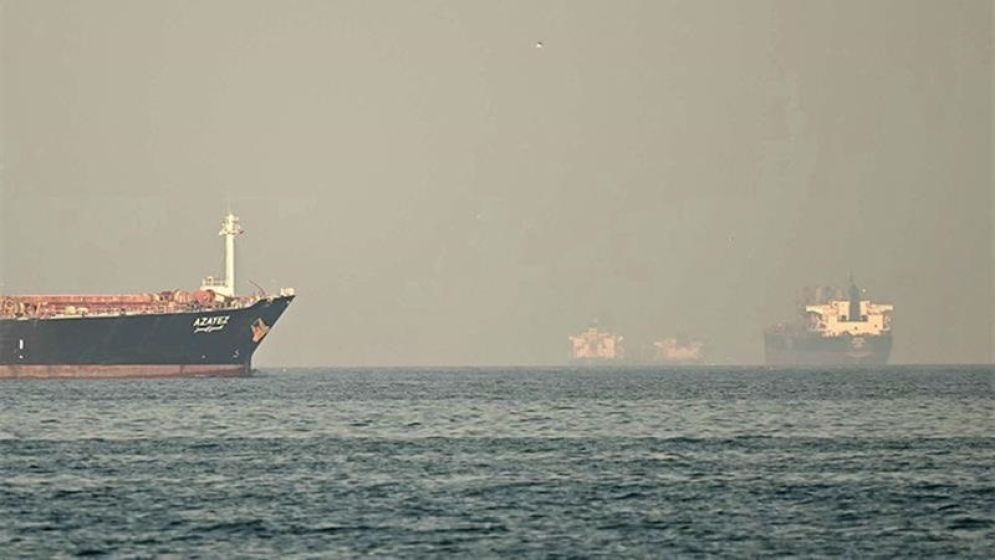
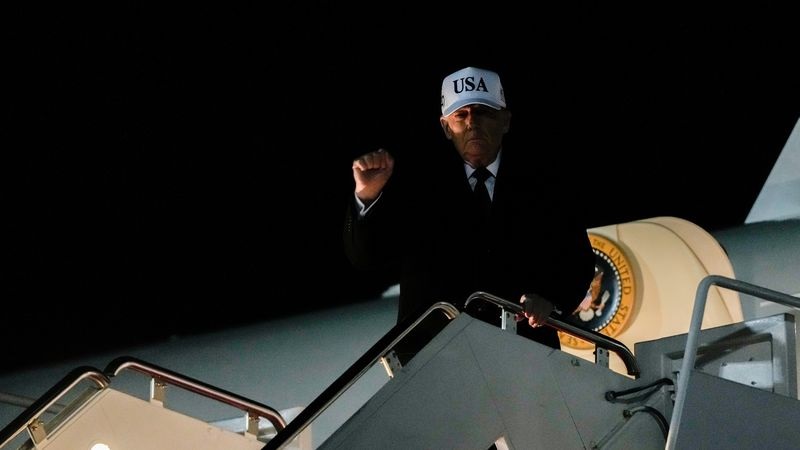
Rare Earths and Radar The Strategy Behind the US Push for Greenland
A deep dive into why the US is targeting Greenland, from untapped rare earth minerals to the Lansing Declaration and the future of the NATO alliance.





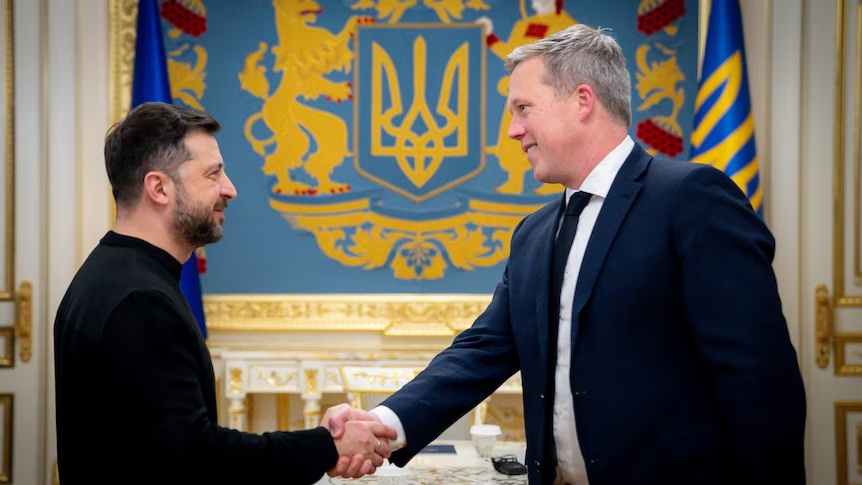
KYIV, UKRAINE — The Trump administration’s intensified drive for a peace deal in Ukraine culminated in an extraordinary diplomatic visit on Thursday, as the most senior US military delegation since the start of the administration—led by Army Secretary Dan Driscoll and Army Chief of Staff Gen Randy George—arrived in Kyiv to present President Volodymyr Zelenskyy with the American \”vision\” for ending the war.
The visit comes as the 28-point draft plan, developed by envoys Steve Witkoff (US) and Kirill Dmitriev (Russia), remains mired in controversy over terms demanding that Ukraine cede territory, reduce its army to 600,000 personnel, and abandon its Nato aspirations.
The White House is forcefully pushing back against claims that the plan constitutes a forced capitulation or that Kyiv was excluded. Press Secretary Karoline Leavitt stated the plan was a \”good plan for both\” and directly implicated Ukrainian officials in its creation.
An unnamed senior US official told CBS News that the plan was drawn up immediately following discussions with National Security Advisor Rustem Umerov, who allegedly \”agreed to the majority of the plan, after making several modifications, and presented it to President Zelenskyy.\”
In a seemingly supportive message, Ukrainian Defence Minister Denys Shmyhal posted on X: \”We focused on the next steps for implementing the historic defence agreements reached by President Zelenskyy and President Trump.\”
Despite the diplomatic pressure, Zelenskyy has maintained a carefully neutral public stance, stating he \”appreciated the efforts of President Trump and his team\” but stressed that Ukraine needs a \”worthy peace\” that respects the \”dignity of the Ukrainian people.\”
The Kremlin, meanwhile, downplayed the process, with spokesman Dmitry Peskov stating there was \”no process that could be called \’consultations\’,\” but warned that any peace deal must address the \”root causes of the conflict,\” Russia\’s long-standing code for its maximalist demands.
The push for a resolution continues against a backdrop of escalating military violence:
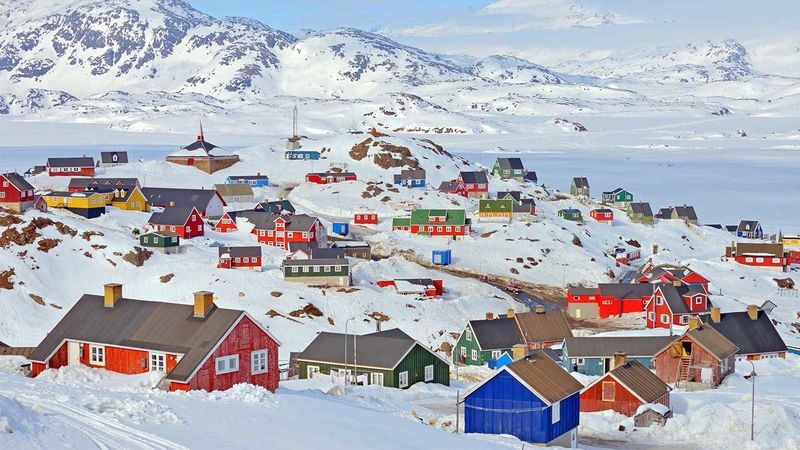
A deep dive into why the US is targeting Greenland, from untapped rare earth minerals to the Lansing Declaration and the future of the NATO alliance.
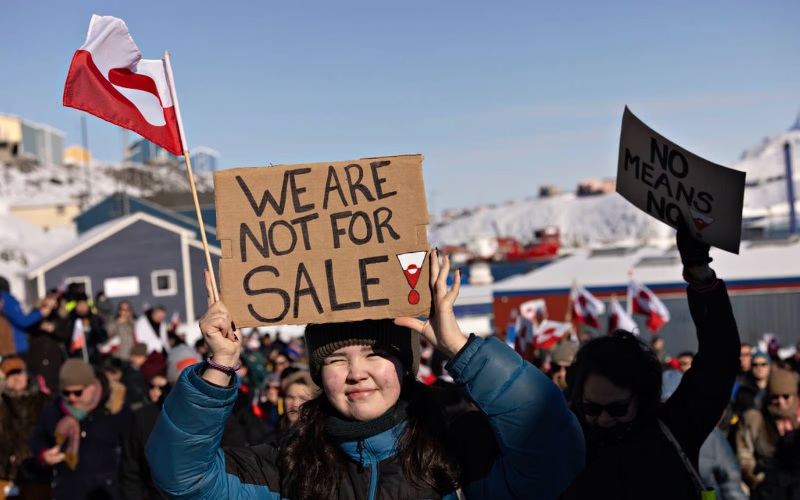
Six European powers join Denmark in a historic statement rejecting US claims to Greenland. PM Mette Frederiksen warns of NATO collapse if force is used.
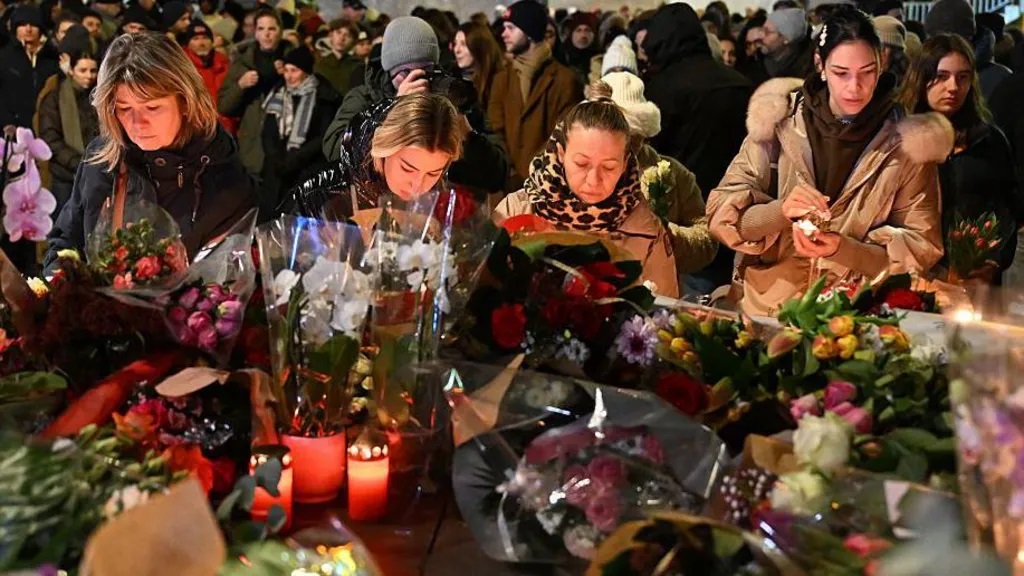
Prosecutors investigate Jacques and Jessica Moretti for manslaughter after sparklers ignited a deadly blaze in Crans-Montana. Was Le Constellation a ‘death trap’?
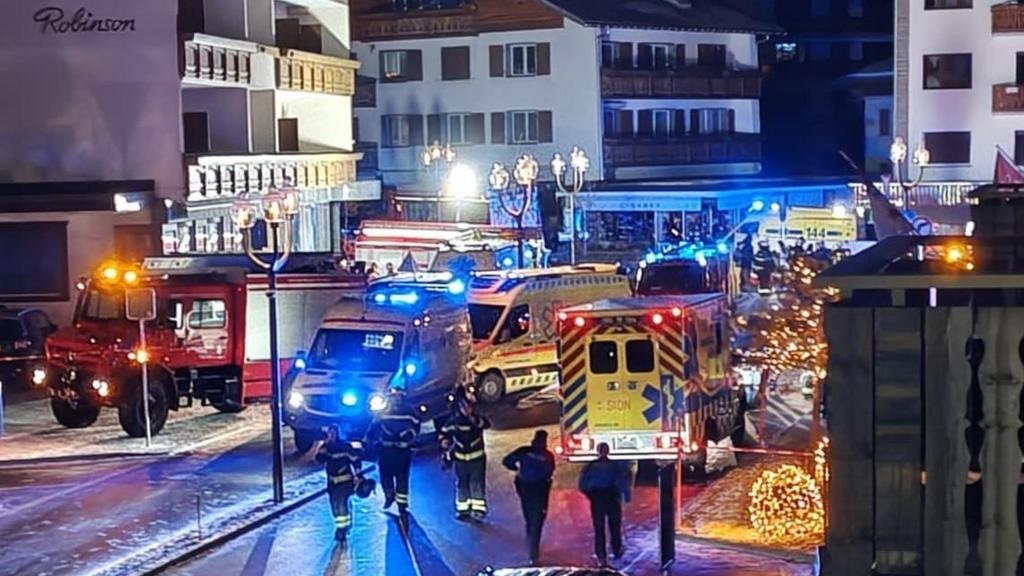
A devastating fire at Le Constellation bar in the Swiss Alpine resort of Crans-Montana has left multiple dead and injured during New Year’s celebrations.

Exploring the complex life of Brigitte Bardot. From cinema stardom to five convictions for inciting racial hatred, the French icon remained polarizing until her death.

Zagreb’s Christmas market, known as Zagreb Advent, is driving a winter tourism boom in Croatia. Discover how the capital is competing with giants like Cologne and Vienna.
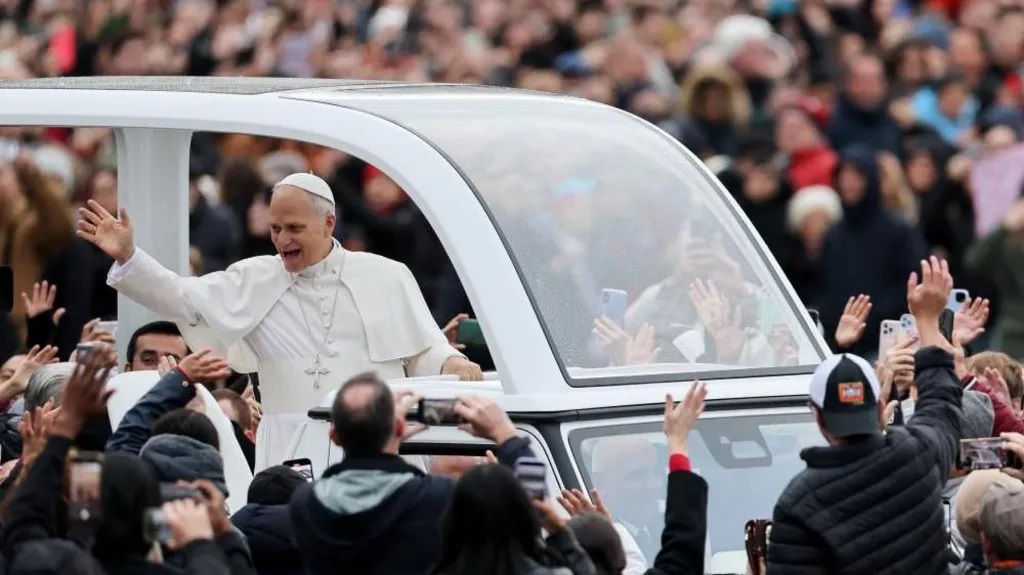
Pope Leo XIV delivered his first Christmas Urbi et Orbi address, calling for direct talks between Ukraine and Russia and lamenting the humanitarian crisis in Gaza.
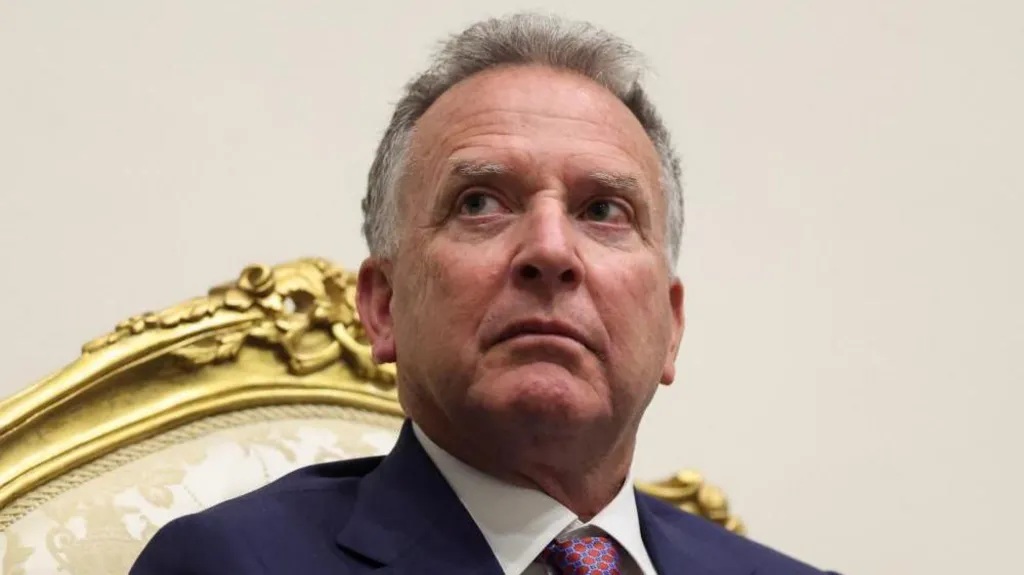
US envoy Steve Witkoff meets President Zelensky and European leaders in Berlin to finalize a peace plan by Christmas. The key sticking point is the Donbas region, where the US proposed a controversial “special economic zone” and Ukrainian withdrawal, a plan Zelensky skeptically questioned for failing to restrain Russia’s advance.