Swindon Town Defends Captain Ollie Clarke Against FA Ruling
Swindon Town condemns the FA’s decision to ban captain Ollie Clarke, questioning the “balance of probabilities” used in the sexual misconduct ruling.





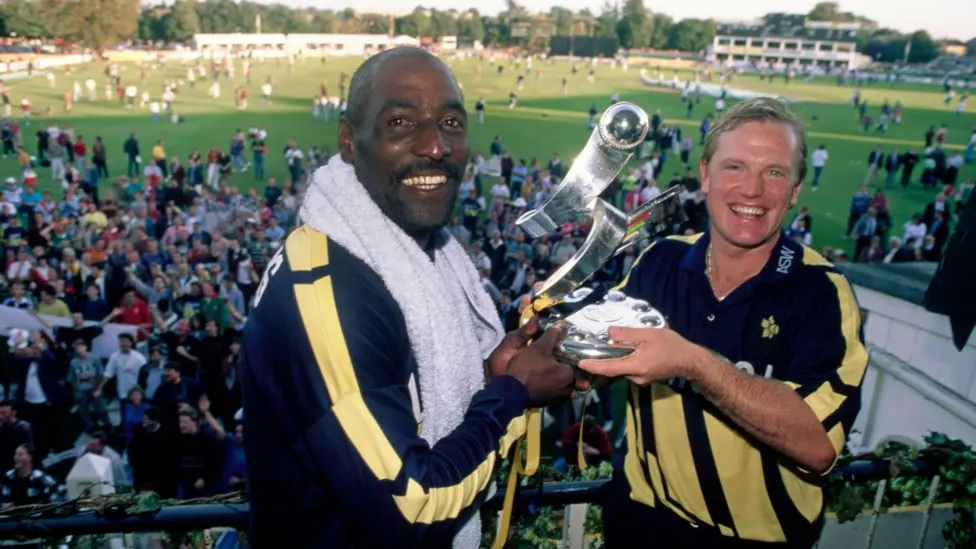
AUSTRALIA : The story of Duncan Spencer is a compelling, yet cautionary, tale of the physical toll exacted by extreme pace. Lauded by greats like Viv Richards for his “serious pace,” Spencer was set to be an international fixture for either Australia or England in the 1990s. Instead, his career trajectory was derailed by chronic injury and capped by an 18-month ban under Australia’s nascent anti-doping laws.
Spencer, who started bowling late at 14, saw his potential swiftly recognized, but the demands of his blistering speed broke his body. Despite his compact frame, he required his first back operation at just 17. The final breakdown came in a 1994 one-day game for Kent, where he collapsed on the pitch bowling to Mark Ramprakash.
Returning to Australia, Spencer faced excruciating, debilitating pain that made simple tasks like mowing the lawn unbearable. To manage this severe, chronic pain and regain a semblance of normal life with a young family, Spencer began taking prescription steroids.
His rehabilitation progressed to the point where, years later, he decided to play club cricket again. Then-Western Australia captain Tom Moody convinced him to rejoin the state squad for a one-day competition. After playing in the domestic cup final, Spencer was drug-tested.
With the pain medication still in his system, Spencer received an 18-month suspension, becoming the first Australian cricketer penalized under the country’s anti-doping regulations.
“It was six months after taking the drugs before I even attempted a bowl,” Spencer noted. “By the time I played it was a year later. Apparently it hangs around in your body for much longer. If I knew that, I wouldn’t have played.”
The ban effectively slammed the door shut on any lingering international aspirations, despite interest from English counties.
Though his first-class career yielded only 36 wickets in 16 matches, Spencer’s final chapter in professional cricket saw him return briefly at age 34 for Sussex in 2006. His last professional wicket, fittingly, was cricket royalty: Sri Lankan great Kumar Sangakkara.
While Spencer never achieved the international caps his talent warranted, his legacy is cemented in the minds of those who faced him. He remains a powerful symbol of unfulfilled potential, a player whose raw, frightening speed was too much for his own body to contain, leading to a tragic end to what could have been a legendary career.
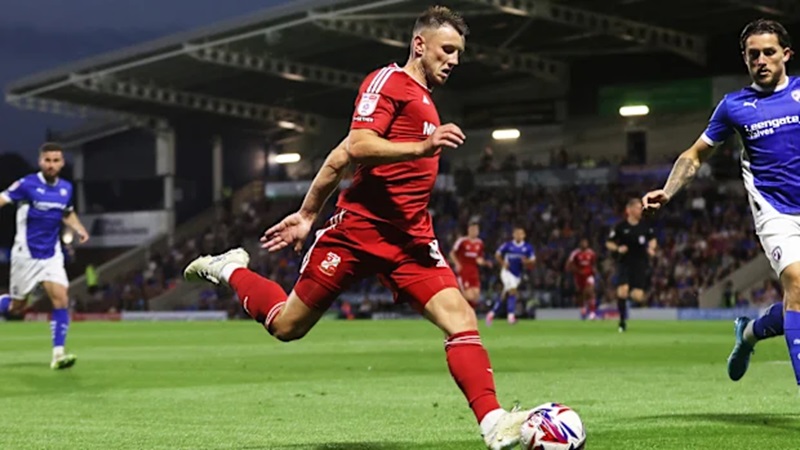
Swindon Town condemns the FA’s decision to ban captain Ollie Clarke, questioning the “balance of probabilities” used in the sexual misconduct ruling.
Following the APL’s takeover of the Mariners, coach Warren Moon faces a stable future while transfer plans for Ben Folami are scrapped.
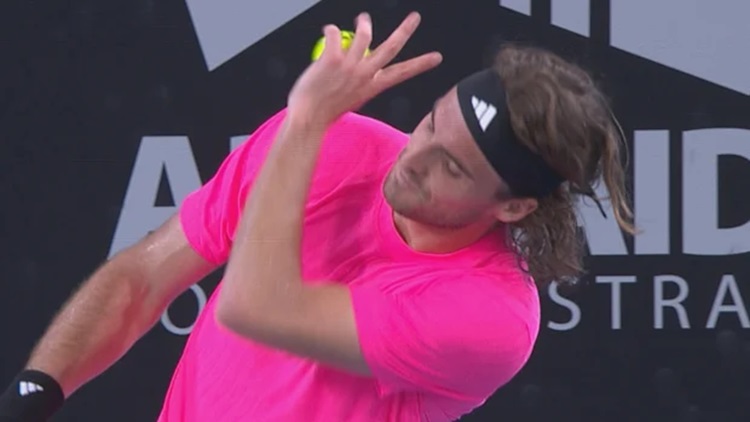
From battling Aussie flies to roaring with the crowd, Aleksander Vukic’s win over Stefanos Tsitsipas was the highlight of the Adelaide International night session.
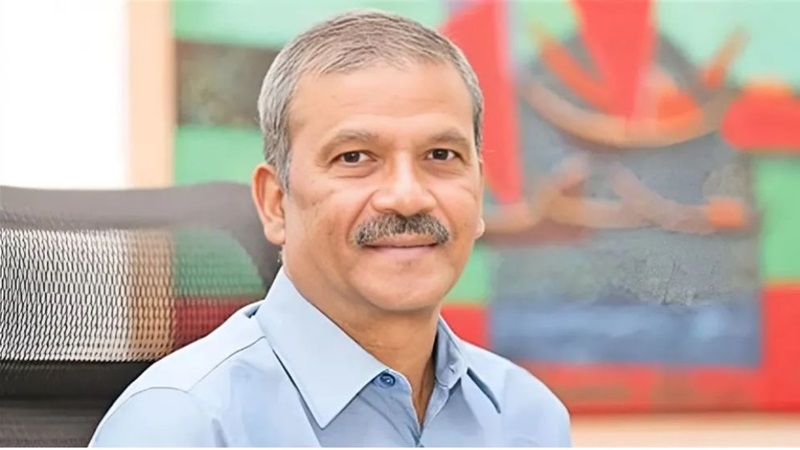
DHAKA: The “gentleman’s game” has hit a diplomatic wall. The latest statements from Bangladesh’s Youth and Sports Adviser, Prof Asif Nazrul, suggest that the era…
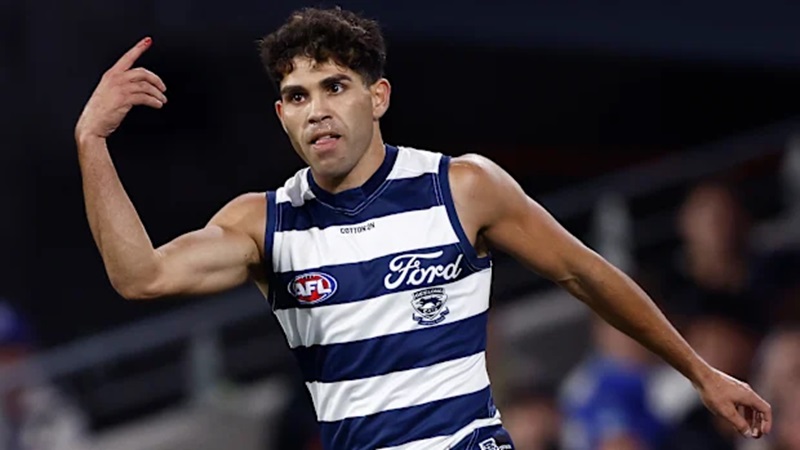
With Tyson Stengle and Bobby Hill both taking personal leave, the AFL’s focus on player welfare is under the spotlight. Learn more about the Geelong star’s journey.
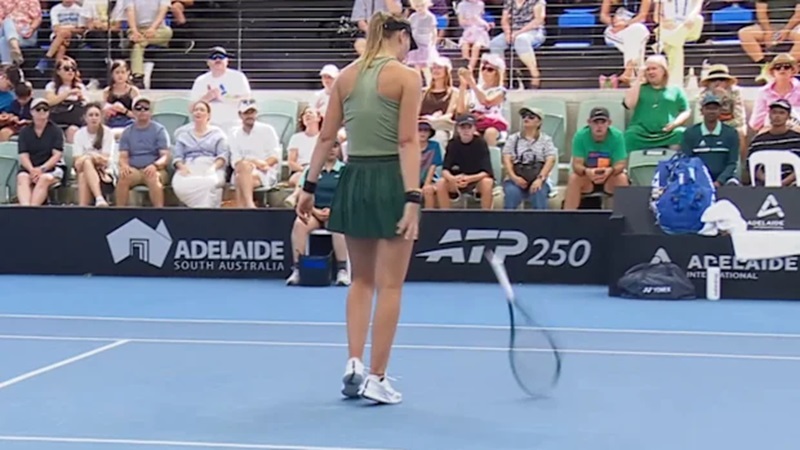
Paula Badosa’s Australian Open prep takes a hit as she crashes out of Adelaide. See the moment of frustration that summed up her first-round loss.
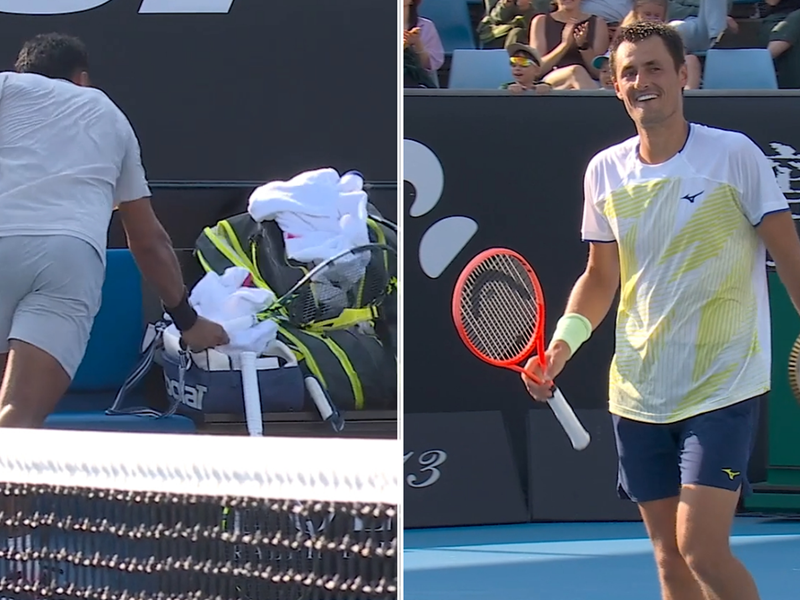
Bernard Tomic entertained the Melbourne crowd with a classic performance on and off the court during his AO qualifying win. From banana requests to shirt swaps.
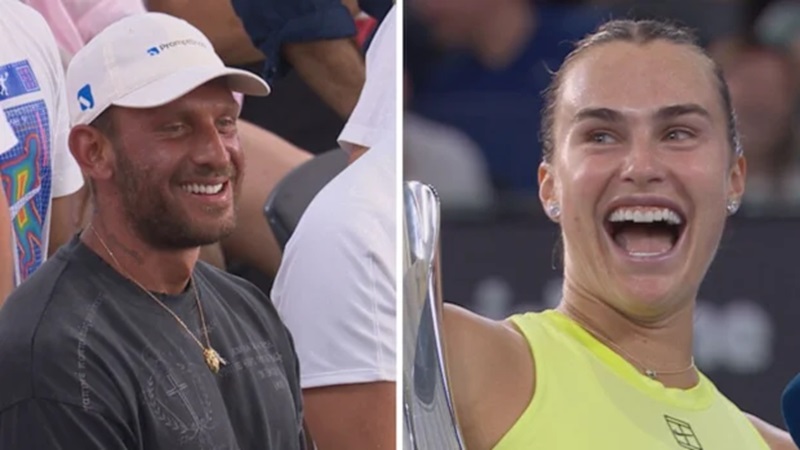
Aryna Sabalenka claims her 22nd career title with a straight-sets win over Marta Kostyuk in Brisbane. Full match analysis and post-match highlights.