Beyond Numbers: Why the Future of Data Science Needs Linguistics
By Md. Faisal Uddin We live in an era obsessed with numbers. Every swipe, click, share, and purchase we make online is converted into a…





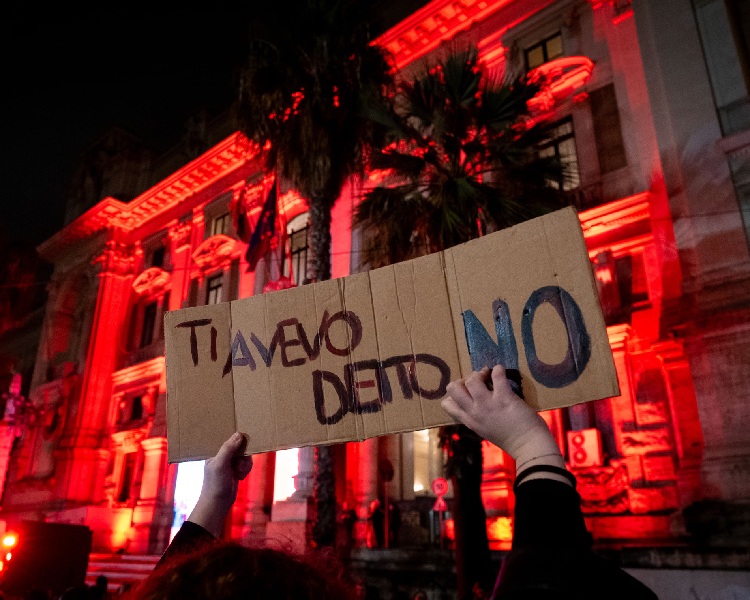
Italy: As Italy grapples with an ongoing crisis of violence against women, the country’s far-right government has ignited a national debate by passing a bill that restricts—rather than mandates—sex education in schools. The move has been met with furious backlash from campaigners and opposition leaders who argue the bill is actively undermining efforts to make young people safer.
Italy remains a notable outlier in the European Union for lacking compulsory, comprehensive relationship and sex education, a tool widely recognized globally as critical for preventing gender-based violence.
The demand for mandatory programs gained tragic resonance following the murder of university student Giulia Cecchetin in November 2023, a crime for which her former boyfriend has confessed and been jailed. Cecchetin’s family and supporters have publicly called for compulsory sex education, highlighting the need to address root causes of violence and misogyny early in the education system.
Despite this urgent social backdrop, the government bill, backed by Georgia Meloni’s coalition, permits sex education in middle schools only with explicit written parental consent, and bans it outright in primary schools.
Opposition parties protested the measure outside parliament, branding it as regressive and counter-productive to public safety. They accuse the government of prioritizing an ideological agenda over proven prevention methods.
This ideological battle was underlined by Rossano Sasso, the under-secretary for education, who claimed the bill was a necessary step to say “goodbye to gender ideology and the woke bubble,” arguing that compulsory programs would allow “political propaganda” into schools.
However, the political resistance appears to be deeply out of step with the electorate. Recent surveys show massive support for reform: 90% of Italian students and almost 80% of parents favour sex education programs being implemented.
The ongoing controversy also highlights historical legislative inertia. Since 1975, 34 separate attempts to introduce mandatory sex education have been defeated, primarily due to heavy lobbying from pro-life groups and the significant influence of the Catholic church, which often associates the subject with promoting same-sex relationships and surrogacy. This row over sex education comes just a week after parliament stalled a debate on a separate landmark law that would define sex without consent as rape.

By Md. Faisal Uddin We live in an era obsessed with numbers. Every swipe, click, share, and purchase we make online is converted into a…

Did you know 40% of UK universities offer free, lifelong careers advice to graduates? Discover how to access CV coaching and interview prep as an older alumnus.

From EY’s record fines to the ACCA’s remote exam ban, we analyze why the accounting industry is struggling to maintain ethical standards in the AI age.

Jagannath University (JnU) administration orders students to vacate campus by 3:30 PM Monday ahead of the JnUCSU and Hall Union elections on Tuesday.

From being tied to a gurney in school to becoming a TikTok icon, discover how José Medina is transforming dual language education and fighting linguistic oppression.

From Jordan to Palestine and Saudi Arabia, meet the female directors changing the face of the Red Sea Film Festival. A deep dive into the stories of Zain Duraie, Amira Diab, and more.

As Brown University applicants await life-changing Early Decision offers tonight, they grapple with the reality of a campus shooting. Experts and students discuss the “sad reality” of gun violence at elite schools and the resilience of the 2025 applicant pool.