Beyond Numbers: Why the Future of Data Science Needs Linguistics
By Md. Faisal Uddin We live in an era obsessed with numbers. Every swipe, click, share, and purchase we make online is converted into a…






If you graduated 20 years ago and are looking for a career change, your first port of call shouldn’t be a recruitment agency—it should be your old university.
New data reveals that more than 40% of universities in England and Wales now provide free, lifelong access to their careers services. This “lifelong campus” model is designed to help older workers navigate a rapidly evolving job market that looks very different from the one they entered in the 1990s or 2000s.
While every institution differs, most “Lifelong Access” programs include:
Professional Coaching: One-on-one sessions to identify transferable skills.
Updating old-fashioned formats for modern Applicant Tracking Systems (ATS).
Mock interviews to build confidence for those who haven’t sat across a desk in decades.
Access to alumni-only job boards and networking events.
Career coach Rachel Beauchamp highlights the importance of “skill translation.” She recently worked with an alumna who had been out of the workforce for 12 years. By reframing her extensive volunteer work in school parent groups as professional administration and project management, the graduate successfully transitioned into a role with the NHS.
According to the Association of Graduate Careers Advisory Services, the rise of lifelong support is a response to:
With retirement ages rising, workers in their 50s still have 15–20 years of productivity ahead.
Older workers often need help “translating” their experience into modern digital contexts.
Professionals who have been in one role for decades often underestimate their own marketability.
Most graduates are unaware these services exist. To find out if your university offers support:
Visit your university’s Alumni Relations or Careers Service website.
Check for “Lifelong Access” or “Alumni Career Support” tags.
Update your contact details with the alumni office to receive newsletters that often highlight these free resources.
As Gil Hamilton, a Lancaster University graduate who used the service to escape a 17-year rut, says: “Don’t make yourself miserable for the next 20 years. The help is there, and it’s free.”

By Md. Faisal Uddin We live in an era obsessed with numbers. Every swipe, click, share, and purchase we make online is converted into a…

From EY’s record fines to the ACCA’s remote exam ban, we analyze why the accounting industry is struggling to maintain ethical standards in the AI age.
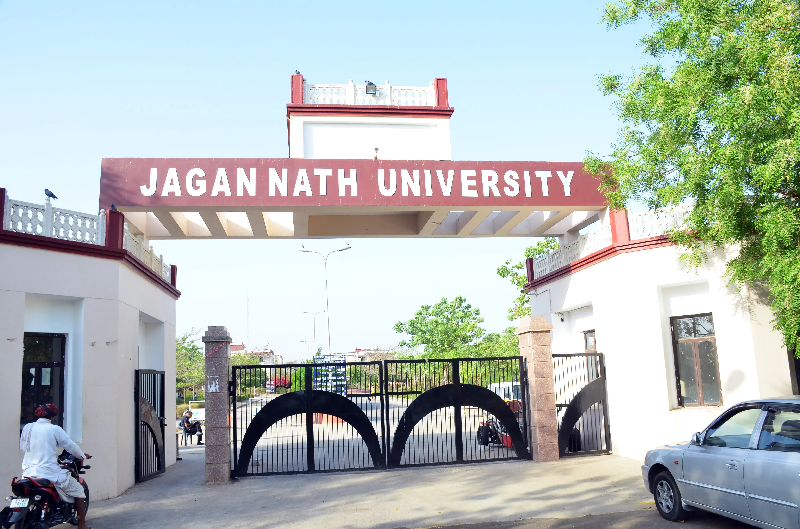
Jagannath University (JnU) administration orders students to vacate campus by 3:30 PM Monday ahead of the JnUCSU and Hall Union elections on Tuesday.
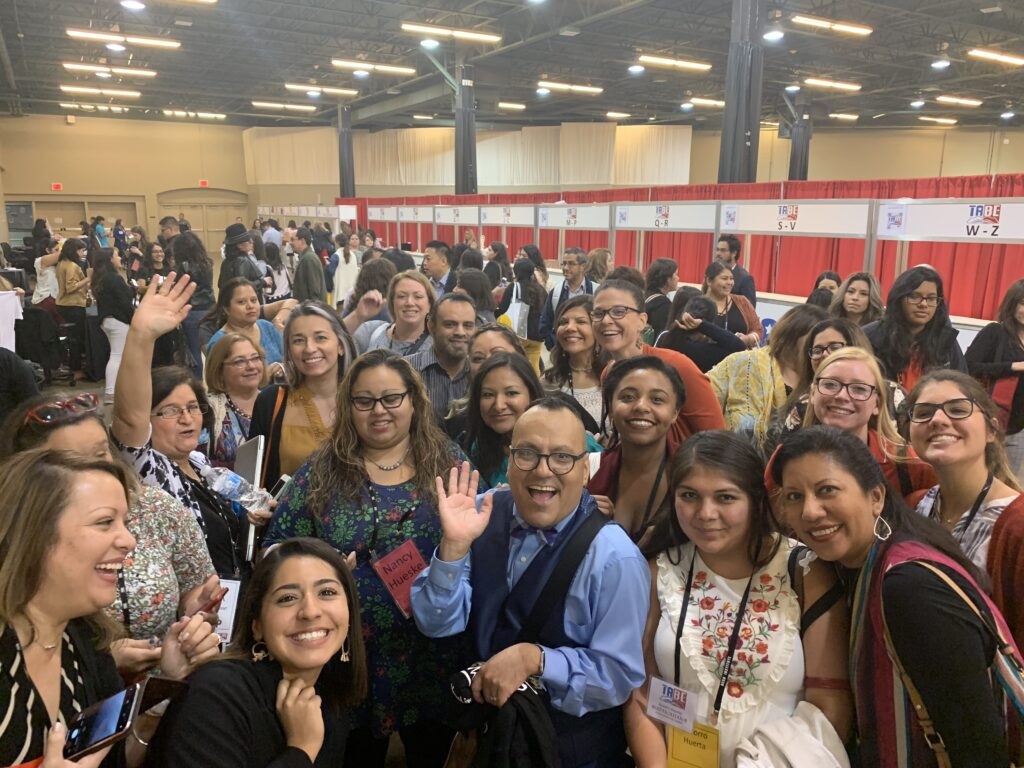
From being tied to a gurney in school to becoming a TikTok icon, discover how José Medina is transforming dual language education and fighting linguistic oppression.

From Jordan to Palestine and Saudi Arabia, meet the female directors changing the face of the Red Sea Film Festival. A deep dive into the stories of Zain Duraie, Amira Diab, and more.
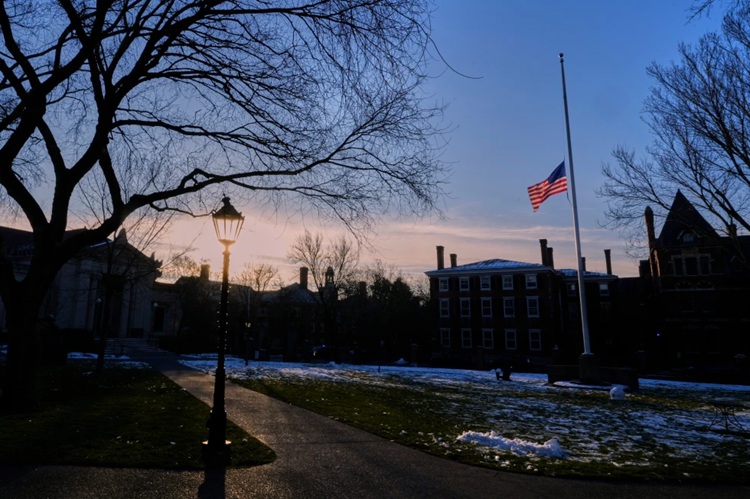
As Brown University applicants await life-changing Early Decision offers tonight, they grapple with the reality of a campus shooting. Experts and students discuss the “sad reality” of gun violence at elite schools and the resilience of the 2025 applicant pool.

The family of murdered student Giulia Cecchetin joins calls for mandatory sex education, as the Italian government passes a bill requiring parental consent to teach the subject