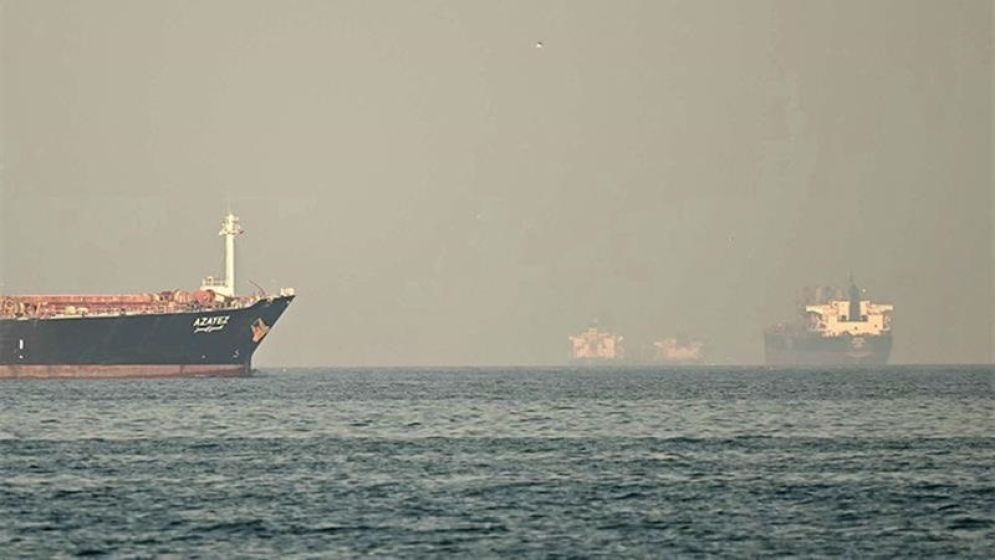
Trump Hits Iran’s Trade Partners with 25% Tariff Amid Deadly Crackdown
Following reports of 600 deaths in Iran protests, President Trump imposes a 25% tariff on countries trading with Tehran. Military action remains “on the table.”





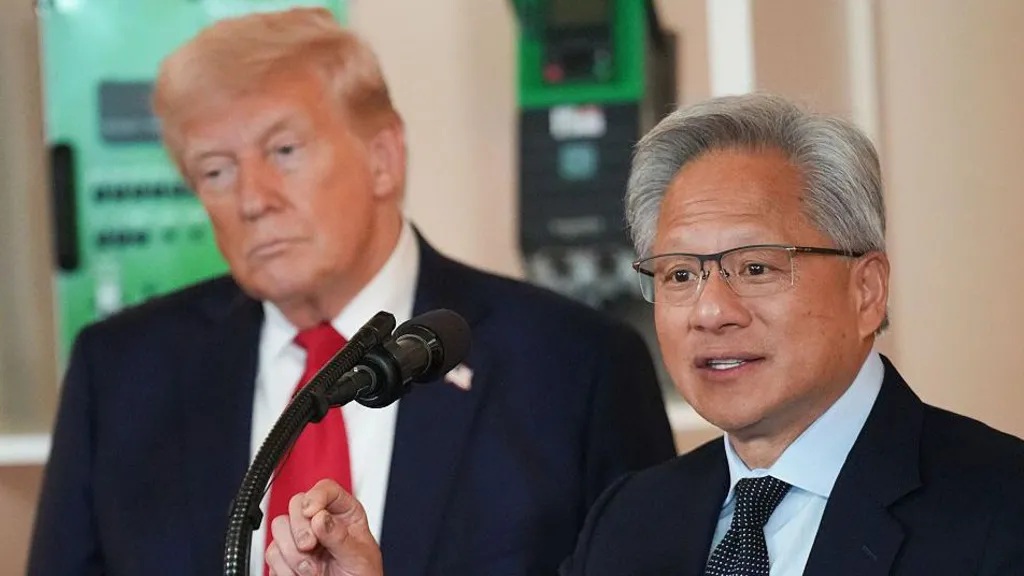
SAN FRANCISCO: President Donald Trump’s decision to allow U.S. technology giants, including Nvidia and AMD, to sell advanced H200 AI chips to “approved customers” in China is facing immediate resistance from national security experts who warn the move could enhance China’s military capabilities.
The policy reversal, announced on Monday, is aimed at boosting American jobs and leveraging trade negotiations. However, the move directly contradicts security concerns about the proliferation of AI technology to China’s military apparatus, particularly after a previous ban was imposed on advanced chip exports.
The primary concern is the chips’ potential dual use. Researchers at Georgetown University’s Center for Security and Emerging Technology (CSET) have documented that China’s People’s Liberation Army (PLA) is actively using advanced chips to develop AI-enabled military systems.
“By making it easier for the Chinese to access these high-quality AI chips, you enable China to more easily use and deploy AI systems for military applications,” stated Cole McFaul, senior research analyst at CSET. “They want to harness advanced chips for battlefield advantage.”
The H200 is considered a high-quality AI semiconductor, although it is slightly older than Nvidia’s current top-tier Blackwell chip, meaning China gains access to powerful, if not absolute cutting-edge, technology.
The deal, which mandates that 25% of Chinese revenues from the H200 sales be remitted to the U.S. government, is a complex political and economic maneuver. While Nvidia lauded the decision as a “thoughtful balance” that supports U.S. manufacturing jobs, the arrangement is expected to face heavy opposition from national security hawks in Congress.
The policy is also strategically linked to rare earths. By allowing H200 sales, the U.S. buys crucial time to negotiate trade deals concerning rare earth minerals, which are vital for electronics and where China dominates global processing.
Despite the U.S. attempt to control the flow of the most advanced technology, China is expected to continue its aggressive push toward technological self-sufficiency, ensuring the underlying geopolitical tension in the global chip war remains high.
Following reports of 600 deaths in Iran protests, President Trump imposes a 25% tariff on countries trading with Tehran. Military action remains “on the table.”
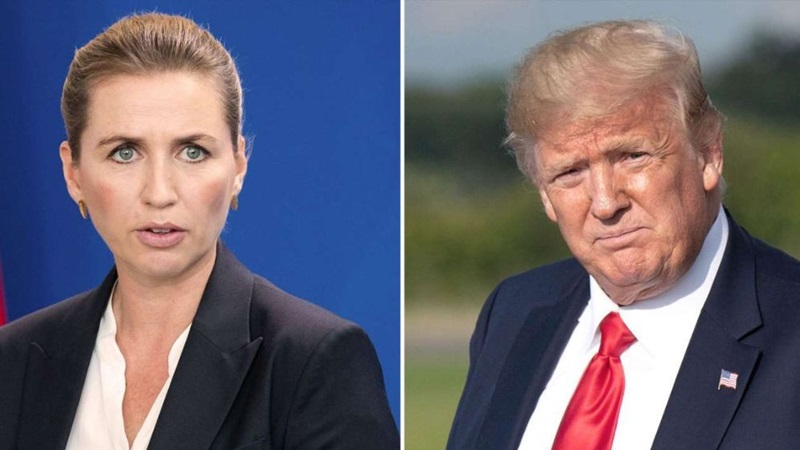
PM Mette Frederiksen warns of a decisive moment for Greenland as Germany, Sweden, and the UK back Denmark against US claims to the Arctic territory.
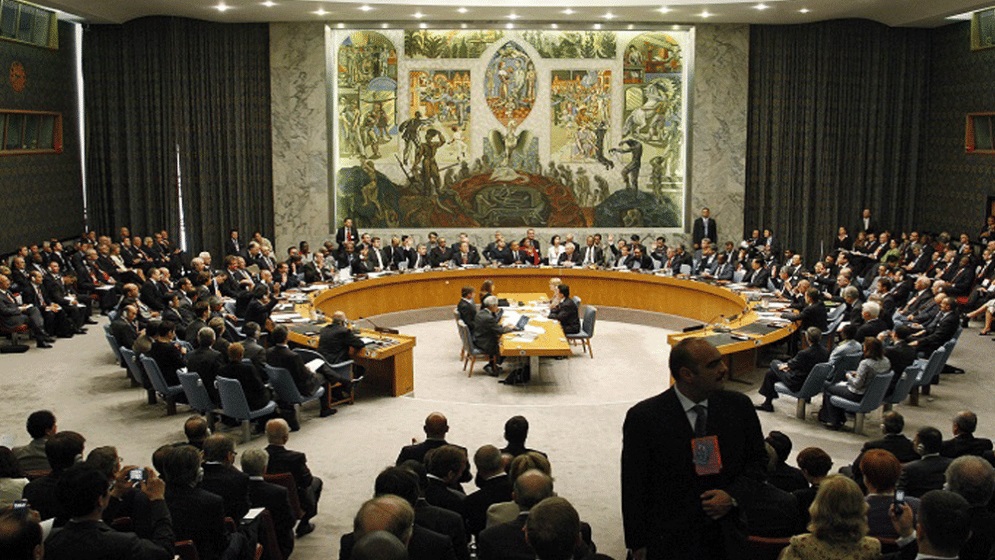
China’s strong rhetoric at the UN Security Council highlights a deepening rift over US interventionism in Latin America following the Maduro capture.

CANBERRA : The Australian government has adopted a “measured” response to the dramatic ousting and capture of Nicolás Maduro by US forces, with Prime Minister…

Explore the impact of the recent PeruRail and Inca Rail collision on tourism and safety at Machu Picchu. Details on casualties and travel disruptions.
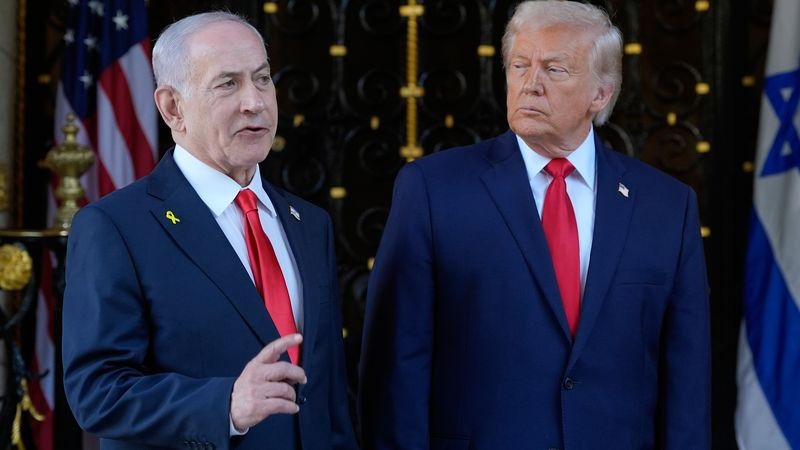
PALM BEACH: While the optics of the Mar-a-Lago meeting suggest a unified front, the transition to “Phase Two” of the Gaza ceasefire faces unprecedented logistical…

The Cairns-based luxury cruise ship Coral Adventurer has run aground on a reef near Lae, Papua New Guinea. All 123 passengers and crew are reported safe.
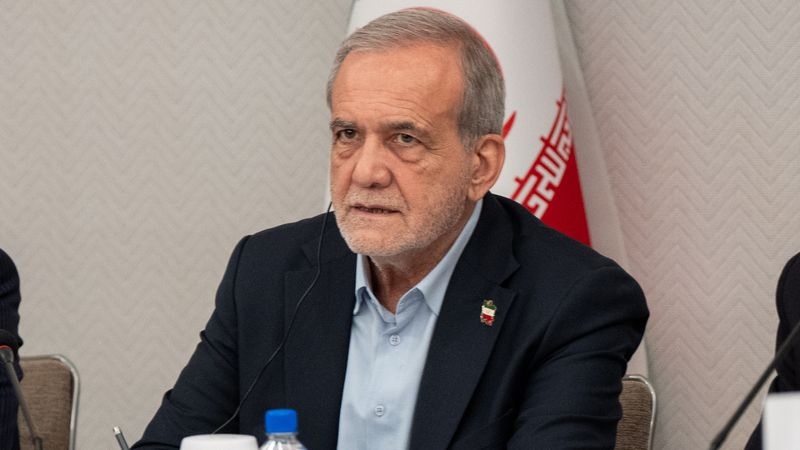
Iranian President Masoud Pezeshkian warns of a “full-scale war” ahead of the Trump-Netanyahu meeting, citing Western efforts to destabilize Iran.