Trump Hits Iran’s Trade Partners with 25% Tariff Amid Deadly Crackdown
Following reports of 600 deaths in Iran protests, President Trump imposes a 25% tariff on countries trading with Tehran. Military action remains “on the table.”





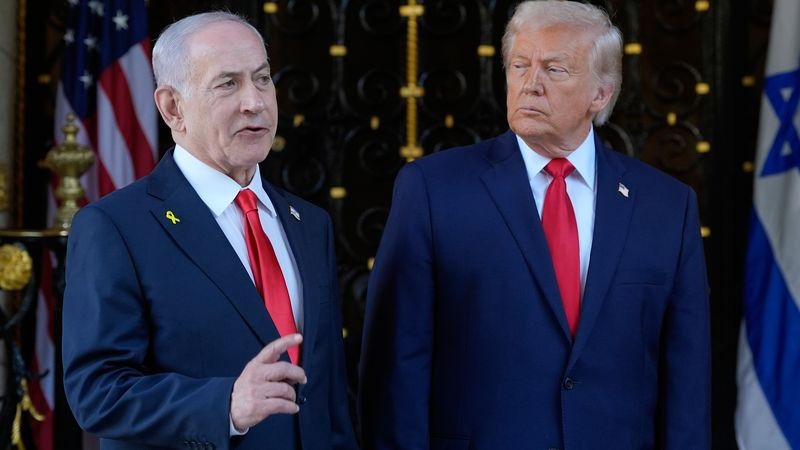
PALM BEACH: While the optics of the Mar-a-Lago meeting suggest a unified front, the transition to “Phase Two” of the Gaza ceasefire faces unprecedented logistical and geopolitical hurdles.
The most contentious element of the Trump plan is the proposed International Stabilization Force. A Western diplomat, speaking on condition of anonymity, noted a “huge gulf” between U.S.-Israeli expectations and those of European and Arab partners.
Washington wants a force with a “commanding role” to disarm Hamas.
Contributing nations fear this mandate effectively creates an “occupation force,” potentially drawing foreign troops into a prolonged insurgency.
Beyond Gaza, the leaders are set to discuss the resurgence of Iran’s military capabilities. Despite President Trump’s insistence that Iran’s nuclear sites were “completely obliterated” during U.S. strikes in June, Israeli intelligence remains skeptical. Local media reports suggest Jerusalem is increasingly concerned that Tehran is rebuilding its supply of long-range missiles capable of striking Israel, complicating any regional peace deal.
On the ground in Gaza, the situation remains dire. Under the current agreement, Palestinians are restricted to a zone less than half the size of the territory. Iyad Abu Sakla, a displaced man in Khan Younis, echoed the sentiment of thousands: “Enough lying to us… this displacement is bad; it’s cold and freezing.”
While the UAE has reportedly agreed to fund the construction of new communities, the plan remains unsettled. Egypt, Qatar, and Saudi Arabia continue to press for a full Israeli withdrawal before committing to the deployment of security forces or the commencement of large-scale reconstruction.
Mona Yacoubian of the Center for Strategic and International Studies (CSIS) describes the task ahead as a “tall order.” President Trump’s ability to move Netanyahu toward a technocratic Palestinian government—a concept the Israeli leader has historically opposed—will determine whether this meeting results in a historic breakthrough or a broader clash of regional approaches.
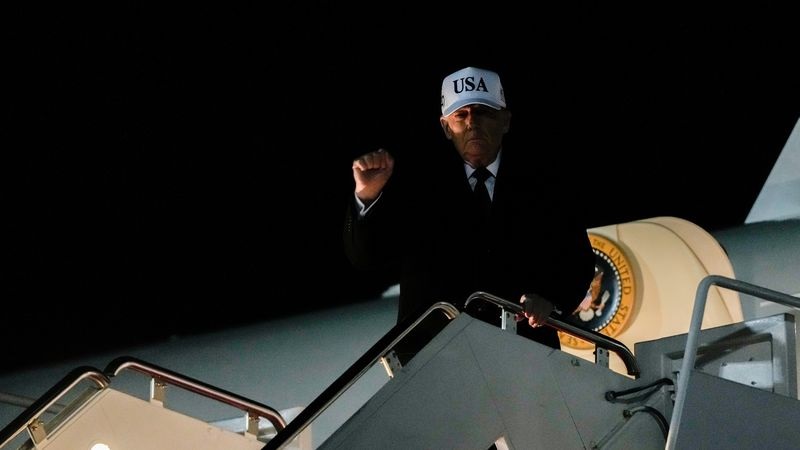
Following reports of 600 deaths in Iran protests, President Trump imposes a 25% tariff on countries trading with Tehran. Military action remains “on the table.”
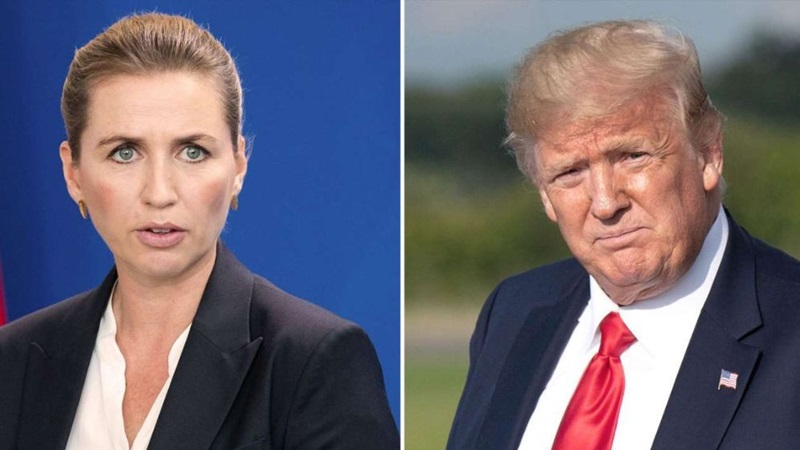
PM Mette Frederiksen warns of a decisive moment for Greenland as Germany, Sweden, and the UK back Denmark against US claims to the Arctic territory.
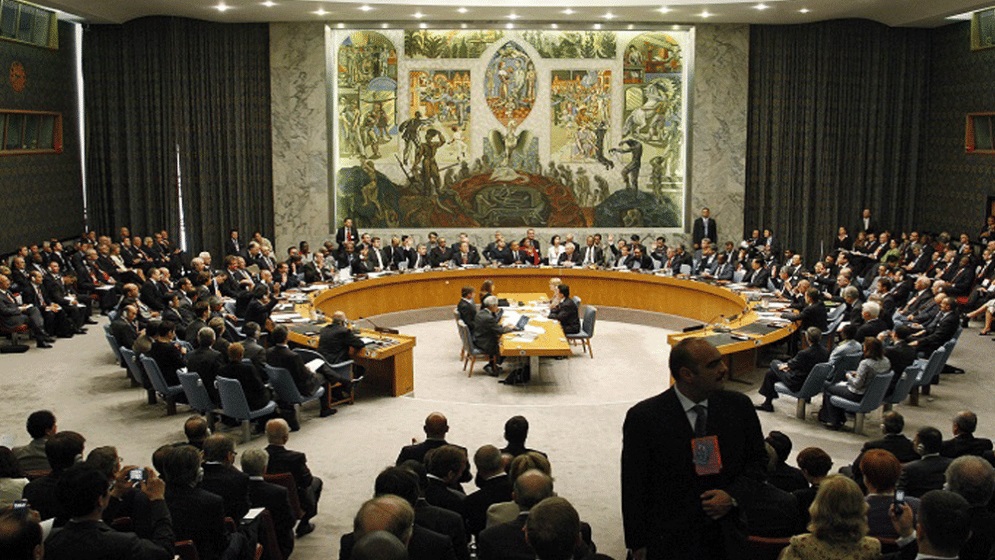
China’s strong rhetoric at the UN Security Council highlights a deepening rift over US interventionism in Latin America following the Maduro capture.

CANBERRA : The Australian government has adopted a “measured” response to the dramatic ousting and capture of Nicolás Maduro by US forces, with Prime Minister…
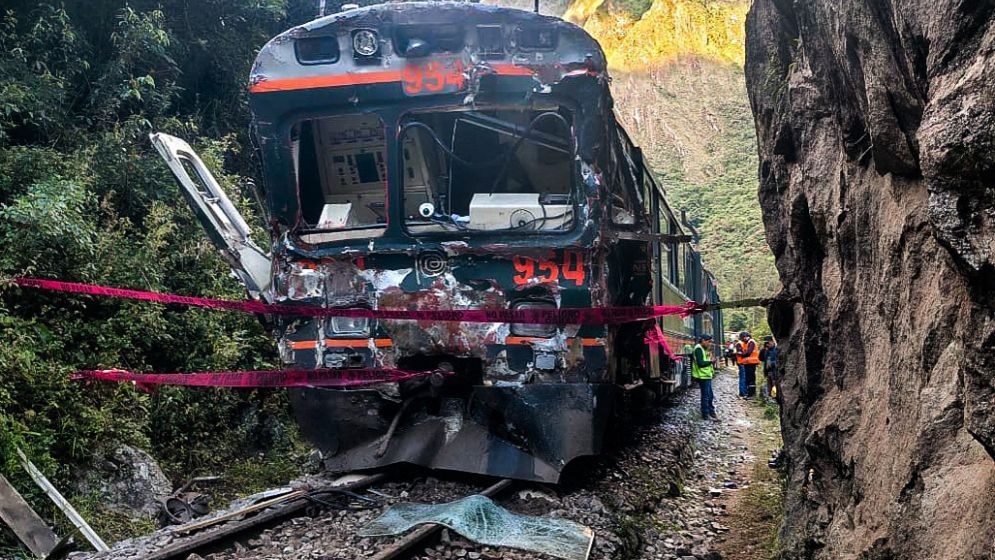
Explore the impact of the recent PeruRail and Inca Rail collision on tourism and safety at Machu Picchu. Details on casualties and travel disruptions.

The Cairns-based luxury cruise ship Coral Adventurer has run aground on a reef near Lae, Papua New Guinea. All 123 passengers and crew are reported safe.
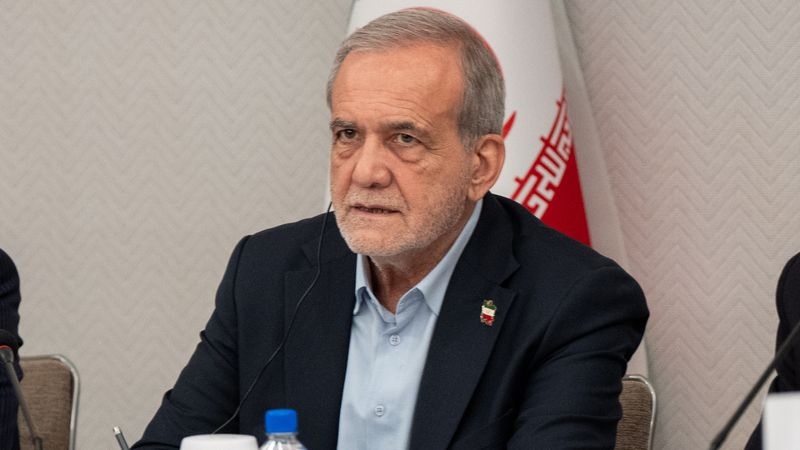
Iranian President Masoud Pezeshkian warns of a “full-scale war” ahead of the Trump-Netanyahu meeting, citing Western efforts to destabilize Iran.
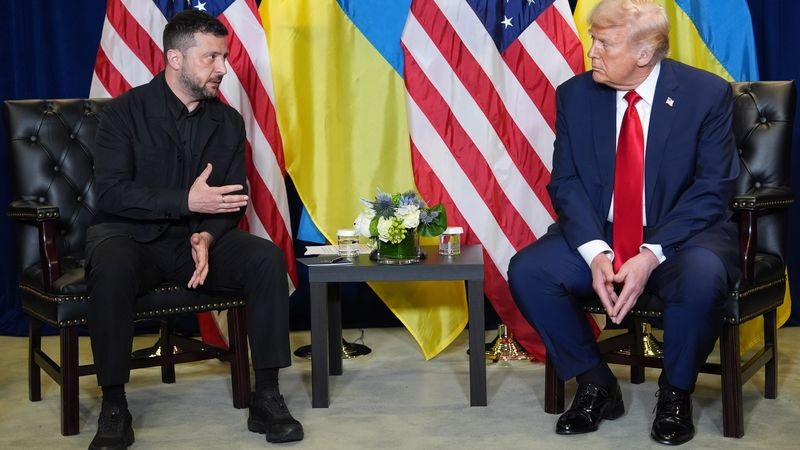
Exploring the ‘thorny issues’ of the Ukraine-Russia peace talks: Economic free zones, nuclear plant joint ventures, and Article 5-style security guarantees.