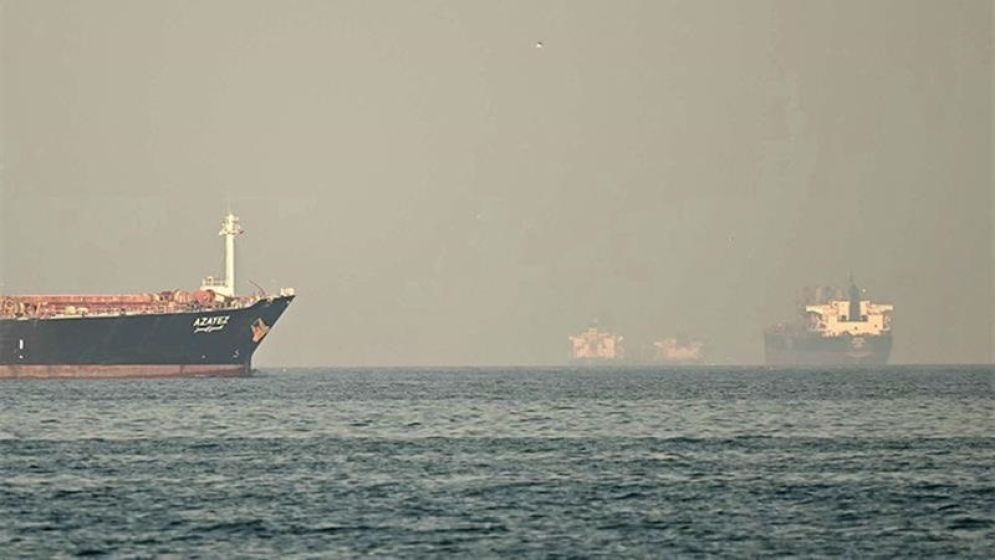
Trump Hits Iran’s Trade Partners with 25% Tariff Amid Deadly Crackdown
Following reports of 600 deaths in Iran protests, President Trump imposes a 25% tariff on countries trading with Tehran. Military action remains “on the table.”





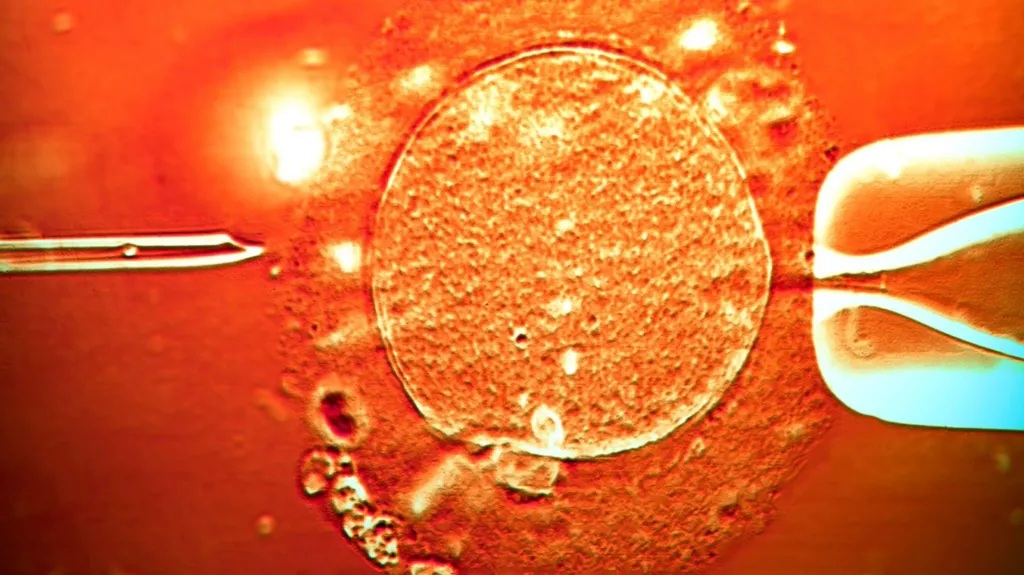
LONDON: The revelation that a single sperm donor carrying a severe genetic mutation for cancer has fathered nearly 200 children across Europe is exposing dangerous regulatory gaps and ethical failures within the international fertility industry. The case has intensified long-standing calls for global limits on how many times a donor’s sperm can be used.
The mutation—which damaged the crucial TP53 gene and leads to Li Fraumeni syndrome (LFS), carrying an up to 90% cancer risk—was missed during the donor’s original screening. The European Sperm Bank (ESB), based in Denmark, stated that such a mutation is “not detected preventatively by genetic screening” and that the donor and his family are healthy.
The central problem stems from the lack of international regulation on sperm donor usage. Prof Allan Pacey, a leading fertility expert, highlighted that countries have become dependent on large international sperm banks, with roughly half of the UK’s sperm now imported.
“There’s no international law about how often you can use the sperm,” Prof Pacey stated.

The ESB admitted that usage limits had been “unfortunately” breached in some countries. For example, in Belgium, where a single donor is supposed to be limited to six families, this donor’s sperm was used by 38 different women, resulting in 53 children. The UK limit is 10 families per donor.
The crisis has led to renewed efforts to toughen safety and usage rules:
Genetic Screening: Experts acknowledge it is impossible to screen for every possible genetic flaw. “You can’t screen for everything,” Prof Pacey said, noting that only 1% to 2% of applicants are accepted even under current rigorous screening.
Usage Limits: The European Society of Human Reproduction and Embryology has recently suggested a global limit of 50 families per donor. Sarah Norcross, director of the Progress Educational Trust, endorsed the need for tighter limits, emphasizing the long-term “social and psychological implications” for donor-conceived children who may discover they have hundreds of half-siblings.
The European Sperm Bank expressed “deepest sympathy” to the affected families and said it is in dialogue with Danish and Belgian authorities regarding the breaches. The case is being handled by authorities, including the UK’s Human Fertilisation and Embryology Authority (HFEA), which has informed British women who traveled abroad for treatment using the donor’s sperm.
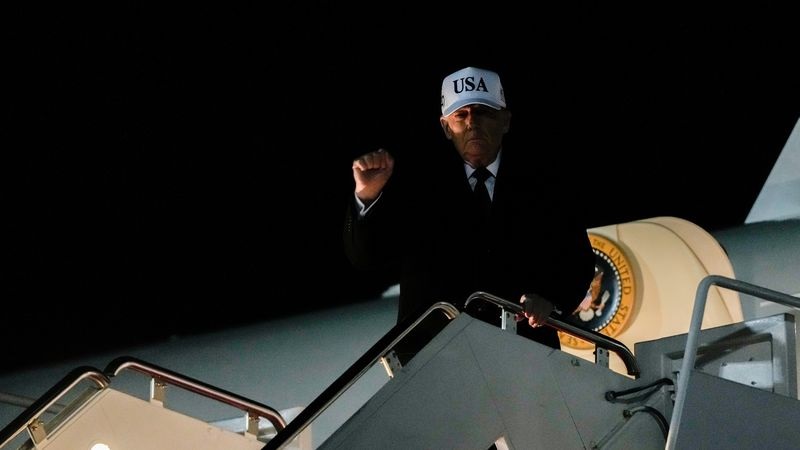
Following reports of 600 deaths in Iran protests, President Trump imposes a 25% tariff on countries trading with Tehran. Military action remains “on the table.”
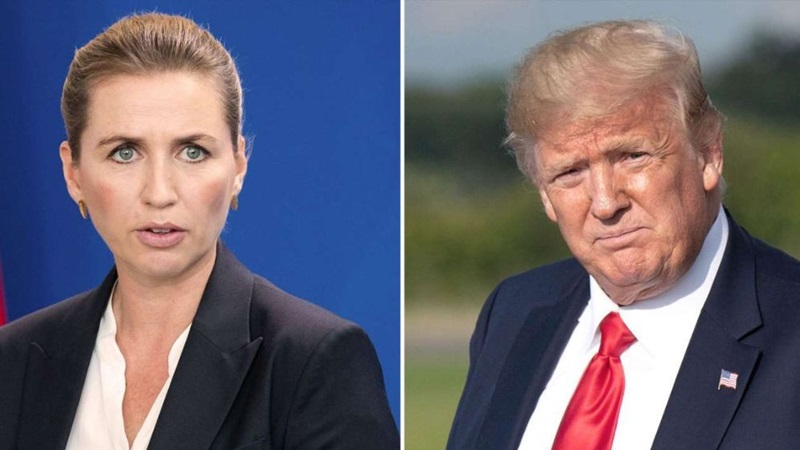
PM Mette Frederiksen warns of a decisive moment for Greenland as Germany, Sweden, and the UK back Denmark against US claims to the Arctic territory.
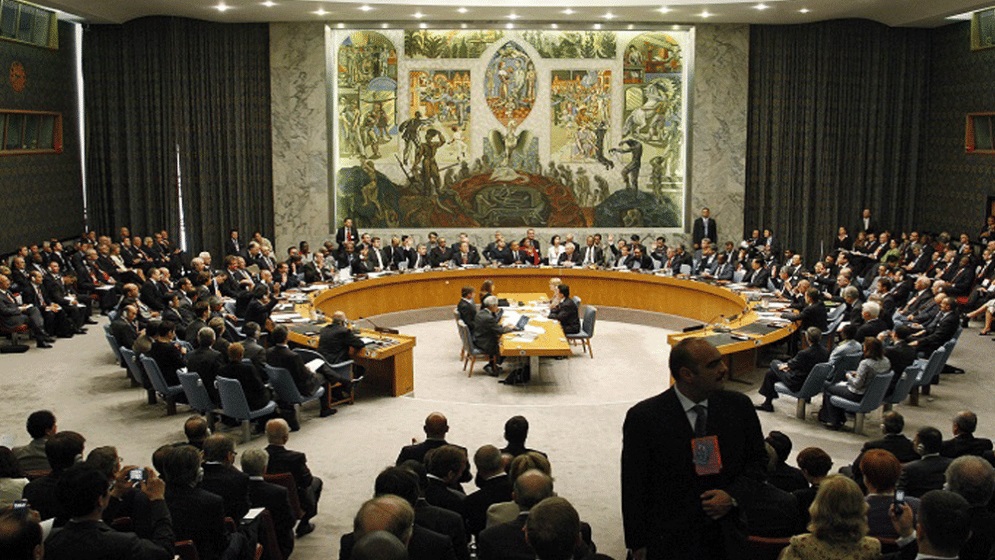
China’s strong rhetoric at the UN Security Council highlights a deepening rift over US interventionism in Latin America following the Maduro capture.

CANBERRA : The Australian government has adopted a “measured” response to the dramatic ousting and capture of Nicolás Maduro by US forces, with Prime Minister…

Explore the impact of the recent PeruRail and Inca Rail collision on tourism and safety at Machu Picchu. Details on casualties and travel disruptions.
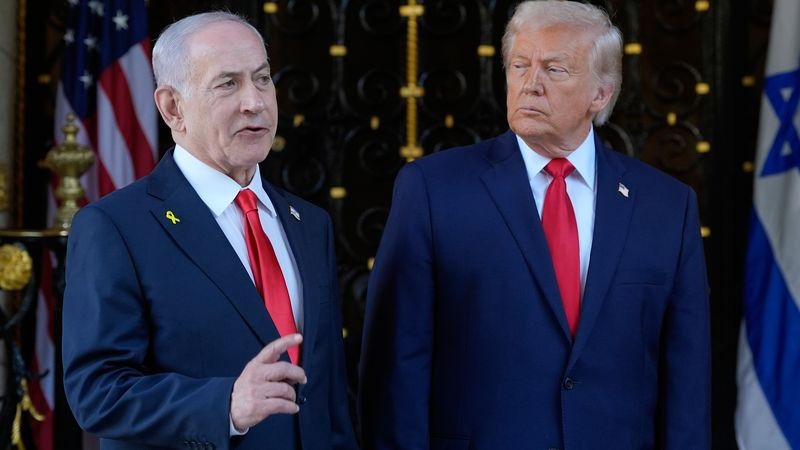
PALM BEACH: While the optics of the Mar-a-Lago meeting suggest a unified front, the transition to “Phase Two” of the Gaza ceasefire faces unprecedented logistical…

The Cairns-based luxury cruise ship Coral Adventurer has run aground on a reef near Lae, Papua New Guinea. All 123 passengers and crew are reported safe.
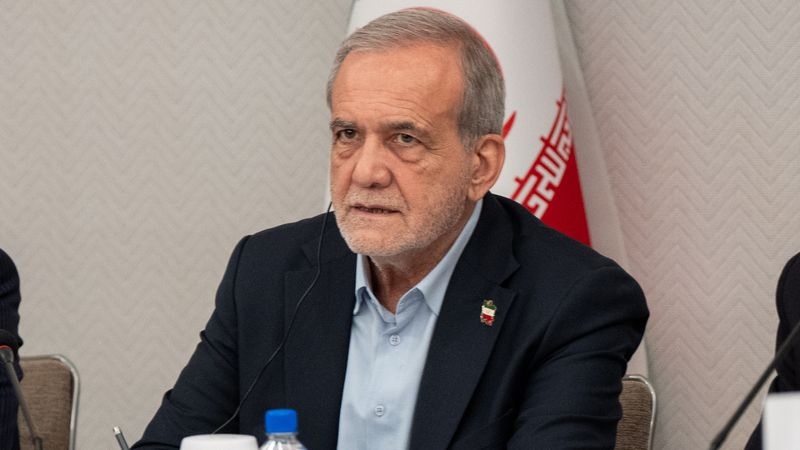
Iranian President Masoud Pezeshkian warns of a “full-scale war” ahead of the Trump-Netanyahu meeting, citing Western efforts to destabilize Iran.