Trump Hits Iran’s Trade Partners with 25% Tariff Amid Deadly Crackdown
Following reports of 600 deaths in Iran protests, President Trump imposes a 25% tariff on countries trading with Tehran. Military action remains “on the table.”






LONDON : The two-year prison sentence handed down to Labour MP Tulip Siddiq in Bangladesh on corruption charges has ignited a diplomatic and legal firestorm, with high-profile UK legal experts strongly condemning the trial’s procedures.
The conviction, delivered in Dhaka’s court in the MP’s absence, stems from allegations that Ms. Siddiq used her connection to her aunt, ousted Prime Minister Sheikh Hasina, to illegally secure a land plot for her family.
Despite the conviction and a 100,000 Taka fine, the chances of the Hampstead and Highgate MP ever serving time are minimal. The United Kingdom does not have an extradition treaty with Bangladesh, which is categorized as a 2B country, requiring substantial and clear evidence to be presented to UK judges for any extradition to be authorised.
The most significant backlash has come from within the UK legal community. Former Justice Secretary Robert Buckland, former Attorney General Dominic Grieve, and human rights lawyer Lady Cherie Blair were among a group of signatories who raised serious concerns with the Bangladeshi representative in the UK last week.
Their letter, reported by the Guardian, accused the process of being “artificial and a contrived and unfair way of pursuing a prosecution,” pointing specifically to the fact that Ms. Siddiq had been unable to secure proper legal representation during the trial.
Ms. Siddiq has consistently maintained her innocence, stating that prosecutors had “peddled false and vexatious allegations that have been briefed to the media but never formally put to me by investigators.” Her defense lawyers have also challenged the Bangladeshi authorities’ claim that she is a citizen, disputing the possession of a valid Bangladeshi ID or passport.
This conviction occurs amid a broad sweep of legal actions against the family and political allies of Sheikh Hasina, who was forced from office in July 2024. Just last week, Hasina was sentenced to 21 years in prison over a separate land deal, and only two weeks prior, she was sentenced to death for crimes against humanity.
Prior to her resignation from her junior ministerial post, an investigation by Prime Minister Sir Keir Starmer’s ethics adviser, Sir Laurie Magnus, concluded he found no “evidence of improprieties” by Ms. Siddiq regarding her ties to Hasina, though he noted the “potential reputational risks.”
The Awami League, Hasina’s political party, described the verdict against Ms. Siddiq as “entirely predictable” and asserted the process “fails to pass any reasonable test of judicial fairness.”
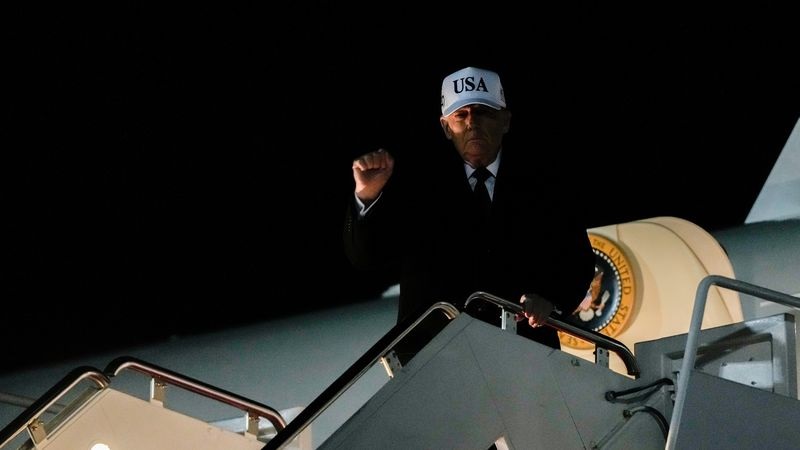
Following reports of 600 deaths in Iran protests, President Trump imposes a 25% tariff on countries trading with Tehran. Military action remains “on the table.”
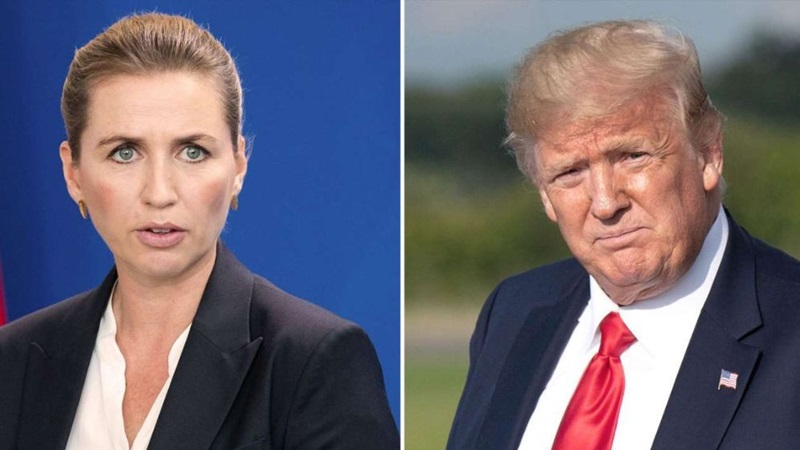
PM Mette Frederiksen warns of a decisive moment for Greenland as Germany, Sweden, and the UK back Denmark against US claims to the Arctic territory.
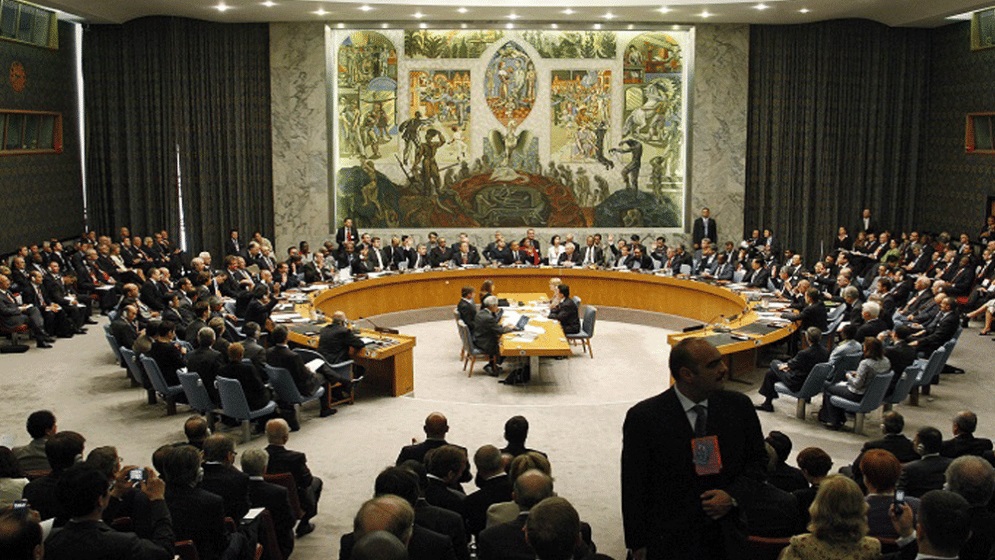
China’s strong rhetoric at the UN Security Council highlights a deepening rift over US interventionism in Latin America following the Maduro capture.

CANBERRA : The Australian government has adopted a “measured” response to the dramatic ousting and capture of Nicolás Maduro by US forces, with Prime Minister…

Explore the impact of the recent PeruRail and Inca Rail collision on tourism and safety at Machu Picchu. Details on casualties and travel disruptions.
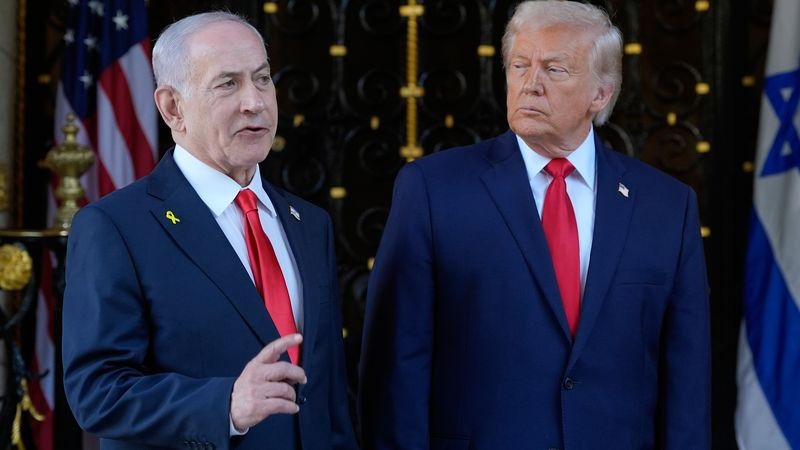
PALM BEACH: While the optics of the Mar-a-Lago meeting suggest a unified front, the transition to “Phase Two” of the Gaza ceasefire faces unprecedented logistical…

The Cairns-based luxury cruise ship Coral Adventurer has run aground on a reef near Lae, Papua New Guinea. All 123 passengers and crew are reported safe.
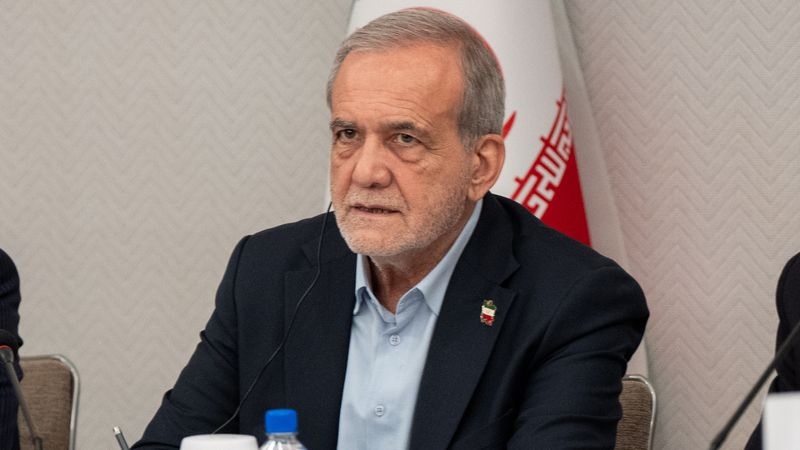
Iranian President Masoud Pezeshkian warns of a “full-scale war” ahead of the Trump-Netanyahu meeting, citing Western efforts to destabilize Iran.