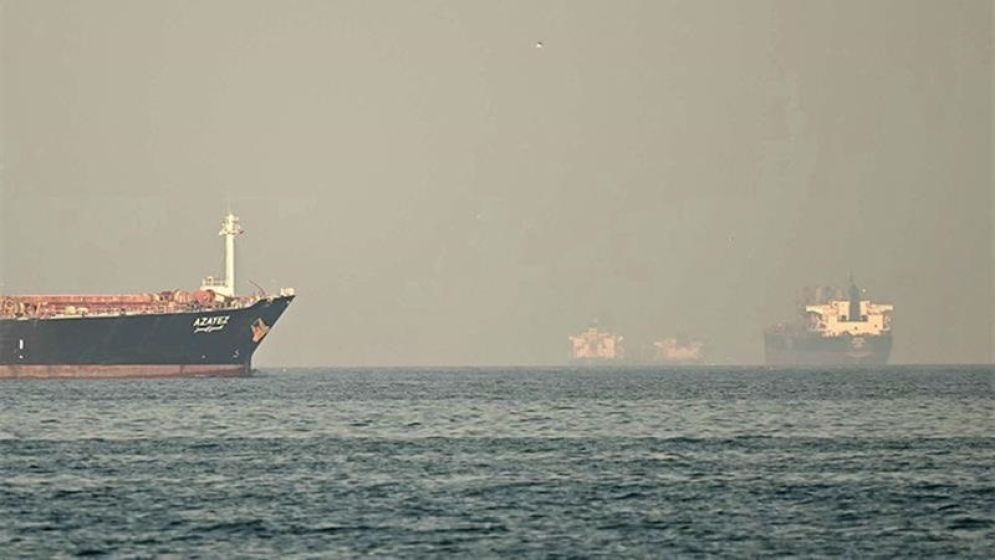
Trump Hits Iran’s Trade Partners with 25% Tariff Amid Deadly Crackdown
Following reports of 600 deaths in Iran protests, President Trump imposes a 25% tariff on countries trading with Tehran. Military action remains “on the table.”





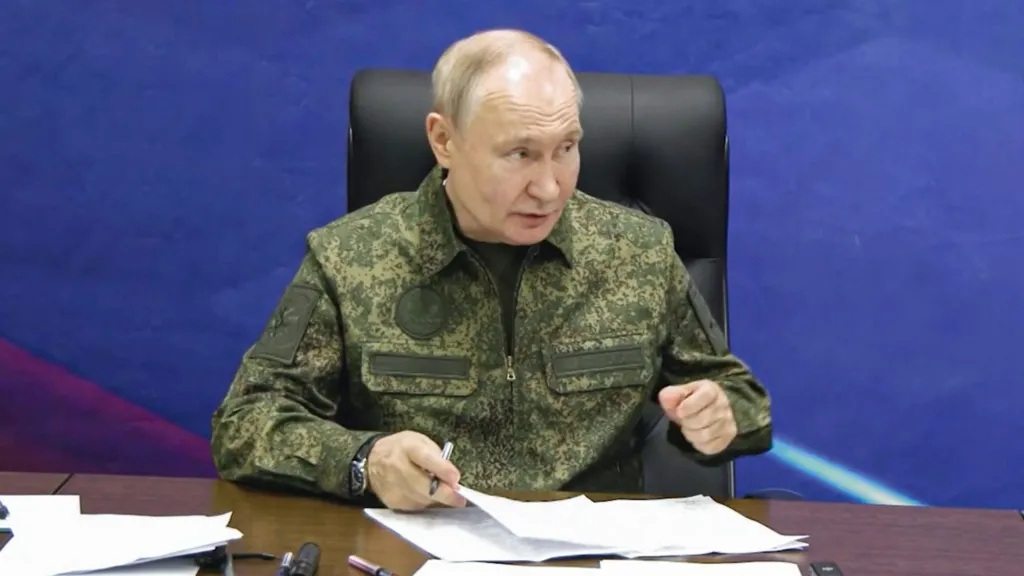
RUSSIA: As US Special Envoy Steve Witkoff prepares to meet Russian President Vladimir Putin in Moscow today, European allies and Ukrainian officials are voicing deep concern over the terms of the US-backed peace plan, which they argue may place undue pressure on Kyiv to surrender critical sovereign demands.
The plan, which has been refined after recent talks, faces major obstacles. Ukrainian President Volodymyr Zelensky has consistently prioritized national sovereignty and securing robust security guarantees, issues Russia vehemently opposes. The major difficulty, Zelensky stated, is the “territorial issue,” as Moscow insists on Ukraine ceding eastern lands it still controls.
The initial draft of the US-Russia peace plan, circulated in November, was heavily criticized across Europe for its perceived bias towards Moscow’s demands. Alarmingly, the draft not only addressed territorial boundaries but also attempted to dictate how billions in frozen Russian assets held by European financial institutions should be managed, and set terms for Ukraine’s market access in Europe.
French President Emmanuel Macron directly addressed this, stating emphatically that any resolution concerning territorial concessions “could only be finalised by President Zelensky.” Macron also insisted that European nations must be involved in discussions regarding security guarantees and the future of Russian assets.
Kaja Kallas, the EU’s foreign policy chief, underscored the widespread anxiety in Europe, suggesting that Moscow only engages in negotiations “with those who are just offering them something on top of what they already have.”
Kallas warned of the danger that “all the pressure will be put on the weaker side because that is the easier way to stop this war when Ukraine surrenders, but this is not in anybody’s interest.”
Adding to the tension, the issue of long-term security guarantees remains contentious. Kyiv and its European partners are advocating for protections like potential NATO membership to prevent future aggression, a prospect Russia strongly opposes. US President Donald Trump has also previously ruled out NATO membership for Ukraine.
Despite the White House expressing optimism about an impending deal, the critical gaps on territory, security, and financial matters highlight that the road to peace remains complex and potentially divisive among Western allies.
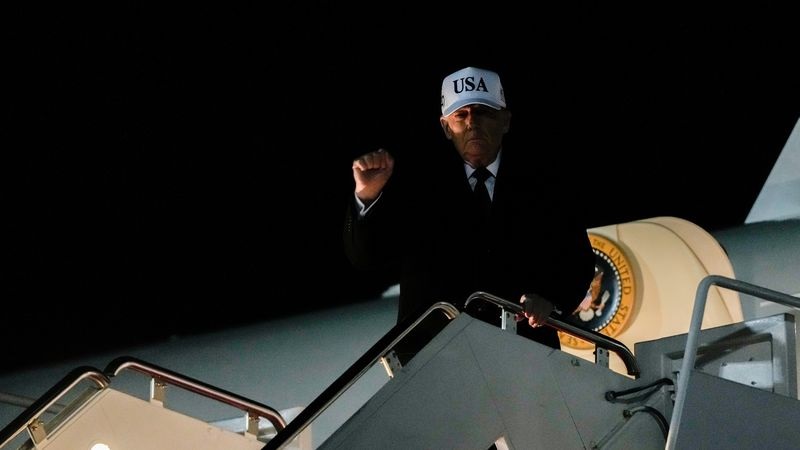
Following reports of 600 deaths in Iran protests, President Trump imposes a 25% tariff on countries trading with Tehran. Military action remains “on the table.”
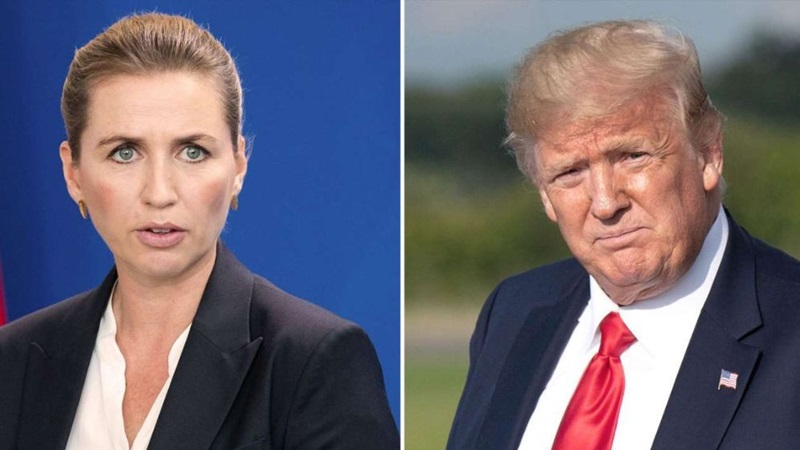
PM Mette Frederiksen warns of a decisive moment for Greenland as Germany, Sweden, and the UK back Denmark against US claims to the Arctic territory.
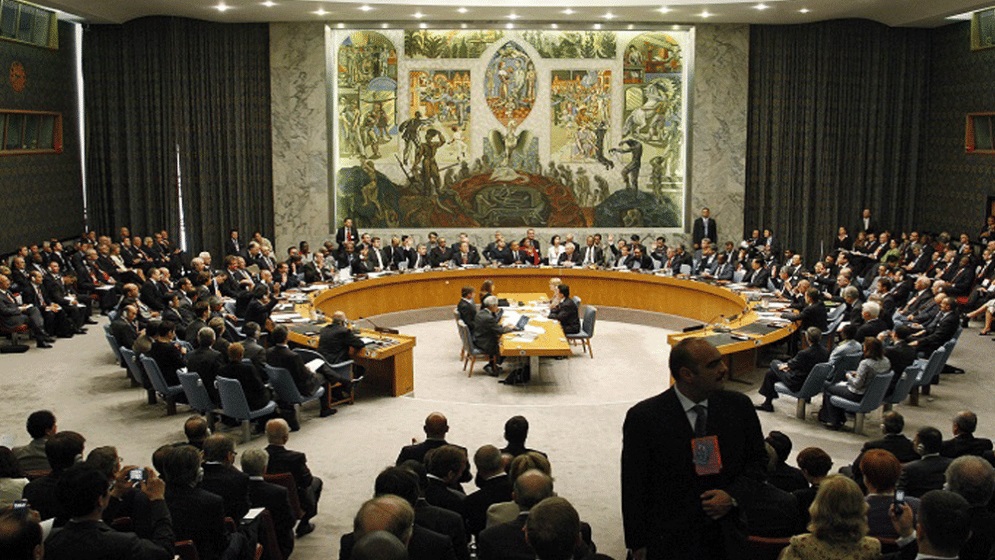
China’s strong rhetoric at the UN Security Council highlights a deepening rift over US interventionism in Latin America following the Maduro capture.

CANBERRA : The Australian government has adopted a “measured” response to the dramatic ousting and capture of Nicolás Maduro by US forces, with Prime Minister…
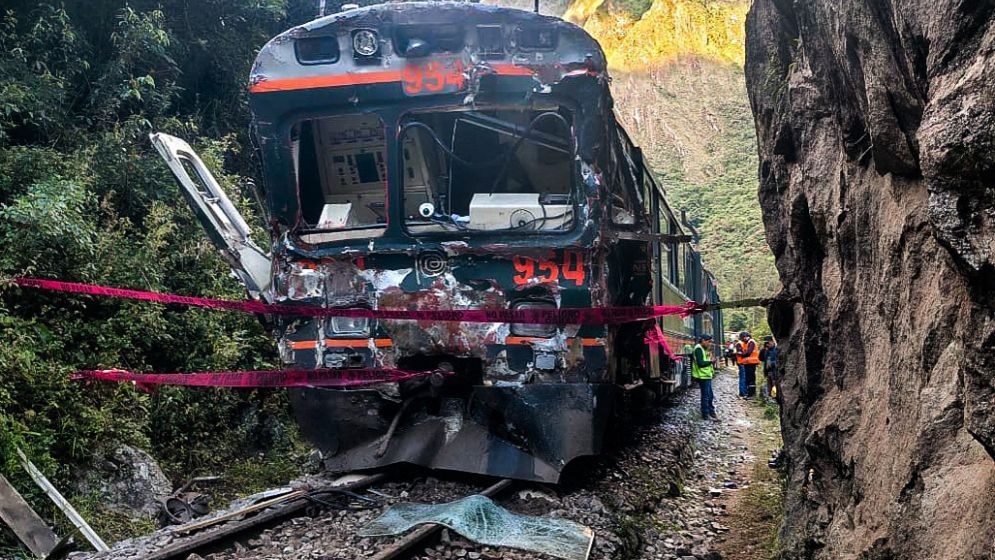
Explore the impact of the recent PeruRail and Inca Rail collision on tourism and safety at Machu Picchu. Details on casualties and travel disruptions.
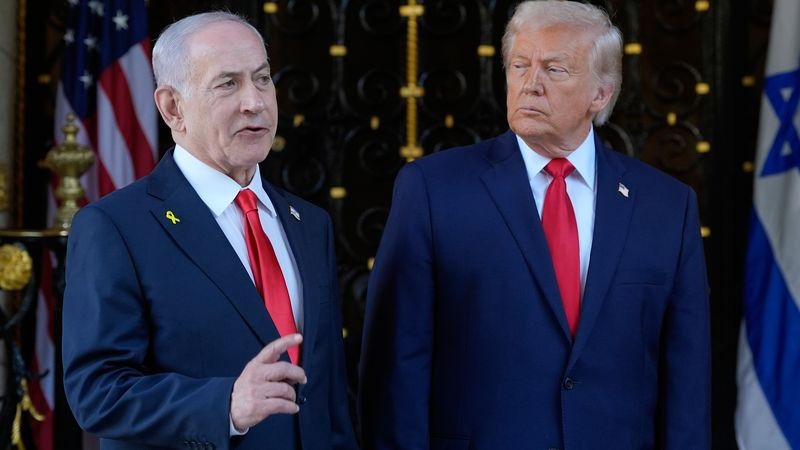
PALM BEACH: While the optics of the Mar-a-Lago meeting suggest a unified front, the transition to “Phase Two” of the Gaza ceasefire faces unprecedented logistical…

The Cairns-based luxury cruise ship Coral Adventurer has run aground on a reef near Lae, Papua New Guinea. All 123 passengers and crew are reported safe.
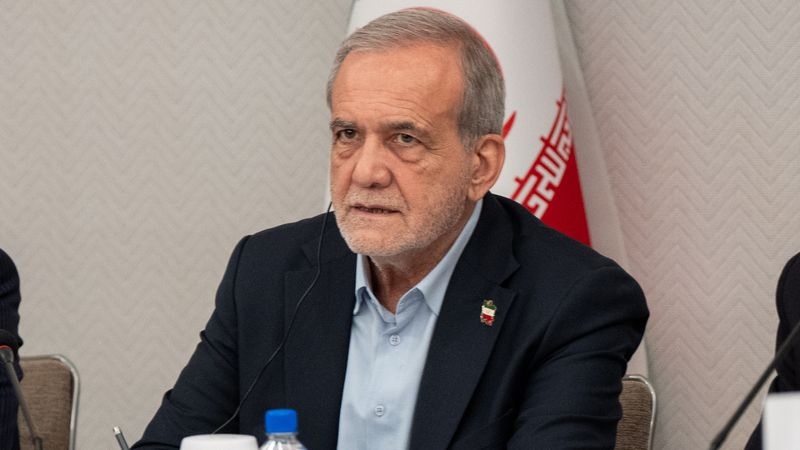
Iranian President Masoud Pezeshkian warns of a “full-scale war” ahead of the Trump-Netanyahu meeting, citing Western efforts to destabilize Iran.