Swindon Town Defends Captain Ollie Clarke Against FA Ruling
Swindon Town condemns the FA’s decision to ban captain Ollie Clarke, questioning the “balance of probabilities” used in the sexual misconduct ruling.





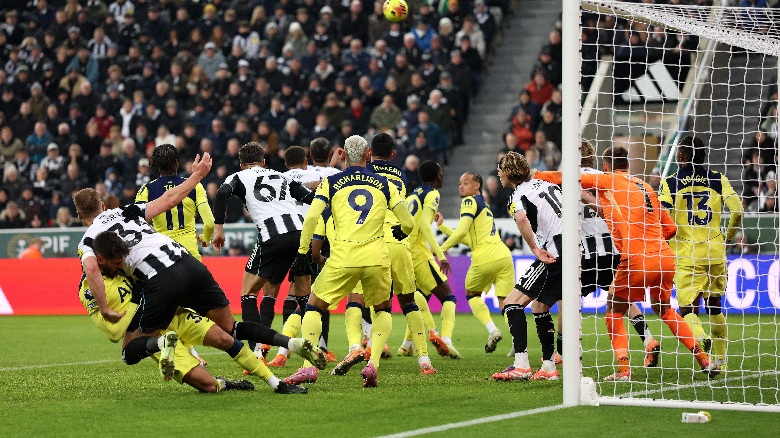
NEWCASTLE : The controversial 86th-minute penalty awarded to Newcastle against Tottenham—which Spurs boss Thomas Frank called an “absolute mistake”—has reignited the debate over the application of VAR and the specific guidelines governing holding offenses during set pieces.
The Premier League match manager confirmed the penalty was given against Tottenham midfielder Rodrigo Bentancur for a “holding offence,” emphasizing that Bentancur “clearly does not look at the ball.”
To understand the VAR intervention, we must examine the specific PGMOL (Professional Game Match Officials Limited) criteria for penalizing holding and grappling during corners and free-kicks:
Players who only focus on an opponent, paying no attention to challenging for the ball, and have a material impact on the opponent, should be penalized.
Where both players are involved in simultaneous and similar actions (mutual holding), play should generally be allowed to continue.
Where one player clearly holds an opponent and this action clearly impacts the player’s movement and/or the ability to play or challenge for the ball (material impact), this action should be penalized.
Where one player solely focuses on an opponent and makes a clear non-footballing action that clearly impacts the progress of the opponent, this action should be penalized.
In the case of Bentancur and Dan Burn, the defense for the penalty centers on rule #1 and #4—Bentancur’s focus was reportedly deemed solely on Burn, not the ball, and this action had a “material impact” on Burn’s ability to move freely.
Pundits Argue Against Consistency
However, the consensus among pundits and even some Newcastle personnel suggested the action fell under rule #2 (mutual holding) or was simply too minor to warrant VAR intervention.
Former Spurs midfielder Jamie Redknapp encapsulated the frustration: “Burn isn’t even complaining. We see this week in, week out. If that is the threshold and penalties are going to be given, no problem, but we want consistency.”
The incident highlights the ongoing difficulty for officials: while the technical rules may allow for a penalty when a player stops looking at the ball and impedes an opponent, applying that standard consistently to the chaotic nature of penalty-box grappling remains the biggest challenge for VAR.

Swindon Town condemns the FA’s decision to ban captain Ollie Clarke, questioning the “balance of probabilities” used in the sexual misconduct ruling.
Following the APL’s takeover of the Mariners, coach Warren Moon faces a stable future while transfer plans for Ben Folami are scrapped.
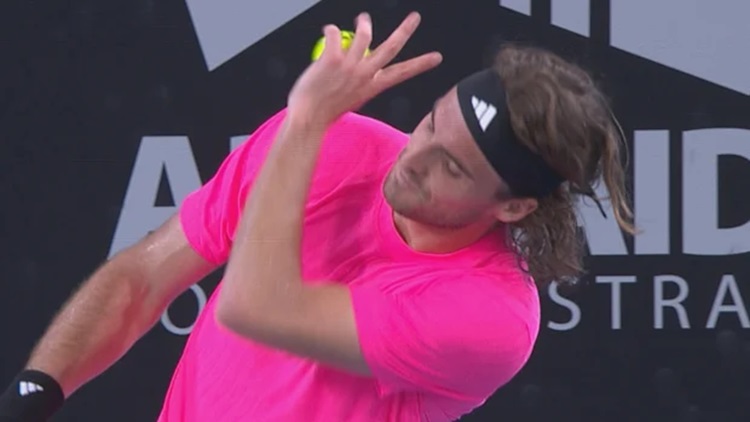
From battling Aussie flies to roaring with the crowd, Aleksander Vukic’s win over Stefanos Tsitsipas was the highlight of the Adelaide International night session.

DHAKA: The “gentleman’s game” has hit a diplomatic wall. The latest statements from Bangladesh’s Youth and Sports Adviser, Prof Asif Nazrul, suggest that the era…
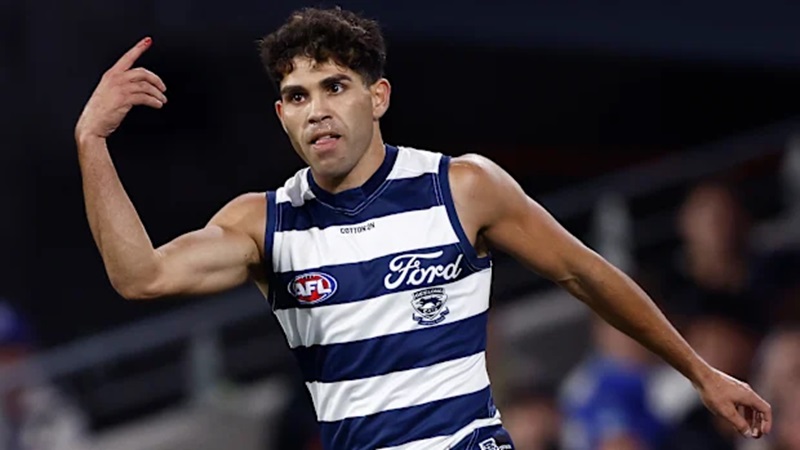
With Tyson Stengle and Bobby Hill both taking personal leave, the AFL’s focus on player welfare is under the spotlight. Learn more about the Geelong star’s journey.
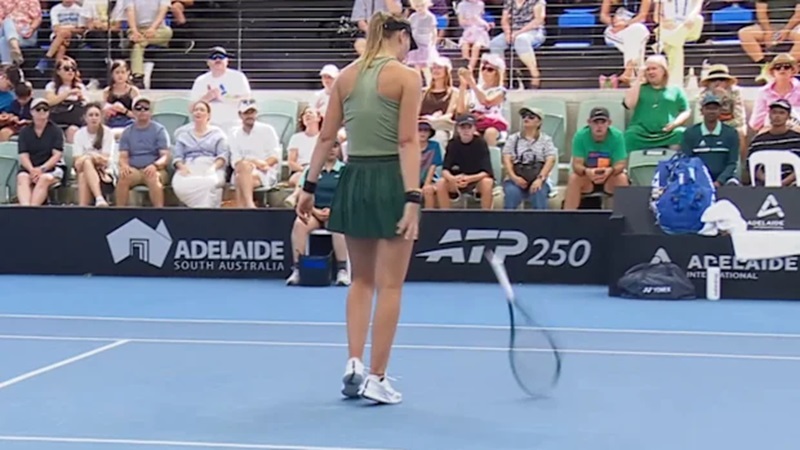
Paula Badosa’s Australian Open prep takes a hit as she crashes out of Adelaide. See the moment of frustration that summed up her first-round loss.
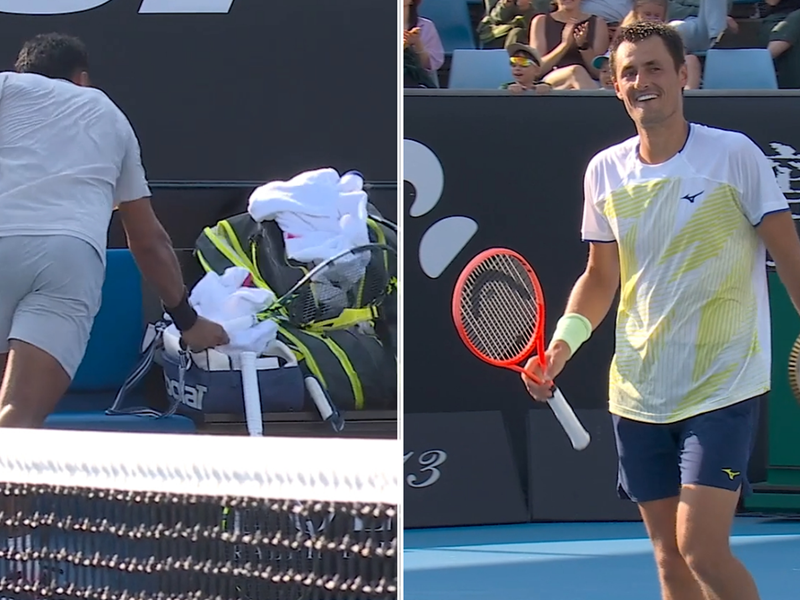
Bernard Tomic entertained the Melbourne crowd with a classic performance on and off the court during his AO qualifying win. From banana requests to shirt swaps.
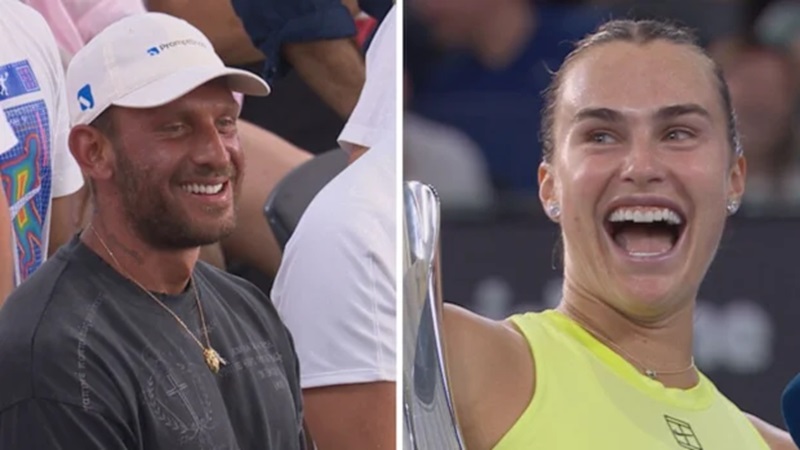
Aryna Sabalenka claims her 22nd career title with a straight-sets win over Marta Kostyuk in Brisbane. Full match analysis and post-match highlights.