Trump Hits Iran’s Trade Partners with 25% Tariff Amid Deadly Crackdown
Following reports of 600 deaths in Iran protests, President Trump imposes a 25% tariff on countries trading with Tehran. Military action remains “on the table.”





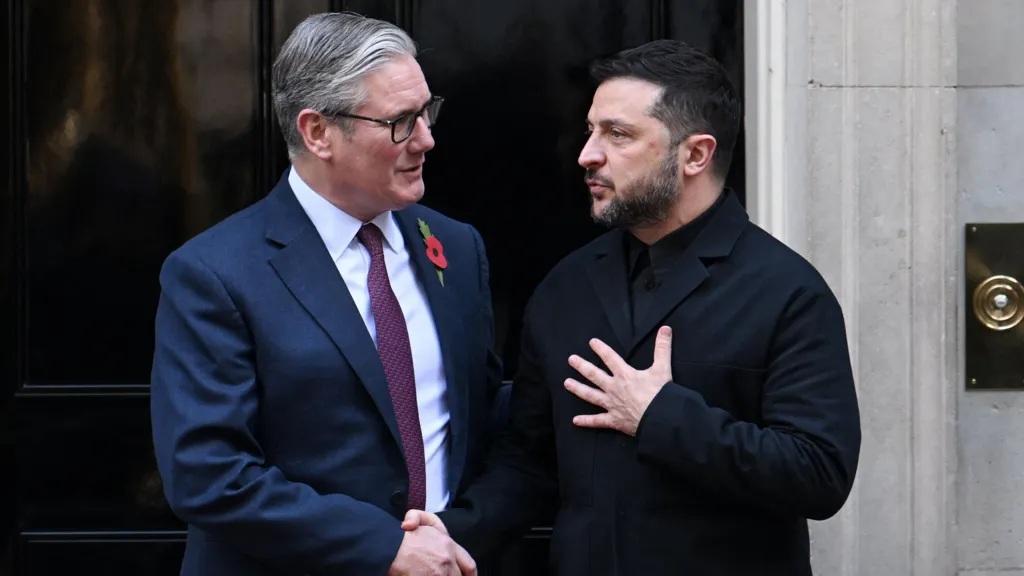
WASHINGTON: Tensions surrounding the ongoing diplomatic push for a Ukraine ceasefire escalated this weekend after President Donald Trump publicly voiced disappointment that Ukrainian President Volodymyr Zelensky had not yet reviewed the latest draft of the proposed peace deal.
Trump told reporters that while Russia was “fine with it,” he wasn’t sure if Zelensky was, urging swift acceptance of the proposal hammered out during three days of talks in Florida. Those negotiations were led by Trump’s close aides, special envoy Steve Witkoff and son-in-law Jared Kushner.
The public pressure comes as Kyiv’s chief negotiator, Rustem Umerov, has been pushing for revisions to the White House plan, which faced earlier criticism for being overly favorable to Russia. Zelensky is due to be personally briefed on the negotiations in London or Brussels, stating that the discussions with the US envoys were “constructive, though not easy.”
Adding a striking dynamic to the negotiations, the Kremlin has responded favorably to the White House’s updated National Security Strategy. The strategy calls for the US to prioritize improving relations between Europe and Russia to “mitigate the risk” of a wider conflict. The Kremlin described the strategy as “largely consistent” with its own vision and a “positive step” forward.
Despite this diplomatic overture, there is little evidence Russia is willing to make major concessions.

Former special envoy for Ukraine Keith Kellogg singled out negotiations around the Zaporizhzhia nuclear power plant as being particularly complex, where a draft plan proposed splitting the facility’s generated energy between the two warring nations.
The London meeting between Zelensky and key European allies—Starmer, Macron, and Merz—underscores European apprehension that the US desire for a quick deal could compromise the continent’s long-term security interests.
he US is proposing Ukraine pull forces from eastern regions in return for Russian withdrawals elsewhere.
Russia remains staunchly opposed to Ukraine joining the military alliance, a key demand that Moscow refuses to compromise on.
Last week, President Vladimir Putin restated his willingness to continue fighting until his forces secure full control of the Donetsk and Luhansk regions, reinforcing the immense diplomatic difficulty facing negotiators in Washington and London.
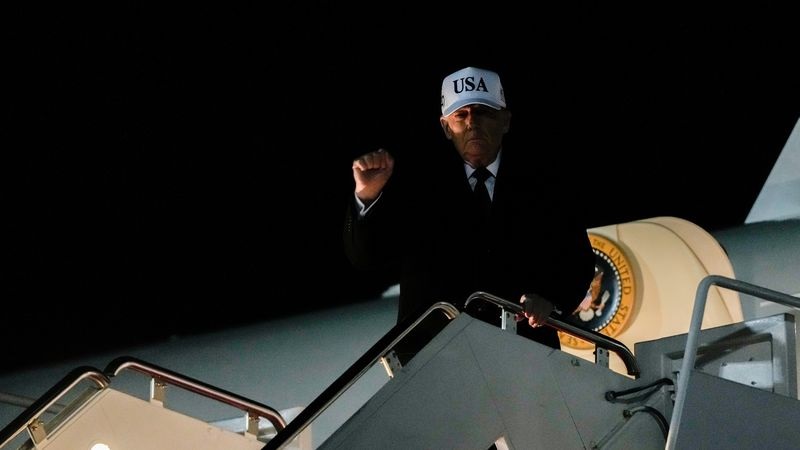
Following reports of 600 deaths in Iran protests, President Trump imposes a 25% tariff on countries trading with Tehran. Military action remains “on the table.”
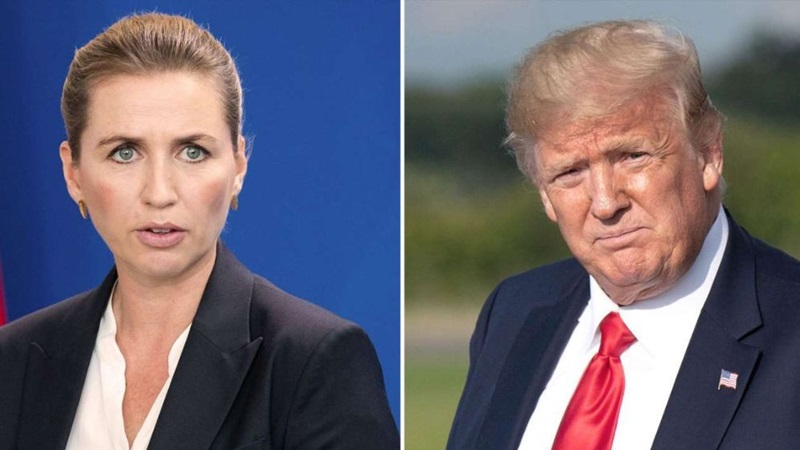
PM Mette Frederiksen warns of a decisive moment for Greenland as Germany, Sweden, and the UK back Denmark against US claims to the Arctic territory.
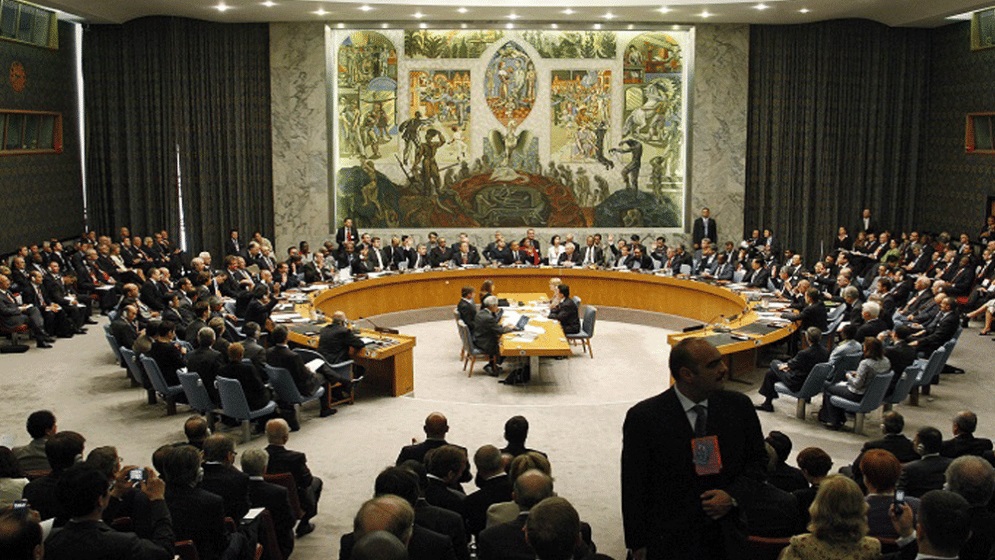
China’s strong rhetoric at the UN Security Council highlights a deepening rift over US interventionism in Latin America following the Maduro capture.

CANBERRA : The Australian government has adopted a “measured” response to the dramatic ousting and capture of Nicolás Maduro by US forces, with Prime Minister…
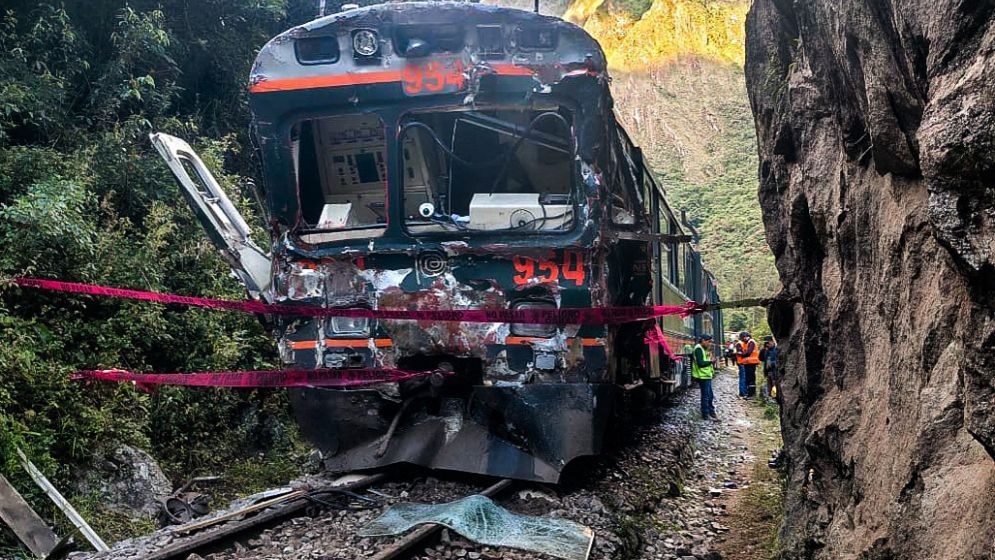
Explore the impact of the recent PeruRail and Inca Rail collision on tourism and safety at Machu Picchu. Details on casualties and travel disruptions.
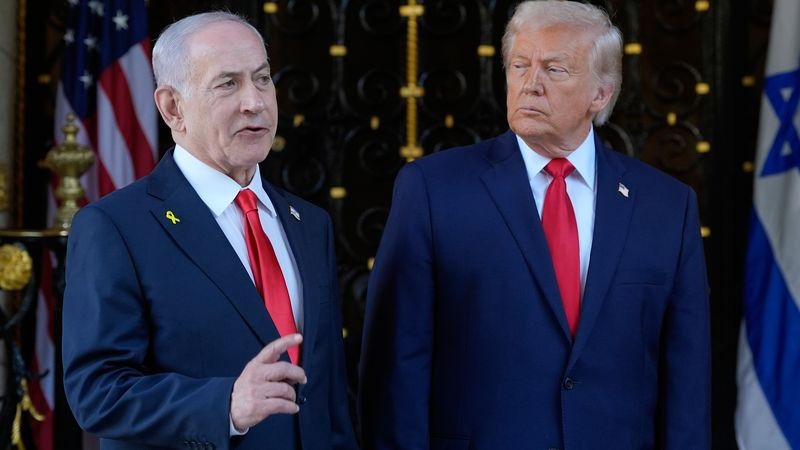
PALM BEACH: While the optics of the Mar-a-Lago meeting suggest a unified front, the transition to “Phase Two” of the Gaza ceasefire faces unprecedented logistical…

The Cairns-based luxury cruise ship Coral Adventurer has run aground on a reef near Lae, Papua New Guinea. All 123 passengers and crew are reported safe.
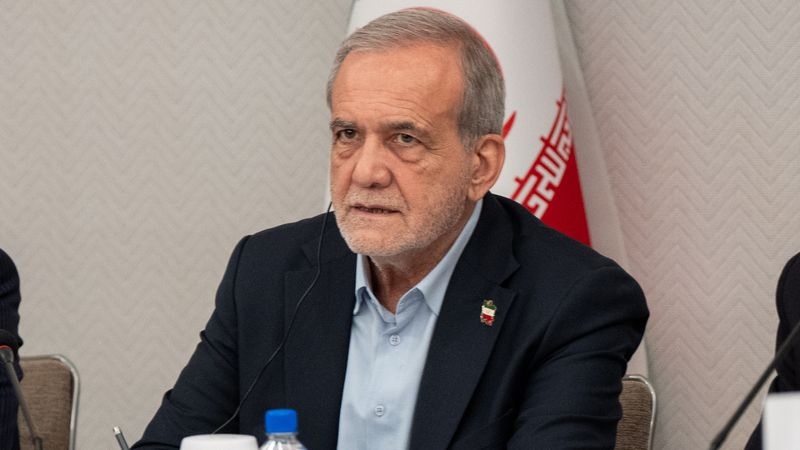
Iranian President Masoud Pezeshkian warns of a “full-scale war” ahead of the Trump-Netanyahu meeting, citing Western efforts to destabilize Iran.