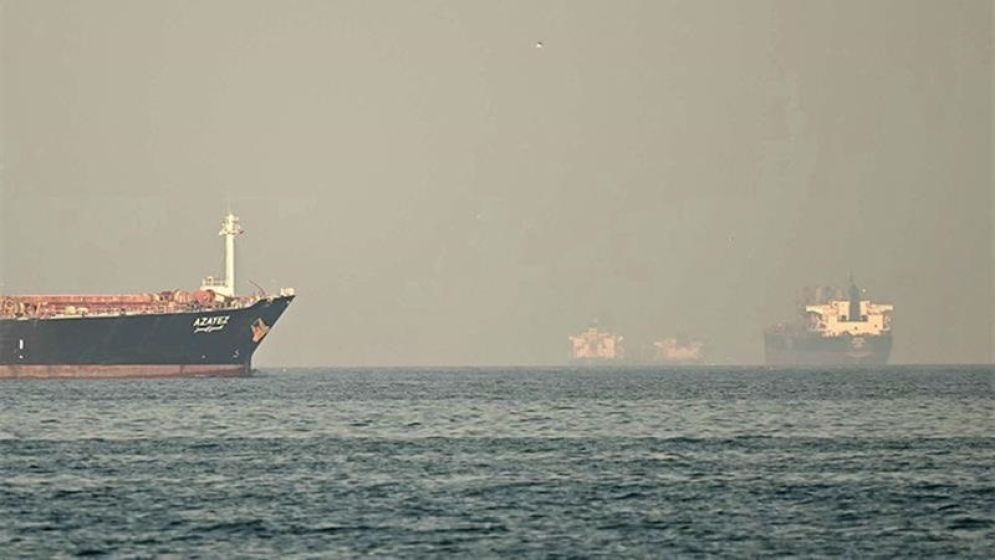
Trump Hits Iran’s Trade Partners with 25% Tariff Amid Deadly Crackdown
Following reports of 600 deaths in Iran protests, President Trump imposes a 25% tariff on countries trading with Tehran. Military action remains “on the table.”





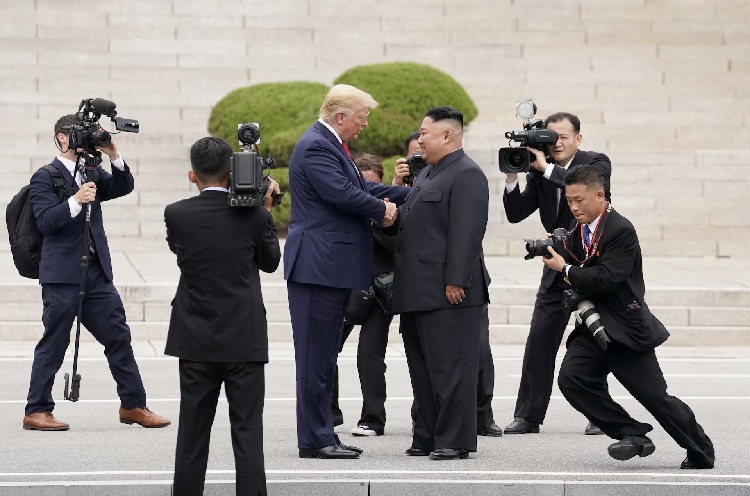
SEOUL: The U.S. is redefining its security posture in East Asia through President Donald Trump’s new “flexible realism” strategy, which centers on bolstering the military capabilities of its key allies, South Korea and Japan, to contain China.
This new framework was highlighted by U.S. Defence Secretary Pete Hegseth, who on Saturday praised South Korea for being a “model” ally that “will receive our special favour” for agreeing to “assume the leading role in… conventional defence.” Hegseth stated the U.S. is optimistic that other Indo-Pacific allies will follow suit.
The shift comes as the Trump administration subtly signals a willingness to engage North Korea on new terms, notably by removing the long-standing objective of denuclearization from its latest National Security Strategy. However, the core of the new strategy is immediate military preparedness among U.S. partners.
South Korea has already responded to U.S. demands, pledging to boost military spending to 3.5% of GDP by 2035, with a 7.5% increase slated for next year. Furthermore, in talks with Trump in October, South Korean President Lee Jae-myung secured approval to build nuclear-powered submarines, with U.S. assistance in supplying the necessary fuel, underscoring Seoul’s commitment to remaining non-nuclear weaponized.
The decision to exclude any mention of denuclearizing North Korea from the strategy—a target that has been constant since 2003—is highly contentious. Analysts suggest the omission is a deliberate diplomatic concession aimed at opening the door to talks with Kim Jong-un, who has made clear that he views North Korea as a legitimate nuclear state.
Kim told his parliament in September, “The concept of ‘denuclearisation’ has already lost its meaning,” and argued that the U.S. must recognize this reality if it desires genuine peaceful coexistence.
While Washington and Seoul officially maintain that denuclearization remains the policy goal, the strategic omission suggests the U.S. is prioritizing diplomatic engagement and cementing alliances over adhering to the previous administration’s hardline rhetoric, hoping to achieve a diplomatic breakthrough with Pyongyang, last attempted in 2019.
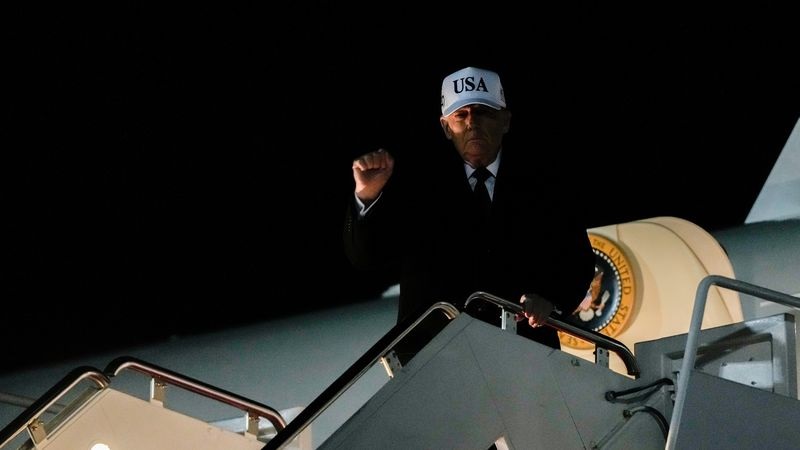
Following reports of 600 deaths in Iran protests, President Trump imposes a 25% tariff on countries trading with Tehran. Military action remains “on the table.”
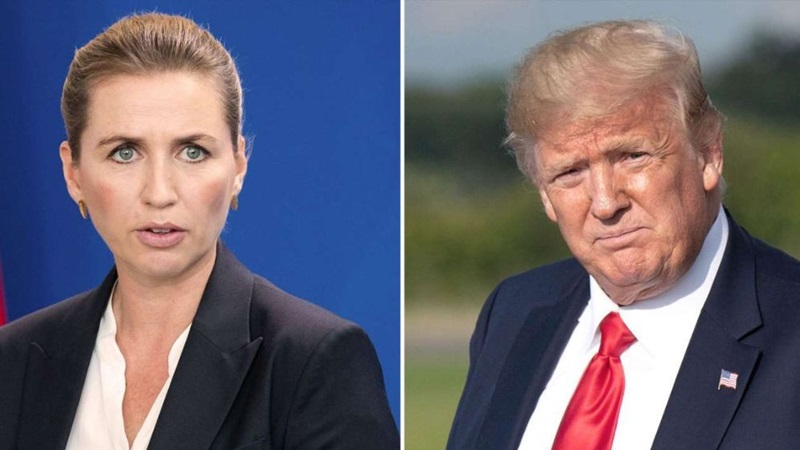
PM Mette Frederiksen warns of a decisive moment for Greenland as Germany, Sweden, and the UK back Denmark against US claims to the Arctic territory.
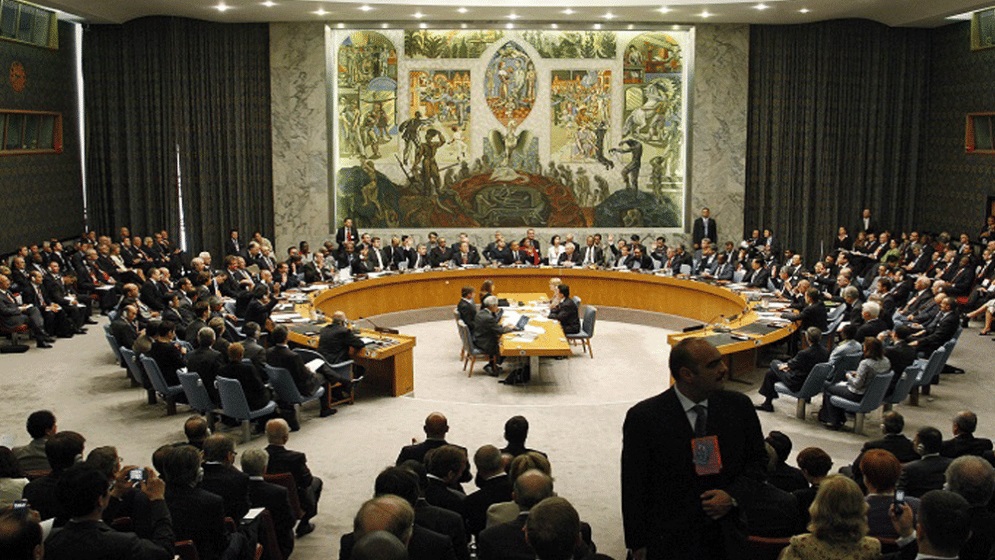
China’s strong rhetoric at the UN Security Council highlights a deepening rift over US interventionism in Latin America following the Maduro capture.

CANBERRA : The Australian government has adopted a “measured” response to the dramatic ousting and capture of Nicolás Maduro by US forces, with Prime Minister…
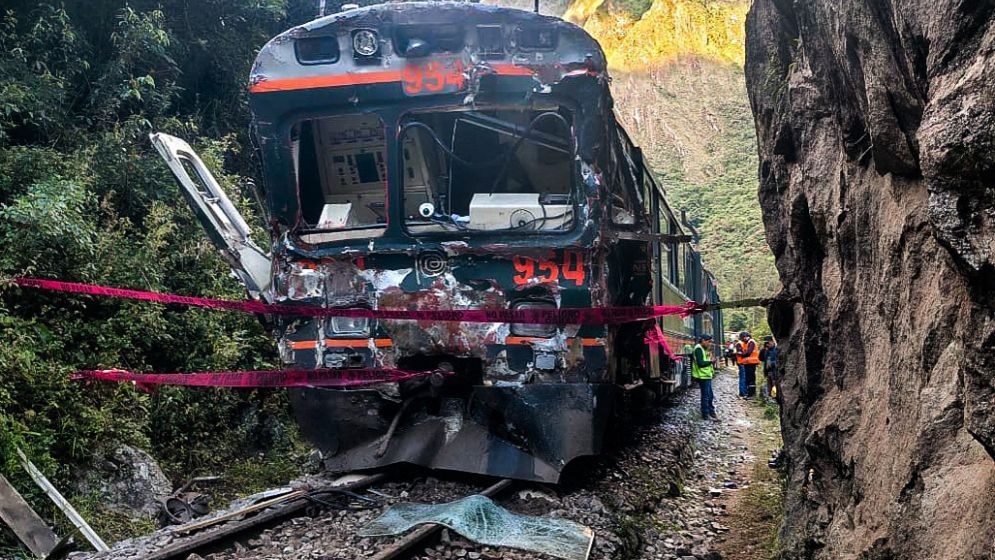
Explore the impact of the recent PeruRail and Inca Rail collision on tourism and safety at Machu Picchu. Details on casualties and travel disruptions.
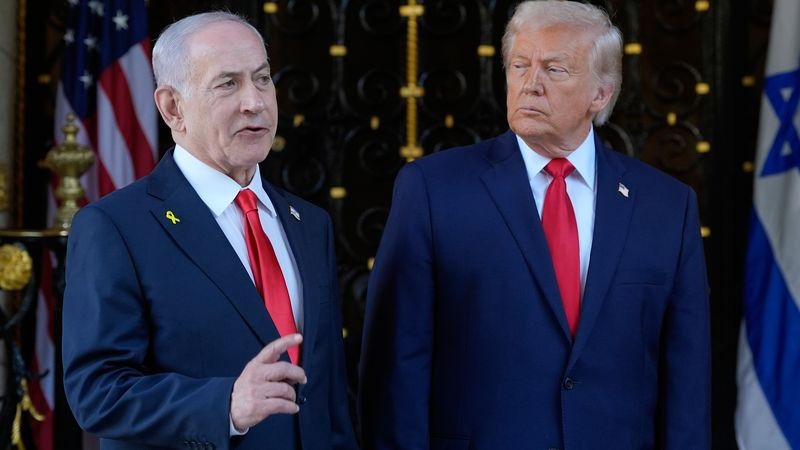
PALM BEACH: While the optics of the Mar-a-Lago meeting suggest a unified front, the transition to “Phase Two” of the Gaza ceasefire faces unprecedented logistical…

The Cairns-based luxury cruise ship Coral Adventurer has run aground on a reef near Lae, Papua New Guinea. All 123 passengers and crew are reported safe.
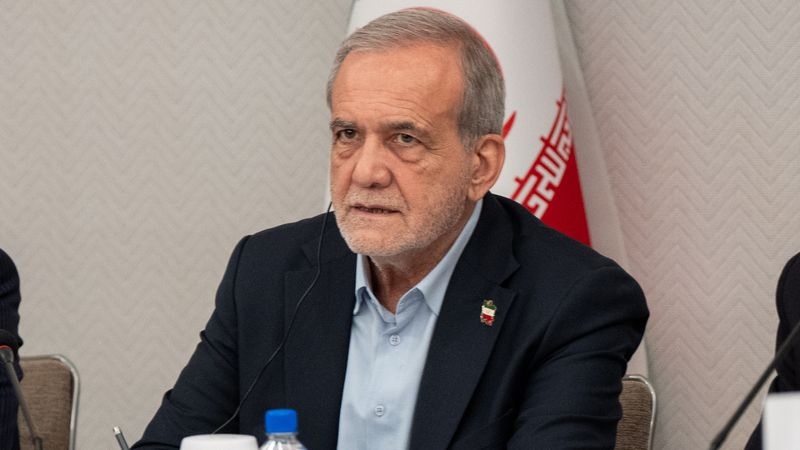
Iranian President Masoud Pezeshkian warns of a “full-scale war” ahead of the Trump-Netanyahu meeting, citing Western efforts to destabilize Iran.