Trump Hits Iran’s Trade Partners with 25% Tariff Amid Deadly Crackdown
Following reports of 600 deaths in Iran protests, President Trump imposes a 25% tariff on countries trading with Tehran. Military action remains “on the table.”





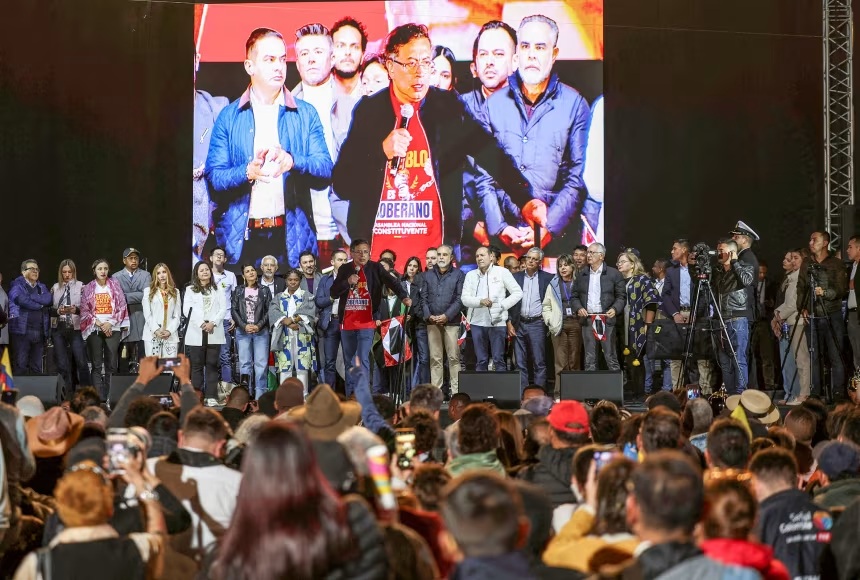
WASHINGTON D.C. – The relationship between the United States and Colombia—long considered one of the most reliable alliances in Latin America—has devolved into an intensely personal political feud between President Donald Trump and Colombian President Gustavo Petro, culminating in the unprecedented sanctioning of a sitting allied foreign leader.
The conflict escalated dramatically after the Colombian leader joined pro-Palestinian protests in New York in September and called on US soldiers to \”disobey the orders of Trump.\” This prompted the US to swiftly revoke Petro\’s visa and, weeks later, sanction him and his family for alleged involvement in the illicit drug trade.
Petro\’s hostile rhetoric has been a key driver in the breakdown of relations at the presidential level. The left-wing leader continued his attacks even after the visa revocation, stating in Bogota:
\”If Mr. Trump keeps being complicit in the genocide, as he is up to today, he deserves nothing but jail, and his army should not obey him.\”
The sanctions followed this rhetoric and a public spat over US drug boat strikes in the Caribbean, where Petro accused the US of \”murdering a Colombian fisherman.\” Senator Marco Rubio, a key policy voice, subsequently labeled Petro a \”hostile foreign leader.\”

While Trump’s administration has imposed tough sanctions on Venezuela and even drawn up plans for potential military strikes inside that country, the approach to Colombia is starkly different, focusing the penalty entirely on Petro.
The decision to target Petro individually, rather than cutting the $210 million in existing security and counter-narcotics funding to Colombia\’s institutions, reflects a strategy to manage the conflict until Petro\’s presidency ends (he is barred from seeking re-election in 2026).
Rubio explicitly outlined this holding pattern: \”Our relationships with the people of Colombia… and their institutions, in particular their defense institutions, are strong and enduring, and they’re going to be strong and enduring long after this individual is no longer the president there.\”
Despite the current strategy, the possibility of future military escalation looms. Senator Lindsey Graham stated that Trump believes both Venezuela and Colombia \”have been safe havens for narco-terrorists for too long\” and is planning to brief members of Congress about \”future potential military operations against Venezuela and Colombia\” after his return from Asia. The US currently maintains military operations in the Caribbean, where at least one strike has targeted Colombian nationals on a boat that left from Colombia.
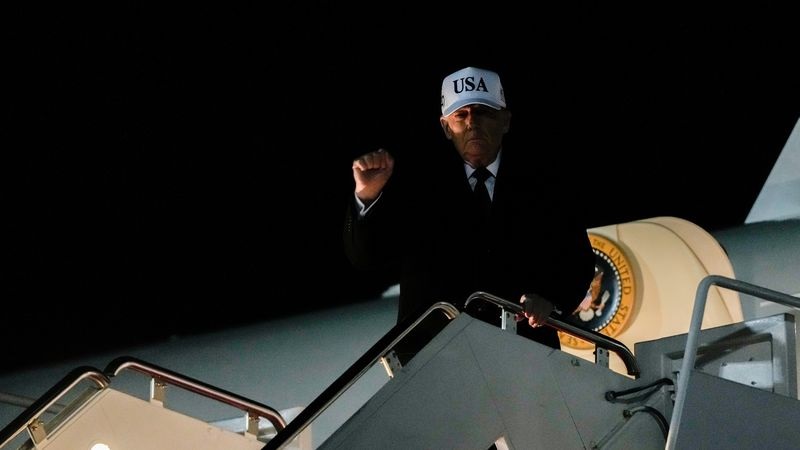
Following reports of 600 deaths in Iran protests, President Trump imposes a 25% tariff on countries trading with Tehran. Military action remains “on the table.”
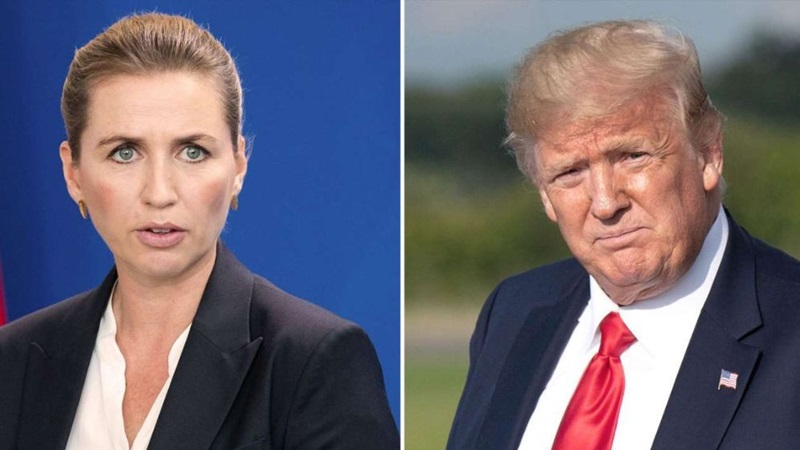
PM Mette Frederiksen warns of a decisive moment for Greenland as Germany, Sweden, and the UK back Denmark against US claims to the Arctic territory.
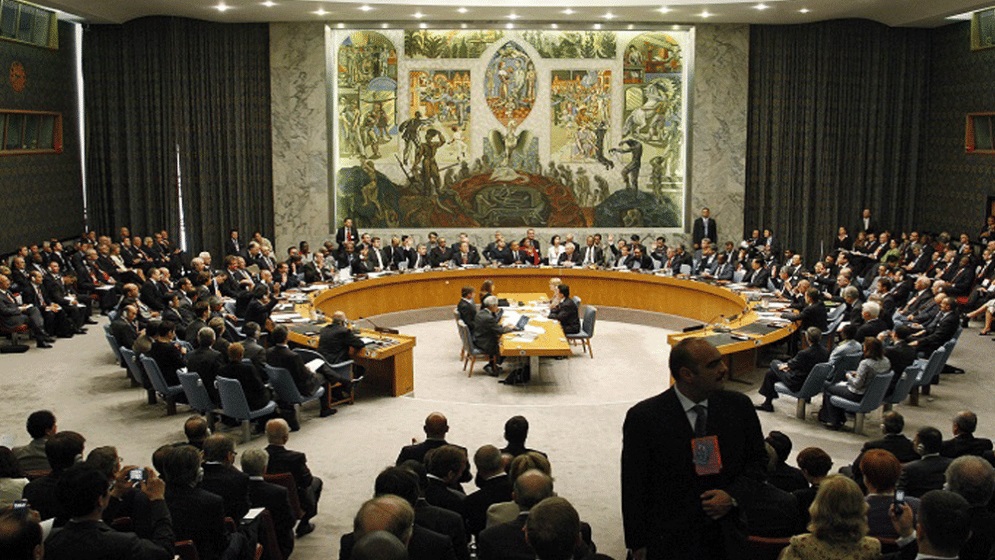
China’s strong rhetoric at the UN Security Council highlights a deepening rift over US interventionism in Latin America following the Maduro capture.

CANBERRA : The Australian government has adopted a “measured” response to the dramatic ousting and capture of Nicolás Maduro by US forces, with Prime Minister…
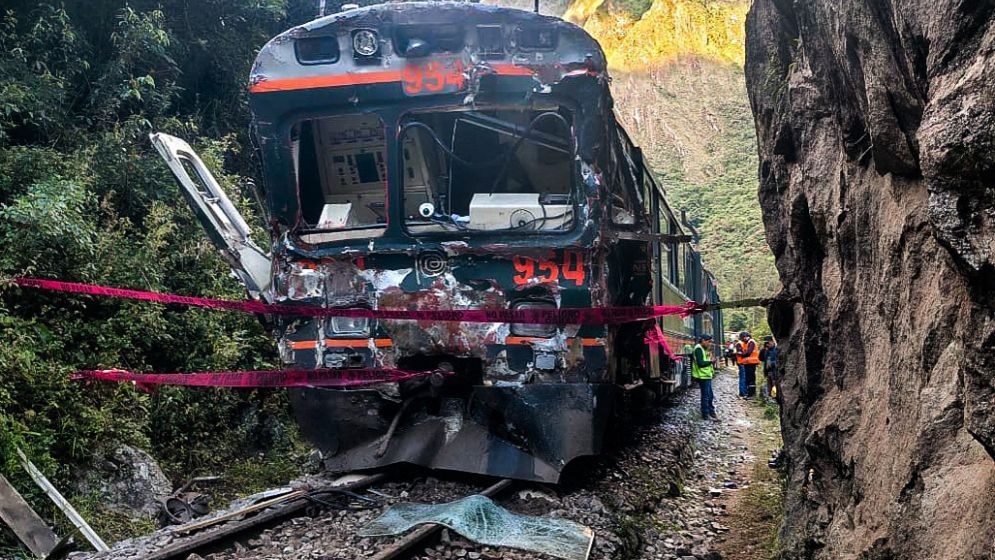
Explore the impact of the recent PeruRail and Inca Rail collision on tourism and safety at Machu Picchu. Details on casualties and travel disruptions.
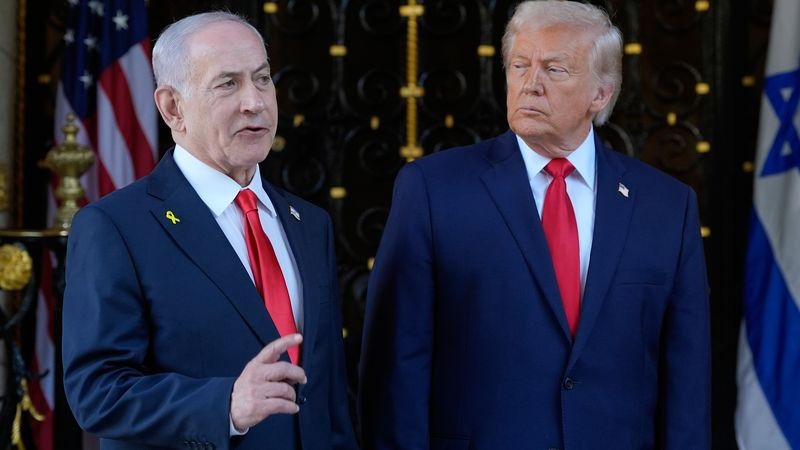
PALM BEACH: While the optics of the Mar-a-Lago meeting suggest a unified front, the transition to “Phase Two” of the Gaza ceasefire faces unprecedented logistical…

The Cairns-based luxury cruise ship Coral Adventurer has run aground on a reef near Lae, Papua New Guinea. All 123 passengers and crew are reported safe.
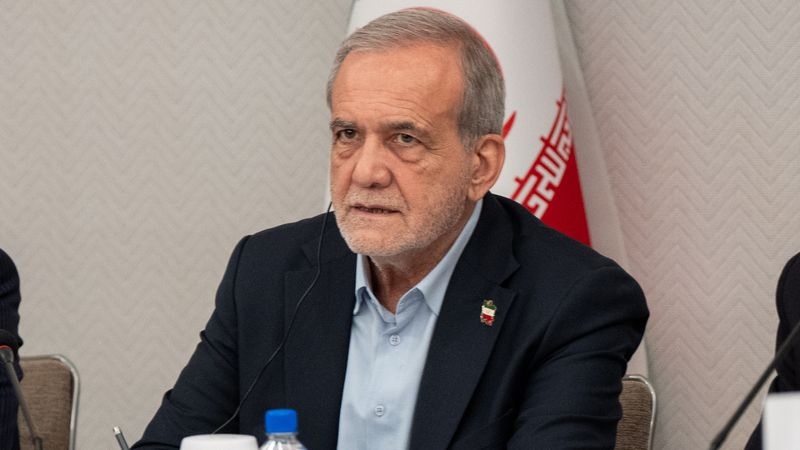
Iranian President Masoud Pezeshkian warns of a “full-scale war” ahead of the Trump-Netanyahu meeting, citing Western efforts to destabilize Iran.