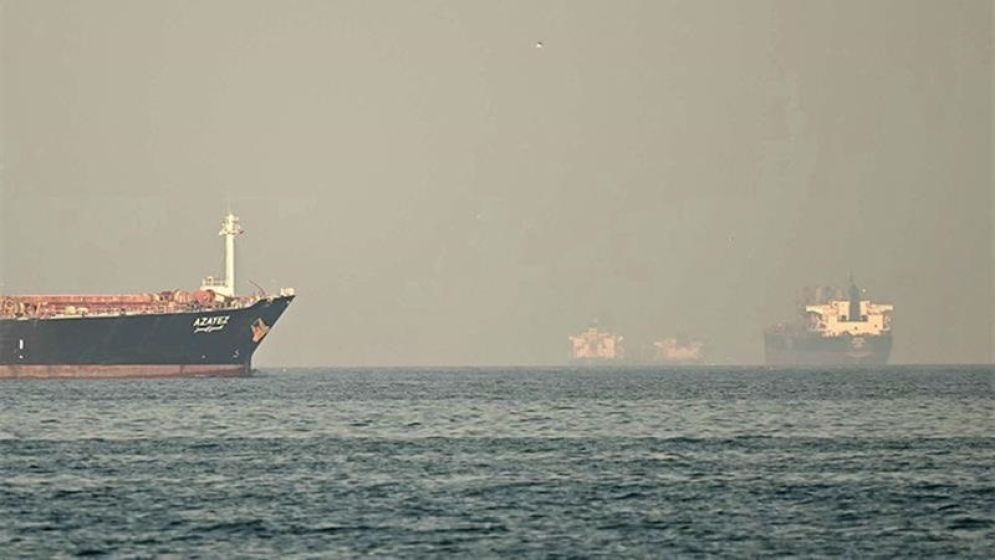
Cruise Ship Coral Adventurer Runs Aground in PNG Amid Ongoing Fatality Probe
The Coral Adventurer cruise ship has run aground near Lae, Papua New Guinea. This is the vessel’s first voyage since a passenger died on Lizard Island in October.





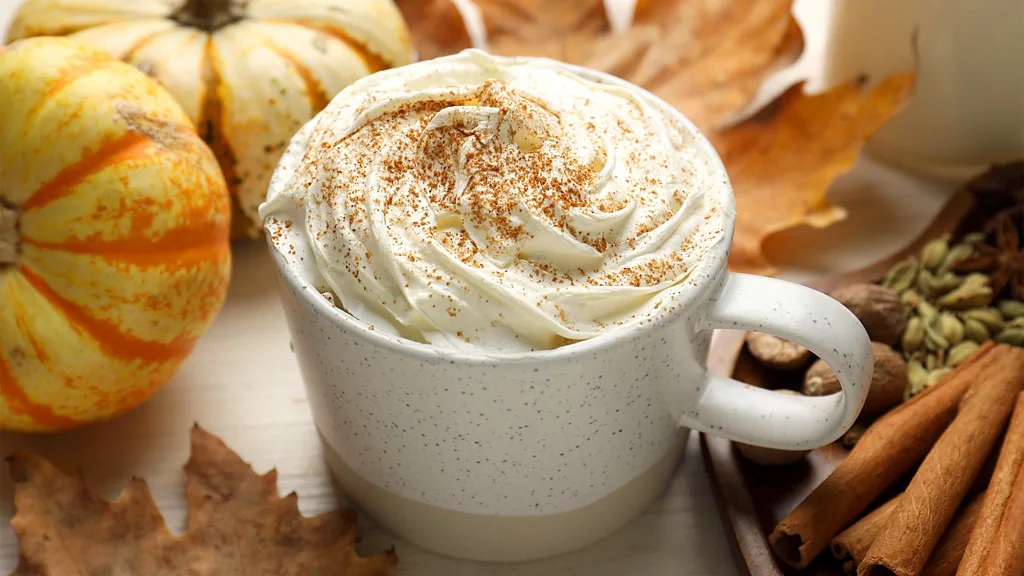
NEW YORK, NY — The scent of cinnamon and nutmeg may signal cozy autumn nostalgia, but behind the sweet aroma of the pumpkin spice craze lies a dark history rooted in global colonialism and brutal exploitation.
The blend—nutmeg, ginger, cinnamon, and clove—has exploded into a massive industry, largely thanks to Starbucks’ 2003 introduction of the Pumpkin Spice Latte (PSL). The US pumpkin spice market is now valued at approximately $1.1 billion in 2025 and is projected to double in size by 2032, cementing the flavor as an American cultural shorthand for the holiday season.
To understand how spices indigenous to Asia became synonymous with U.S. heritage, food historians trace the story back to the ruthless colonial conquest for monopoly control.
Nutmeg: The Dutch, desperate to monopolize the rare spice from Indonesia’s Banda Islands in the 17th century, annihilated nearly the entire Bandanese population, keeping the survivors in near-slavery to control global profits.
Cinnamon and Clove: In Sri Lanka and Indonesia’s Ambon Islands, the Portuguese, Dutch, and English forced local populations into brutal, exploitative labor to harvest and peel the coveted spices.
Ginger: Cultivated in the Caribbean after its introduction in the 17th Century, ginger production relied entirely on the forced labor of enslaved people under European regimes.
As food historian Dr. Ashley Rose Young notes, these valuable spices became symbols of comfort in Europe and were later incorporated into North American colonial cuisine, setting the stage for modern holiday traditions.
The spice combination was first officially listed in an American recipe for \”pompkin pie\” in Amelia Simmons\’s 1796 American Cookery. The flavor was fully embraced after the Civil War, when President Lincoln declared Thanksgiving a national holiday, seeking a sense of shared heritage.
This pairing of spices and pumpkin became a symbol of \”colonial nostalgia,\” according to Professor Becky Beausaert, often obscuring the brutal realities of settler colonialism by framing Thanksgiving as a simple, collaborative event.
Today, consumers spend half a billion dollars annually on pumpkin spice-flavored foods, largely due to the convenience trend pioneered by companies like McCormick, which began selling pre-made spice blends in the early 20th century.
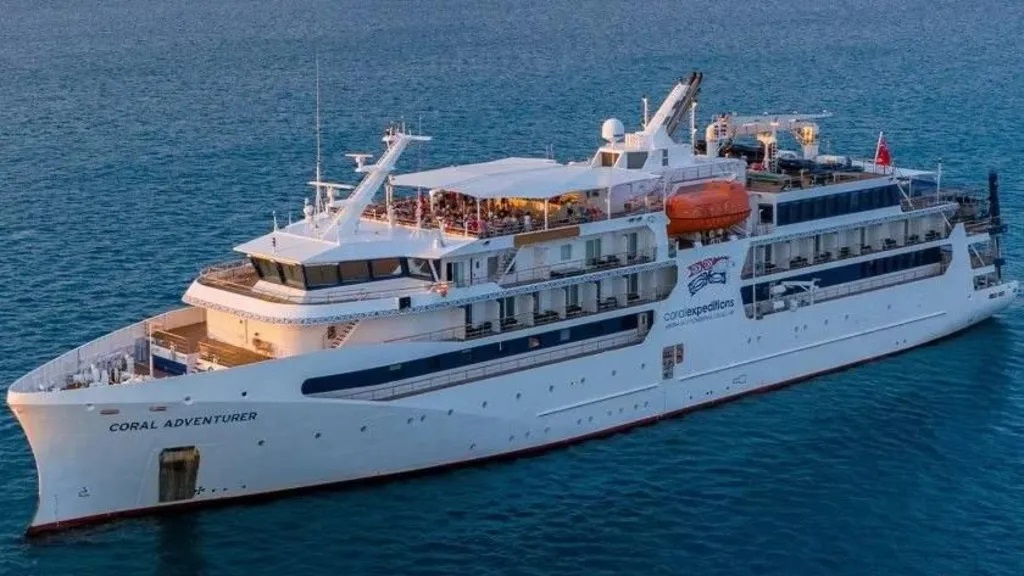
The Coral Adventurer cruise ship has run aground near Lae, Papua New Guinea. This is the vessel’s first voyage since a passenger died on Lizard Island in October.
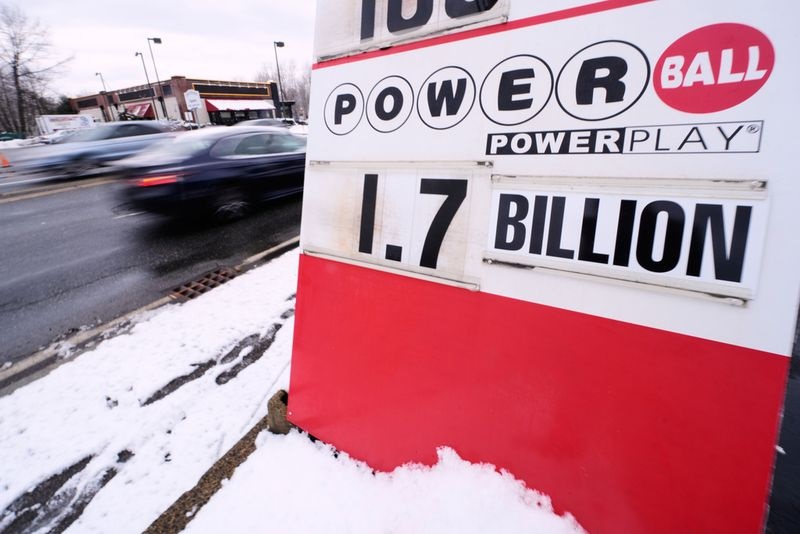
The $1.817 billion Powerball win is the second-largest in US history. We break down the $834.9 million cash option and the history of billion-dollar holiday wins.
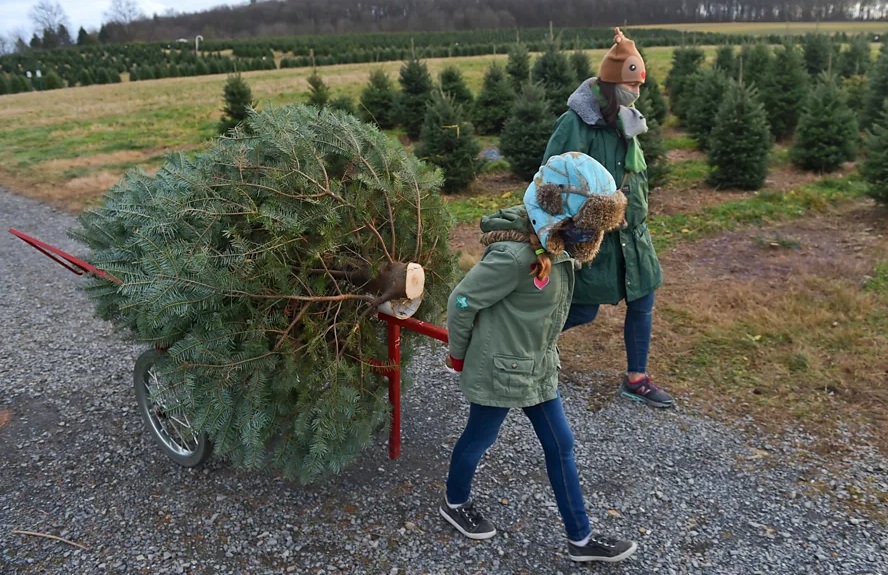
The tradition, dating back to 1800s German influence, is seeing a revival: a 2019 survey found millennials 82% more likely than Baby Boomers to buy a real Christmas tree. However, consumers must understand the trade-off: a plastic tree has an initial carbon cost ten times higher than a real one, but the real tree’s advantage is lost if it ends up in a landfill.
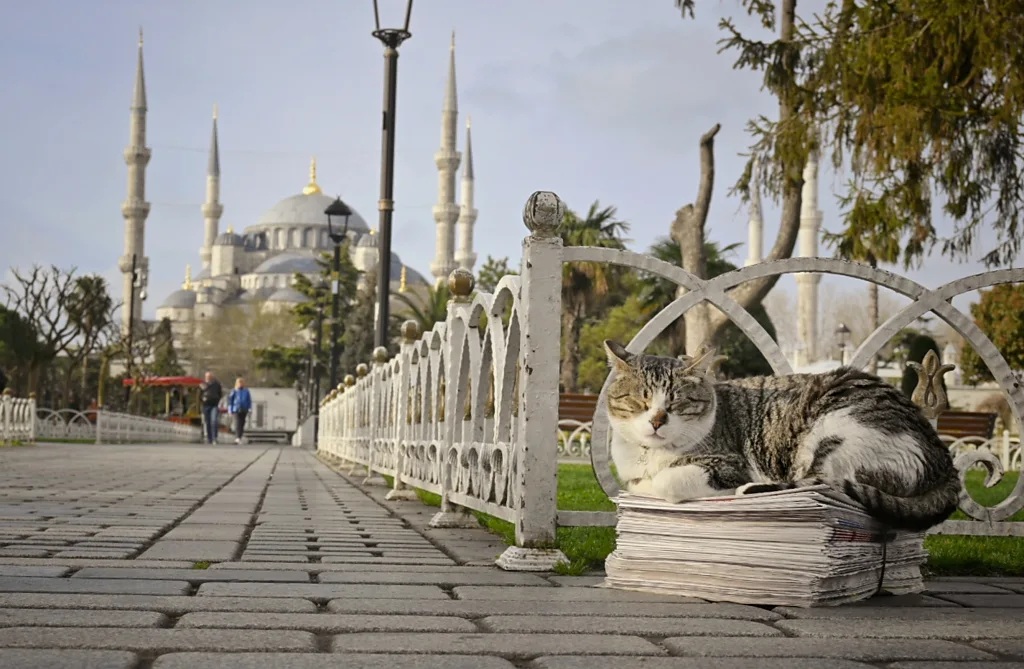
Istanbul, or \’Catstanbul,\’ is a city of over 15 million people where an estimated 250,000 street cats wander freely through metro stations, mosques, and cafés. This article explores the unique symbiotic relationship between humans and felines—where cats are neither pets nor strays but \”quiet citizens\”—and their role in transforming the chaotic Turkish metropolis into a tranquil and compelling destination for tourists worldwide.
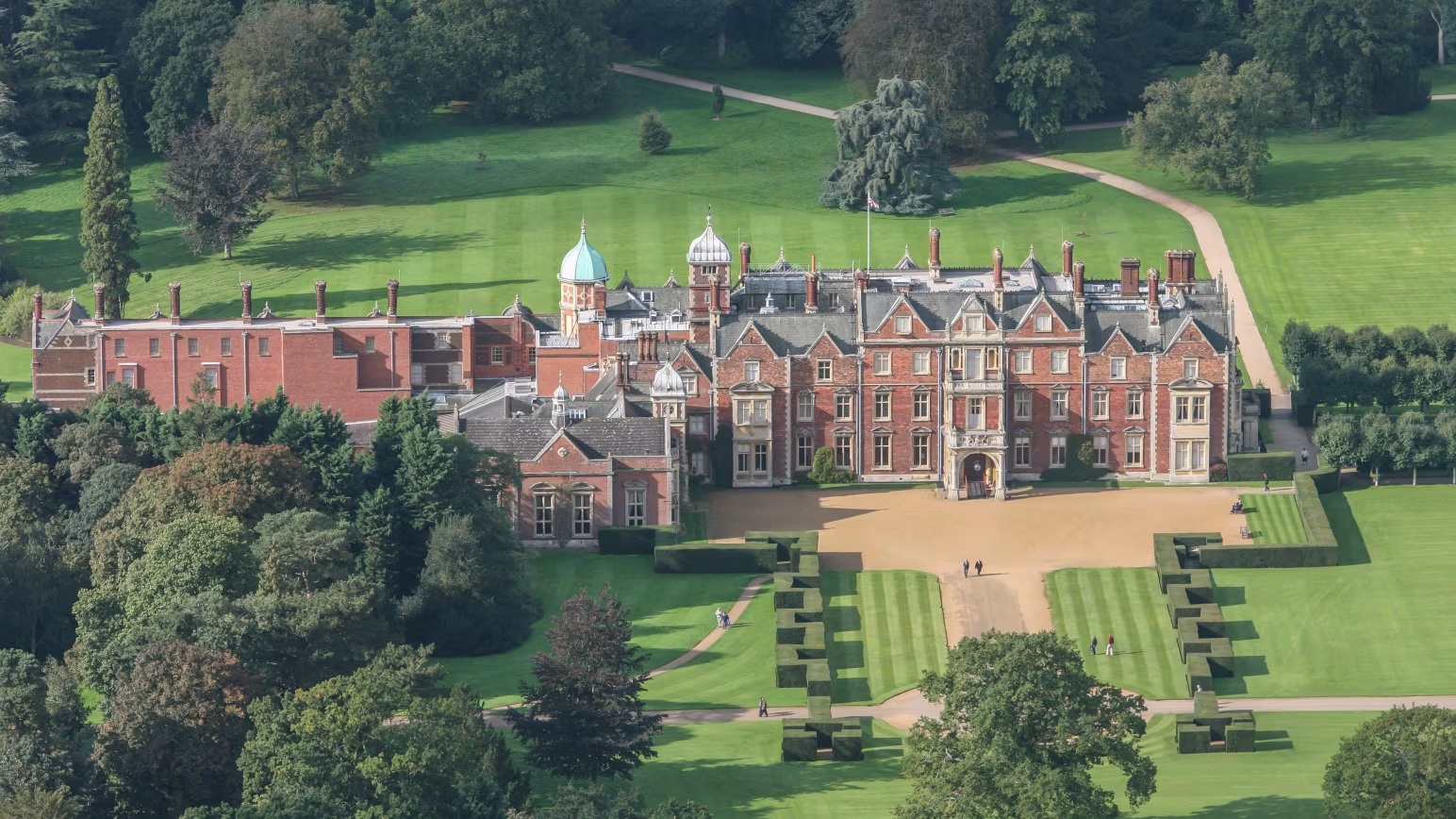
Sandringham, the beloved 20,000-acre estate where the royals spend Christmas, is set to become the permanent residence of the exiled Andrew Mountbatten Windsor. Learn about the history of the King\’s private property and the likely accommodations for the former Prince.