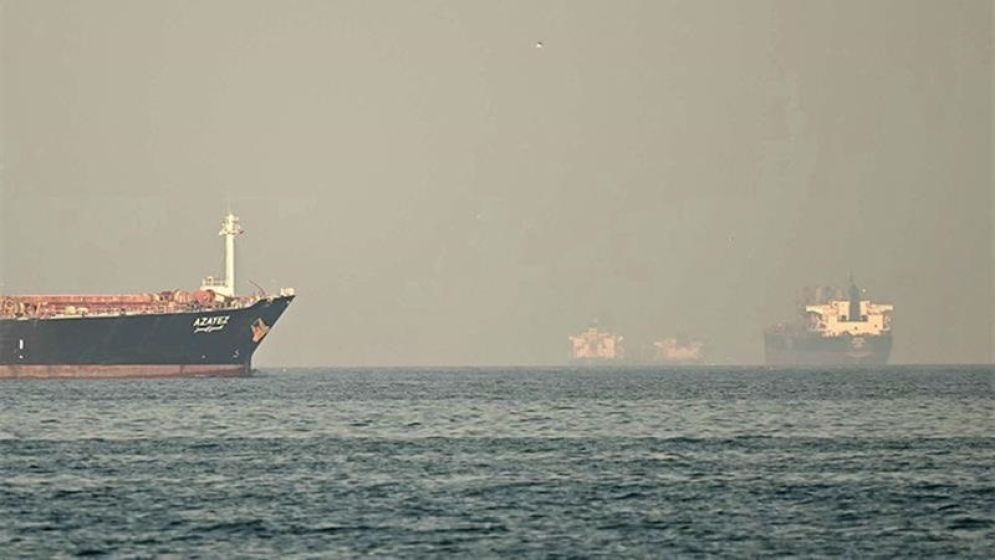
Cruise Ship Coral Adventurer Runs Aground in PNG Amid Ongoing Fatality Probe
The Coral Adventurer cruise ship has run aground near Lae, Papua New Guinea. This is the vessel’s first voyage since a passenger died on Lizard Island in October.





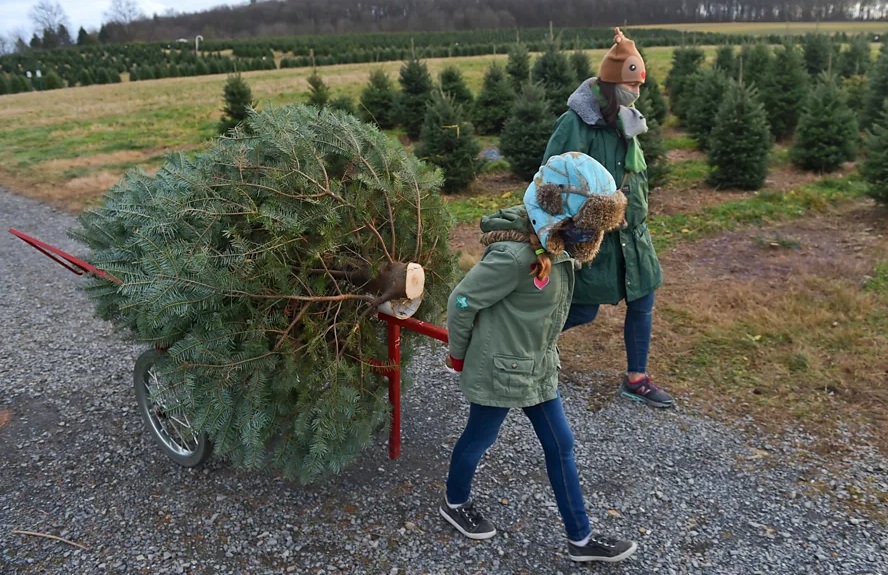
W.DC— The enduring tradition of the Christmas tree, which traces its English origins back to Queen Charlotte in 1800, is experiencing a modern revival, particularly among younger consumers. With an estimated 25-30 million real trees sold annually in the US alone, a 2019 survey found that millennials are 82% more likely than Baby Boomers to opt for a live tree, suggesting the natural evergreen is making a strong comeback.
This trend is prompting scientists to redefine what constitutes a “green” Christmas, emphasizing that the environmental choice is far more complex than a simple real-versus-plastic decision.
The core of the debate traditionally focuses on the carbon footprint, which heavily favors the natural option, provided the real tree is properly disposed of.
Most artificial trees are made from petroleum-based PVC plastic and metals, primarily manufactured overseas. A standard two-meter plastic tree generates an estimated 40 kilograms of CO2e from production and shipping. To offset this high initial environmental cost, the artificial tree must be reused for at least 10 to 12 years.
A real Christmas tree, which acts as a carbon sink during its decade of growth, has a carbon footprint of only about 3.5 kg of CO2e if recycled or mulched. However, if the tree is sent to a landfill, it decomposes anaerobically and releases methane—a greenhouse gas far more potent than CO2—raising its footprint almost fivefold to 16 kg of CO2e.
Forest ecologist Alexandra Kosiba encourages consumers to view real trees as part of sustainable land management. Unlike felling trees in natural forests, plantation trees are a horticultural crop, helping to maintain rural landscapes and local economies.
While they are too short-lived to be included in major initiatives like the EU’s three-billion-tree pledge, experts like Paul Caplat note that tree plantations are generally less intensively managed than industrial agriculture, offering significant biodiversity benefits by serving as habitats for nesting birds and insect populations.
Ultimately, consumers seeking the greenest option must prioritize:
Locally Sourced: To minimize transport emissions.
Responsible Disposal: Utilizing municipal chipping/mulching services.
Longevity (for plastic): Continuing to use an existing artificial tree for at least a decade.
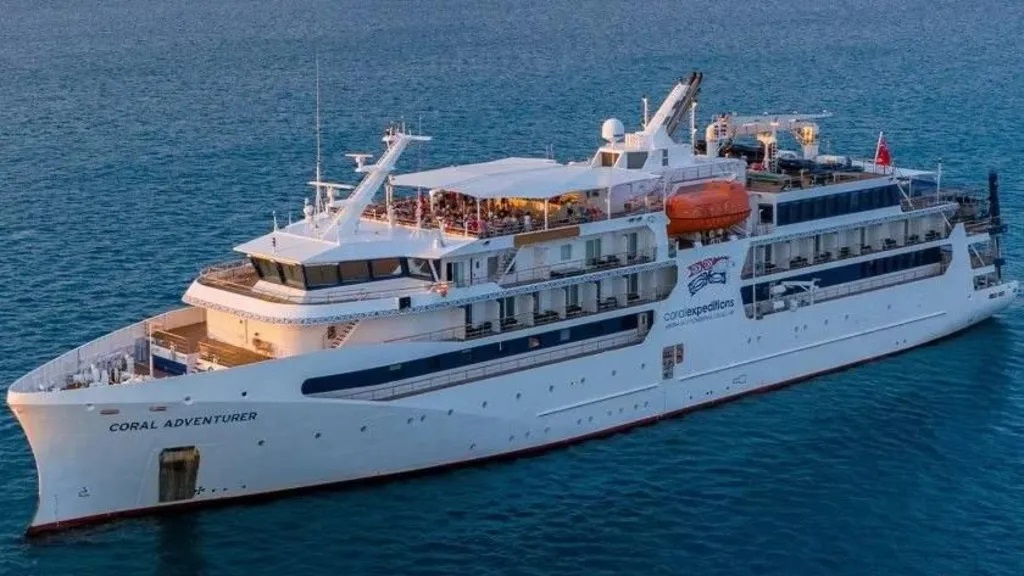
The Coral Adventurer cruise ship has run aground near Lae, Papua New Guinea. This is the vessel’s first voyage since a passenger died on Lizard Island in October.
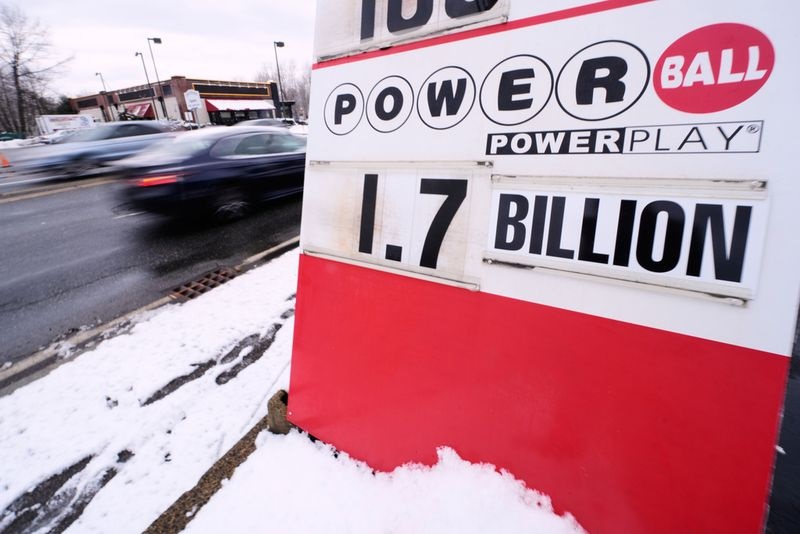
The $1.817 billion Powerball win is the second-largest in US history. We break down the $834.9 million cash option and the history of billion-dollar holiday wins.
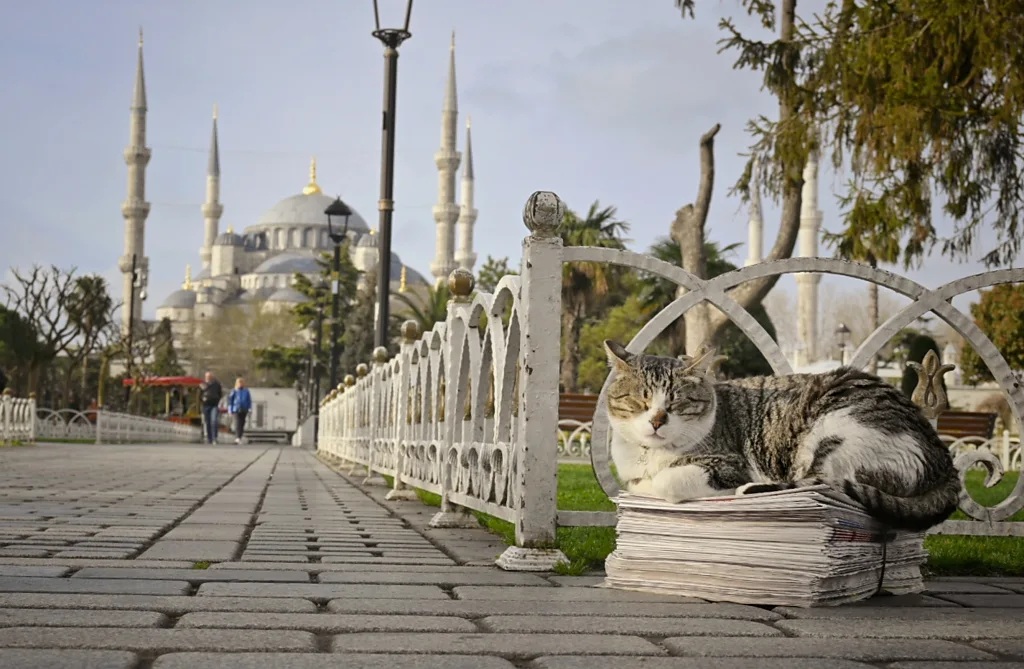
Istanbul, or \’Catstanbul,\’ is a city of over 15 million people where an estimated 250,000 street cats wander freely through metro stations, mosques, and cafés. This article explores the unique symbiotic relationship between humans and felines—where cats are neither pets nor strays but \”quiet citizens\”—and their role in transforming the chaotic Turkish metropolis into a tranquil and compelling destination for tourists worldwide.

The US pumpkin spice industry, valued at over $1.1 billion in 2025, is examined through the dark history of its ingredients: nutmeg, cinnamon, ginger, and clove. From the Dutch annihilation of the Bandanese to enslaved labor in the Caribbean, the flavor of American nostalgia is traced back to the global spice trade\’s violent origins.

Sandringham, the beloved 20,000-acre estate where the royals spend Christmas, is set to become the permanent residence of the exiled Andrew Mountbatten Windsor. Learn about the history of the King\’s private property and the likely accommodations for the former Prince.