How Your Old Degree Could Help You Land Your Next Job
Did you know 40% of UK universities offer free, lifelong careers advice to graduates? Discover how to access CV coaching and interview prep as an older alumnus.





By Md. Faisal Uddin
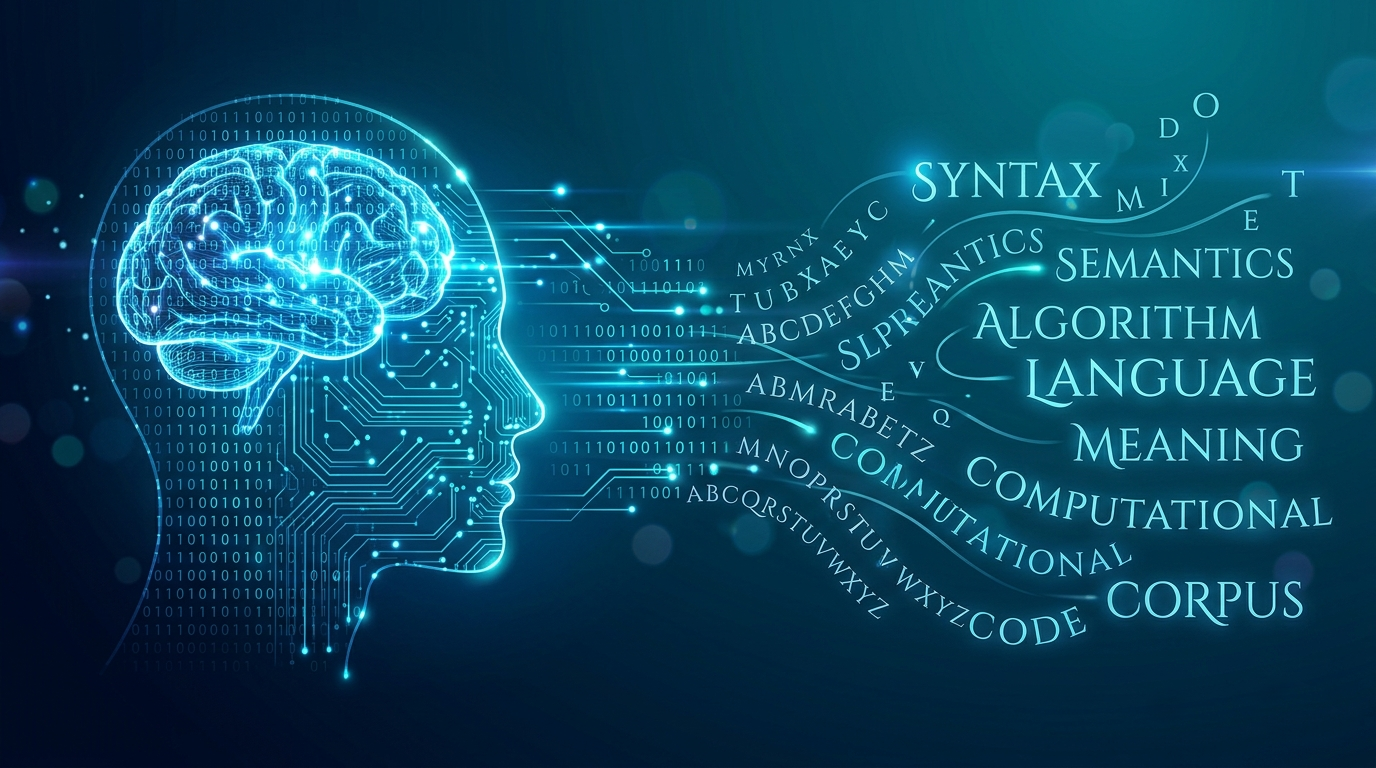
We live in an era obsessed with numbers. Every swipe, click, share, and purchase we make online is converted into a metric. Companies and policymakers spend billions analyzing these data points to predict market trends, consumer behavior, and public sentiment. Yet, as we rely more heavily on quantitative data, a critical realization is emerging: numbers can tell us what is happening, but they rarely explain why. To truly understand the digital landscape, the future of data science must look beyond spreadsheets and integrate the study of human language.
When we look at social media platforms, forums, or online news, the vast majority of information generated is unstructured data—specifically, text. Traditional data analysis often treats this text as mere statistical code, counting the frequency of keywords or using basic algorithms to judge whether a comment is “positive” or “negative.” This is where the limitations of pure data science become obvious. Human communication is deeply complex, shaped by context, culture, irony, and subtle shifts in tone. A machine might count the word “excellent” as a positive marker, but it completely misses the sarcasm when a user writes, “Great, another system crash, just excellent.”
This gap is where linguistics and discourse analysis become essential. Language is not just a tool for transferring information; it is a mirror of societal power dynamics, identity, and cultural shifts. By analyzing the structure of digital discourse, researchers can uncover how narratives are formed, how misinformation gains traction, and how public opinion is systematically shaped. For instance, analyzing the specific rhetorical choices in political commentary or marketing campaigns tells us far more about public psychology than a simple graph of user engagement metrics.
Furthermore, as artificial intelligence and large language models (LLMs) increasingly drive our daily digital experiences, the demand for linguistic precision has never been higher. Building AI that understands human context requires more than just processing power; it requires an understanding of semantic nuance and cultural context. Without this, technological tools risk reinforcing biases or generating sterile, unnatural communication that fails to connect with real people.
For a rapidly digitalizing society like Bangladesh, this intersection is particularly relevant. As our public conversations move online, understanding the digital discourse in our native language offers invaluable insights for market research, social policy, and media management. We need to move past the idea that data science belongs strictly to mathematicians and computer scientists.
The most profound insights of the digital age lie at the crossroads of technology and the humanities. By combining the scale of big data with the depth of linguistic analysis, we can build a more human-centered approach to technology—one that does not just count our words, but genuinely understands them.

Did you know 40% of UK universities offer free, lifelong careers advice to graduates? Discover how to access CV coaching and interview prep as an older alumnus.

From EY’s record fines to the ACCA’s remote exam ban, we analyze why the accounting industry is struggling to maintain ethical standards in the AI age.

Jagannath University (JnU) administration orders students to vacate campus by 3:30 PM Monday ahead of the JnUCSU and Hall Union elections on Tuesday.
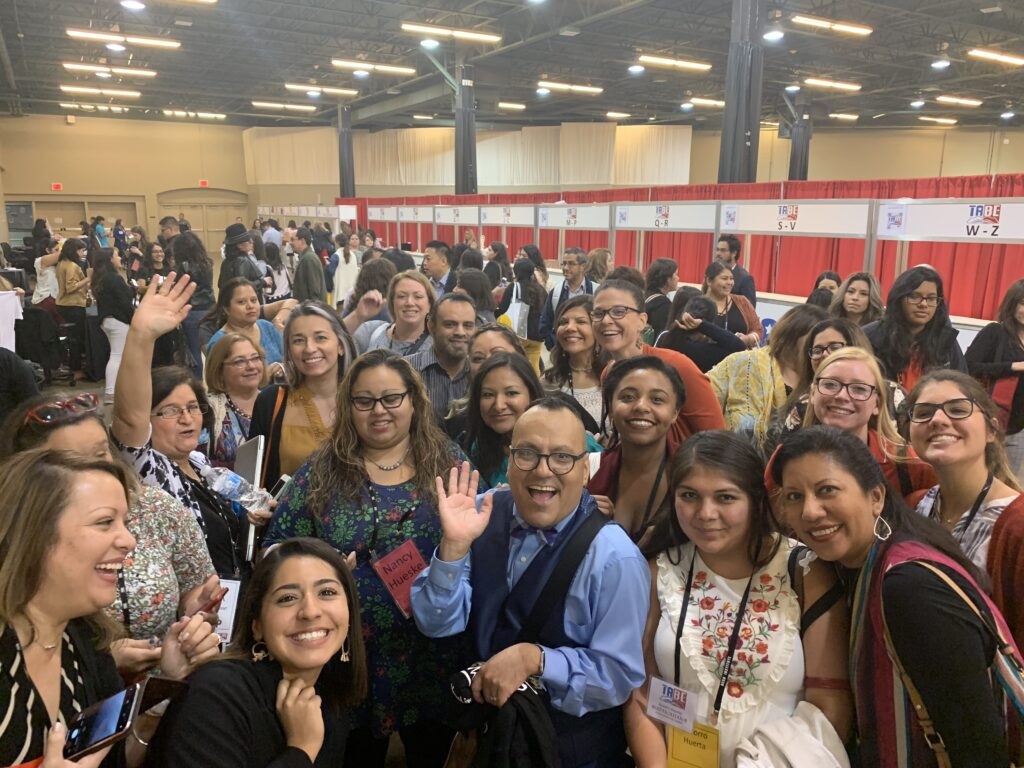
From being tied to a gurney in school to becoming a TikTok icon, discover how José Medina is transforming dual language education and fighting linguistic oppression.

From Jordan to Palestine and Saudi Arabia, meet the female directors changing the face of the Red Sea Film Festival. A deep dive into the stories of Zain Duraie, Amira Diab, and more.
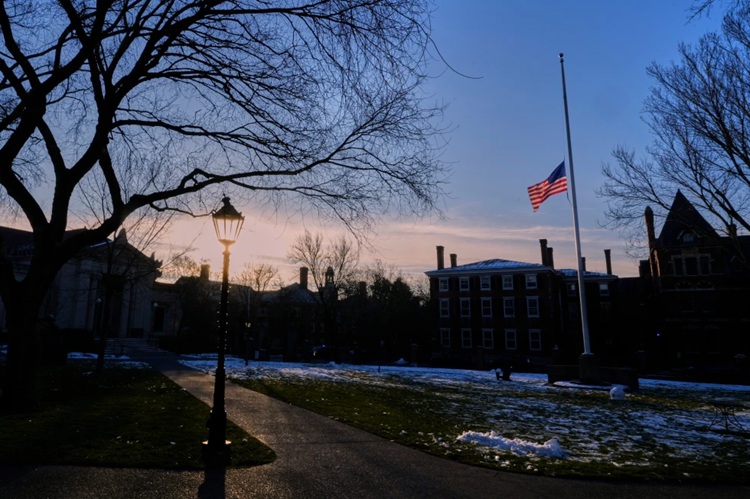
As Brown University applicants await life-changing Early Decision offers tonight, they grapple with the reality of a campus shooting. Experts and students discuss the “sad reality” of gun violence at elite schools and the resilience of the 2025 applicant pool.
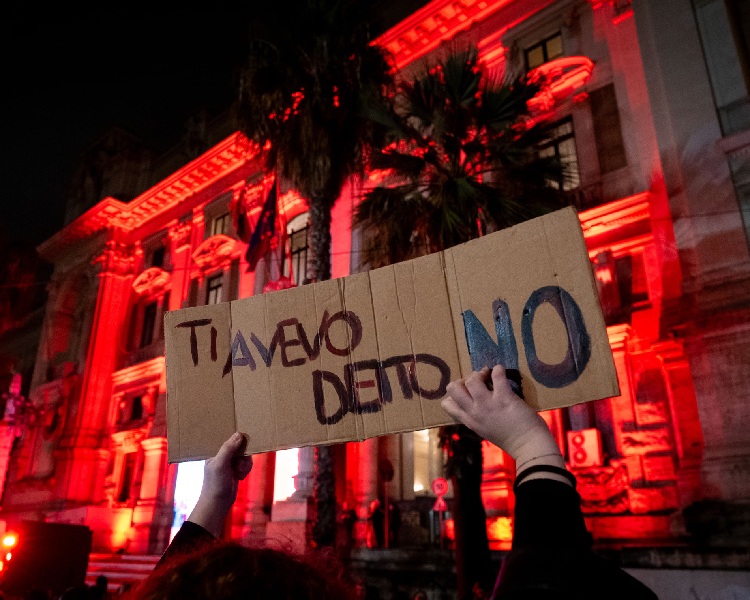
The family of murdered student Giulia Cecchetin joins calls for mandatory sex education, as the Italian government passes a bill requiring parental consent to teach the subject