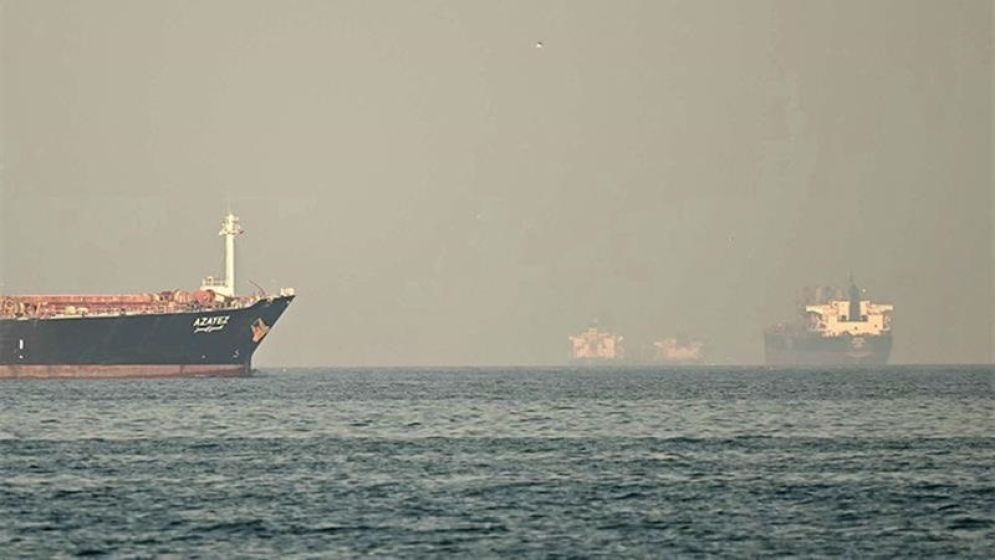
Trump Hits Iran’s Trade Partners with 25% Tariff Amid Deadly Crackdown
Following reports of 600 deaths in Iran protests, President Trump imposes a 25% tariff on countries trading with Tehran. Military action remains “on the table.”





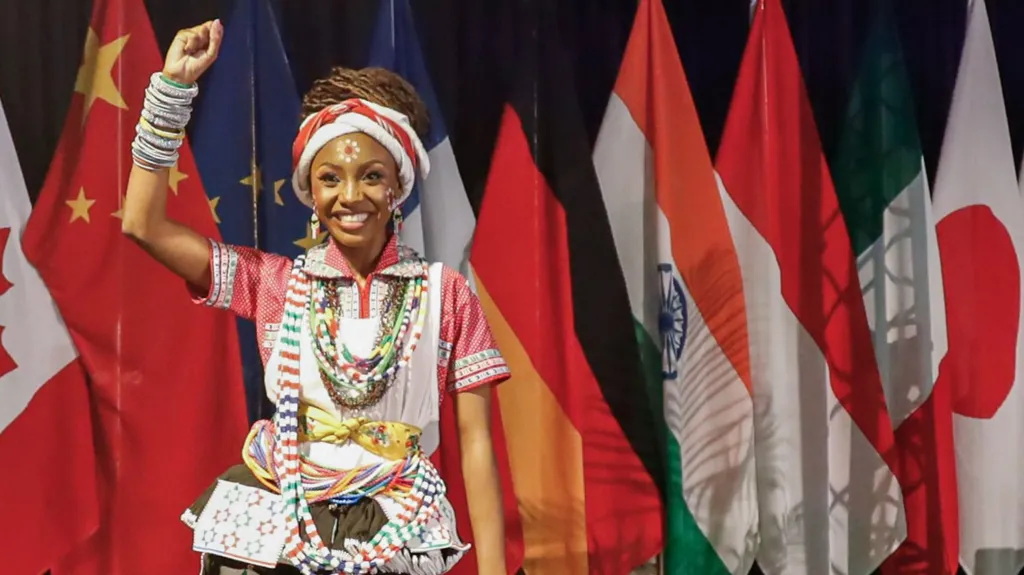
JOHANNESBURG — The G20 summit in Johannesburg has been thrown into diplomatic turmoil by the unprecedented boycott by the United States, marking the culmination of a year of intense and escalating tension between the Trump administration and South Africa.
The US President Donald Trump initially announced he would not attend the summit—the first G20 ever held on African soil—and later abruptly withdrew the entire US delegation, including Vice-President JD Vance. The stated reason for the boycott was the widely discredited claim regarding the large-scale persecution of South Africa\’s white minority.
The diplomatic relationship has steadily worsened, with Washington taking several punitive economic and political measures against Pretoria ahead of the G20:
Most notably, the US imposed 30% tariffs on South African goods—a punitive rate that is the highest in sub-Saharan Africa.
The government in Pretoria firmly denied the \”white genocide\” claims, which have been widely debunked by local and international experts, and attempted to maintain a diplomatic front, insisting the summit would proceed regardless of the US absence. Despite the last-minute decision to send a small in-country diplomatic team to the closing ceremony, the US has refused to participate in any substantive discussions.
The most immediate concern stemming from the diplomatic freeze is the potential for retaliation when the US takes over the G20 presidency next year. Diplomats fear that South African representatives could be frozen out of key meetings or negotiations during the US tenure.
South Africa\’s Finance Minister, Enoch Godongwana, adopted a defiant stance when addressing reporters about the possibility of exclusion:
\”We are members of the G20, we\’re not an invited country. So we don\’t need an invitation from anybody,\” Godongwana said. \”If the United States do not want us to participate, the only way they can do it is to decline us visas.\”
Professor Richard Calland suggested the US absence might inadvertently serve a strategic purpose, arguing it could remove a major source of friction and allow the remaining leaders to achieve \”real consensus\” on the issues facing the Global South, which include securing climate finance and addressing the issue of developing countries paying up to four times higher interest on debt.
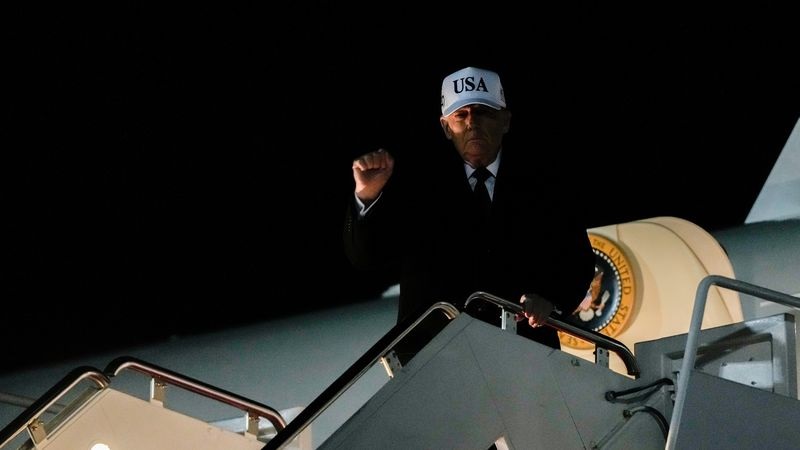
Following reports of 600 deaths in Iran protests, President Trump imposes a 25% tariff on countries trading with Tehran. Military action remains “on the table.”
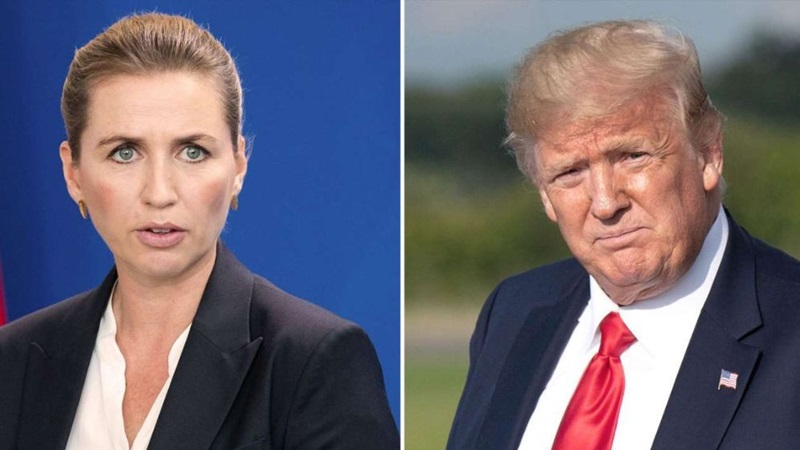
PM Mette Frederiksen warns of a decisive moment for Greenland as Germany, Sweden, and the UK back Denmark against US claims to the Arctic territory.
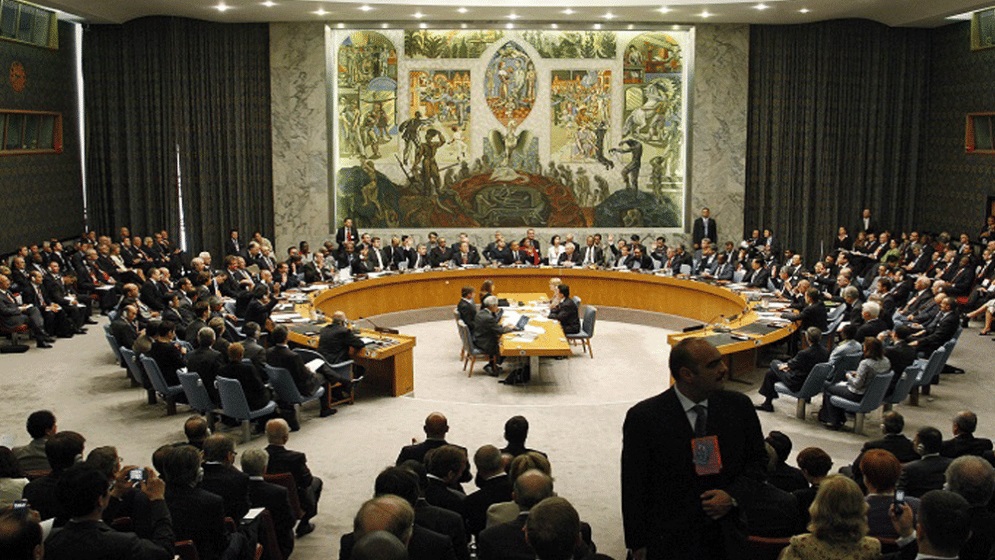
China’s strong rhetoric at the UN Security Council highlights a deepening rift over US interventionism in Latin America following the Maduro capture.

CANBERRA : The Australian government has adopted a “measured” response to the dramatic ousting and capture of Nicolás Maduro by US forces, with Prime Minister…
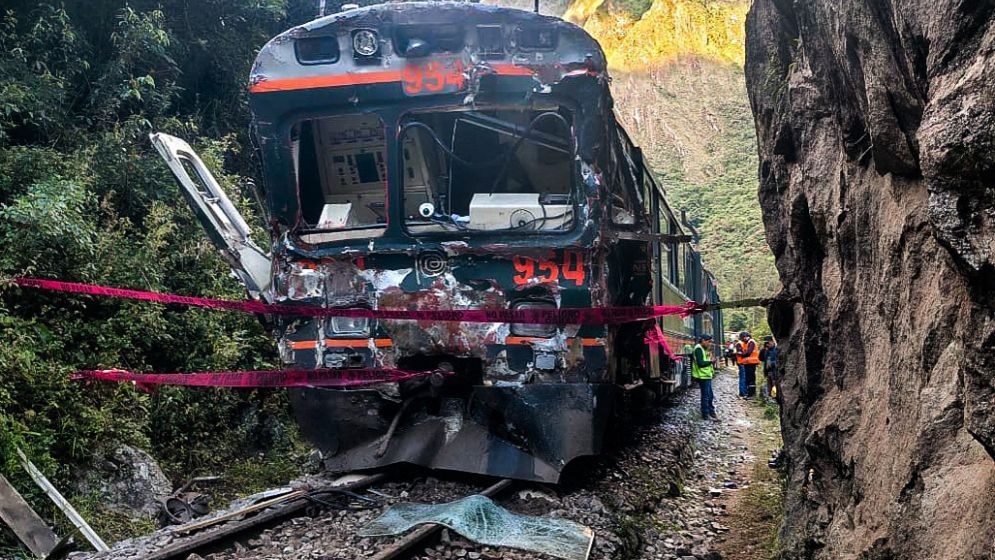
Explore the impact of the recent PeruRail and Inca Rail collision on tourism and safety at Machu Picchu. Details on casualties and travel disruptions.
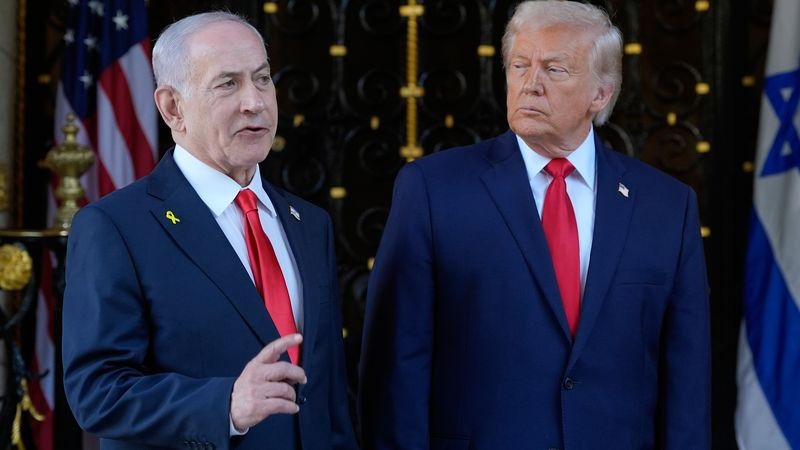
PALM BEACH: While the optics of the Mar-a-Lago meeting suggest a unified front, the transition to “Phase Two” of the Gaza ceasefire faces unprecedented logistical…

The Cairns-based luxury cruise ship Coral Adventurer has run aground on a reef near Lae, Papua New Guinea. All 123 passengers and crew are reported safe.
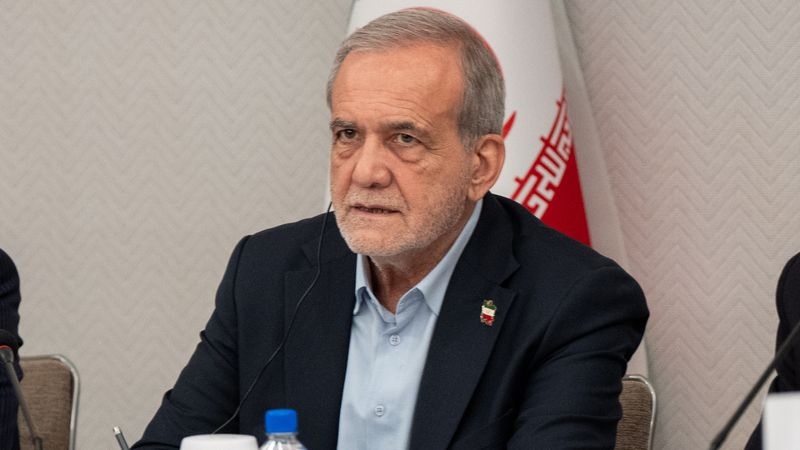
Iranian President Masoud Pezeshkian warns of a “full-scale war” ahead of the Trump-Netanyahu meeting, citing Western efforts to destabilize Iran.