Trump Hits Iran’s Trade Partners with 25% Tariff Amid Deadly Crackdown
Following reports of 600 deaths in Iran protests, President Trump imposes a 25% tariff on countries trading with Tehran. Military action remains “on the table.”





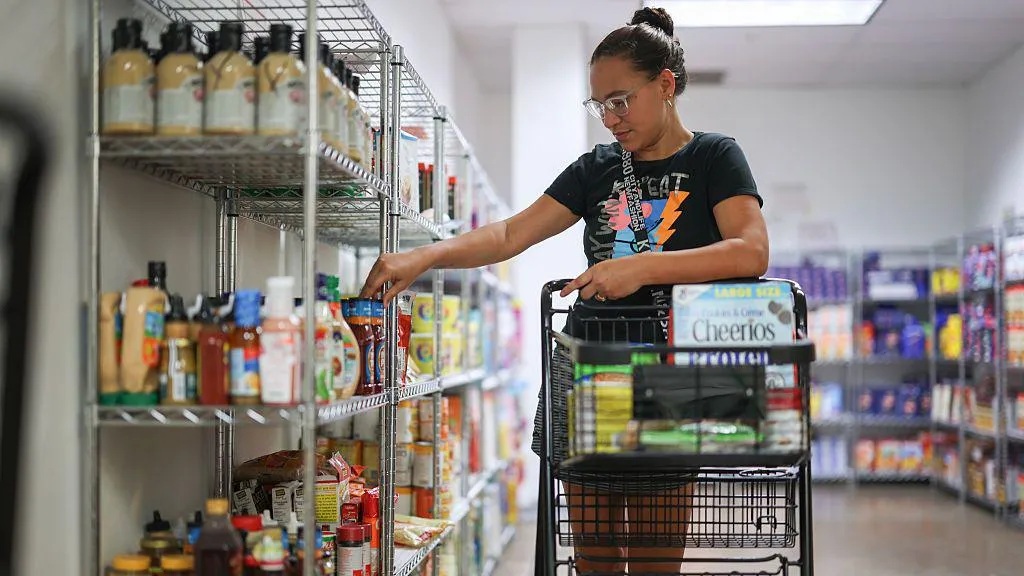
WASHINGTON D.C. – The partisan battle over federal funding has crossed a critical threshold, pushing the US government shutdown into its fifth week with no end in sight. The political deadlock on Capitol Hill is no longer just a legislative failure; it has metastasized into an acute humanitarian crisis threatening the financial stability and physical well-being of the nation’s most vulnerable citizens.
As Republicans and Democrats remain gridlocked over a spending plan, the collateral damage is counted in lost paychecks, frozen food aid, and the imminent risk of families losing heat as winter approaches.
For over 40 million Americans, the clock is ticking on their ability to put food on the table. The Supplemental Nutrition Assistance Program (SNAP)—commonly known as food stamps—is slated to run dry on November 1st, threatening the most severe lapse in the program\’s history.
This looming deadline has created a desperate scramble across the country. In states like New York, the governor has declared a state of emergency to marshal resources, while food banks are already overwhelmed by residents and furloughed federal workers stockpiling supplies. The administration has rejected using contingency funds, effectively holding the nation’s food security hostage until Congress acts.
Adding insult to the immense sacrifice of service, over one million members of the US military are poised to miss their paychecks this Friday. For a population where roughly a quarter of families are already considered food insecure and have minimal emergency savings, the last-minute scramble to secure pay is inflicting a heavy mental toll.
Though the White House has found temporary mechanisms to cover salaries—scavenging funds from military housing and research accounts—the uncertainty has driven thousands of military families to seek assistance at food pantries. Their service is deemed \”essential,\” yet their pay is treated as expendable.
With temperatures plummeting in northern states, the political impasse is now a matter of life and death. The Low Income Home Energy Assistance Program (Liheap), a federal lifeline for roughly six million Americans to pay utility bills, is frozen.
The government is unable to release funds to utility companies in mid-November. While some state regulations protect consumers from having gas and electric service cut off, this does not apply to heating oil or propane—leaving thousands of low-income families in deadly peril unless a nationwide moratorium is urgently enacted.
The shutdown\’s escalating pressure is visible in major transport hubs. Air traffic controllers, mandated to work without pay as \”essential\” employees, have begun calling in sick in protest. This forced absenteeism has led to widespread flight delays across the US, exposing the precarious state of the nation\’s infrastructure when its dedicated workforce is treated as a political pawn.
Meanwhile, the ranks of the unpaid are swelling. If the deadlock persists until December 1st, an estimated 4.5 million paychecks will be withheld from federal employees, totaling over $21 billion in missing wages.
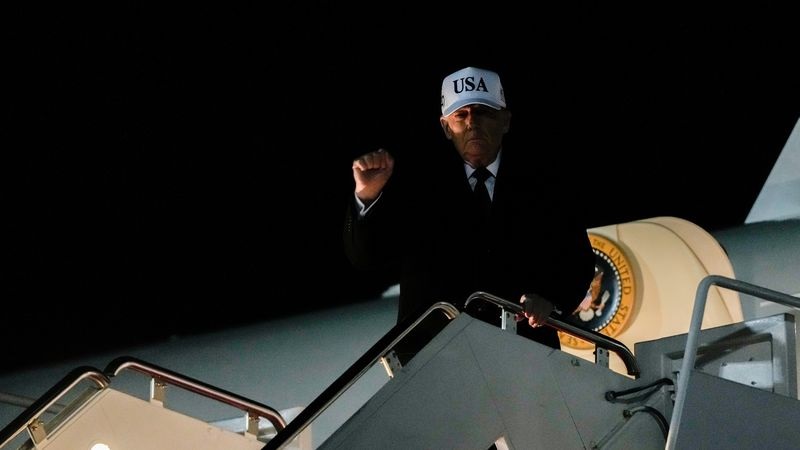
Following reports of 600 deaths in Iran protests, President Trump imposes a 25% tariff on countries trading with Tehran. Military action remains “on the table.”
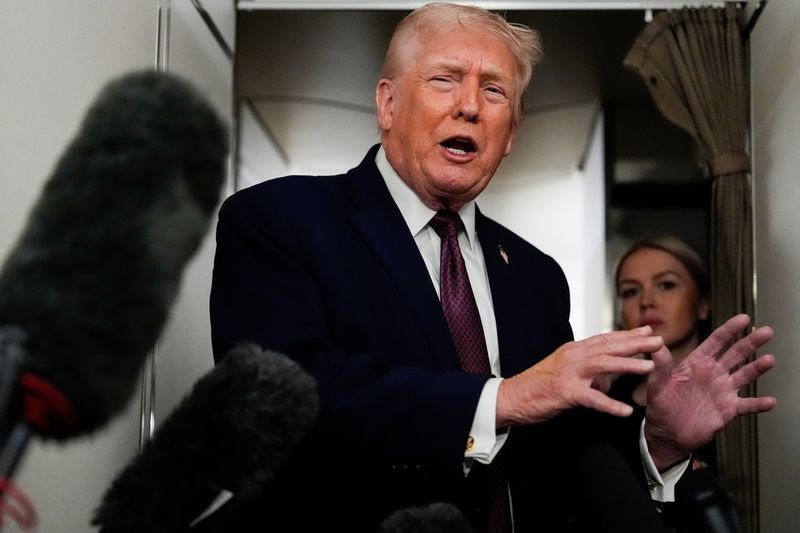
Inside Donald Trump’s “psychological” push for Greenland. From mocking dog sleds to asserting American dominance in the Arctic.

Inside the White House debate: Vice President JD Vance urges diplomacy while exiled leaders call for intervention. Trump weighs his next move in the Iran crisis.

PM Mette Frederiksen warns of a decisive moment for Greenland as Germany, Sweden, and the UK back Denmark against US claims to the Arctic territory.

City Bank PLC partners with Gold’s Gym Bangladesh to provide interest-free EMI and credit card benefits, driving growth in the wellness sector.

Government gives green light for direct listing of profitable state-run companies and urges multinationals to begin the listing process immediately.

Clay County Sheriff Eddie Scott details the horrific moments of the Cedarbluff shooting. Suspect Daricka Moore faces capital murder charges for the death of 6 relatives.

Following a fatal attack in St. Croix, we look at the statistics of shark encounters in the Caribbean and how travelers can stay safe in the water.