Financial Implications of Bangladesh’s Hypertension Epidemic
Experts call for increased budget allocation in FY2026-27 to combat the rising tide of hypertension, which now ranks as the top disease in Bangladesh.






The latest data from the Centers for Disease Control and Prevention (CDC) confirms what many families already knew: Autism Spectrum Disorder (ASD) is not rare. With 1 in 31 children in the U.S. now diagnosed by age 8—a sharp increase from previous reports—the conversation must shift from alarm to action.
As a researcher on the Autism and Developmental Disabilities Monitoring Network and a person diagnosed with Asperger\’s syndrome, I know firsthand that while autism presents unique challenges, it also affords society the opportunity to become more dynamic and vibrant.
The dramatic increase in diagnoses—from an estimated 1 in 500 in the 1990s to today’s figure—is primarily a reflection of two key factors:
Broader Diagnostic Criteria: The criteria used by clinicians have evolved since 1980, encompassing a wider variety of symptoms under the ASD umbrella.
Increased Awareness: A growing societal acceptance and accurate understanding of autism, particularly how it presents in girls, has made the condition easier to recognize, evidenced by the shrinking boy-to-girl diagnosis ratio of 3.4 to 1.

This recognition confirms that autistic people are a significant part of every community, affecting children across all races, ethnicities, and income levels.
The increasing number of autistic children will inevitably become a growing population of autistic adults. This reality demands that policymakers, employers, and community leaders create systems designed for their success.
The focus must shift from simply managing challenges to capitalizing on autistic strengths, such as the ability to see connections others miss and engage in creative, out-of-the-box thinking.
Education Reform: State and local education systems must implement specialized training for educators to support the growing demand on special education services.

Workplace Accommodations: Accommodations like remote work and sensitive clinical practices are necessary to encourage engagement in traditional employment and healthcare.
Economic Support: Independent living programs and programs that train, hire, and retain workers with disabilities are crucial for ensuring the long-term economic success of the autistic population.
Furthermore, communities should embrace models like the Autism Certified City program, pioneered by Mesa, Arizona. This initiative ensures that local stakeholders—from healthcare to hospitality—are trained to interact with people with cognitive differences and create sensory-friendly environments.
The rise in autism diagnoses is not a cause for fear. It is, instead, a powerful invitation to build a truly inclusive world where every perspective and mind has the chance to thrive.

Experts call for increased budget allocation in FY2026-27 to combat the rising tide of hypertension, which now ranks as the top disease in Bangladesh.

Ever wondered why you feel sleepy after a big meal? Scientists explain the “satiety cascade,” the insulin response, and whether one-off overeating is actually harmful.

The CDC has officially abandoned its 1991 recommendation for universal Hepatitis B vaccination at birth. Under new guidelines influenced by RFK Jr., parents of infants born to HBsAg-negative mothers will now use shared decision-making to delay or skip the birth dose, a move experts fear will increase chronic liver disease and childhood infections.
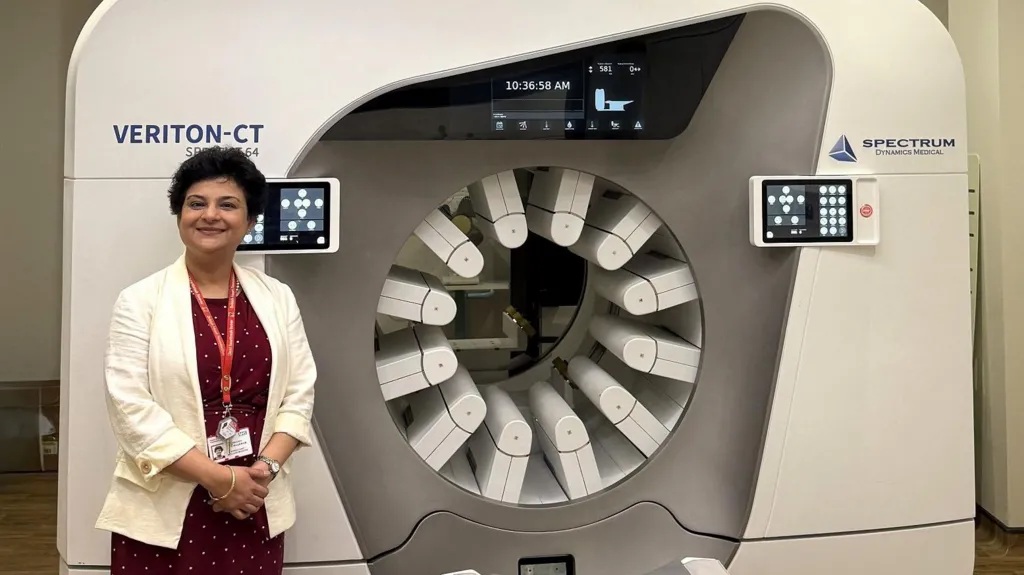
CZT, a notoriously difficult-to-manufacture semiconductor, is enabling major advances in medical imaging, airport security, and X-ray telescopes. Due to its precise, single-step detection of X-rays and gamma rays, the material is in high global demand, complicating projects from a £500m UK synchrotron upgrade to US space missions threatened by supply shortages and the US government shutdown.
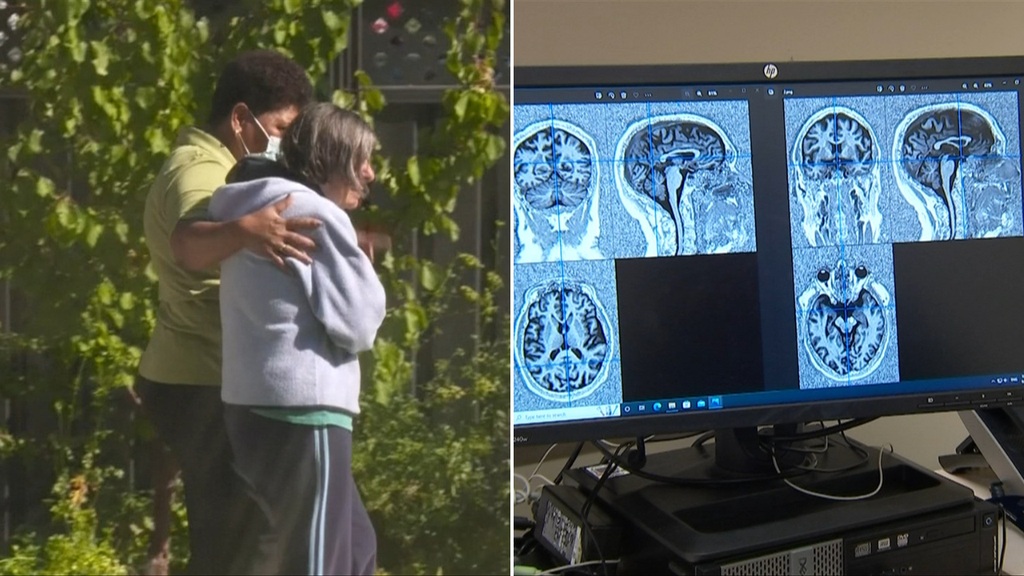
Dementia is confirmed as Australia\’s leading cause of death for 2024, with 62.4% of victims being female. The shift highlights the disproportionate impact on women due to longer life expectancies, creating immense pressure on the healthcare system and demanding urgent national focus on preventative brain health.

Walking up to 7,500 steps daily may delay cognitive decline by 7 years for those with early Alzheimer\’s signs. Experts urge walking be part of a personalized health plan.

The incredible story of how one doctor questioned his own advice, leading to a trial proving early peanut introduction prevents allergies and a 33% drop in US cases