Financial Implications of Bangladesh’s Hypertension Epidemic
Experts call for increased budget allocation in FY2026-27 to combat the rising tide of hypertension, which now ranks as the top disease in Bangladesh.






HEALTH: As millions prepare to “throw modesty out the window” for Christmas lunch, scientists are shedding light on the complex chemical symphony that occurs in the body after a major feast.
From the “satiety cascade” to the mysterious “food coma,” here is how your brain and gut communicate when you push your limits at the dinner table.
The Satiety Cascade The moment you begin eating, your body initiates a “satiety cascade.” Hormones released from the gut and metabolites (molecules that break down food) signal the brain that you are full. Simultaneously, the pancreas releases insulin to manage the influx of blood sugar.

Eating a little every now and then will not have a big effect on our metabolism, research suggests
According to Tony Goldstone, clinical associate professor at Imperial College London, these signals work over different time frames to ensure the brain receives a clear message: stop eating.
The Myth of Blood Flow For decades, it was believed that the sleepy feeling after a big meal—scientifically known as “postprandial somnolence”—was caused by blood diverting from the brain to the stomach. However, Aaron Hengist, a postdoctoral fellow at the National Institutes of Health, notes that research shows blood flow to the brain does not actually decrease. Instead, the “sleepy” feeling is likely caused by a “cocktail” of gut hormones affecting specific brain centers.

Prolonged periods of eating, especially foods high in fat and sugar, may not be good for the brain
Is One Big Meal Dangerous? Surprisingly, a one-off indulgence has little immediate impact on a healthy metabolism. In a 2020 study, men who ate double their usual amount of pizza showed remarkably stable blood sugar and fat levels.
“The body was working hard to do this by secreting more insulin,” says Hengist. “A one-off indulgence is not as damaging as you might expect.”

Experts call for increased budget allocation in FY2026-27 to combat the rising tide of hypertension, which now ranks as the top disease in Bangladesh.
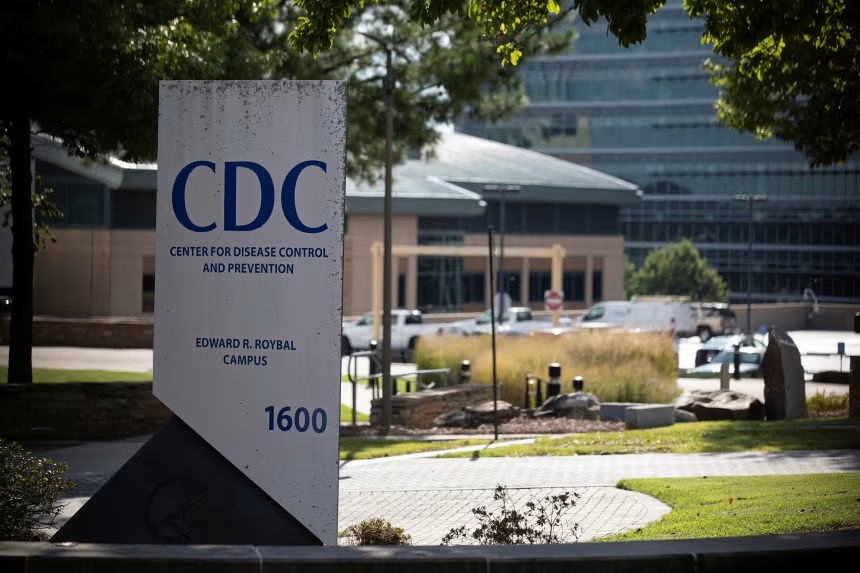
The CDC has officially abandoned its 1991 recommendation for universal Hepatitis B vaccination at birth. Under new guidelines influenced by RFK Jr., parents of infants born to HBsAg-negative mothers will now use shared decision-making to delay or skip the birth dose, a move experts fear will increase chronic liver disease and childhood infections.
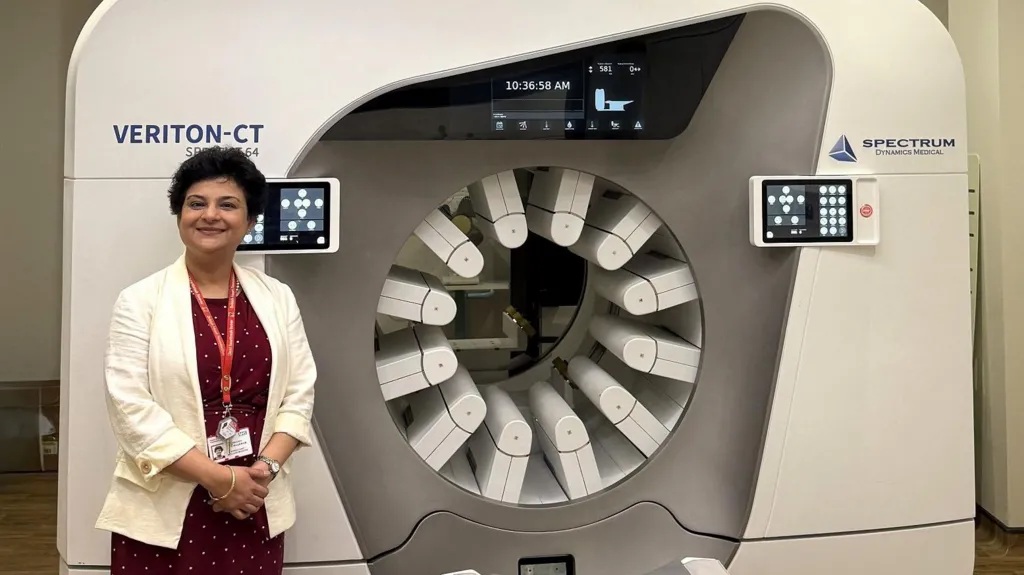
CZT, a notoriously difficult-to-manufacture semiconductor, is enabling major advances in medical imaging, airport security, and X-ray telescopes. Due to its precise, single-step detection of X-rays and gamma rays, the material is in high global demand, complicating projects from a £500m UK synchrotron upgrade to US space missions threatened by supply shortages and the US government shutdown.
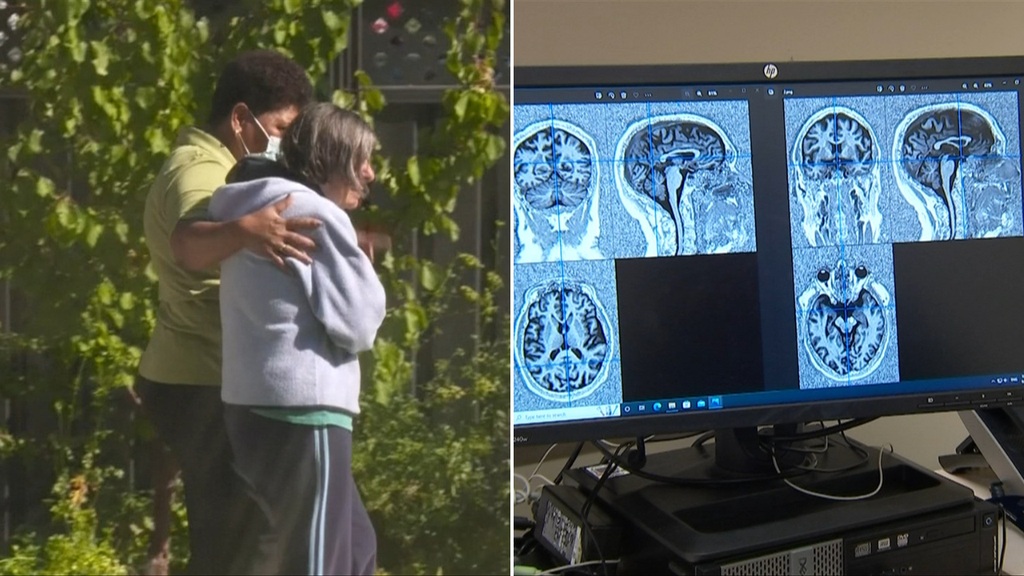
Dementia is confirmed as Australia\’s leading cause of death for 2024, with 62.4% of victims being female. The shift highlights the disproportionate impact on women due to longer life expectancies, creating immense pressure on the healthcare system and demanding urgent national focus on preventative brain health.

Walking up to 7,500 steps daily may delay cognitive decline by 7 years for those with early Alzheimer\’s signs. Experts urge walking be part of a personalized health plan.

Autistic researcher and CDC consultant argues the 1-in-31 diagnosis rate is an opportunity. Calls for policy changes in education, employment, and cities to support autistic adults

The incredible story of how one doctor questioned his own advice, leading to a trial proving early peanut introduction prevents allergies and a 33% drop in US cases