Financial Implications of Bangladesh’s Hypertension Epidemic
Experts call for increased budget allocation in FY2026-27 to combat the rising tide of hypertension, which now ranks as the top disease in Bangladesh.






Good news for older adults concerned about cognitive health: one of the simplest forms of exercise, walking, may be a powerful tool against the progression of early Alzheimer’s disease.
A new observational study published in Nature Medicine found that individuals with biological markers for Alzheimer’s who maintained a high daily step count experienced a significantly slower rate of cognitive decline.
The most striking finding: people who walked between 5,000 and 7,500 steps per day delayed their cognitive decline by an average of seven years. Even a moderate increase to 3,000 to 5,000 steps showed a benefit, delaying decline by three years.
Researchers tracked the buildup of tau proteins, which form destructive tangles inside brain cells and are the protein most directly linked to memory loss. The study concluded that higher physical activity directly correlated with a slower accumulation of tau.
\”Physical activity may help slow the buildup of tau… and delay cognitive decline in people with early Alzheimer’s,\” said lead author Dr. Wai-Ying Wendy Yau.
The study’s strength lay in its use of serial PET scans and pedometer data over 14 years, which is rare for such research.
Despite the clear data on steps, experts stress that the results should serve as motivation for an overall health overhaul, not just a numerical target.
Dr. Richard Isaacson, who conducts research on genetic risk for Alzheimer\’s, warned against focusing too narrowly on the step count: “I get really cautious about catchy numbers like walking 5,000 or 7,000 steps.”
Isaacson emphasizes the need for a personalized plan to address other risk factors: \”If someone has excess body fat, if someone has prediabetes, if someone has high blood pressure, just walking a certain number of steps won’t be enough.\”
The findings reinforce existing knowledge: what is good for the heart—such as walking, stress reduction, quality sleep, and a plant-based diet—is fundamentally good for the brain. While the study cannot prove cause and effect, the evidence strongly supports that regular exercise is a critical component of any comprehensive strategy to maintain cognitive health.
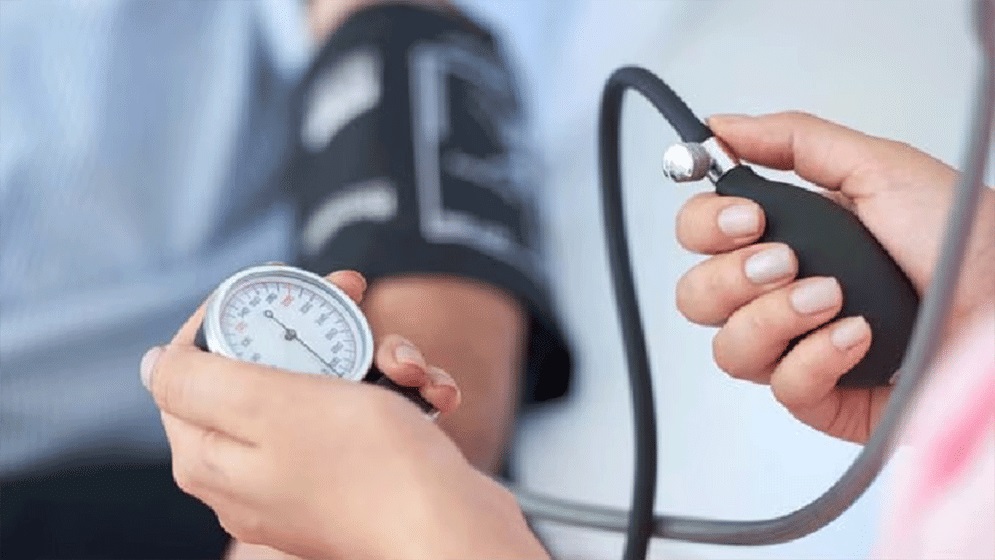
Experts call for increased budget allocation in FY2026-27 to combat the rising tide of hypertension, which now ranks as the top disease in Bangladesh.

Ever wondered why you feel sleepy after a big meal? Scientists explain the “satiety cascade,” the insulin response, and whether one-off overeating is actually harmful.
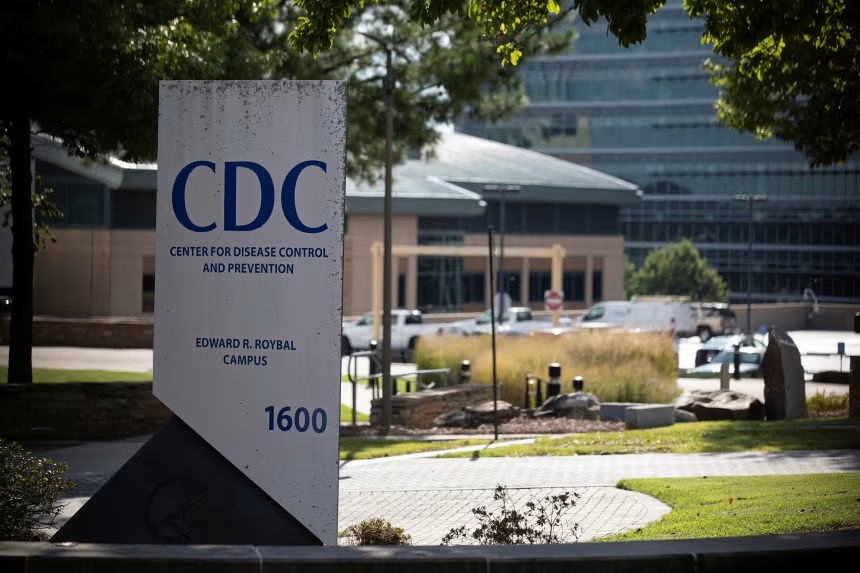
The CDC has officially abandoned its 1991 recommendation for universal Hepatitis B vaccination at birth. Under new guidelines influenced by RFK Jr., parents of infants born to HBsAg-negative mothers will now use shared decision-making to delay or skip the birth dose, a move experts fear will increase chronic liver disease and childhood infections.
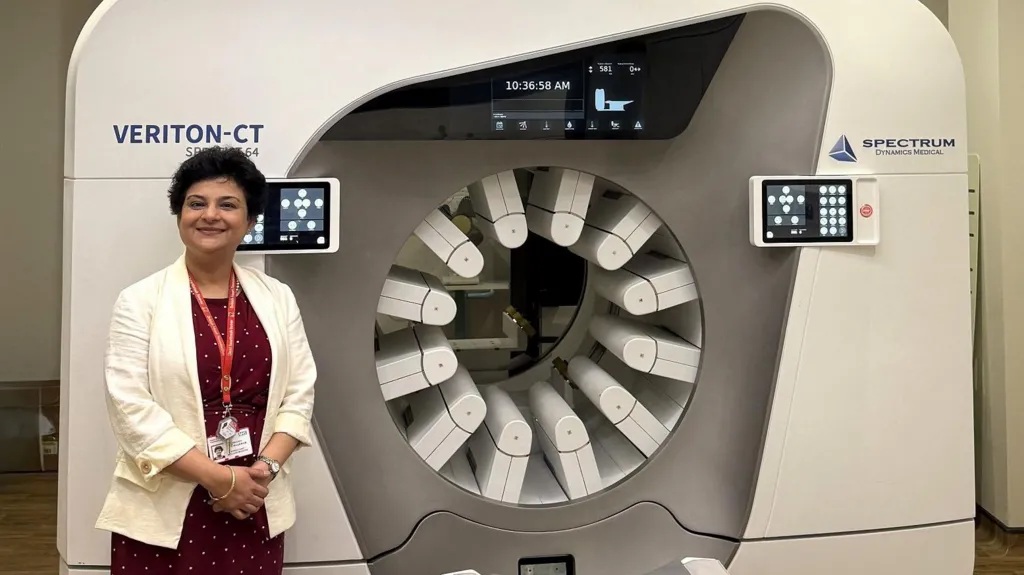
CZT, a notoriously difficult-to-manufacture semiconductor, is enabling major advances in medical imaging, airport security, and X-ray telescopes. Due to its precise, single-step detection of X-rays and gamma rays, the material is in high global demand, complicating projects from a £500m UK synchrotron upgrade to US space missions threatened by supply shortages and the US government shutdown.
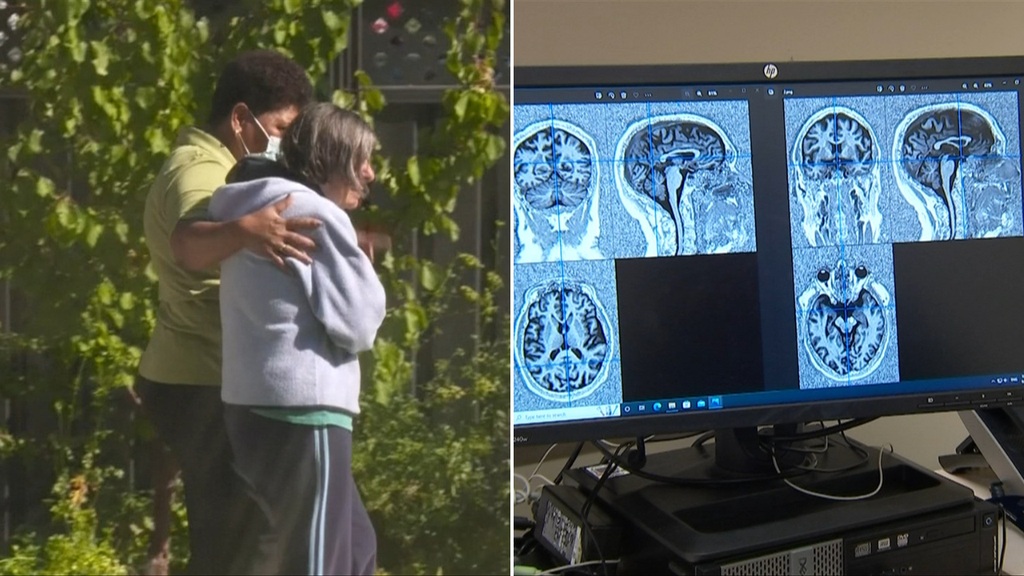
Dementia is confirmed as Australia\’s leading cause of death for 2024, with 62.4% of victims being female. The shift highlights the disproportionate impact on women due to longer life expectancies, creating immense pressure on the healthcare system and demanding urgent national focus on preventative brain health.

Autistic researcher and CDC consultant argues the 1-in-31 diagnosis rate is an opportunity. Calls for policy changes in education, employment, and cities to support autistic adults
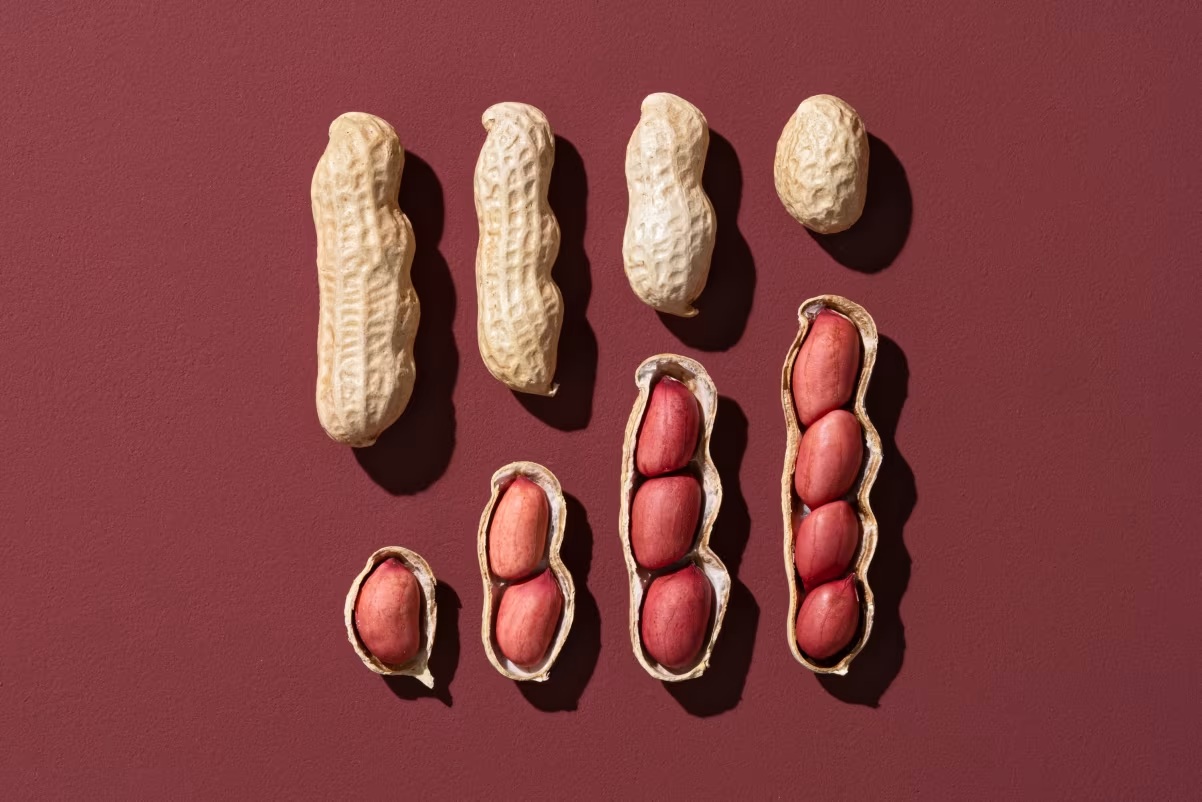
The incredible story of how one doctor questioned his own advice, leading to a trial proving early peanut introduction prevents allergies and a 33% drop in US cases